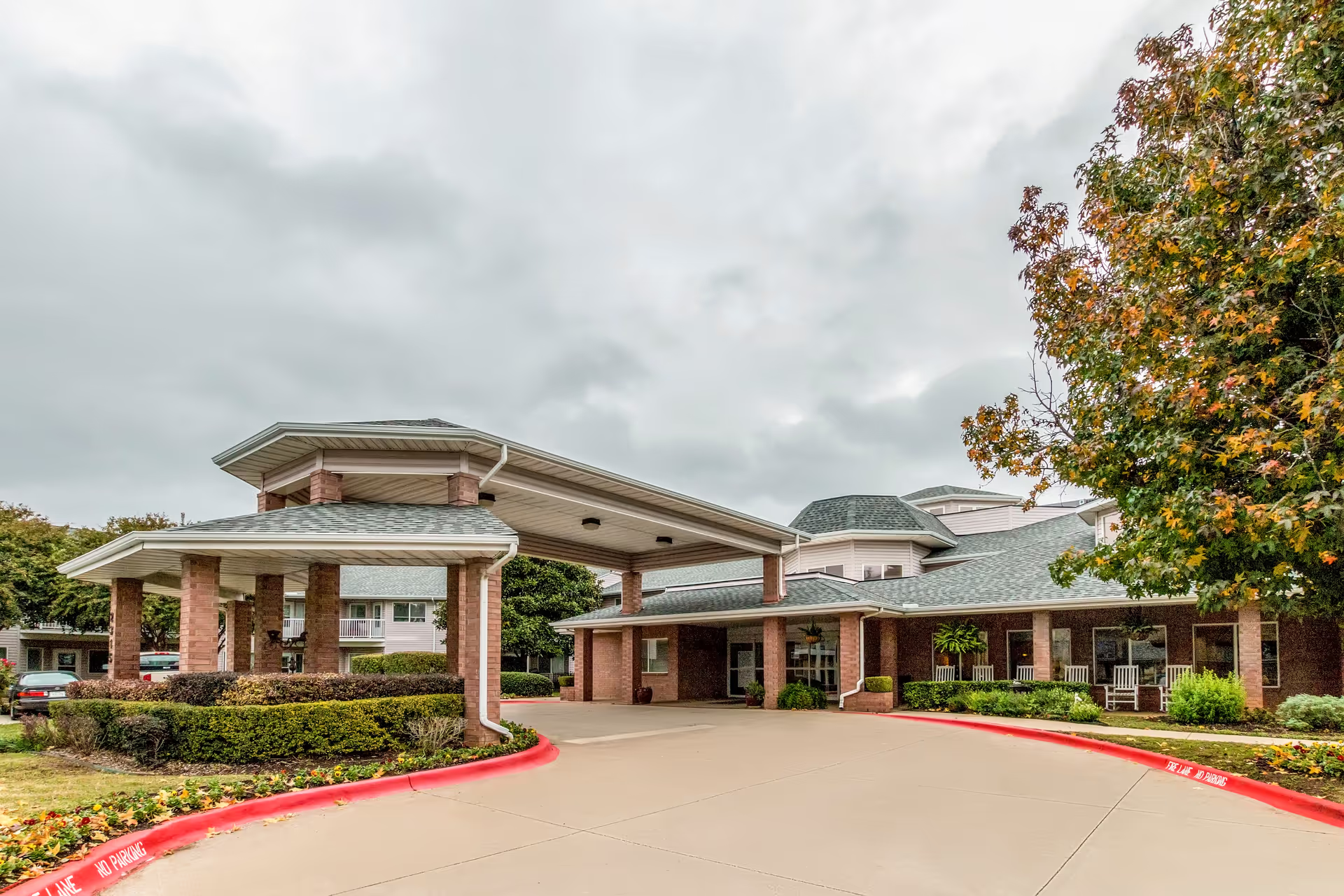
Brookdale Pecan Park elicits a mix of strong positive impressions and recurrent operational concerns. Many families and visitors highlight compassionate, engaged caregivers, visible leadership, and good two-way communication with family members. The campus offers multiple dedicated care levels (memory care, assisted living, transitional care), a large physical-therapy area, restaurant-style dining rooms, and a broad activity program that includes outings, small-group stations, and seasonal events. The facility environment is frequently described as clean, well-maintained, and conveniently located near shopping and services; communal spaces and transportation services are additional strengths.
Care quality and staff performance are commonly cited as the facility’s principal strengths. Reviewers praise individualized, emotion-focused dementia approaches, long-tenured employees, and staff who go beyond routine care to engage residents. At the same time, a consistent theme is variability in staffing and responsiveness: families describe periods of attentive, capable caregiving alongside episodes of delayed responses to resident needs, inconsistent bathing or incontinence-care timing, and concerns about medication administration and documentation practices. Training consistency, particularly for dementia-specific scenarios and safety protocols, is an area families say requires ongoing attention.
Dining and activities receive generally positive marks for the quality of dining rooms, menu variety, and the breadth of programming. Several accounts describe appealing, well-presented meals and flexible ordering options, while others note occasions of diminished food quality or logistical issues (for example, cross-building reheating or inconsistent meal service). The activity calendar is robust — including exercise, music, outings, social events, and small-group stations — but families occasionally report cancellations, limited evening programming, or uneven coverage across the three buildings.
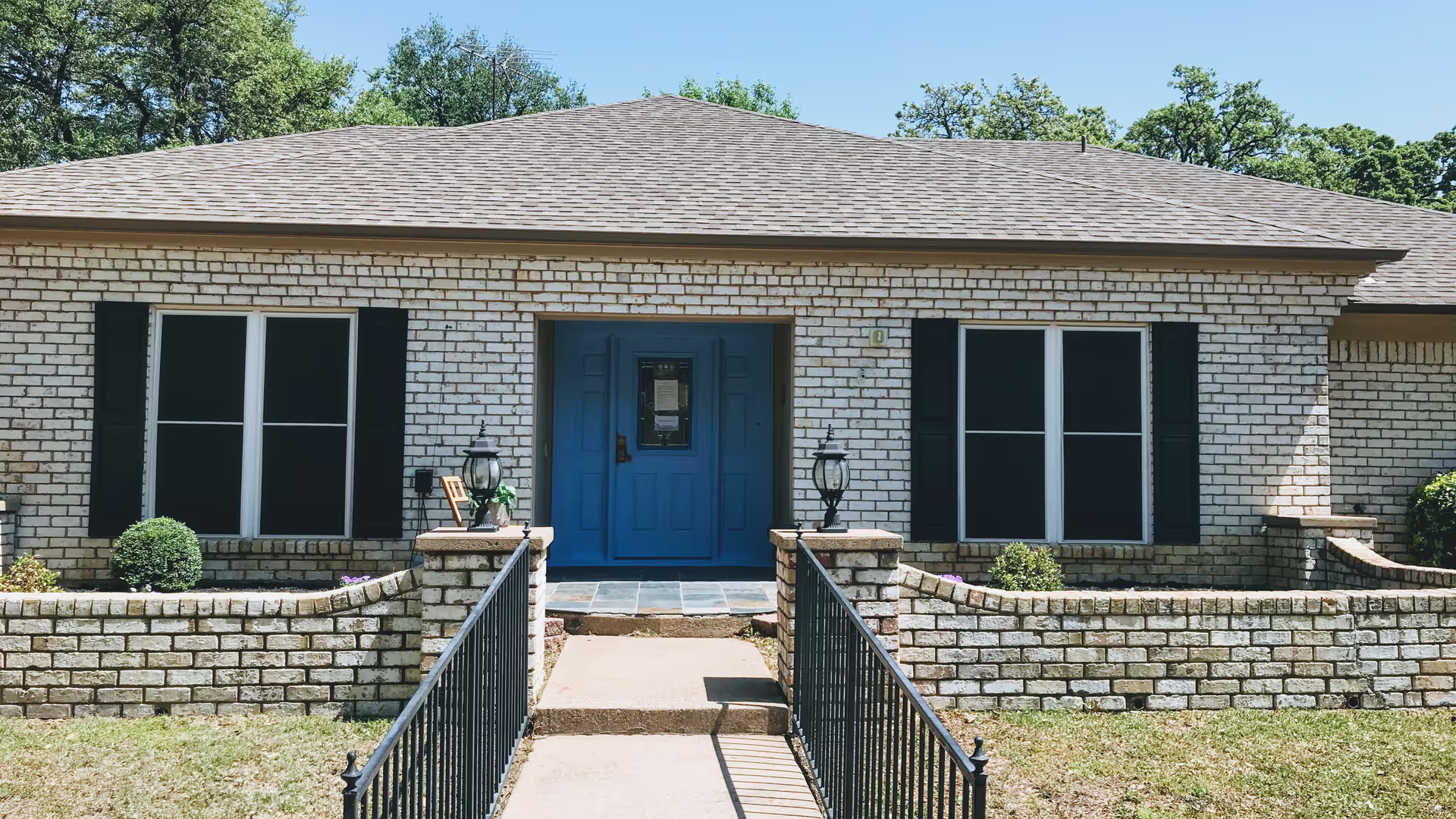
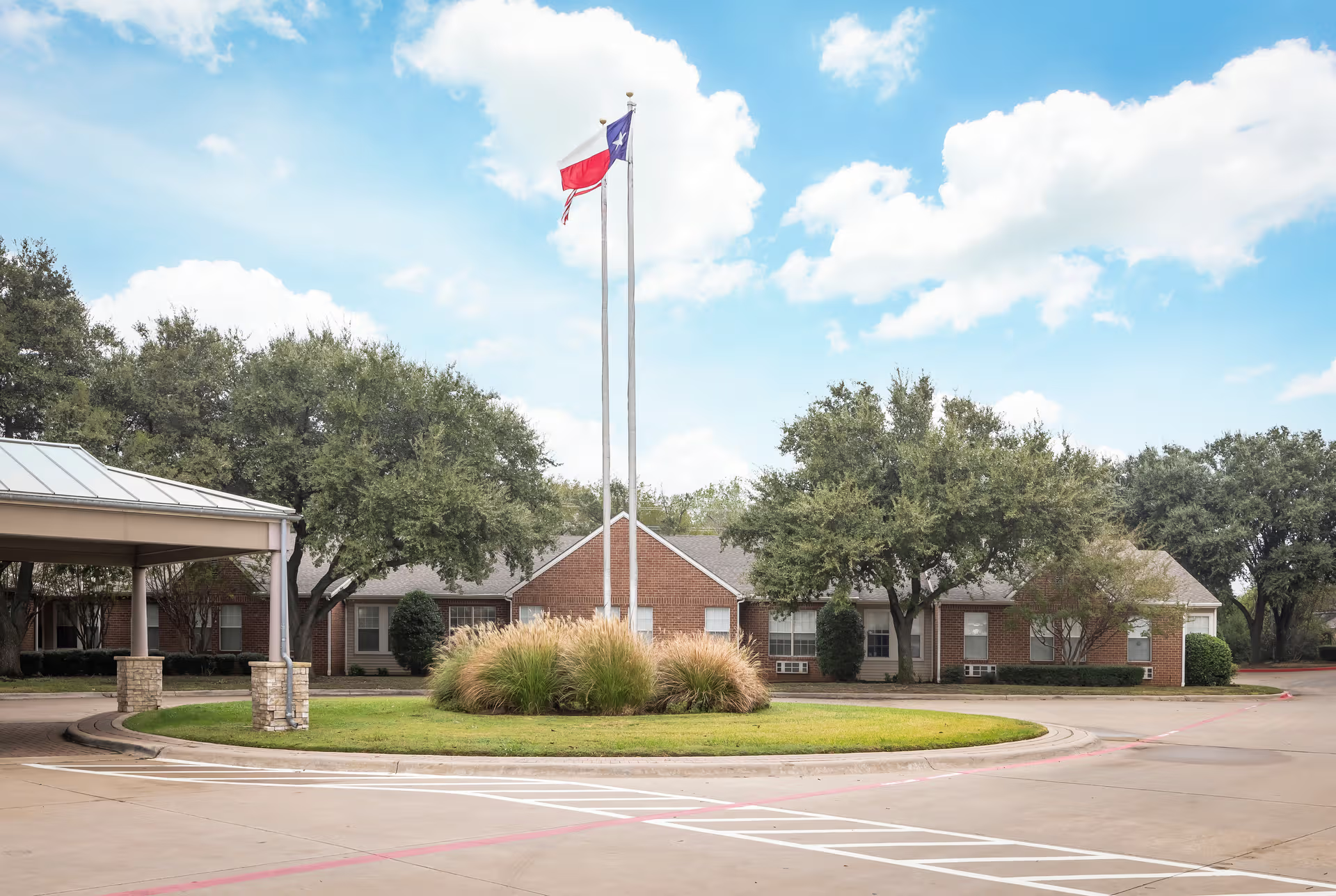
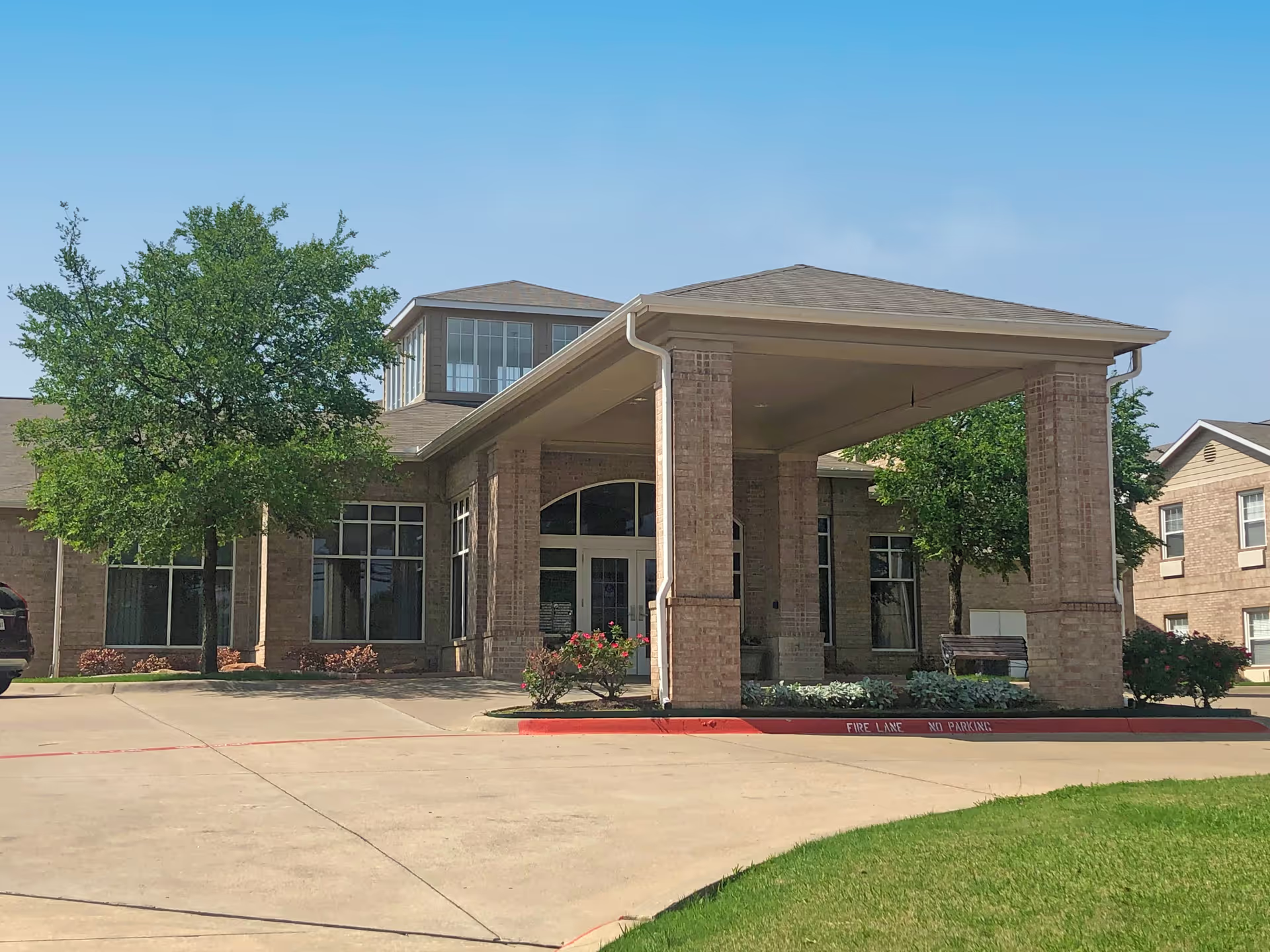
Facilities and amenities are seen as assets: secure entrances, fenced outdoor areas, bright common rooms, and a notably large therapy gym. Memory care design and building layout are a mixed point; the multi-building model allows residents to live among peers at similar care stages, but some families raise concerns about movement between buildings for residents with cognitive impairment and describe variability in the size and openness of memory-care spaces. Practical apartment limitations — studio-only units, unfurnished move-in condition, and limited in-unit storage — are relevant for prospective residents assessing space needs. Laundry handling and missing-item complaints also appear as recurring logistical issues.
Management and administration receive both praise and critique. Several reviewers single out directors and on-site managers for warmth, transparency, and hands-on involvement. Conversely, administrative weaknesses appear repeatedly: billing errors, unclear charges, slow resolution of financial disputes, and periodic organizational turnover at higher levels. These administrative issues, combined with reports of staff shortages, produce the most frequent family advisories.
Overall, Brookdale Pecan Park presents as a community with notable strengths in person-centered caregiving, activities, and campus amenities, and with visible leadership and therapeutic resources. Prospective residents and families who value an active calendar, strong rehabilitation services, and compassionate staff are likely to find many positives. Those whose priorities include consistent staffing ratios, rigorous medication controls, robust evening programming, and clear administrative processes should explore these topics carefully during tours: ask about current staffing levels, medication administration protocols, billing practices, memory-unit layout and transition procedures, laundry/property safeguards, and to observe the community at different times of day to assess responsiveness and activity coverage.