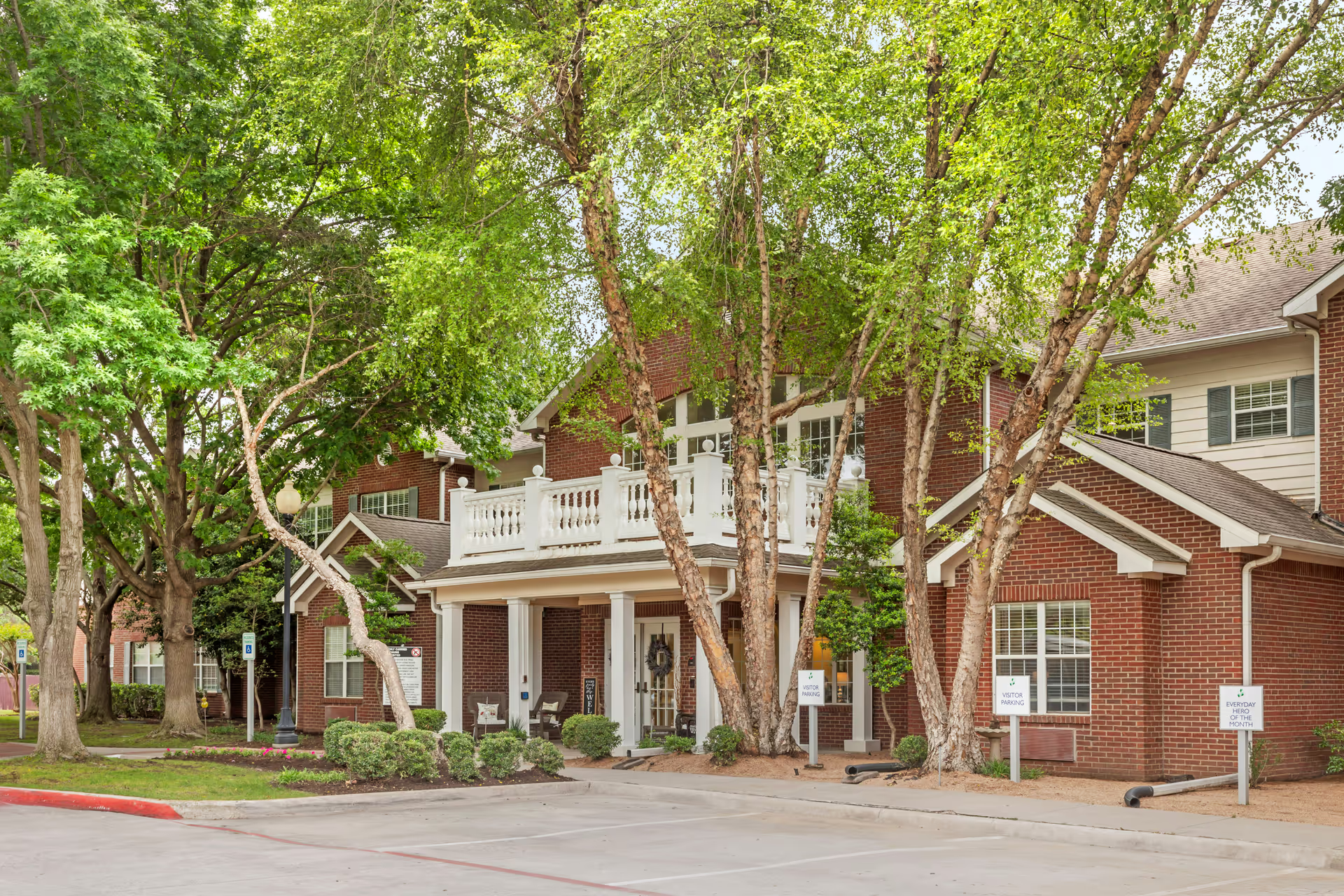
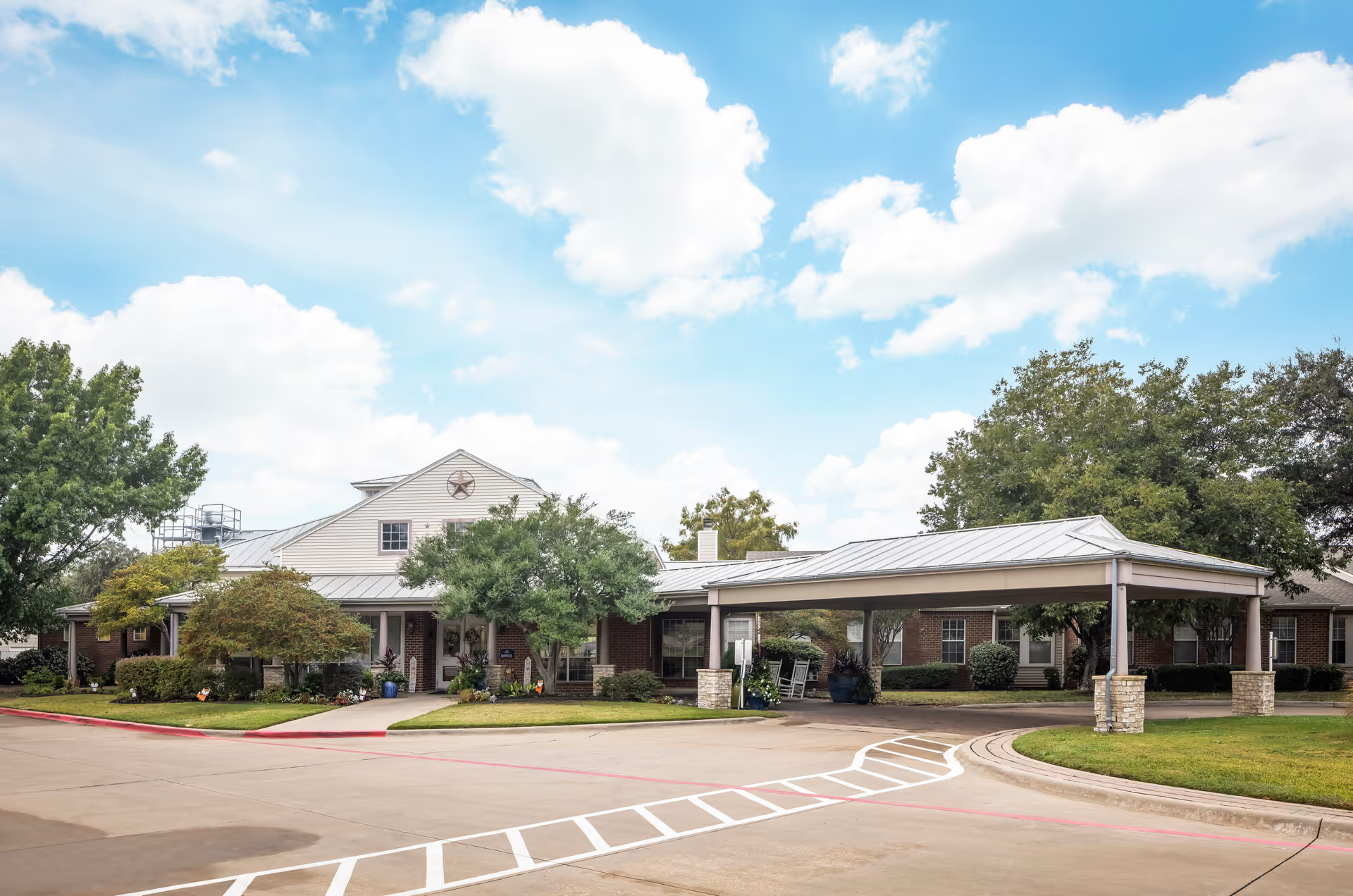
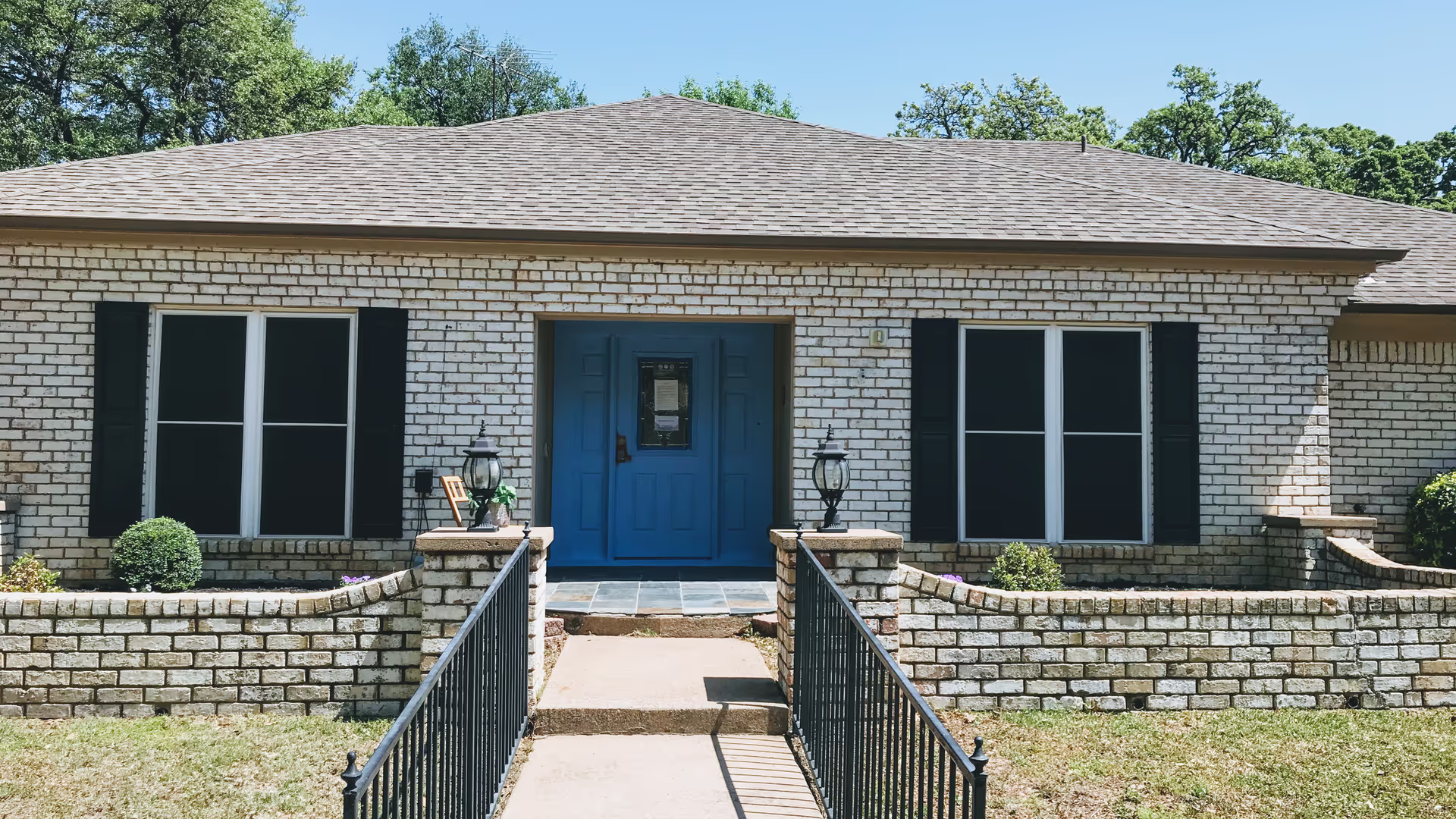
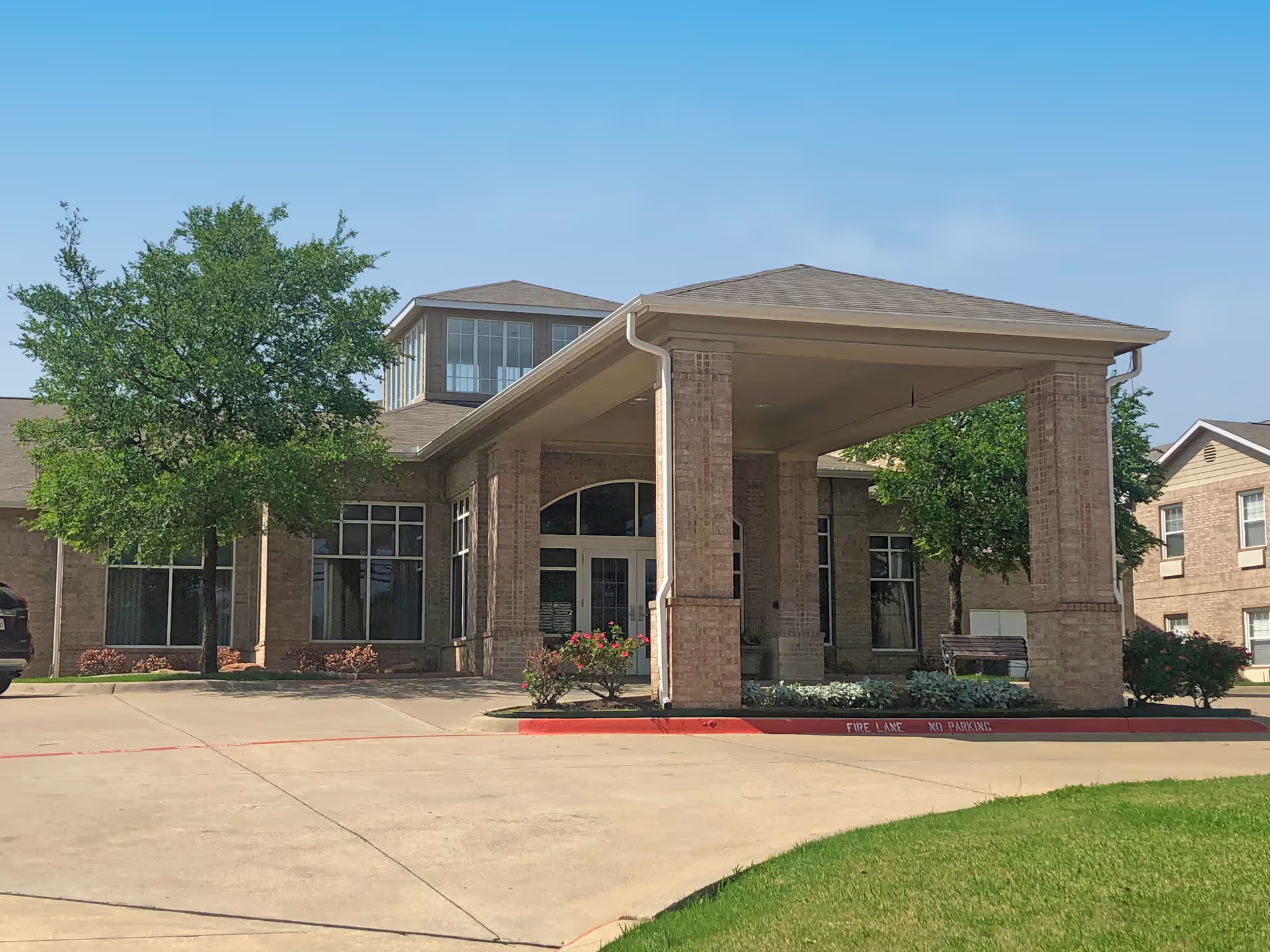
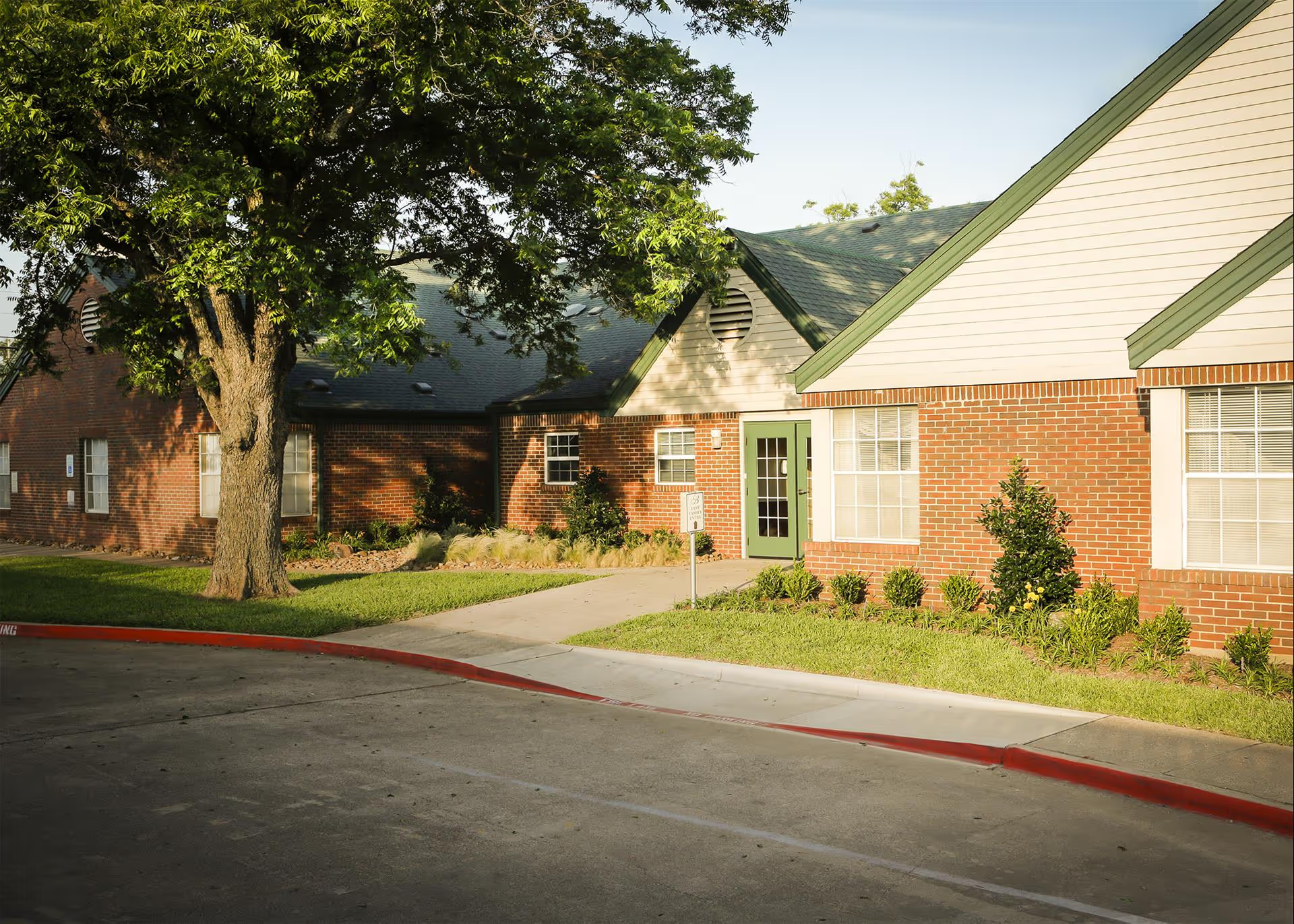
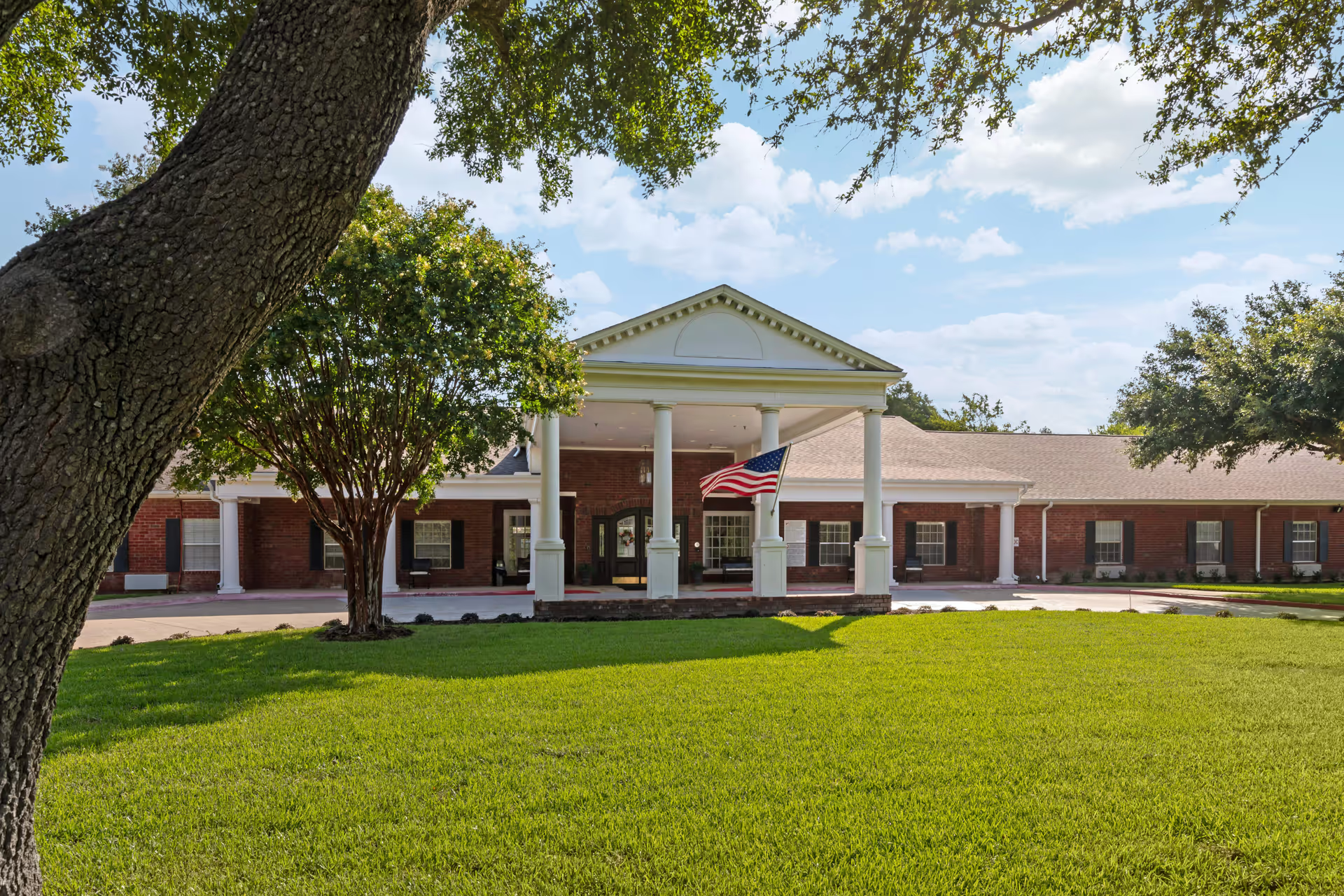
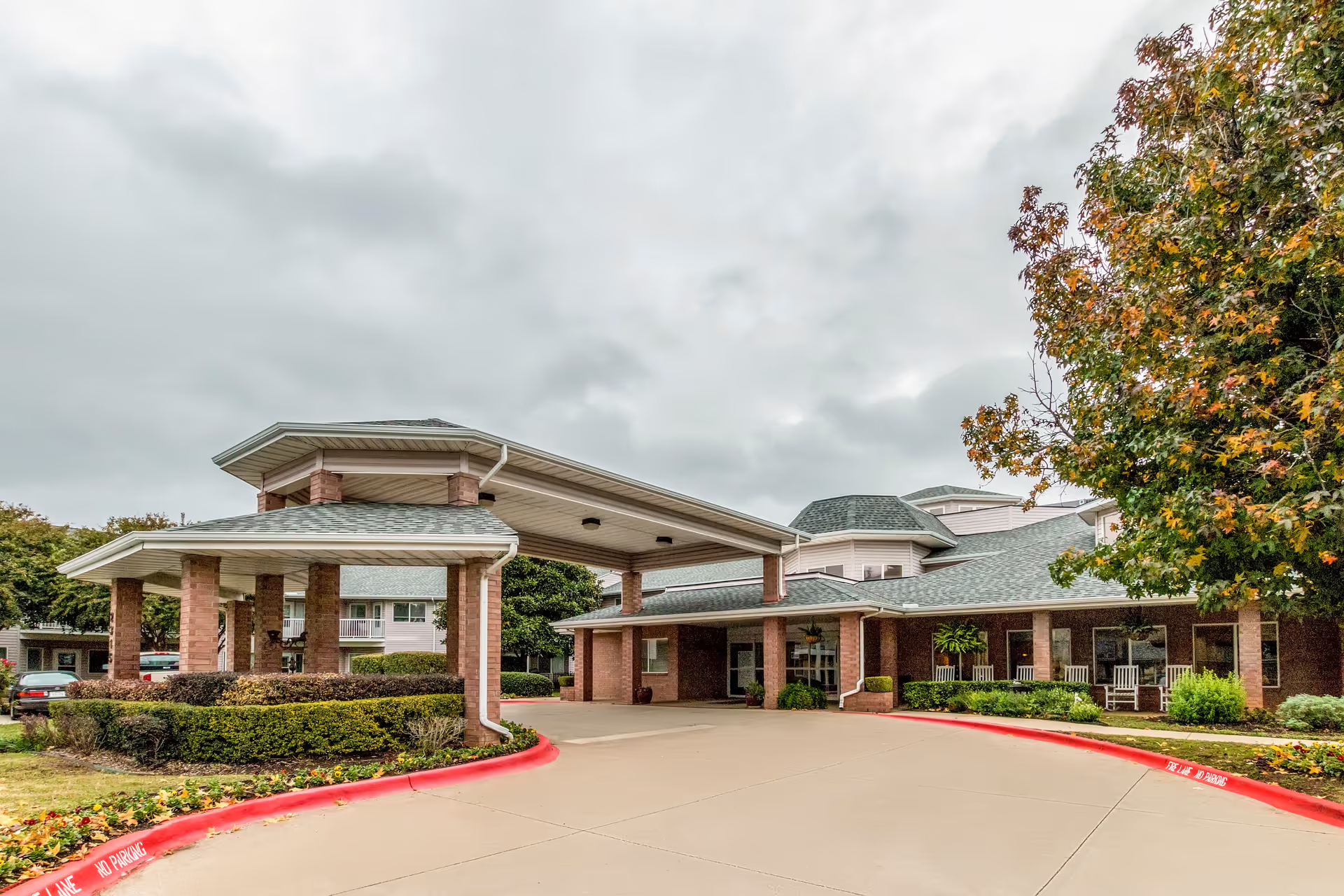
Reviews of PureHealth Transitional Care at THR Arlington present a polarized picture. A consistent strength across many accounts is the rehabilitation program: physical and occupational therapy staff are frequently described as skilled, encouraging, and effective at producing measurable recovery. Several families credit the therapy team with substantive functional gains and timely return to activities of daily living. The facility environment is also commonly praised: clean, attractively maintained rooms and communal spaces are noted as comforting to residents and families.
Conversely, operational and clinical reliability are recurring areas of concern. Numerous accounts describe inconsistent staffing patterns, with particular shortages on evenings, nights and weekends. Those staffing gaps are tied to delayed responses to call lights and assistance requests, longer waits for toileting or repositioning help, and slower medication delivery. Multiple reviews raise concerns about medication timing and occasional medication errors, as well as limited RN presence and on-call clinical oversight after hours. Taken together, these items point to gaps in clinical coverage and handoff practices that reviewers felt affected care continuity and safety.
Families describe highly variable staff performance and communication. Many reviewers singled out individual caregivers, nurses, therapists and administrators for praise; at the same time, other reviewers described unprofessional conduct, inconsistent follow-through on doctors’ orders, and poor responsiveness to family concerns. Discharge planning and transitions also appear uneven: some families received thorough training and coordinated home-care arrangements, while others reported missing supplies, medication issues at discharge, and limited coordination with home-health services.
Dining and daily living services elicited mixed feedback. The facility’s dining environment and some menu items received positive remarks, but several reviewers described gaps in meal timing, portioning, or nutrition support for patients needing weight or strength restoration. Activity offerings are primarily therapy-driven; social and recreational programming receives less consistent mention, though some families appreciated group therapy events and weekly activities.
Safety and facility maintenance concerns emerged in multiple accounts. These include reports of equipment problems, bed and safety-device issues, and inconsistent monitoring of medically complex conditions. Reviewers also raised sanitation and incontinence-care concerns framed as delayed assistance or inconsistent hygiene practices rather than chronic cleanliness of the physical plant. A few reviewers made serious assertions about billing, admissions marketing, and financial motivation; these have been characterized as allegations and indicate a need for prospective residents to seek clear, written explanations of coverage and charges.
In summary, PureHealth Transitional Care at THR Arlington appears to offer a strong rehabilitative environment and several highly regarded staff members, particularly within therapy and support services. However, prospective residents and families should weigh those strengths against recurrent operational weaknesses — notably inconsistent staffing coverage, responsiveness to calls, medication and clinical oversight, and variable discharge coordination. If considering this facility, families may benefit from asking specific questions about night/weekend RN coverage, call-button response metrics, medication-administration protocols, discharge planning processes, and written billing/insurance explanations before admission.