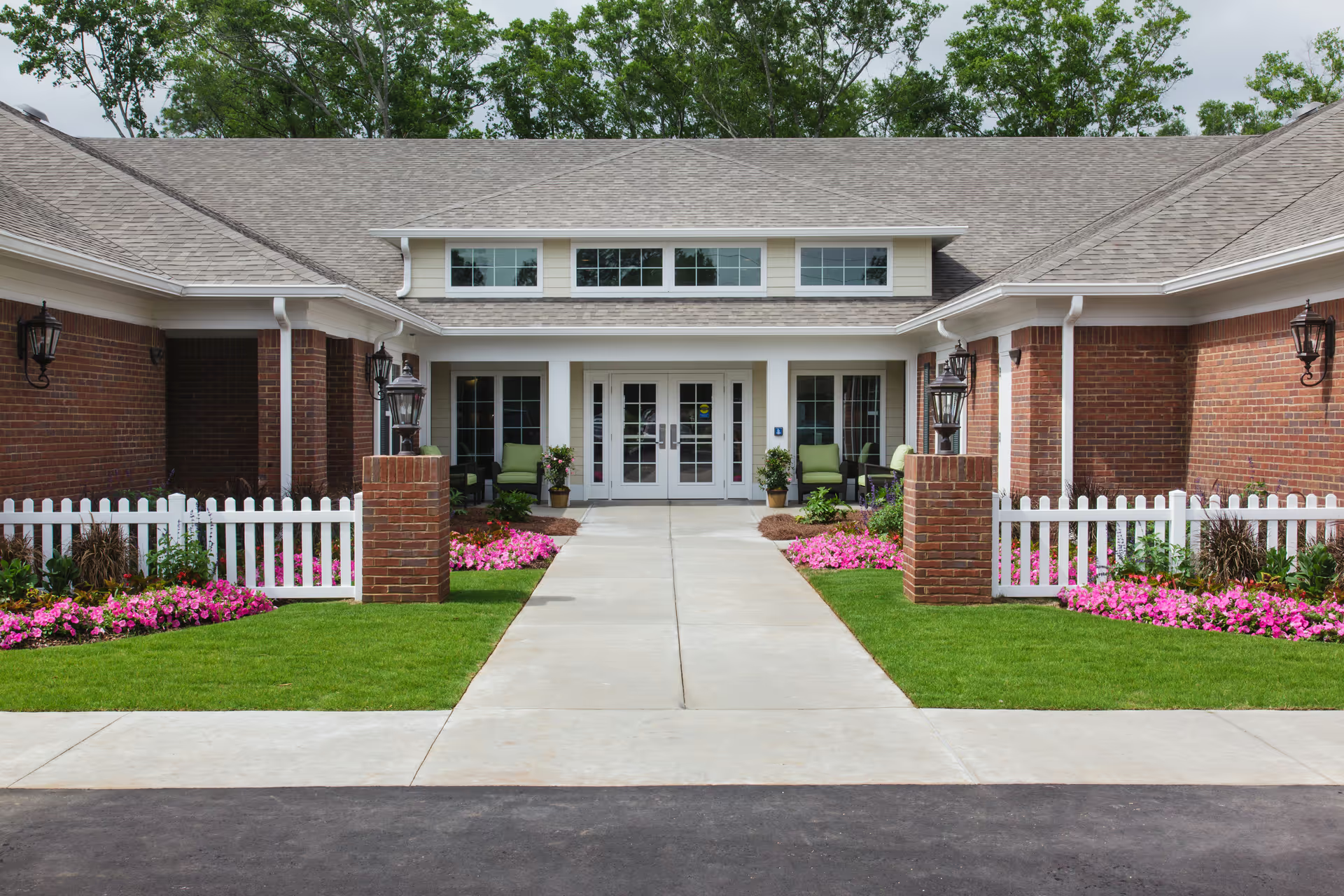
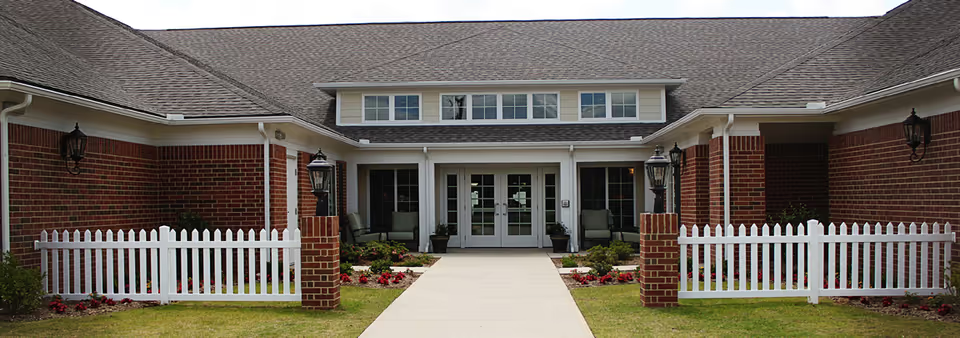
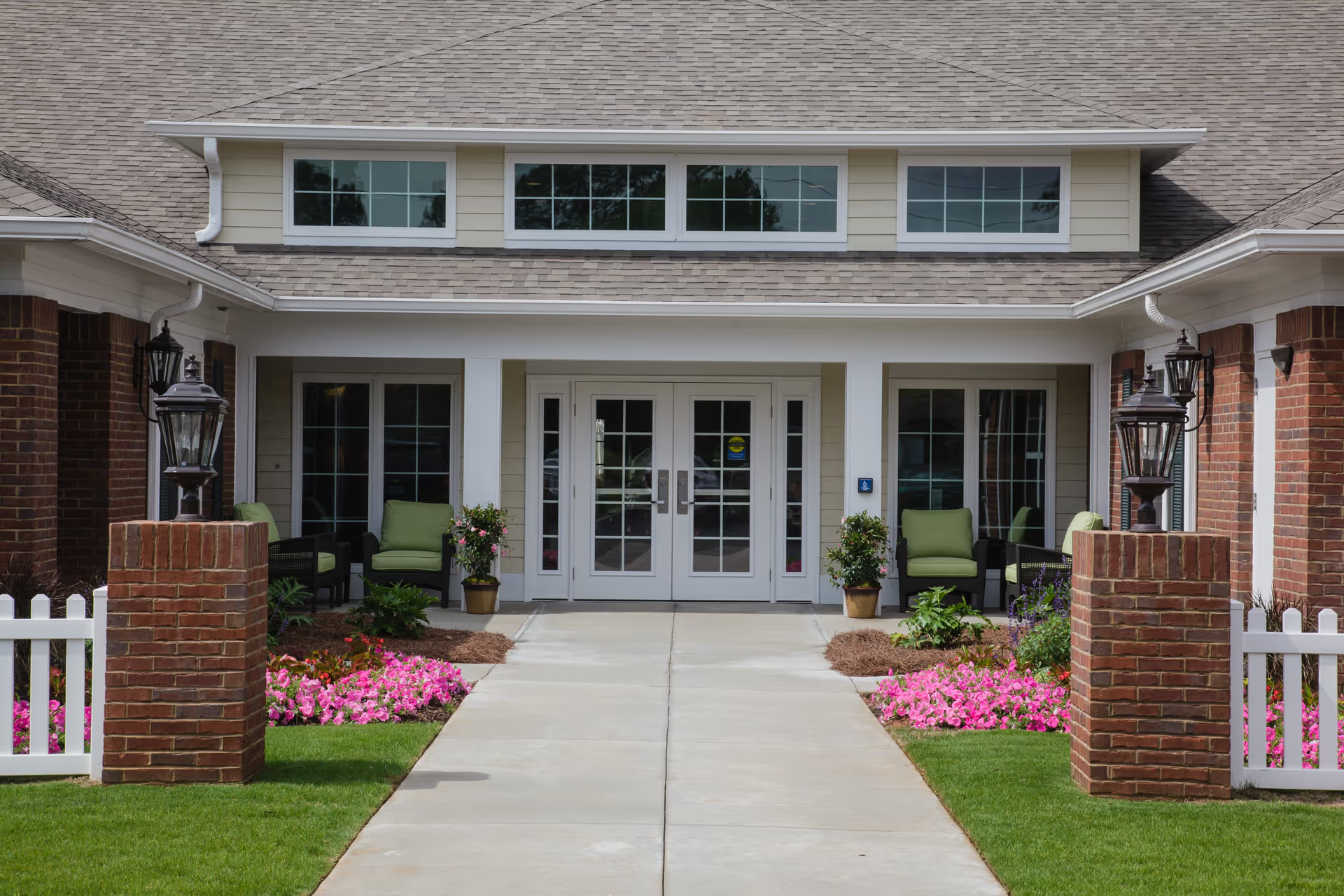
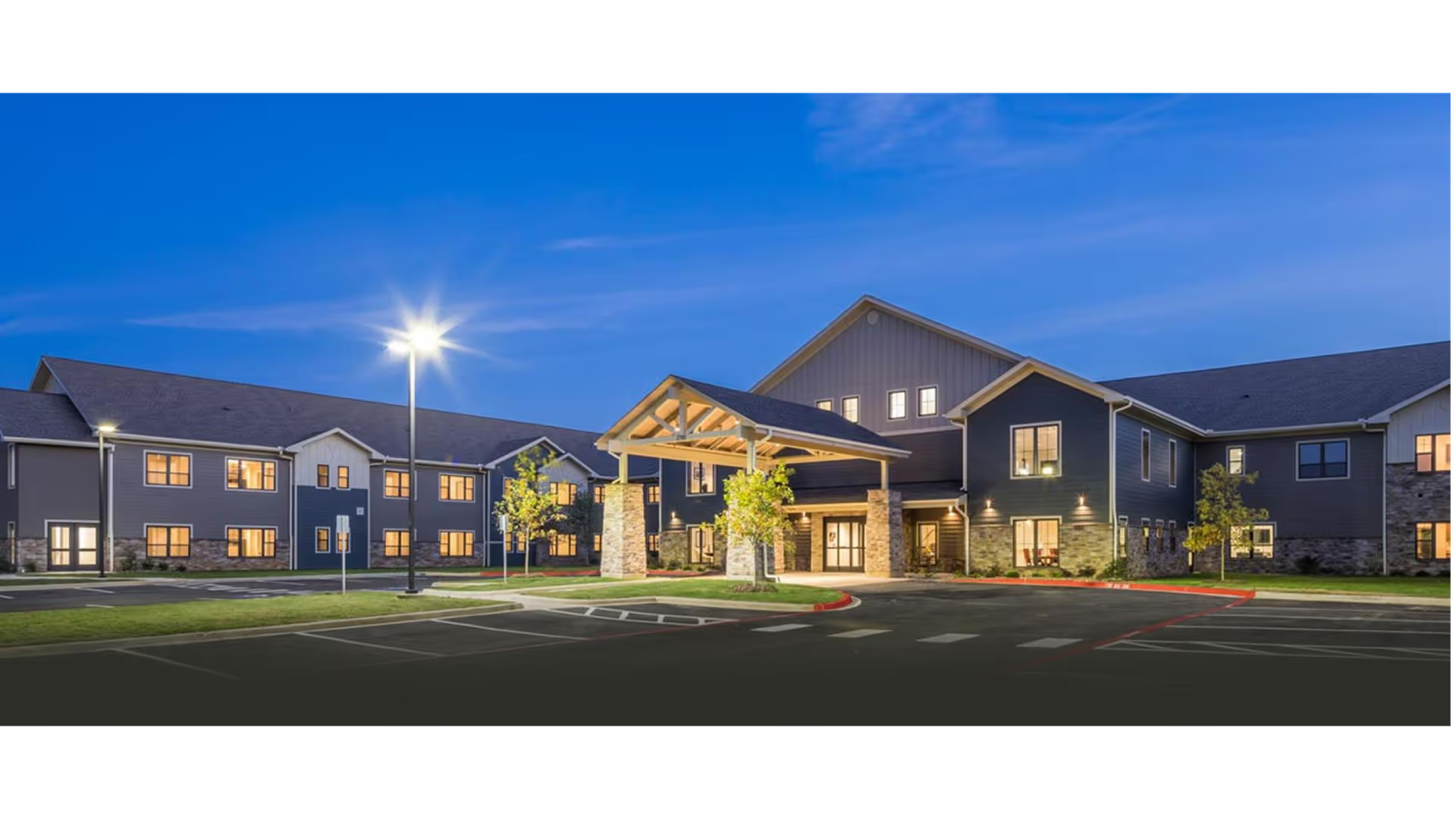
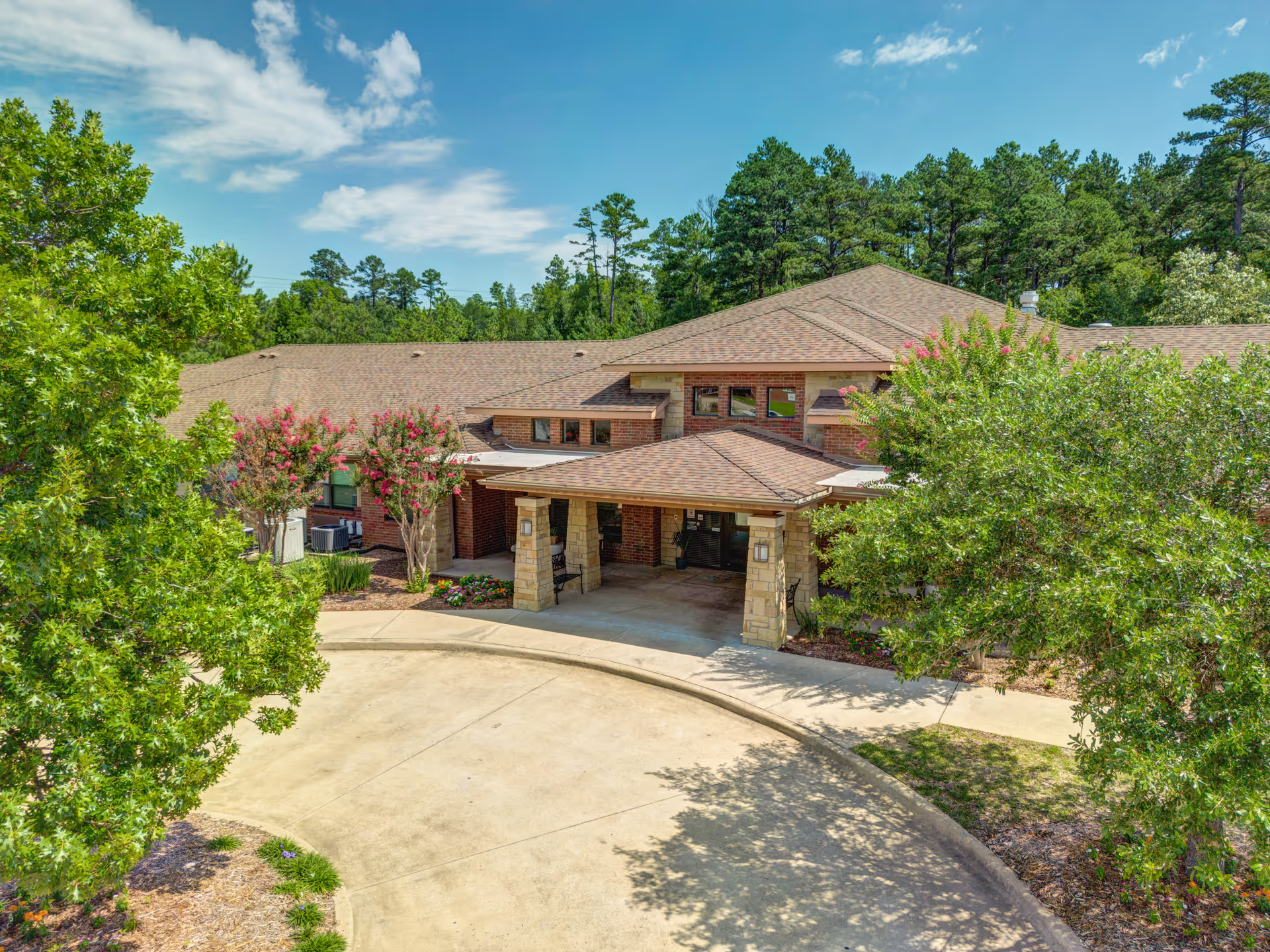
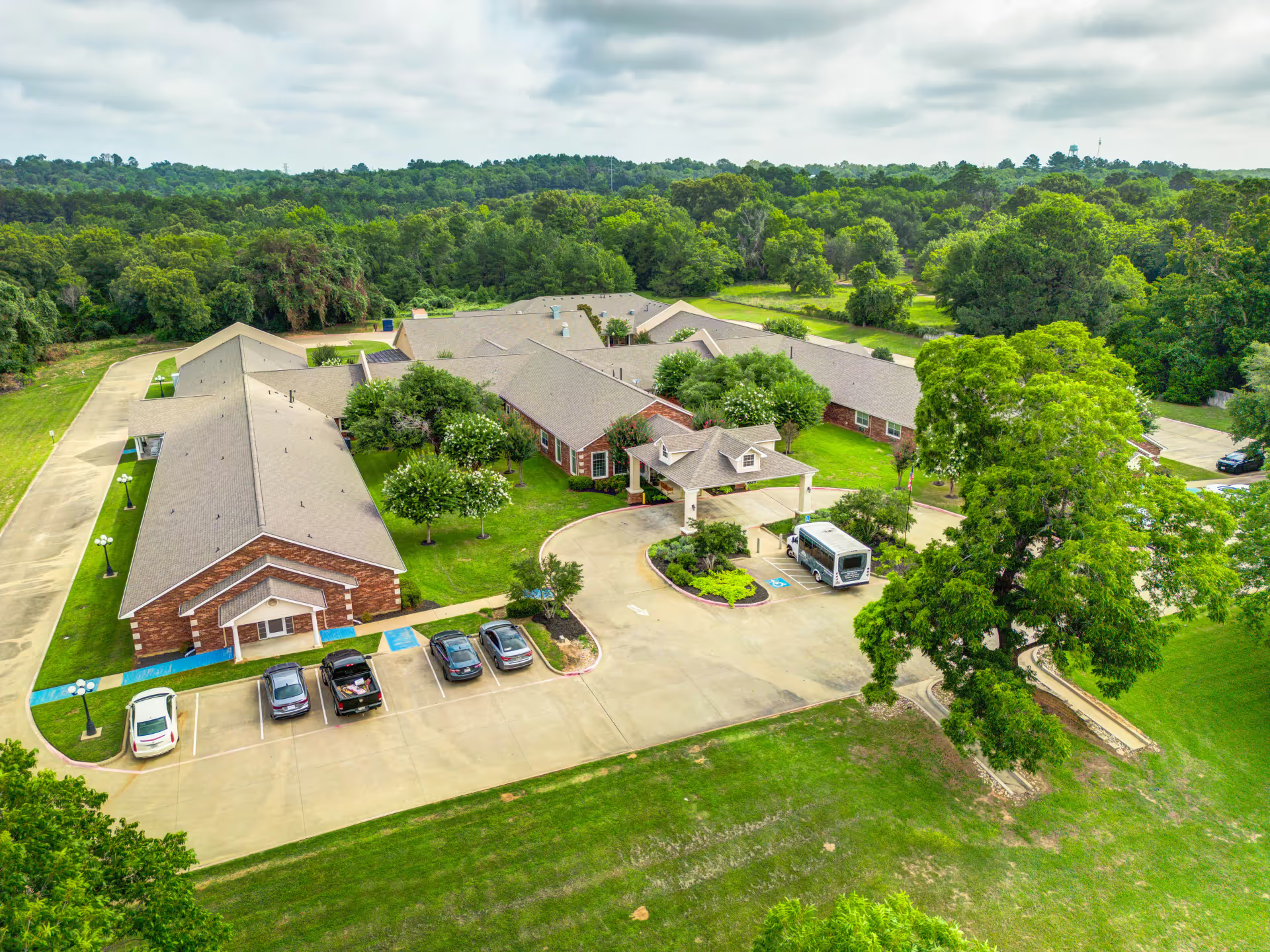
Overall impression: Arabella of Athens presents as a well‑maintained, recently updated senior living community with a range of apartment-style options, abundant on-site amenities, and active programming. The physical campus and interiors are frequently described as clean, modern, and hotel‑like, with landscaped grounds, courtyards, patios, and features such as a movie theater, ice‑cream parlor, library, salon, gym, and a fishing pond. Apartment layouts commonly include one- and two-bedroom plans with kitchens and walk-in showers; some units offer fenced patios or private porches and the community is described as conducive to social interaction.
Care and staff: The majority of commentary highlights friendly, compassionate caregivers and a sales/marketing team that is responsive and informative. Memory‑care services are specifically praised in multiple descriptions for appropriate programming and engagement. Reviewers emphasize individualized attention, family‑style dining, and examples of staff going above and beyond. At the same time, there is a noticeable pattern of staffing variability and episodic shortages; these constraints contribute to concerns about consistency of direct care and responsiveness at times. There are also observations of variable staff professionalism and uneven leadership communication, which some families linked to delays or friction in resolving issues.
Dining and clinical concerns: Dining is frequently cited as a strength — restaurant‑style service, an on‑site chef, varied menus, themed meals, and social dining events such as ice‑cream socials and birthday celebrations. However, reviewers also describe inconsistent food quality and limitations in accommodating special diets. Clinical operational issues are raised in a few accounts, including hydration management and dietary accommodations for conditions such as diabetes; these describe gaps in consistency rather than systemic failure, but they are meaningful for medically complex residents and merit direct inquiry by families.
Activities and community life: Programming is a clear emphasis of the community: exercise classes, gardening, Bible study, movie nights, live music, outings, and intergenerational/community events are commonly noted. The layout — circular courtyards, social patios, and integrated common spaces — supports frequent resident interaction. Communication about activity details and scheduling was identified as an area for improvement; prospective residents and families may want specific weekly calendars and staffing plans for activities.
Facilities and logistics: The campus benefits from new construction elements, contemporary finishes, and convenient location near medical services. Safety features such as fenced patios and gated access are positives. Operational limitations mentioned include limited garage or covered parking tied to assisted living, constrained availability of preferred floorplans, and restricted private outdoor access for some units. Cost is frequently described as higher relative to local alternatives, creating affordability concerns for some families.
Management patterns and recommended inquiries: While many families describe responsive front‑line staff and an engaged activities team, recurring themes point to leadership and operational inconsistencies — variable staffing ratios, uneven housekeeping standards, and mixed communication around placement and memory‑care policies. Several families reported unclear guidance when care needs change, and a few described feeling pushed toward specific placement decisions. Prospective residents should ask about current staffing ratios, meal‑planning and special‑diet protocols, hydration and medication oversight processes, availability of desired floorplans, parking/garage options, and the community’s procedure for care‑level transitions and family communication.
Bottom line: Arabella of Athens appears to be a well‑appointed community with strong social programming, appealing amenities, and many examples of caring staff and effective memory‑care services. Those positives are tempered by operational weaknesses that relate primarily to staffing consistency, management communication, dietary/clinical accommodation reliability, and limited mid‑level care pathways. Families seeking this community should verify clinical procedures, staffing patterns, placement policies, and unit availability during decision conversations.