The reviews present a polarized picture of Park Highlands Nursing & Rehabilitation Center: many families and former residents describe effective rehabilitation, caring aides, clean portions of the facility, and good coordination with hospitals and insurers, while others raise operational concerns that relate primarily to staffing, communication, and clinical process reliability.
Care quality and clinical issues: Several reviewers praised the therapy team for intensive, effective rehabilitation that produced measurable functional gains. At the same time, others described inconsistent basic nursing and personal-care practices—missed or delayed bathing, oral care, toileting assistance, and medication administration lapses are recurring themes. There are also comments about therapy approaches being too aggressive or inconsistent with resident tolerance; conversely, some residents reported appropriate, empathetic therapy that restored mobility. A small number of reviewers described serious incidents, including concerns about medication management and events that prompted outside involvement; these accounts underscore the need to verify clinical policies and incident follow-up directly with the facility and regulators.
Staff, conduct, and responsiveness: Many reviews single out individual staff members (nurses, CNAs, rehabilitation staff, and housekeeping) as compassionate and professional. Parallel feedback highlights variability in conduct: rude or dismissive interactions, staff on personal devices, and long response times to nurse calls or phone inquiries. Weekends and after-hours periods are frequently identified as times when staffing and responsiveness drop. Families often noted good communication from some administrators, while others reported disorganized handoffs and poor phone/on-call responsiveness.
Dining, activities, and environment: Positive comments emphasize home-style meals, accommodating kitchen staff, a range of activities, and a well-equipped therapy room. Negative feedback focuses on inconsistent meal delivery, occasional cold or missed trays, and failure to respect dietary restrictions. Many reviewers found public areas clean and some units recently renovated, but others noted cleanliness and odor concerns in specific areas. Activity offerings and therapy spaces were frequently cited as strengths for residents seeking rehabilitation.
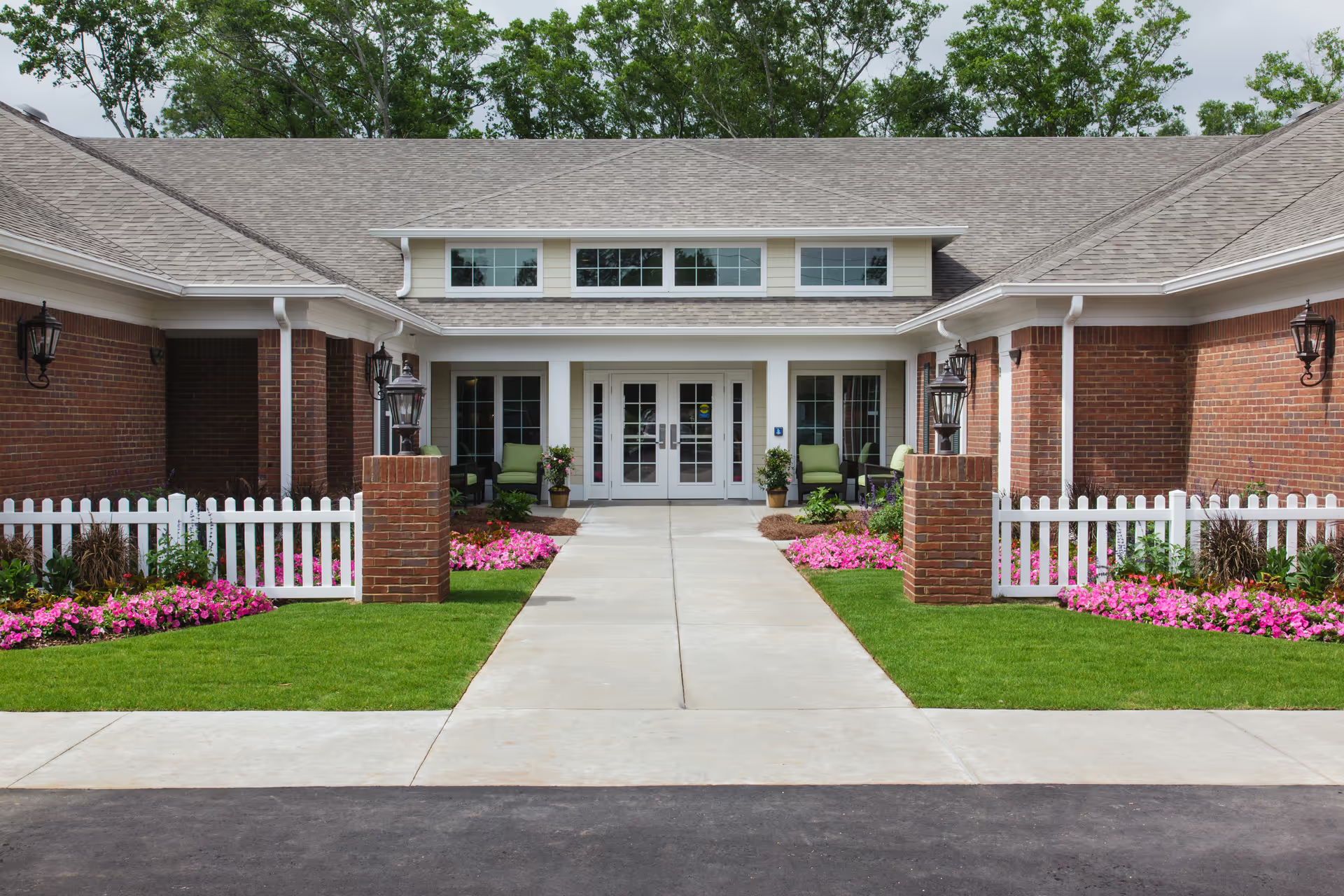
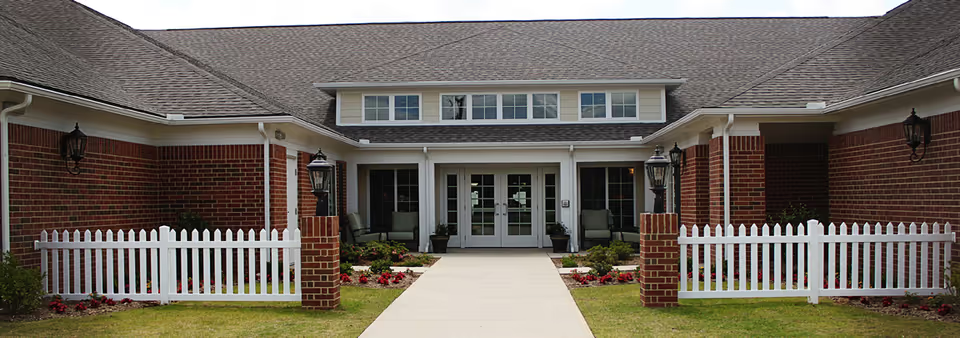
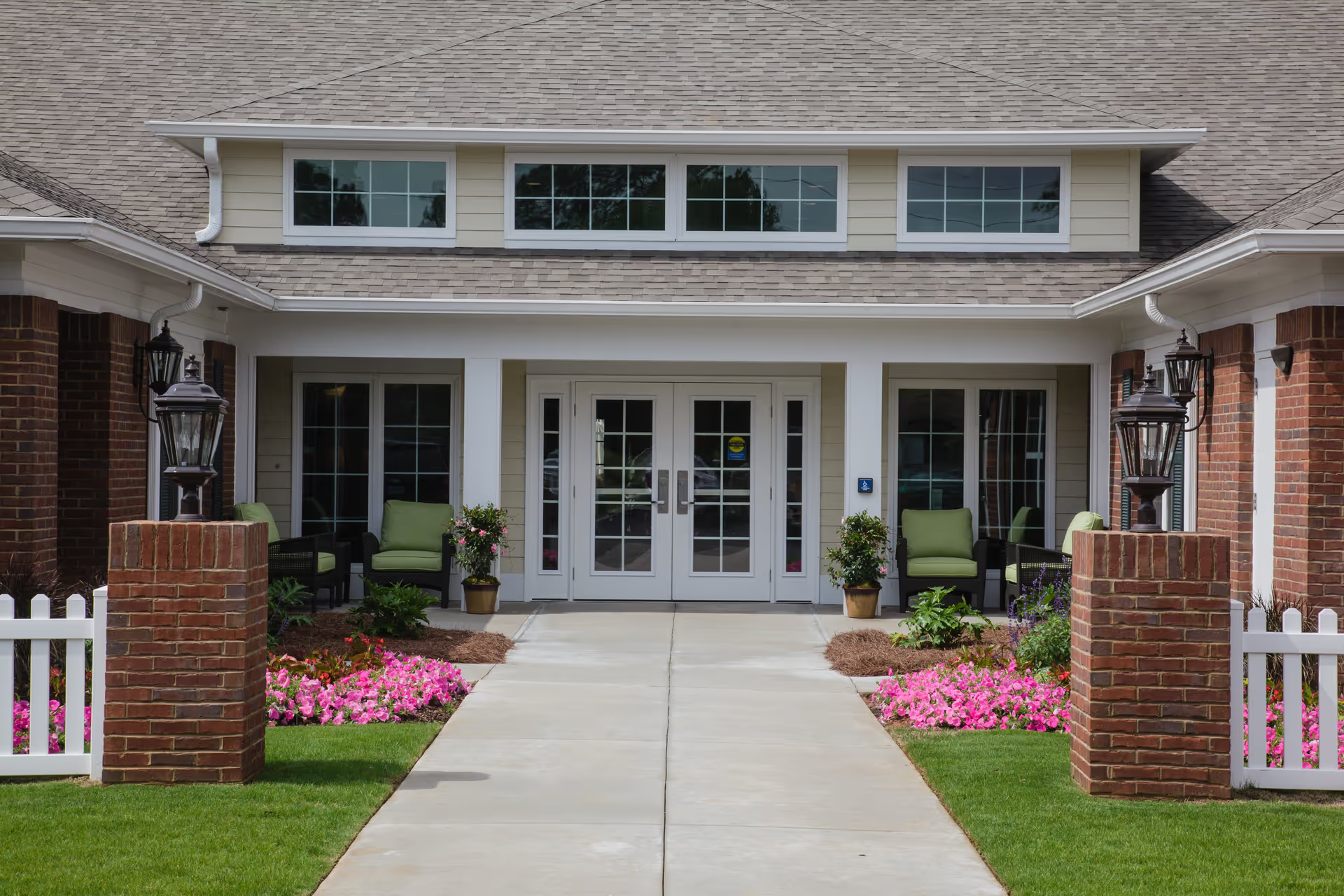
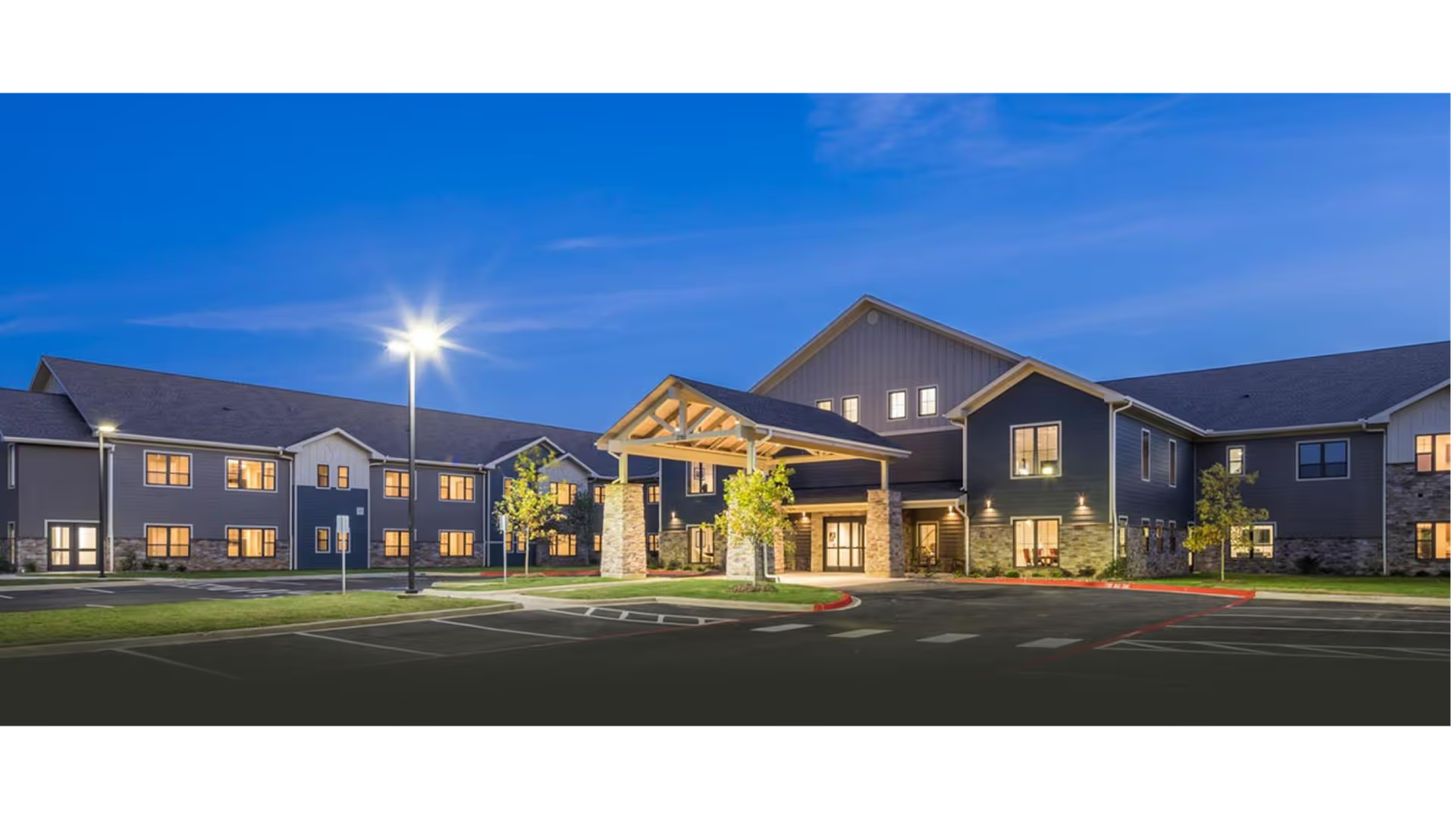
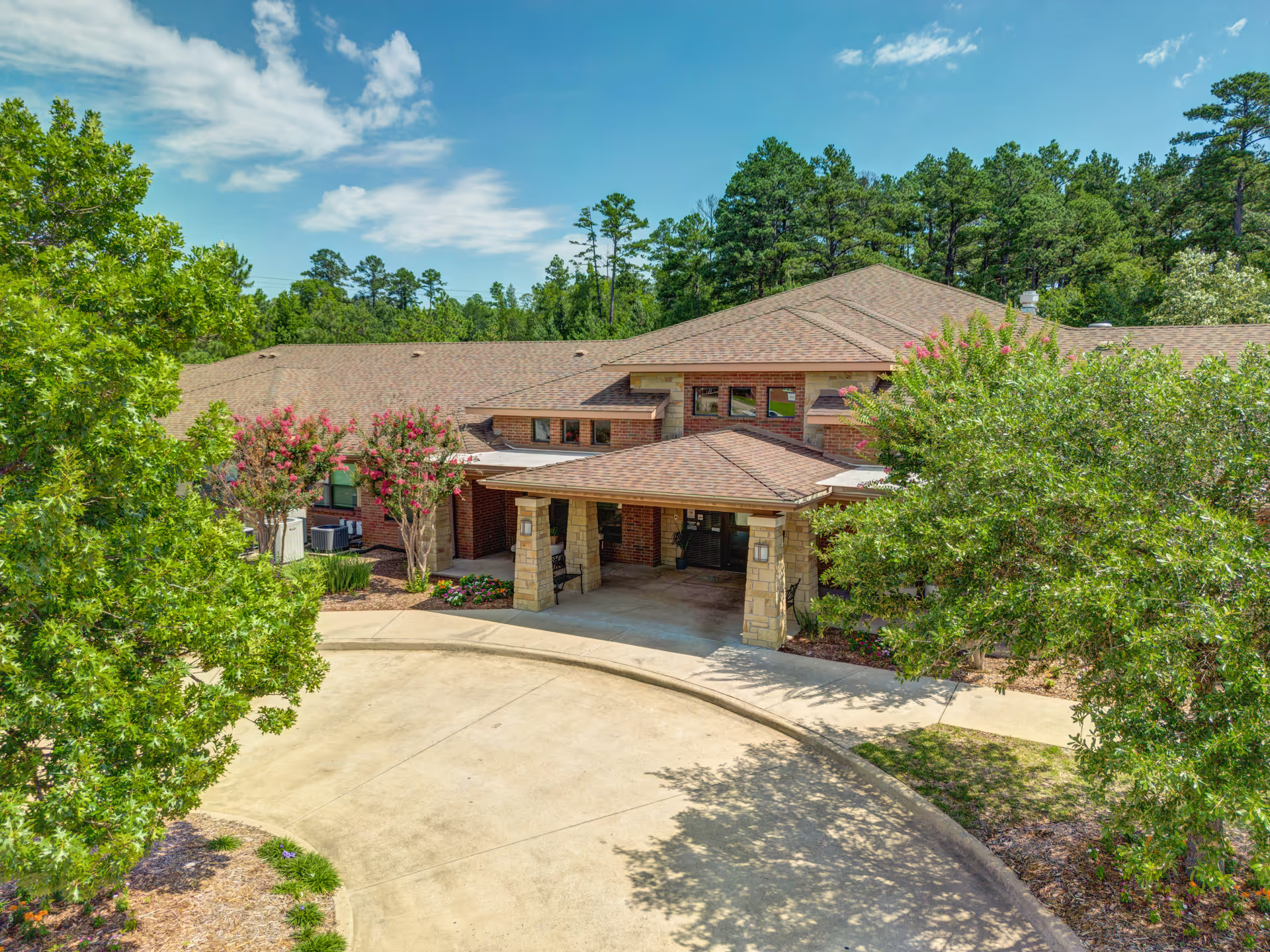
Facilities and safety: The facility's proximity to a hospital and the presence of modernized units were viewed favorably. Safety-related concerns include supervision shortfalls (falls, unsupervised residents in hallways), room-assignment practices that complicate isolation needs, and door-access/visitor-control weaknesses. These operational traits, combined with variable staffing, appear to drive many of the safety and monitoring complaints.
Management and notable patterns: Overall impressions vary markedly by shift, wing, and staff present. Positive experiences cluster around engaged clinical and therapy teams and attentive housekeeping; negative experiences cluster around understaffed weekends/after-hours, unreliable communication channels, and process gaps—particularly medication management, personal care, meal continuity, and incident notification to families. Prospective residents and families would benefit from targeted questions about staffing ratios (including weekends), medication-administration safeguards, after-hours/phone escalation procedures, dietary accommodation processes, isolation/room-assignment protocols, and recent state inspection or incident reports to reconcile the divergent experiences reflected in these reviews.