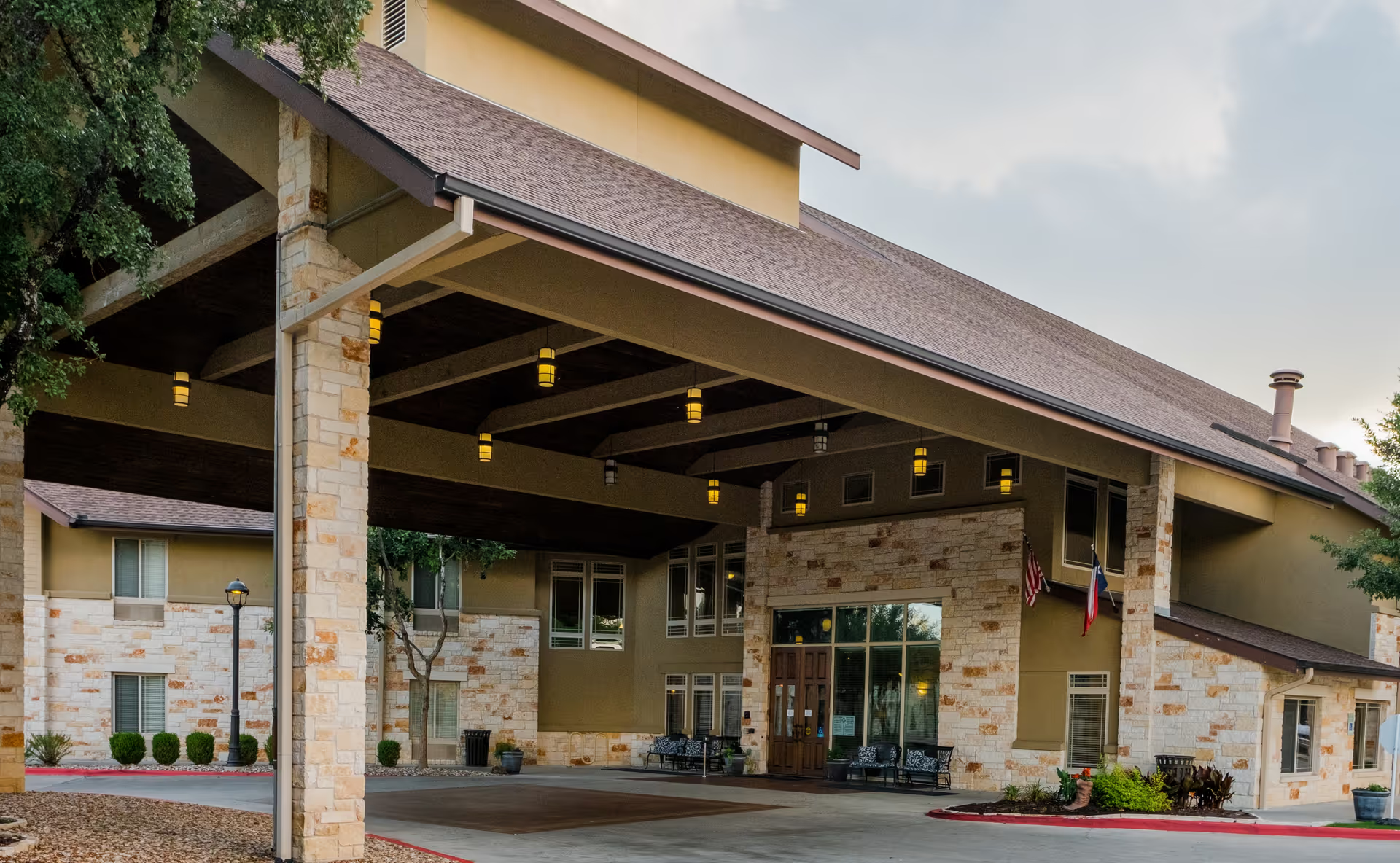
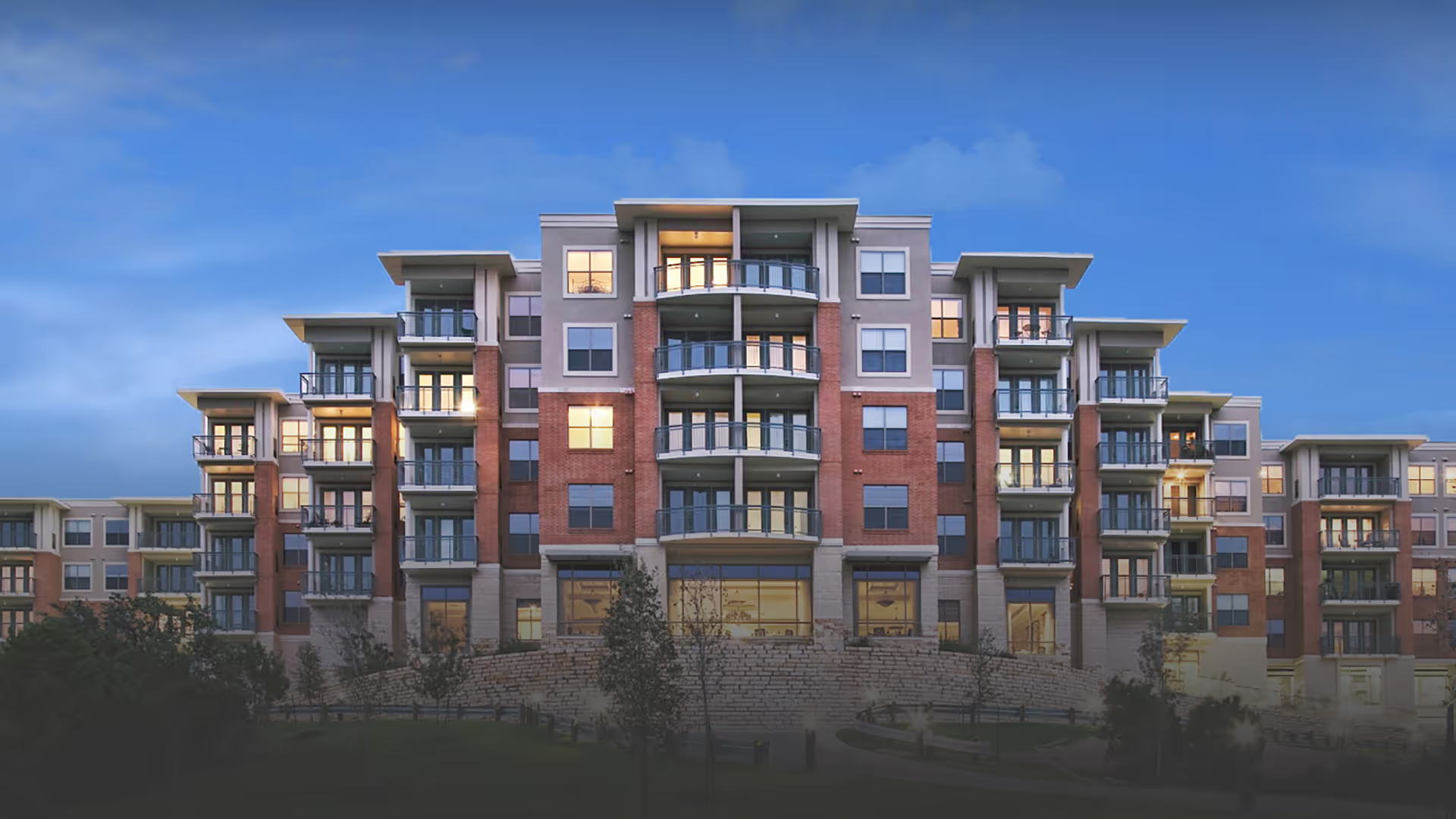
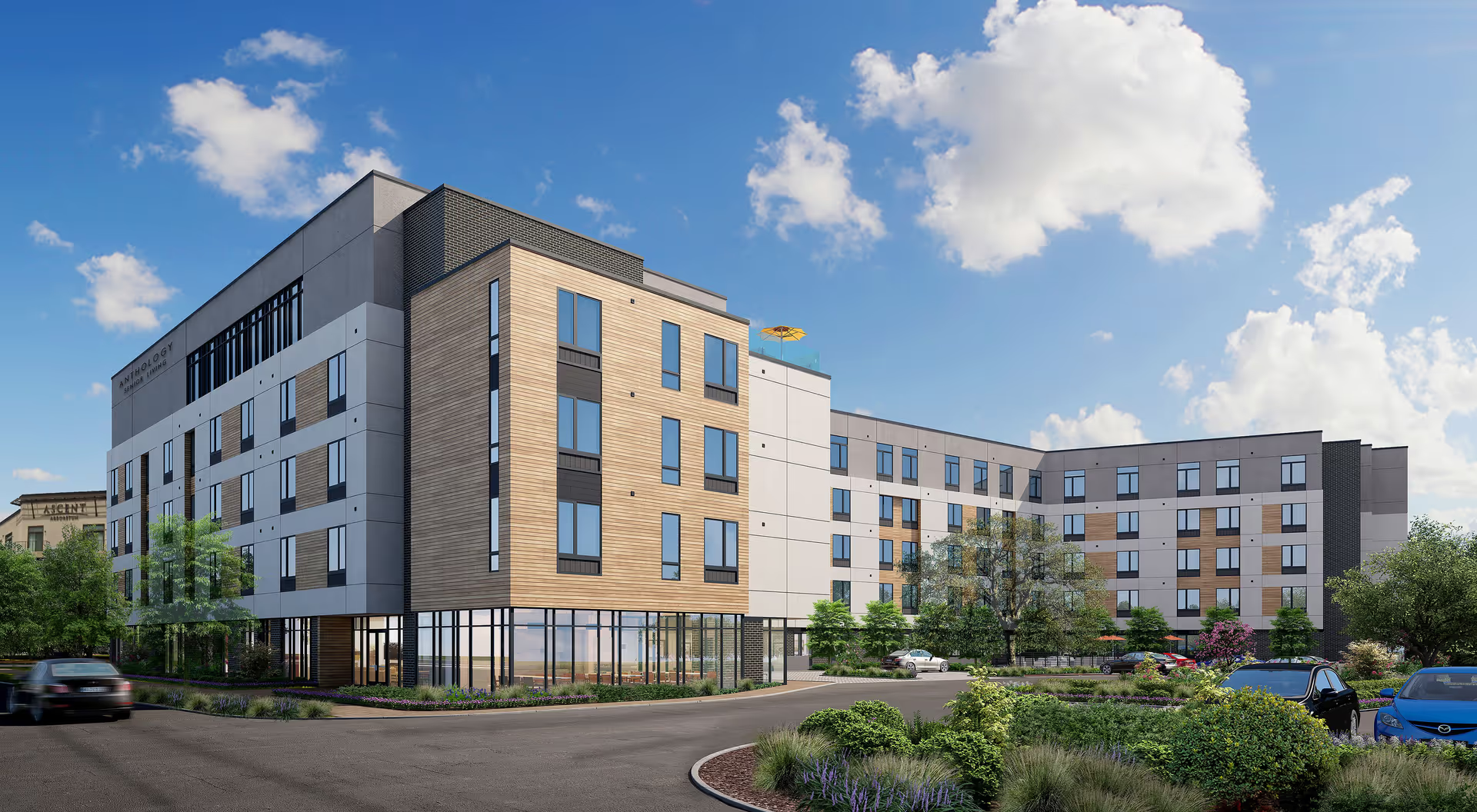
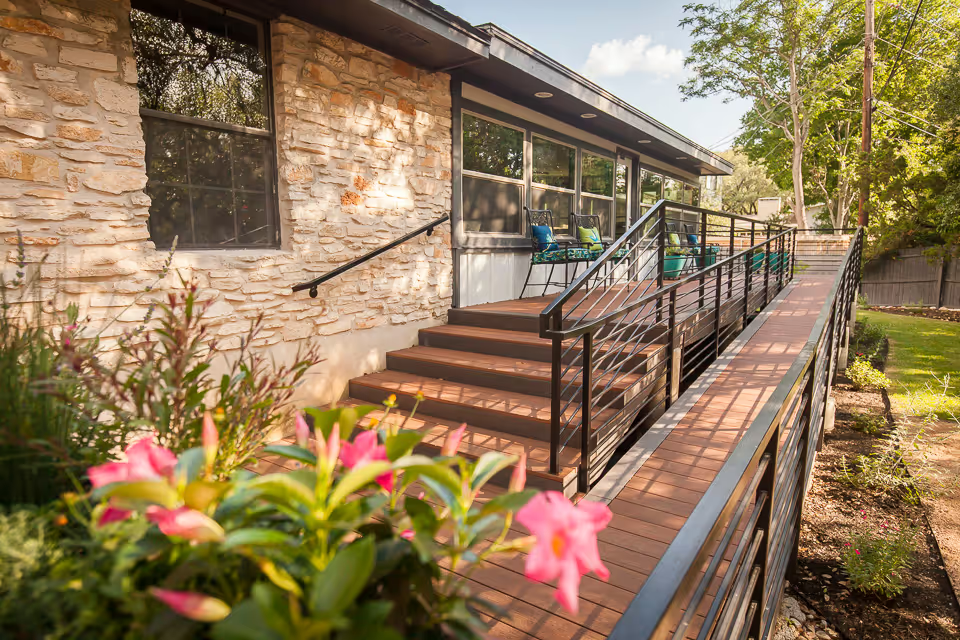
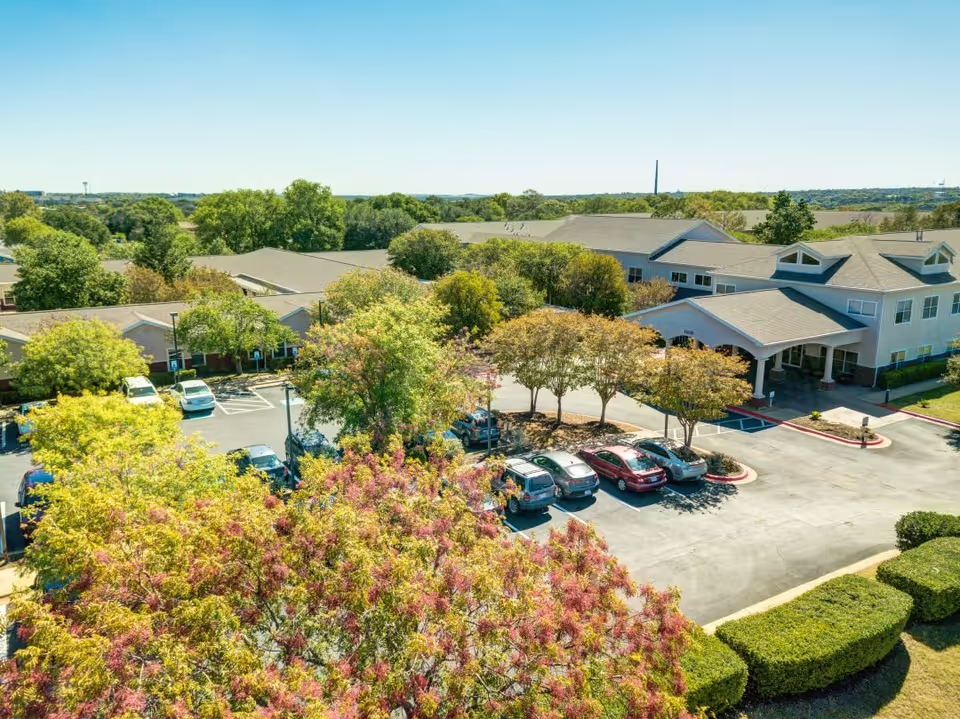
Asher Point Senior Living of Austin presents a mixed but generally favorable profile for prospective independent- and assisted-living residents. The property’s strongest features are its setting and physical amenities: reviewers consistently describe attractive, wooded grounds, interior courtyards, walking trails, and a variety of well-sized apartment layouts (from studios to two-bedroom units) with in-unit kitchenettes, patios, and washer/dryer connections. Common-area amenities cited positively include a movie theater, library, exercise room, salon/barbershop, and multiple social spaces. Ongoing renovation activity has refreshed many interiors, and several reviewers praised proactive maintenance leadership and welcoming, informative tours during move-in.
Care and staff performance elicit largely positive comments about direct-care interactions. Many families and residents described aides, dining-room staff, and housekeepers as kind, attentive, and responsive; on-site nursing and home-health resources are available and have been praised in multiple accounts. At the same time, a recurring operational theme is staff instability: reviewers noted high turnover, reliance on part-time or agency staff, and the operational consequences of staffing shortages. That instability ties into concerns about medication management and uneven clinical consistency for some residents—questions families should clarify during a tour and admission process.
Dining and activities are significant draws for many residents but show variability. Positive remarks include chef-led meals, buffet options, frequent programming (exercise classes, bingo, live music, happy hours, outings), and an active social calendar that fosters new friendships. Conversely, reviewers also described inconsistency in meal quality and variety (including comments about the salt content and limited diabetic options), occasional limited entrée choices, and gaps in weekend or off-hour offerings. Activity programming is broad, but some reviewers wanted more director-led events and proactive encouragement to participate rather than heavy reliance on resident-led activities.
Facility condition and cleanliness present a mixed picture. Numerous reviewers praised clean, well-maintained common areas and apartments, while others reported localized sanitation concerns such as stained carpeting, odors in certain wings, and pest-control issues. The campus’ multi-building layout creates both a campus-like atmosphere and practical challenges: amenities and services are spread across buildings, which can be difficult to navigate for residents with mobility limitations. Renovations are improving many spaces, but unfinished work and temporary disruption were mentioned.
Management and administrative practices show variability in experience. Several reviewers commended individual staff members and leaders for ownership, clear communication, and exemplary service. At the same time, persistent themes include inconsistent front-office follow-through, slow responses to some non-urgent maintenance requests, and concerns about billing transparency and deposit/refund handling. These administrative issues have prompted dissatisfaction in a subset of families and have sometimes influenced move-outs.
Notable patterns for prospective families: many residents report good quality of life, strong social engagement, and a sense of safety and value—particularly for independent living. Key operational risks to evaluate in person include current staffing stability, the facility’s plan for completing renovations, housekeeping and pest-control protocols, kitchen/menu practices (including accommodations for dietary needs), and the specifics of assisted-living capacity and transfer procedures should care needs escalate. A targeted tour that asks for staffing ratios, sample menus, housekeeping schedules, copy of the resident contract (deposit/refund clauses), and the timeline and scope of renovations will help align expectations with the community’s strengths and known weaknesses.