Arden Courts Austin is a memory-care-focused community that families often choose for its dementia-specific layout, experienced caregivers, and warm, home-like atmosphere. Many family members describe residents settling in well, becoming engaged, and receiving attentive care tailored to their needs. Reviewers also value staff support during difficult transitions and, in some accounts, during residents’ final days. The overall feedback on care is strongly positive, though experiences are not uniform.
Staff are frequently praised for kindness, patience, dementia-care knowledge, and familiarity with residents. Families often describe clear updates from nurses and other staff, help with move-in processes, and a welcoming approach to questions. Long staff tenure is a recurring strength and is seen as supporting continuity. However, some accounts describe staffing pressure, especially on weekends, and others report leadership changes, unanswered concerns, or inconsistent follow-through. A few reviewers also raised concerns about staff conduct and personal-care consistency; these accounts differ from the more common descriptions of respectful, attentive care.
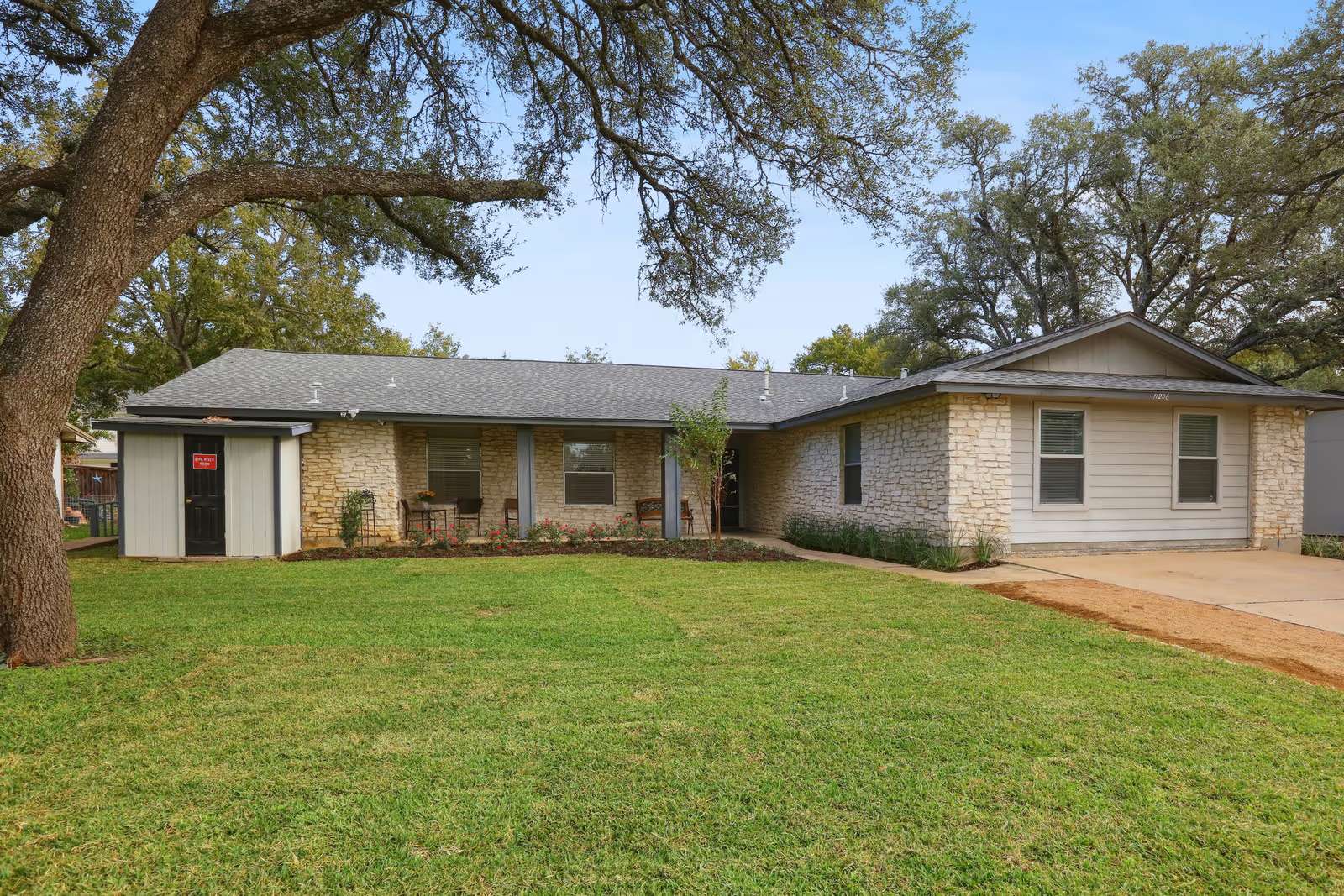
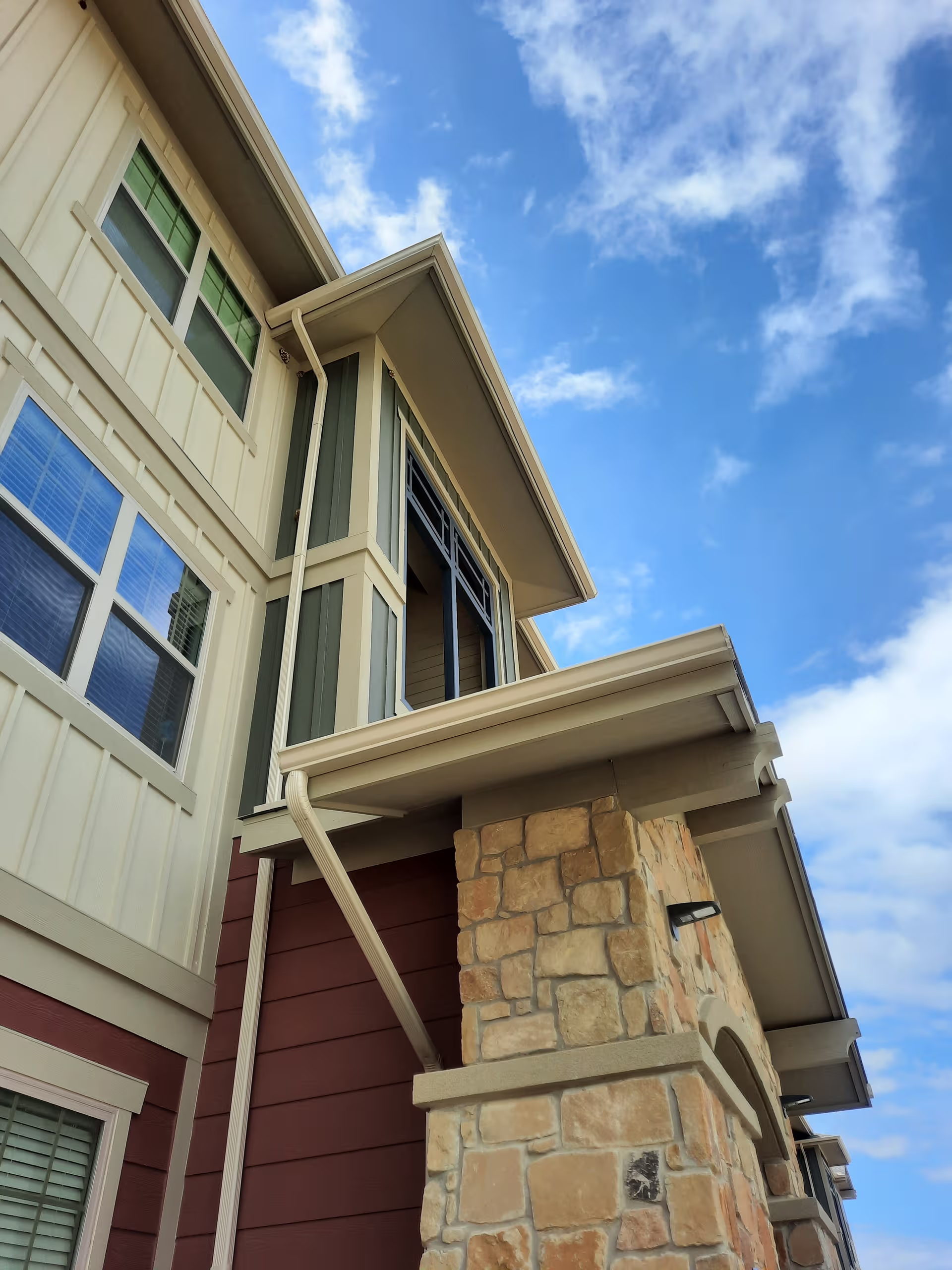
Activities are a notable strength. Reviews describe programs offered throughout the week, including music, exercise, games, live entertainment, and activities adapted to residents’ interests. The grounds and layout are also frequently appreciated: residents can move around indoors and use secure gardens, courtyards, porches, and walking paths. The building is commonly described as clean and comfortable, with a familiar residential feel. Some visitors, however, find the property older or dated, and describe rooms as small or compact.
Dining feedback is mostly favorable, with families praising portions, flavor, and meals that helped some residents eat or gain weight. Other accounts describe cafeteria-style food or inconsistent quality, so prospective families may want to ask about current menus and sample a meal. Reviewers also note that Arden Courts is designed for memory care rather than higher-acuity skilled nursing; one family said its needs for continuous on-site nursing support were beyond what the community could provide, while other reviews describe nursing availability and responsive clinical staff. One reviewer raised a dispute concerning decision-making authority and a resident’s ability to leave; this serious account is not corroborated by the broader set of reviews. A separate account raised concerns about hospice coordination. Families should clarify admission criteria, clinical coverage, care escalation, decision-making procedures, and hospice arrangements during a tour.