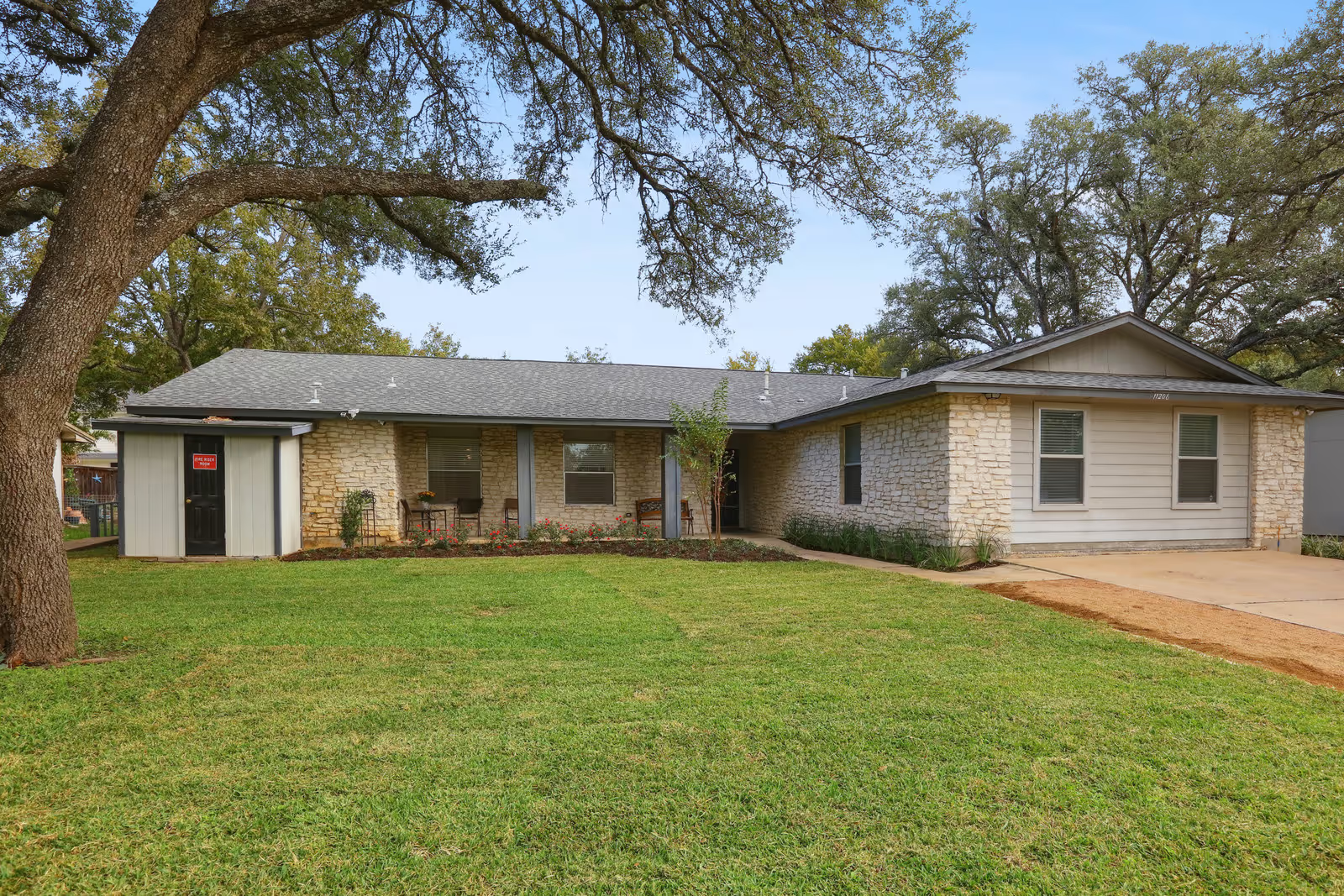
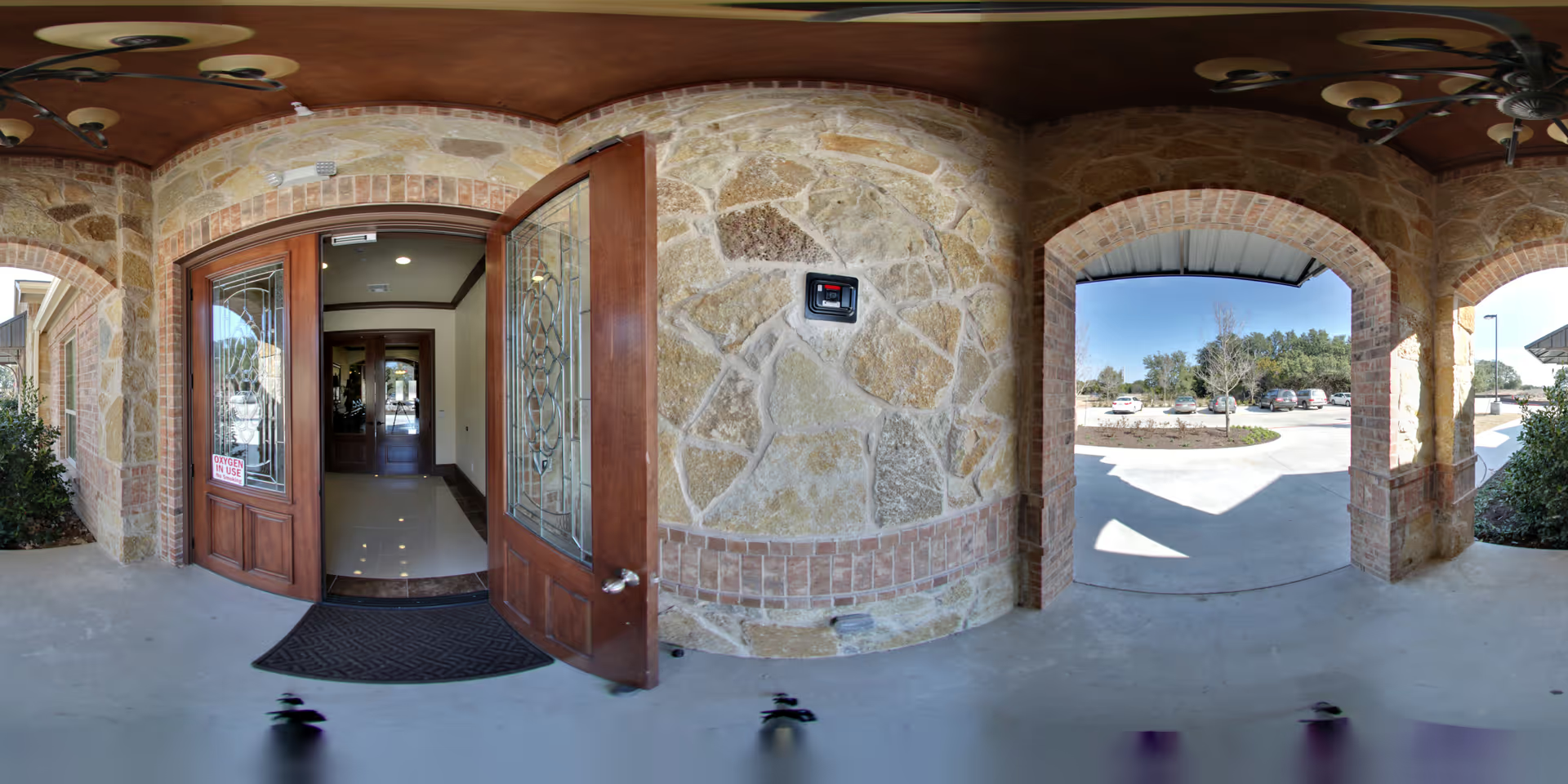
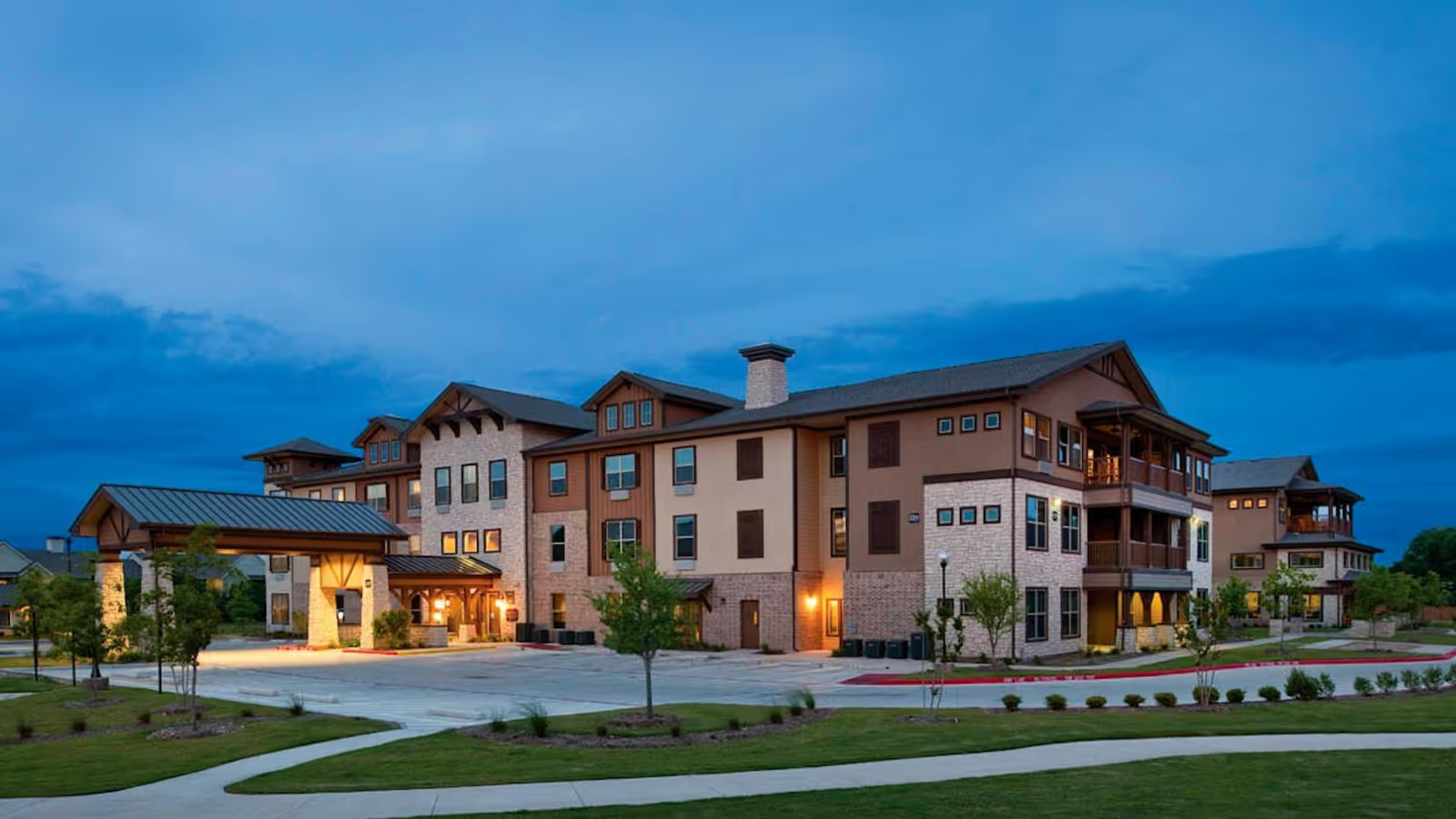
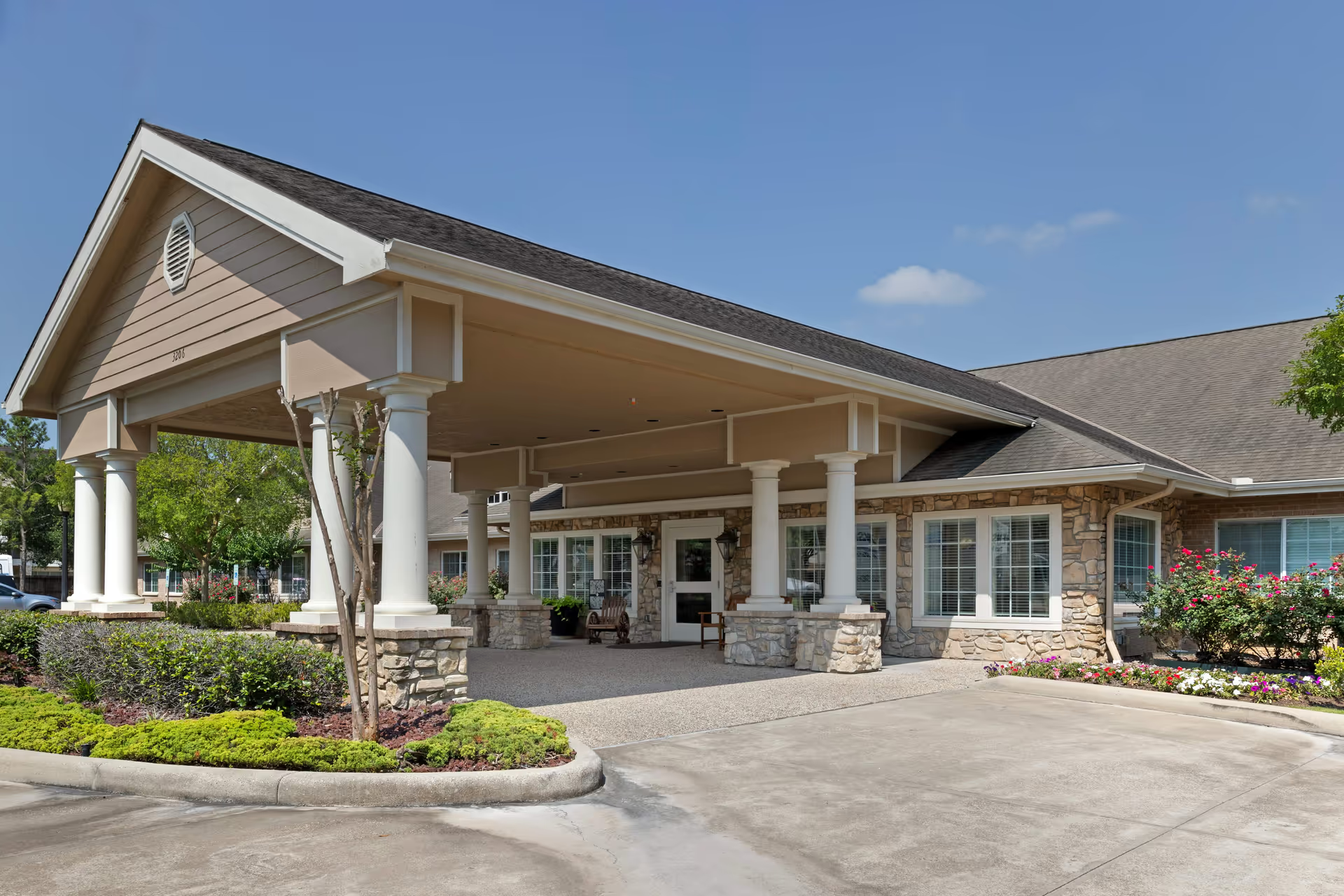
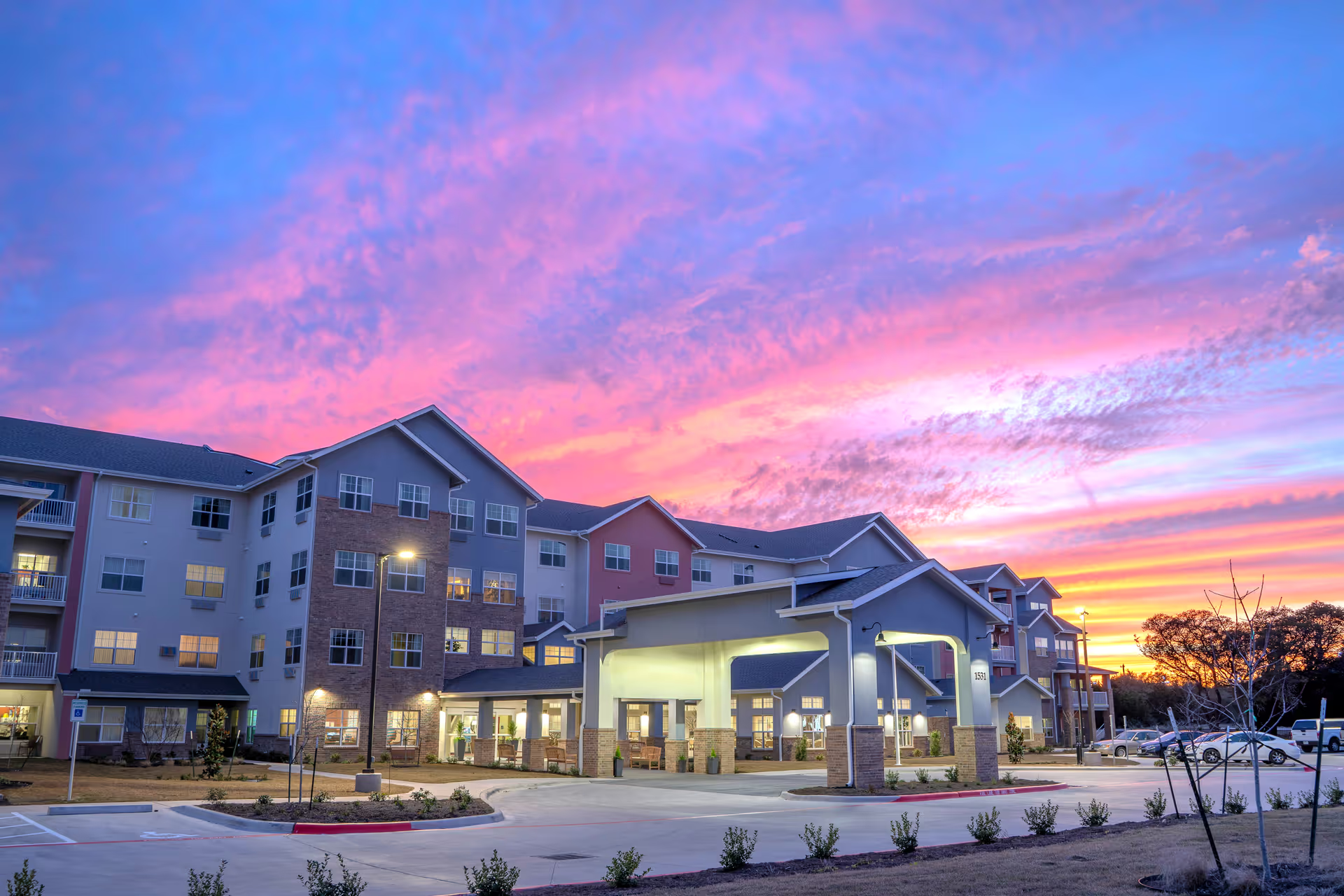
The Enclave at Cedar Park is a relatively new, bright community with a long list of on-site amenities and a clear focus on social programming. Many accounts highlight the building design, plentiful common spaces, outdoor areas, salon/barbershop, and in-unit conveniences such as washer/dryer and full-kitchen options. Families often describe the community as welcoming and home-like, with visible attention to decor (fireplaces, library, activity center) and an active calendar that includes exercise classes, games, movies, parades, and themed events.
Care quality and staff performance elicit mixed but specific patterns. Numerous comments praise direct caregivers, memory-care leadership, and individual staff members who provide compassionate, hands-on support; hospice and end-of-life support are also cited positively. At the same time, reviewers identify operational weaknesses that affect consistency of care: staffing shortages and turnover — especially in kitchen, housekeeping, and night/weekend shifts — appear to undermine continuity. Several families described concerns about medication handling and nursing follow-through, indicating variability in clinical coordination from shift to shift.
Dining is a prominent area of divergence. Some describe extensive menus, freshly prepared meals, and pleasant dining rooms; others report service disruptions, cold food, meal delivery in single-use containers during quarantine periods, long wait times to order, and insufficient accommodation for special diets (diabetic and low-salt requests). The facility’s ability to deliver consistent meal quality and dietary customization appears dependent on current staffing and kitchen management, which reviewers say has changed over time.
Activities are consistently noted as a strength when staffing and infection-control measures allow. The community is credited with a robust activity staff and programming that engages residents across care levels; reviewers describe these programs as a key contributor to resident well-being and socialization. COVID-era restrictions reduced communal dining and in-person activities for a period, and families indicate that recovery to pre-pandemic levels has been partial and uneven.
Facility maintenance and management impressions are mixed. Maintenance responsiveness and some individual leaders (including named memory-care and executive directors) receive strong praise for communication and problem-solving. Conversely, reviewers describe variability in building-finish quality and ongoing repairs, occasional sanitation/pest-control concerns, and inconsistent housekeeping performance. Several more serious operational concerns are raised by families — including allegations of resident property mishandling, questions about incident investigations, and disputes over billing or refunds — that underscore the importance of contract clarity and follow-up procedures.
Notable patterns: experiences tend to polarize — many families are highly satisfied and recommend the community, citing staff compassion, activities, and facility amenities; a smaller but consequential set of families experienced operational failures significant enough to prompt moves out or formal disputes. Prospective residents and families would benefit from focused questions on current staffing ratios, weekend/off-shift coverage, dining trial options and dietary accommodation policies, medication management procedures, incident-investigation protocols, pest-control records, and contract/billing terms during a tour. Overall, The Enclave offers a well-appointed, active environment with strong elements of person-centered care, but its operational consistency appears sensitive to staffing stability and managerial follow-through.