Overall impression: Review content paints a largely positive picture of Shenandoah Villa as a small, family-operated assisted living that emphasizes personalized, home-like care. Many accounts highlight attentive, warm staff, an experienced administrator, and strong resident–staff relationships; the facility’s limited size is repeatedly framed as an advantage for individualized attention and continuity. At the same time, a minority of accounts raise serious concerns about care consistency and oversight that prospective families should investigate.
Care and clinical oversight: Multiple reviewers emphasize careful, detail-oriented clinical care — including accurate medication administration, post-stroke support, reliable eye‑drop and medication routines, and reassurance during infection-control events. These descriptions suggest established medication procedures and staff competency. However, there are also statements indicating lapses in responsiveness and medication oversight in at least one account. This creates a pattern-level observation of variability: the facility appears capable of delivering high-quality clinical care but may have episodic inconsistencies in staff conduct and oversight. Prospective families should confirm current medication-management protocols, staffing ratios, and clinical oversight practices during a tour.
Staff and culture: The facility is described as family-run with longstanding staff who create a warm, familial atmosphere. Reviewers name individual caregivers positively and cite compassionate interactions and meaningful connections between staff and residents. The small scale supports personalized attention, though it also introduces a tradeoff: limited staffing depth can increase vulnerability to variability across shifts. Families should ask about staff training, turnover, and contingency staffing plans to understand how continuity is preserved.
Dining and activities: Dining is a consistent strength in the feedback. Meals are characterized as freshly prepared, home-cooked, nutritious, and accommodating to special diets (including diabetic menus). Reviewers report good variety and enjoyment of food. Activity programming is modest but meaningful for a small facility — planned daily routines, birthday celebrations, and periodic live music (weekly pianist) are specifically mentioned. These elements support social engagement and a homelike daily rhythm.
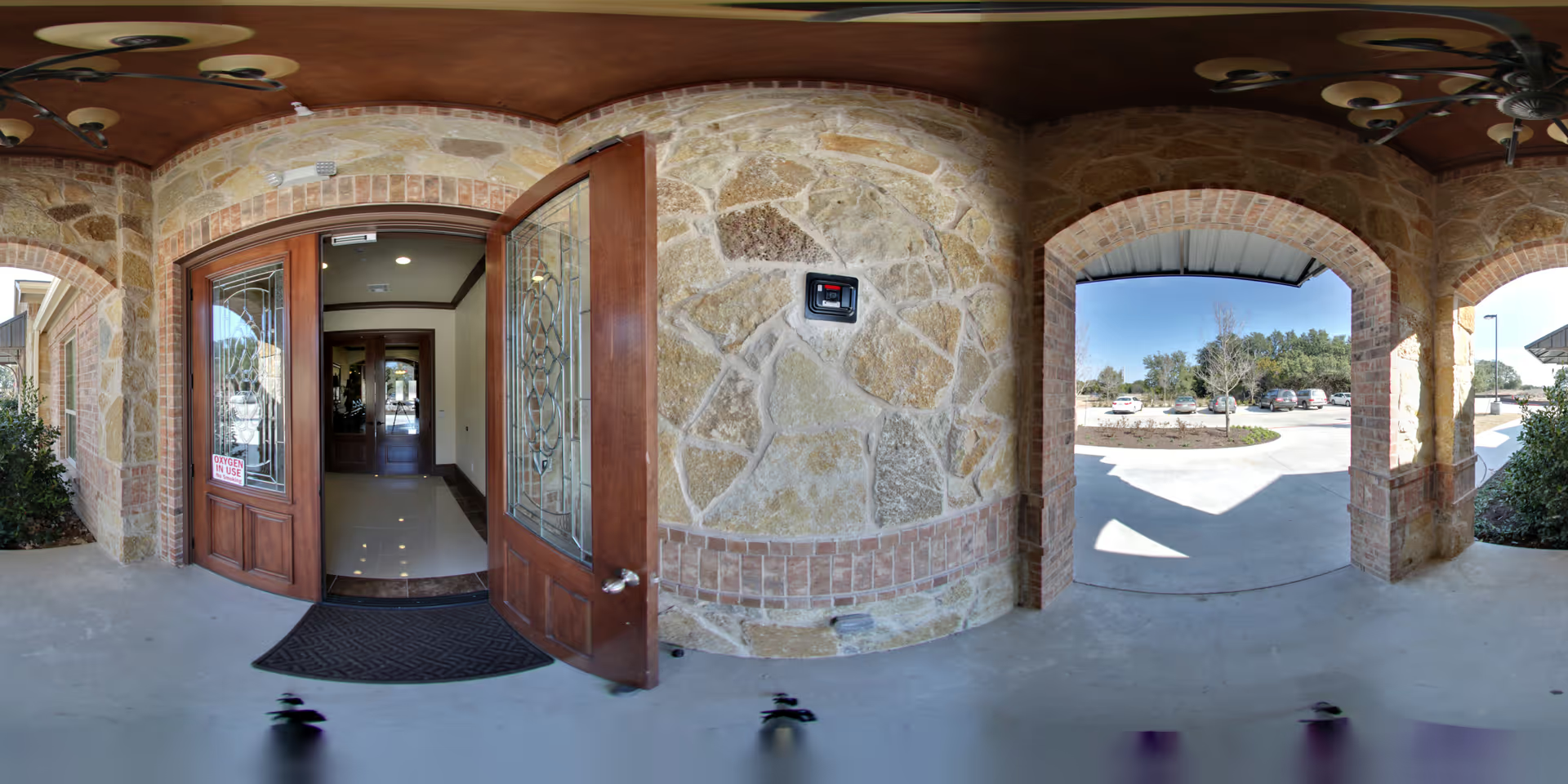
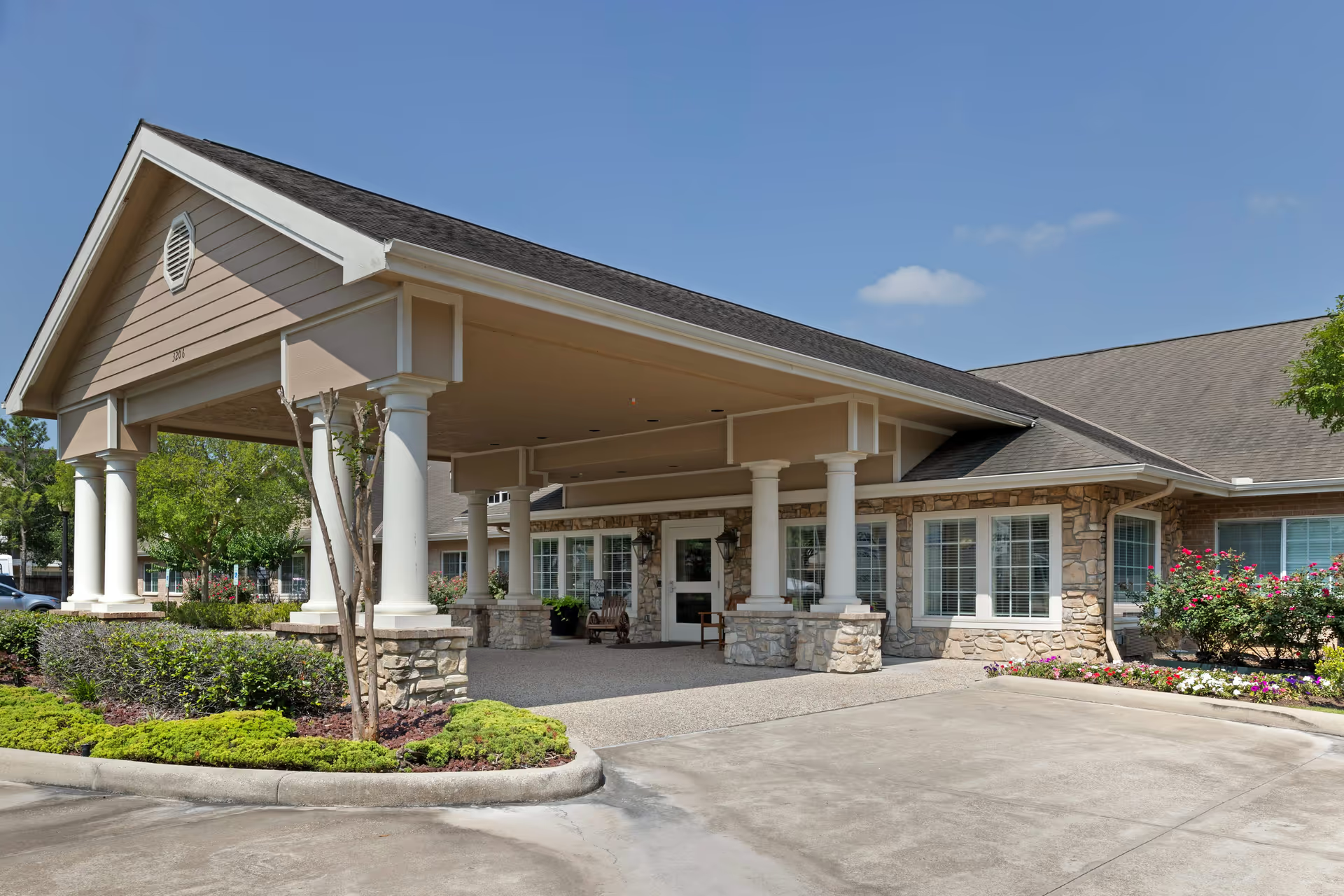
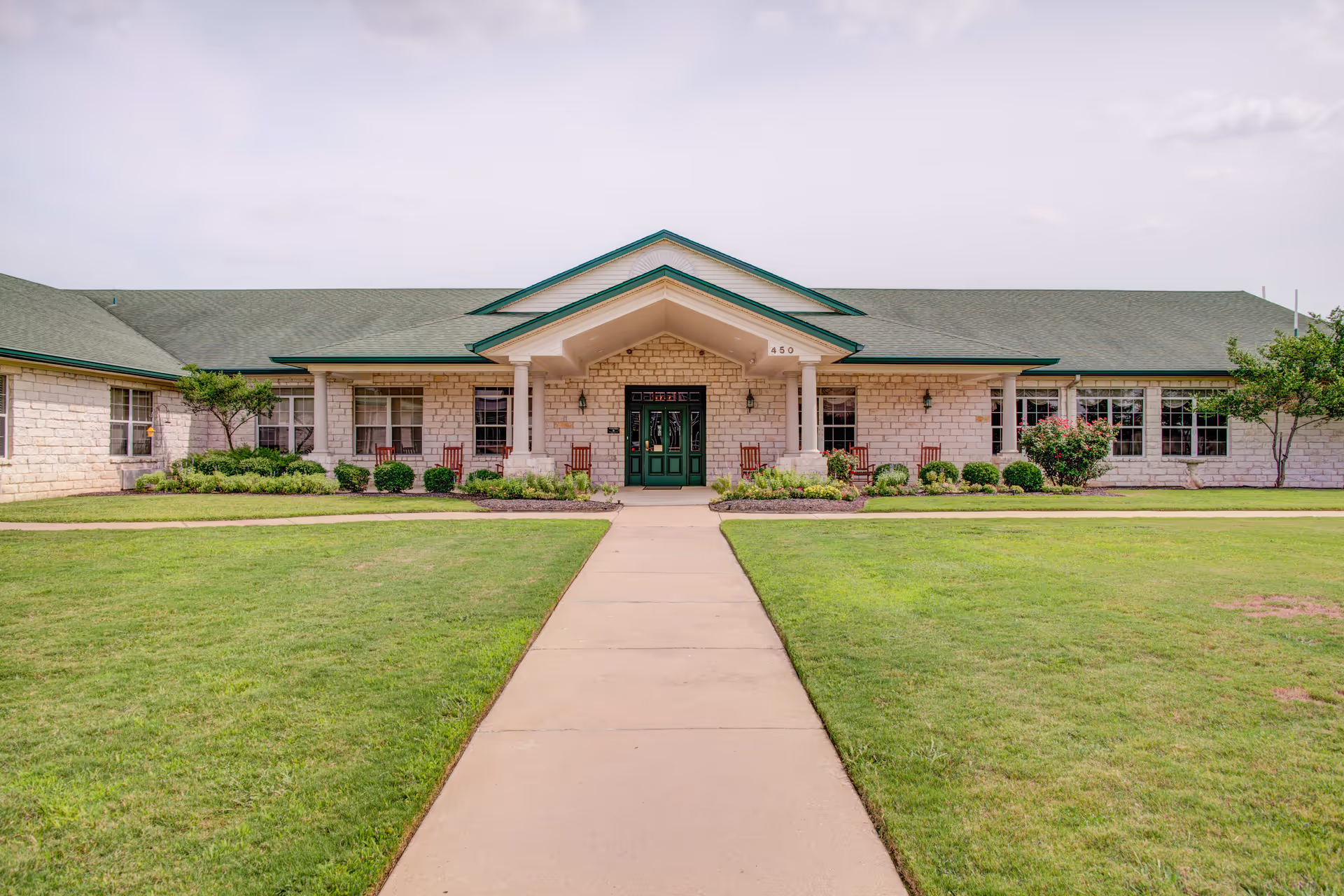
Facilities and operations: The physical environment is described as quaint, clean, bright, and well maintained, with pleasant odors and an overall tidy presentation. Private rooms with baths and shared shower options are available; cleanliness and daily personal-care routines are cited positively in many accounts. At the operational level, a few reviewers expressed sanitation-related and incontinence-care concerns; combined with the isolated critical account, this suggests the need to verify housekeeping, laundry, and incontinence protocols during an inspection.
Management and business practices: Management is generally viewed as experienced and involved; the family-owned model is linked to personalized decision-making and responsiveness during COVID (e.g., window visits). One serious account raised concerns about perceived financial priorities affecting care decisions. While most reviewers commend management, prospective residents should review contract terms, billing practices, and the facility’s approach to resident transfers to understand how financial considerations are balanced with clinical needs.
Notable patterns and recommendations: The dominant themes are personalized, compassionate care, strong meal service, and a clean, home-like setting appropriate for post-stroke and assisted-living needs. Counterbalancing this are isolated but significant concerns about inconsistent conduct, hygiene/incontinence-care practices, and medication oversight. For families considering Shenandoah Villa, a recommended approach is to tour the facility, observe multiple shifts if possible, request written policies on medication administration and incontinence care, review staffing levels and back-up plans, and clarify financial and transfer policies. These steps will help confirm whether the facility’s prevalent strengths are consistently applied to an individual prospective resident’s needs.