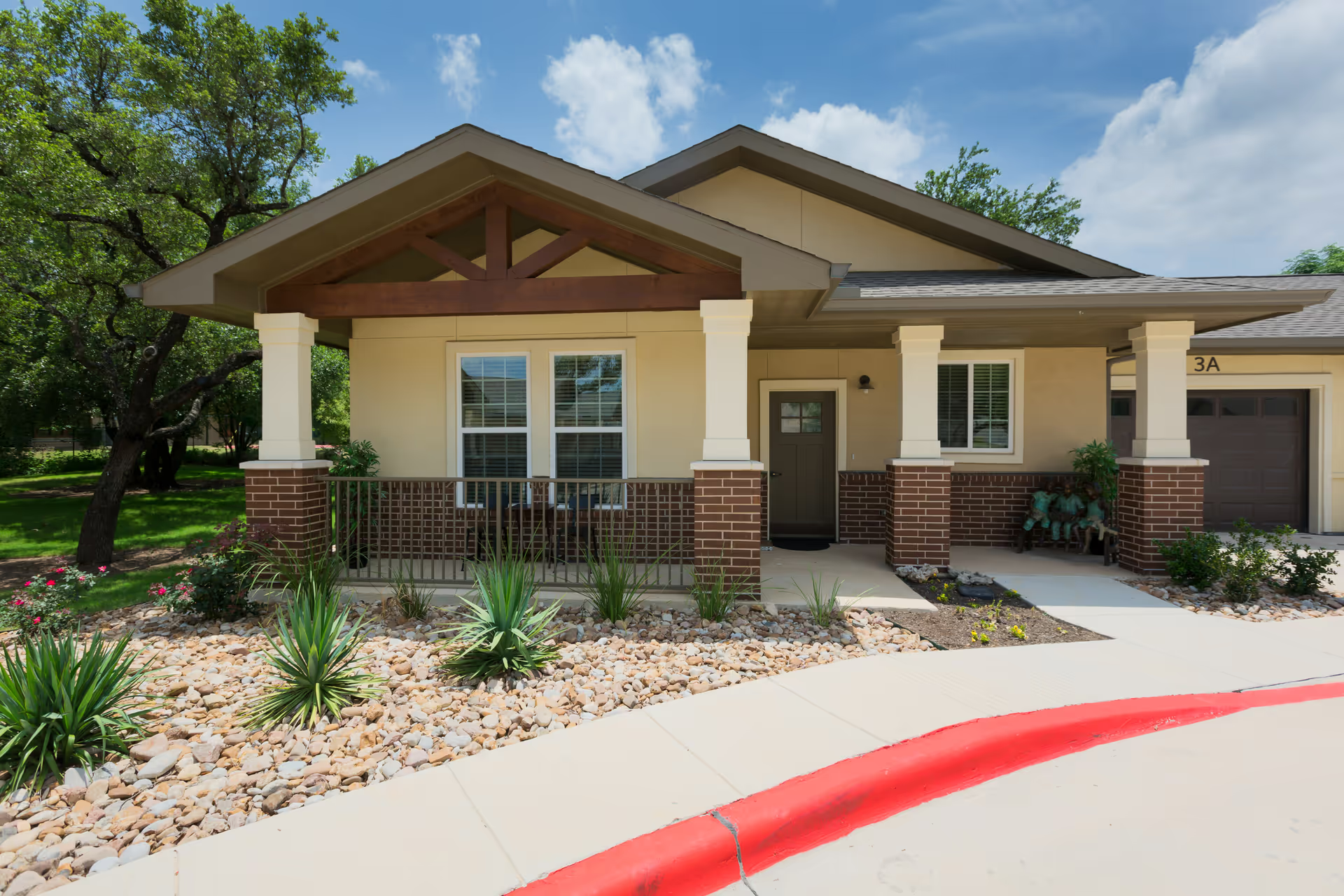
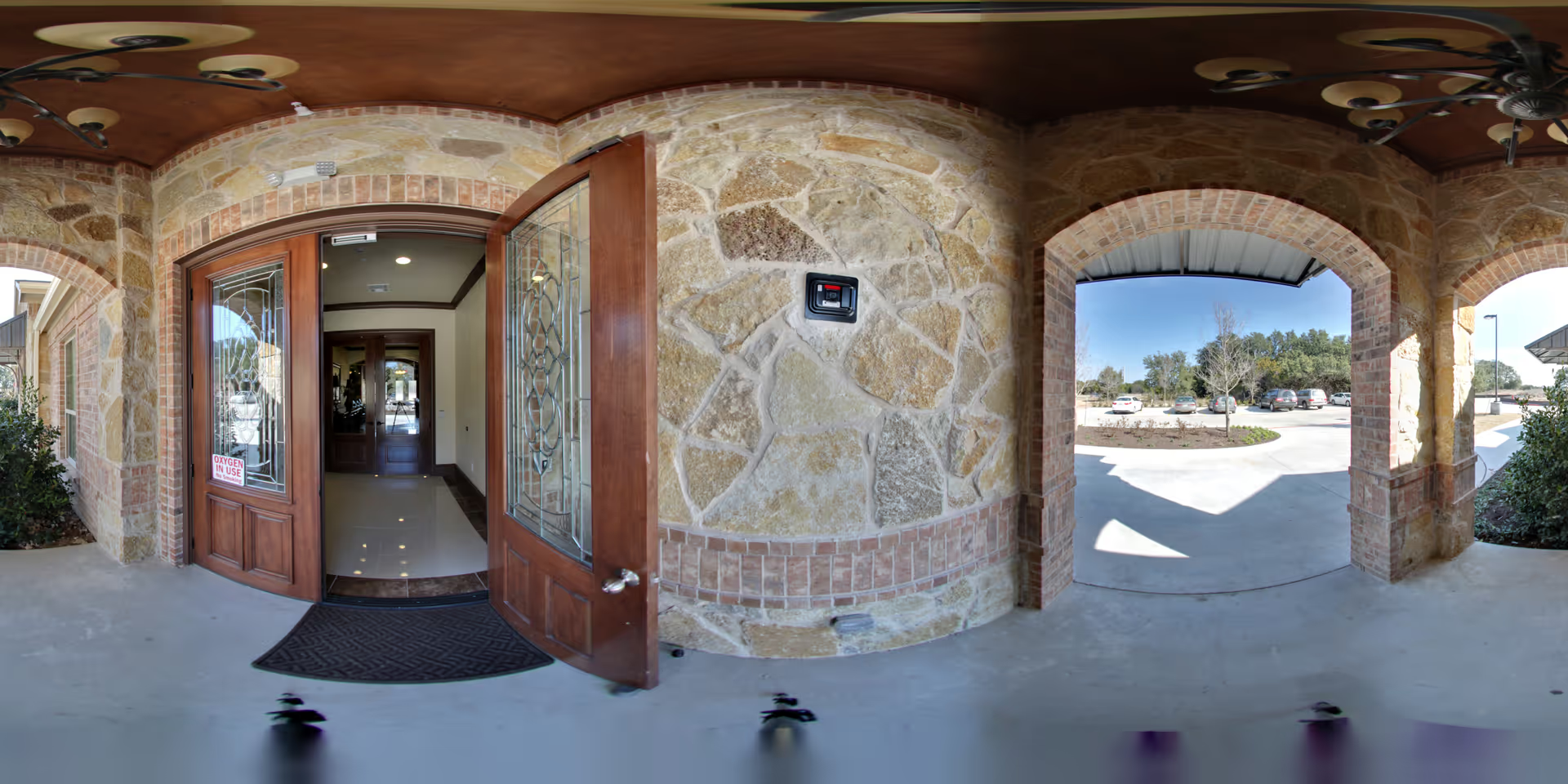
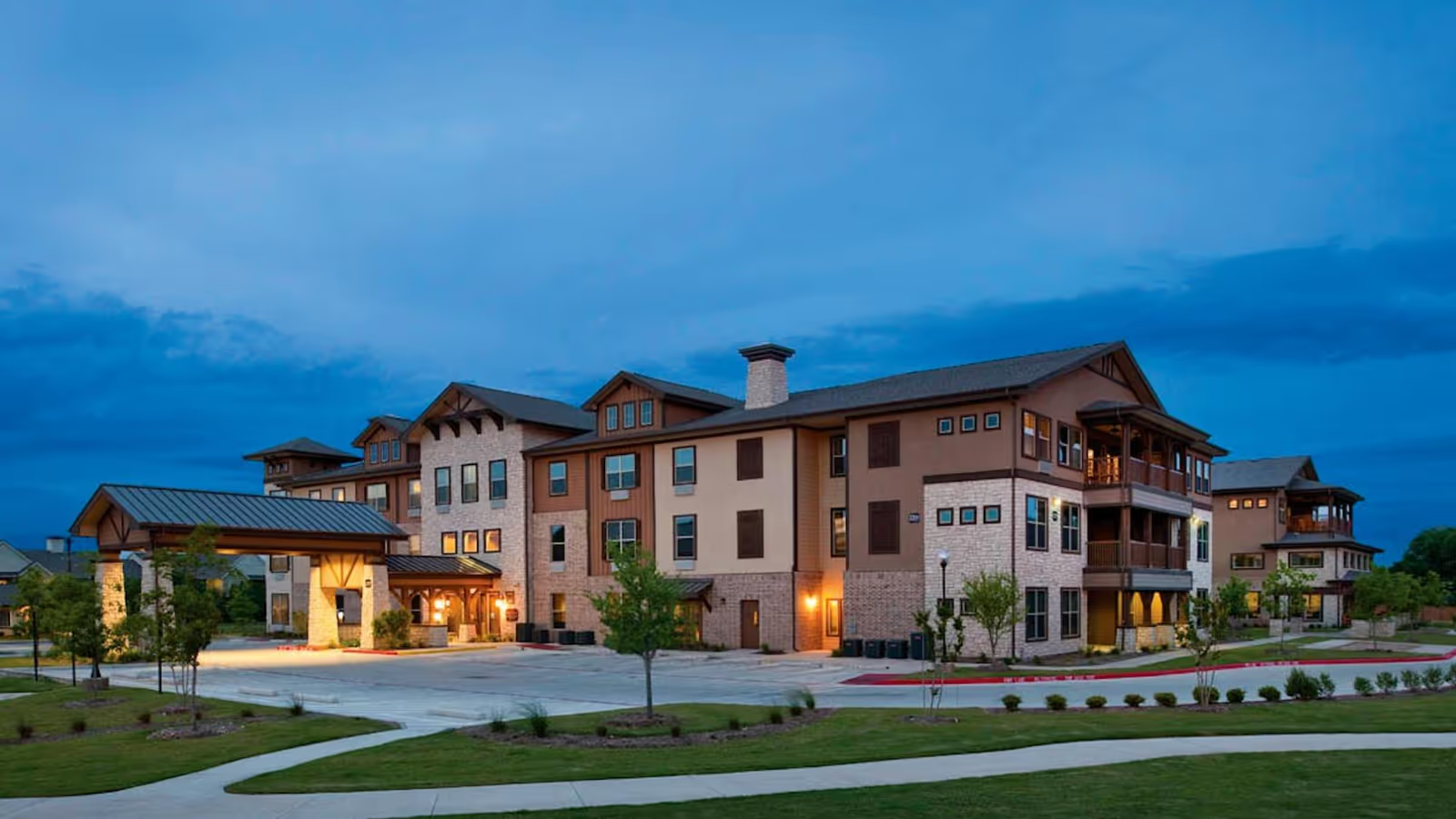
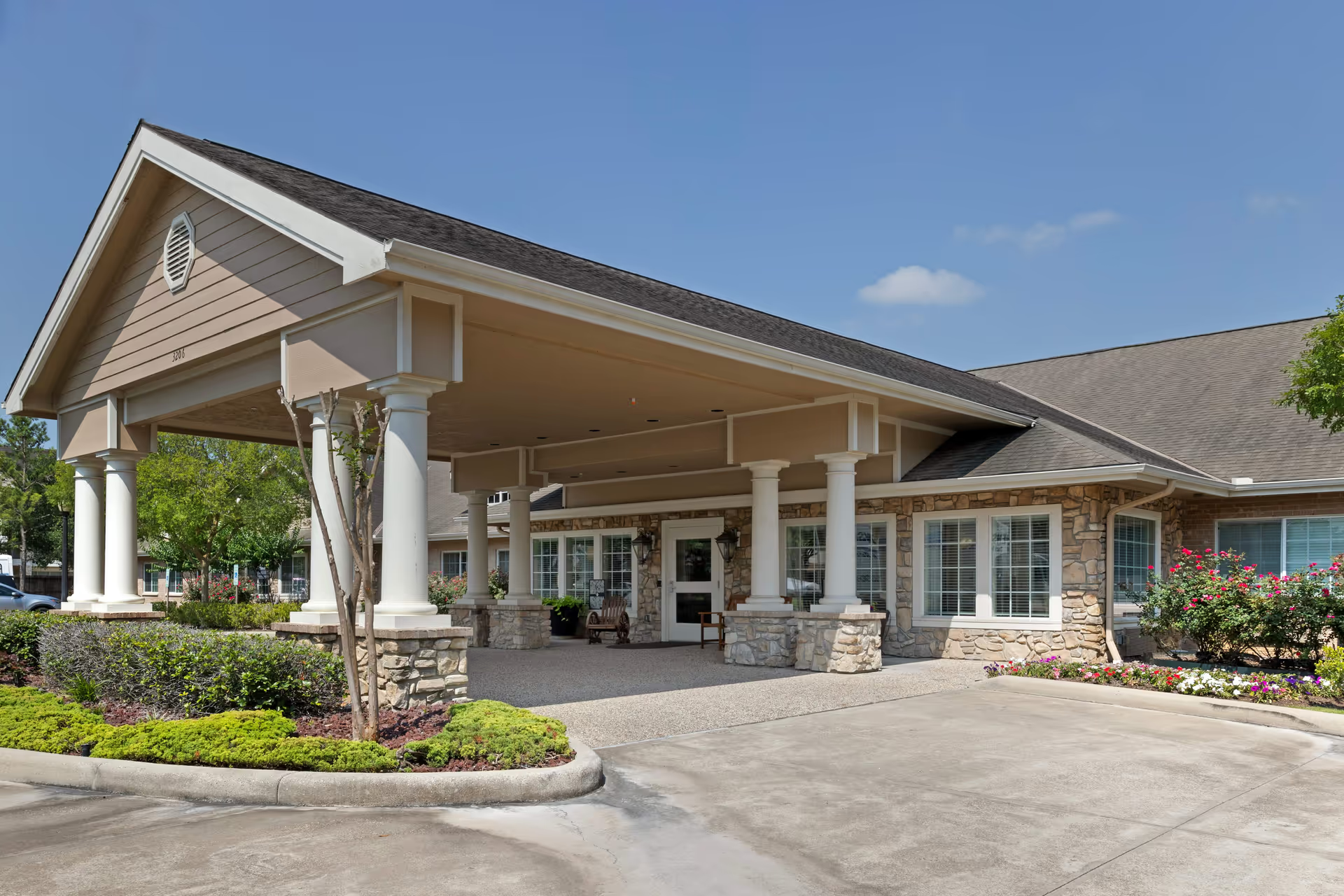
Silverleaf Eldercare at Lakeline presents as a small, boutique-style assisted living environment that many families describe as homelike, well-maintained, and community oriented. Positive themes across the feedback emphasize attentive, compassionate caregiving, personalized attention, strong maintenance and cleanliness in many areas, and a sense of safety and companionship. Several accounts highlight effective clinical supports such as 24/7 care, medication management, physical therapy progress, behavioral-therapy support for memory care, and attentive hospice services.
Staff quality and overall care are frequently cited strengths. Reviewers commonly describe caregivers as warm and family-oriented, with staff involvement extending to activities, therapy, and individualized assistance. Multiple mentions of owners by name reflect that visible, hands-on management is an important part of the facility’s identity for many families. At the same time, there are reports indicating inconsistency in some aspects of staff conduct and clinical follow-through; a few reviewers described concerns about the tone of communication and examples of missed or delayed medication administration. Prospective residents and families may wish to request clarification on staff training, medication-administration protocols, and incident reporting procedures when visiting.
Dining and nutrition are generally described positively — with references to chef-prepared or home-cooked meals and meal service enjoyed by residents. However, there are conflicting accounts about how meal preparation is staffed and whether kitchen operations are consistently separate from other care tasks. These inconsistencies suggest it is prudent to confirm meal-service continuity, food-safety practices, and staffing patterns (including whether a dedicated cook is on-site) during a tour.
Activity programming is another commonly praised area: group exercise, singing sessions, outings, dexterity-focused activities, and social events contribute to an engaging environment for many residents. Memory-care supports such as behavioral-therapy interventions were also noted. That said, some operational limitations were raised — notably that bedbound residents may have reduced access to group activities, and shared-room configurations can limit privacy and participation for residents with higher support needs.
Facility condition and capacity impressions are mixed. Many reviewers emphasize a bright, well-appointed interior, cleanliness, and responsive maintenance, while other accounts describe sanitation and odor concerns in some common areas and possible overcrowding where three-person rooms exist. Management presence is viewed positively by many families but also criticized by others for being inconsistent; paired with concerns about pricing or perceived value, this creates a split impression about administrative reliability.
Overall, the facility appears to offer a high level of personalized, community-focused care for many residents, backed by clinical supports and active programming. At the same time, the feedback includes operational concerns that merit direct questions from prospective families. Recommended items to verify on a visit include sanitation and incontinence-care protocols, medication-administration procedures and documentation, meal-service staffing and food-safety practices, room occupancy configurations, and the owners’ day-to-day management presence. These checks will help determine whether the facility’s positive qualities align with a given resident’s needs and expectations.