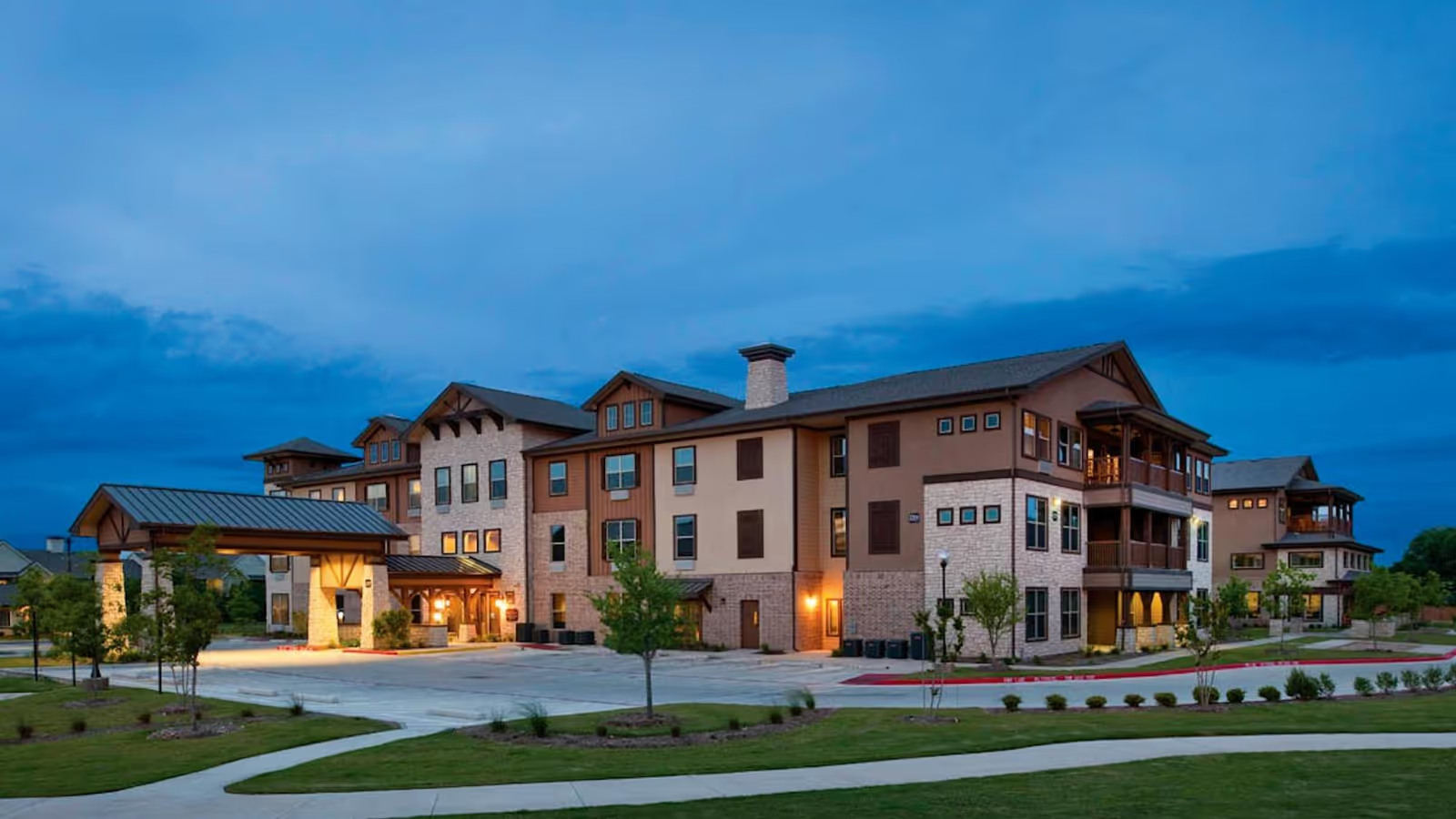
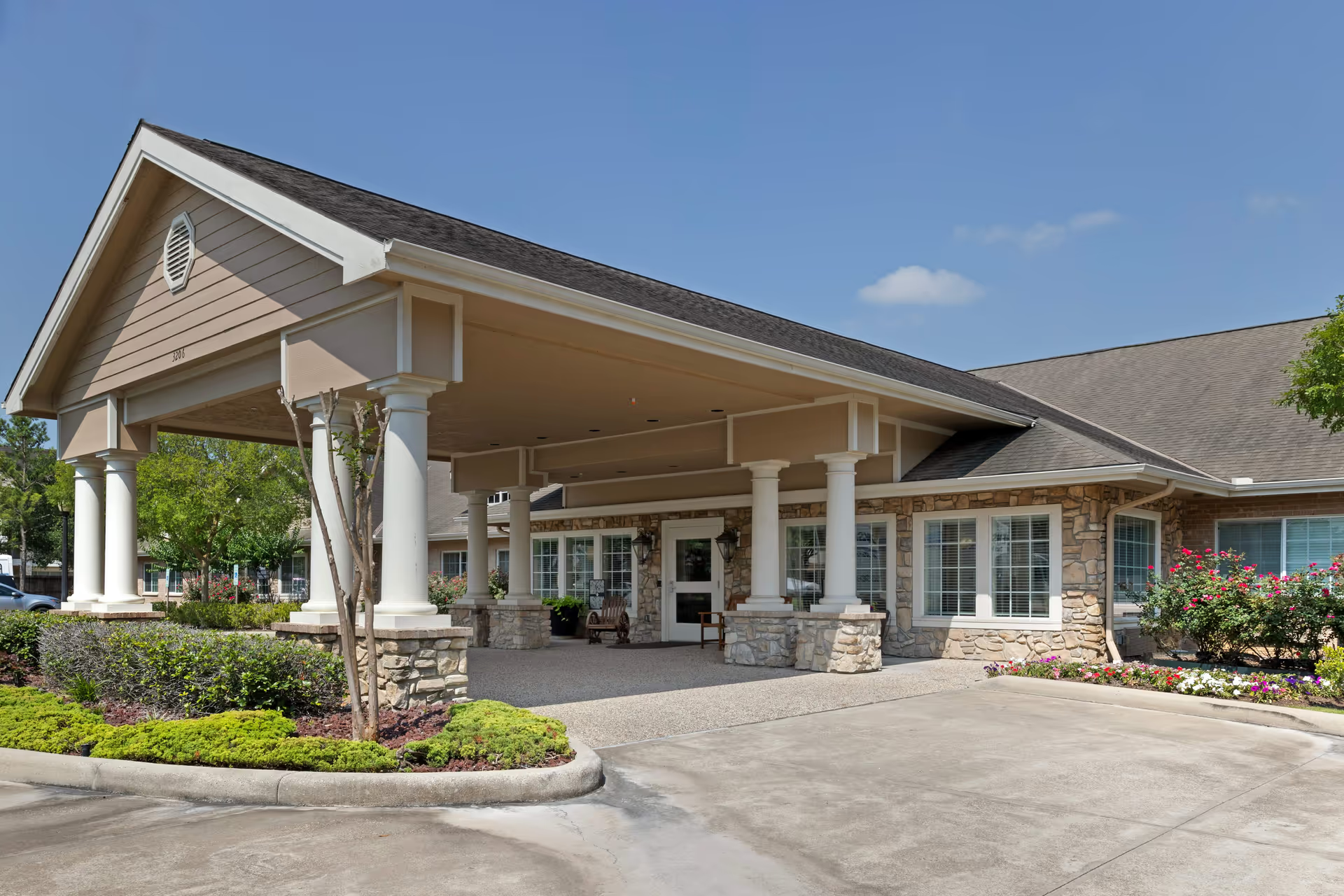
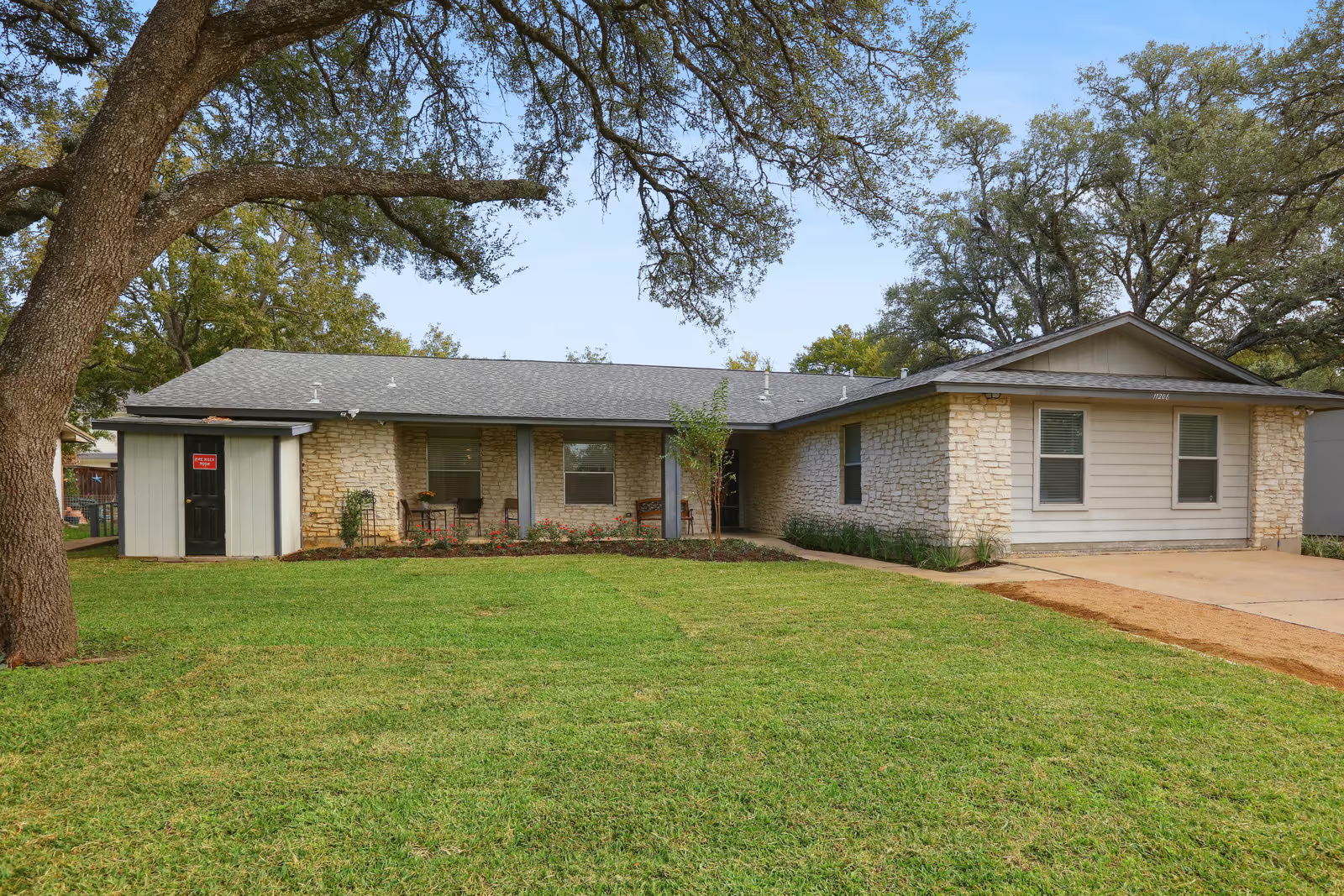
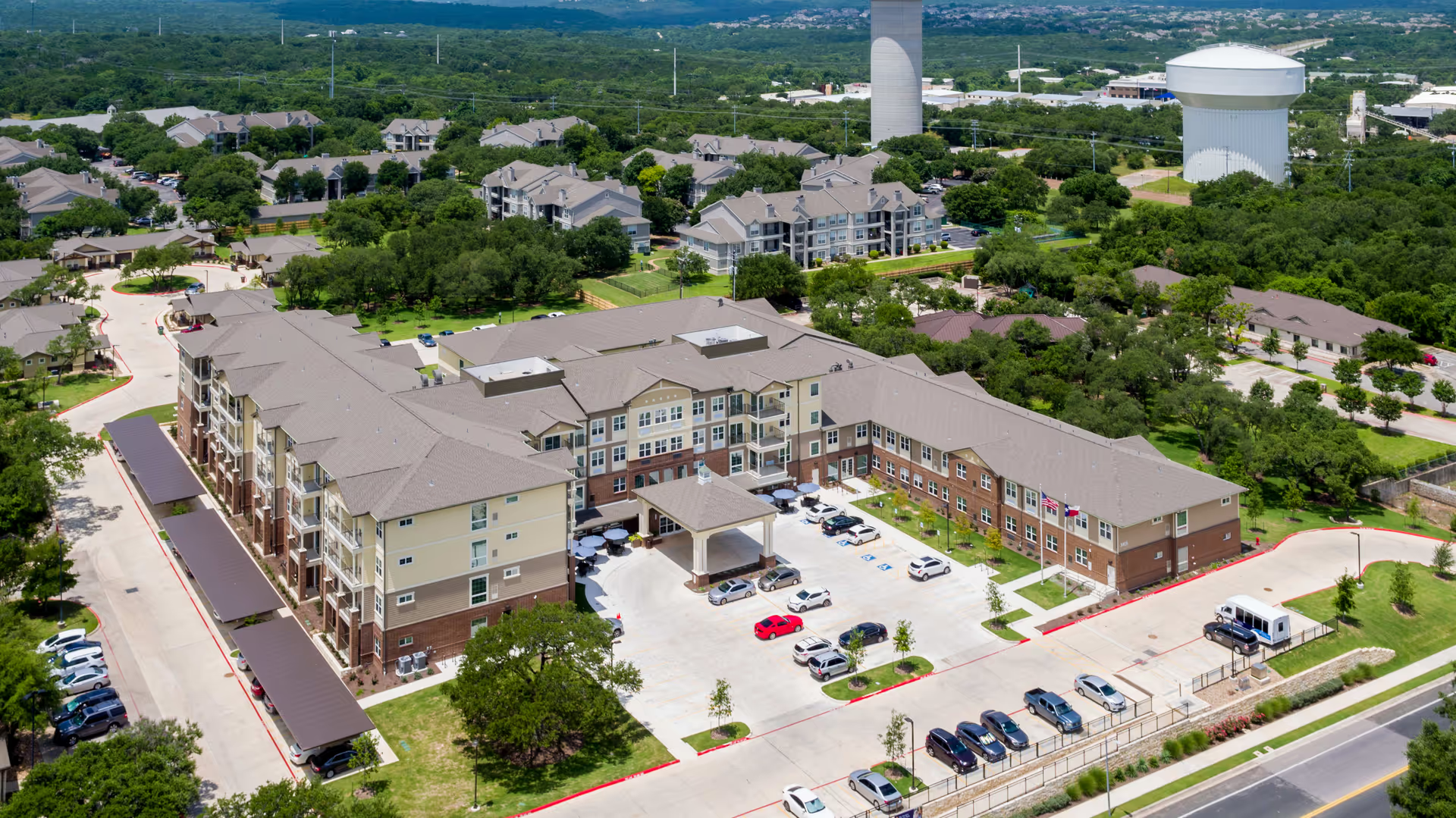
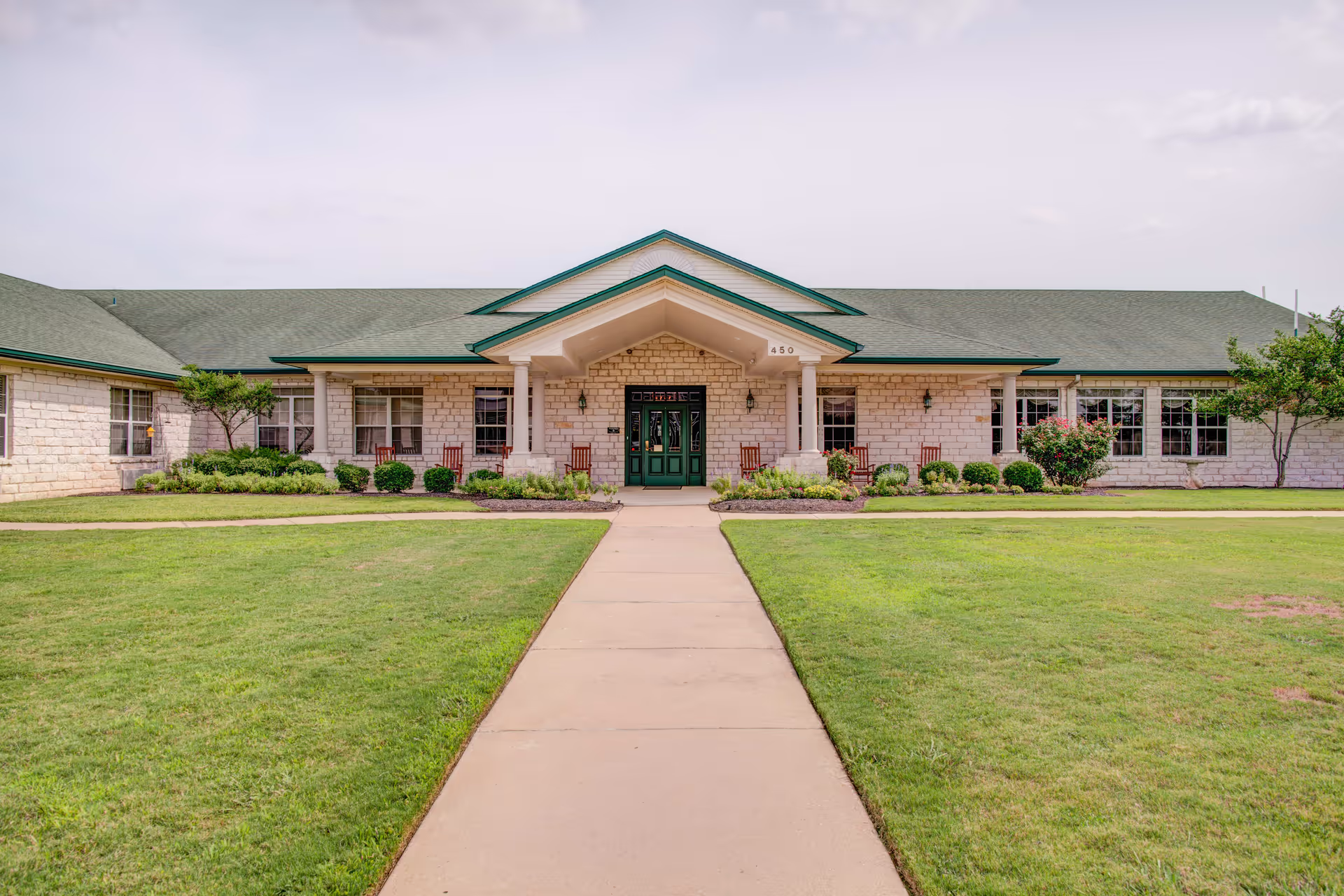
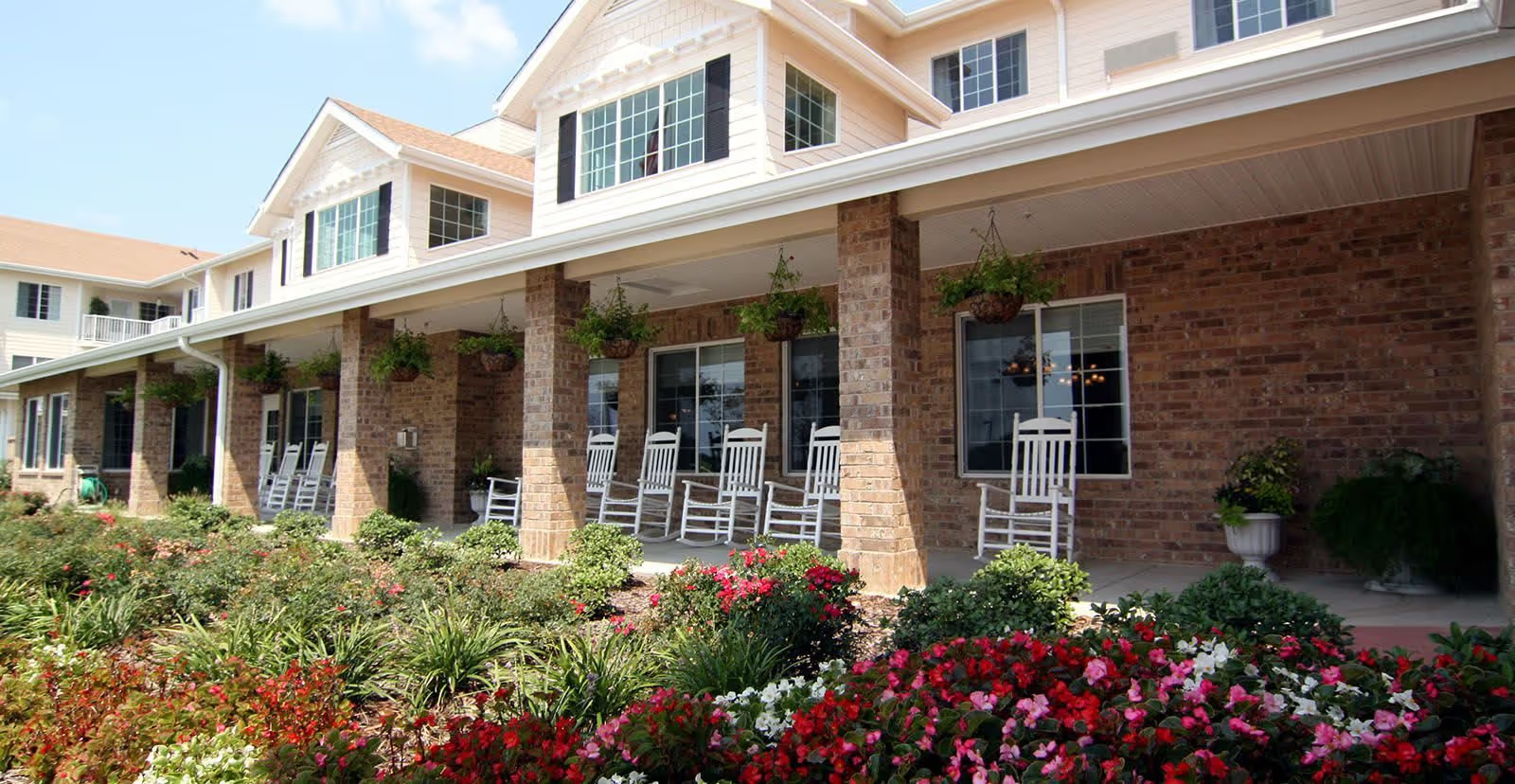
Overall impression Avalon Memory Care is frequently described as a small, home-like memory care community with a strong emphasis on compassionate, dementia-trained caregiving. Families commonly cite attentive, patient staff who provide personalized, family-style care, and they often highlight the facility’s hands-on owners, hospice-friendly approach, and a generally safe, dignified environment. The community’s physical attributes — large sunlit rooms, updated bathrooms, art on the walls, and plentiful common-area seating — support a residential feel that many families find comforting.
Care and staff Care quality is the most consistently praised element. Reviewers emphasize a high staff-to-resident ratio, caregivers who spend extra time with residents, and staff who are skilled with memory-care needs. Staff are often described as compassionate, respectful, and willing to accommodate family involvement; several accounts note smooth admissions and strong support during transitions. At the same time, there are operational concerns to probe further: reviewers describe staffing shortages at times, delayed responses to call buttons, and questions about medication administration and monitoring. These are functional issues you should verify during a visit and in contract/clinical-policy review.
Dining and activities Dining receives positive comments for home-cooked, family-style meals and a varied menu; many families appreciated a communal meal setting and regular, comforting offerings. Activity programming is a mixed pattern: when an active director and volunteers are present, programming is creative and engaging (reading, music, games, outings), but other accounts describe limited or developing activity schedules. Prospective families should ask for a weekly activities calendar and details about staff or volunteer commitments to sustain programming.
Facilities and environment Physical spaces are generally well regarded — large, bright rooms, clean linens, and a cozy decor that supports socialization. Several reviews mention a calm, nurturing atmosphere and well-kept common areas. However, there are inconsistent accounts of cleanliness and general maintenance; a subset of visitors reported worn or poorly presented areas and interior spaces that felt dark. Outdoor space is limited and interior lighting can be subdued in places. Shared-room options and occasional space constraints are part of the trade-offs in a smaller community.
Management and administrative matters Management visibility is a recurring positive: hands-on owners and accessible leadership are frequently noted and appreciated. Conversely, some families describe variable administrative responsiveness and accountability, including difficulties with follow-through from central office. Serious operational concerns appear in a small number of accounts — notably allegations of theft and questions about medication handling — which merit careful inquiry. Also review contract terms closely: reviewers mentioned high costs, community fees, and limited flexibility around some fees and notice periods.
Notable patterns and recommendations The dominant pattern is strong, person-centered caregiving within a small, home-like setting. Important caveats are operational inconsistencies that can affect daily life: staffing and call-response variability, uneven activity programming, maintenance and sanitation variability, and serious but less frequent allegations around security and medication processes. For prospective residents and families, a recommended due-diligence checklist would include touring multiple occupied rooms at different times of day, asking for written medication- and security-procedures, requesting a current staffing schedule, reviewing the activities calendar, examining contract fee language and notice provisions, and confirming cleaning/maintenance protocols. These checks will help determine whether the facility’s strengths align with an individual resident’s priorities and risk profile.