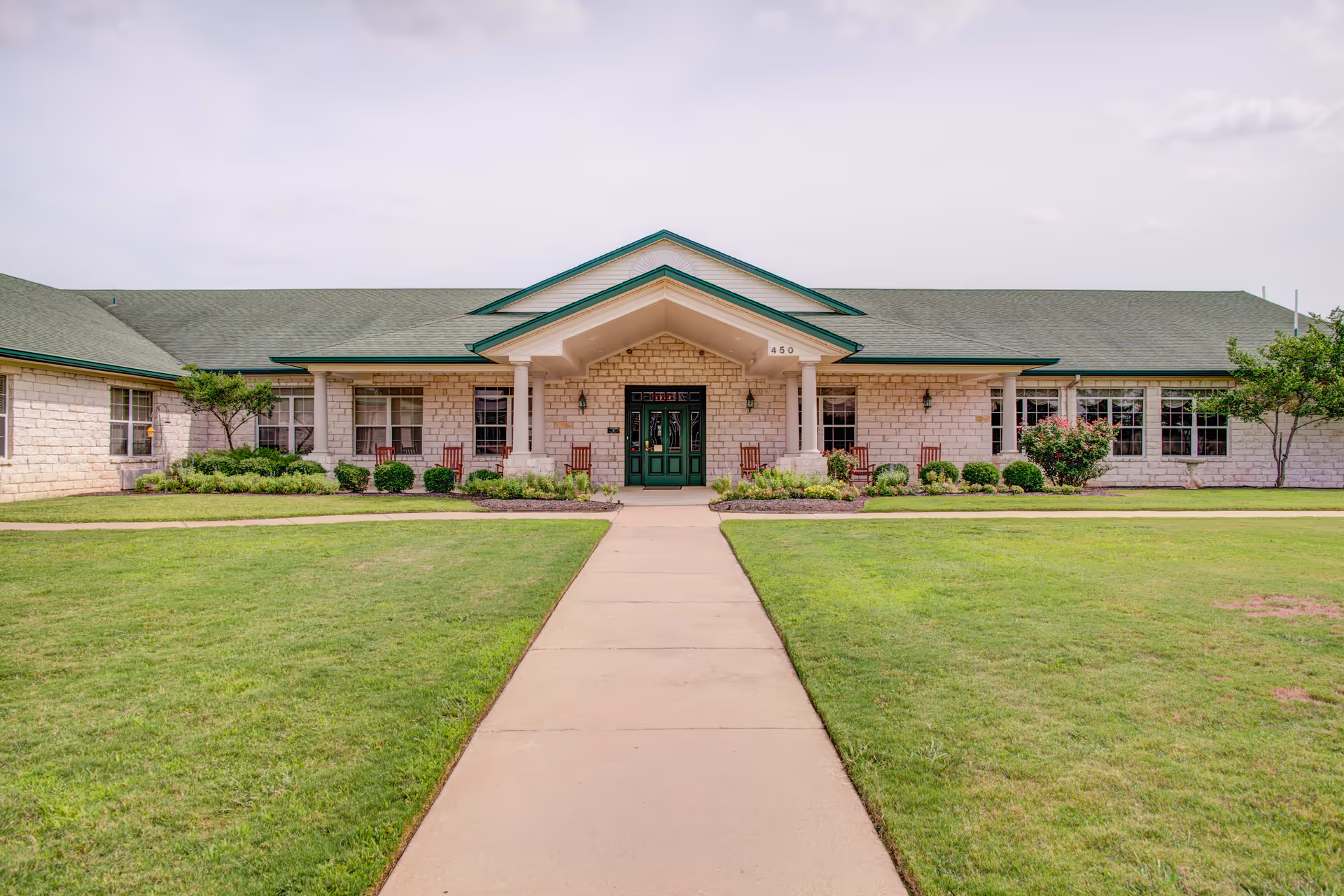
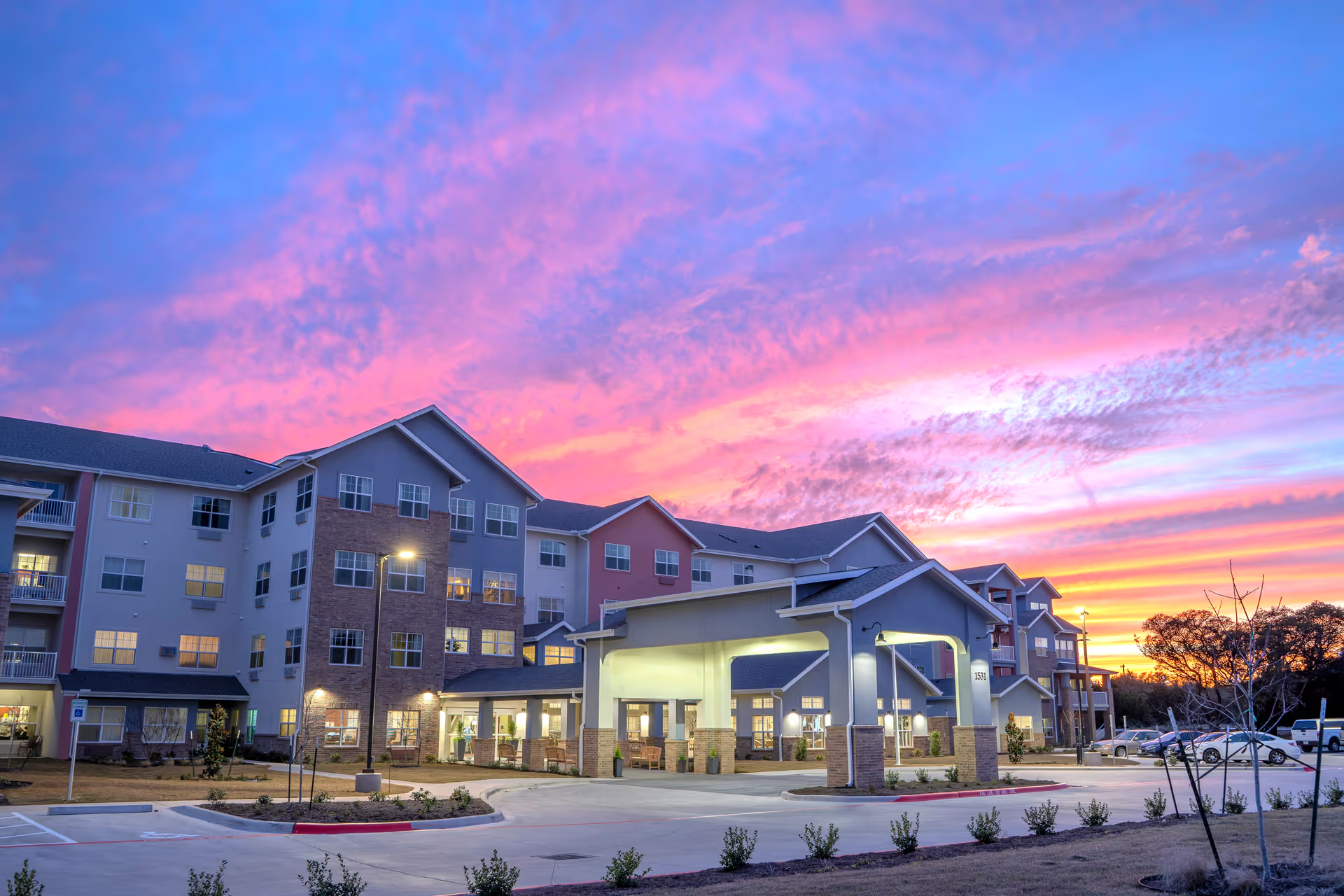
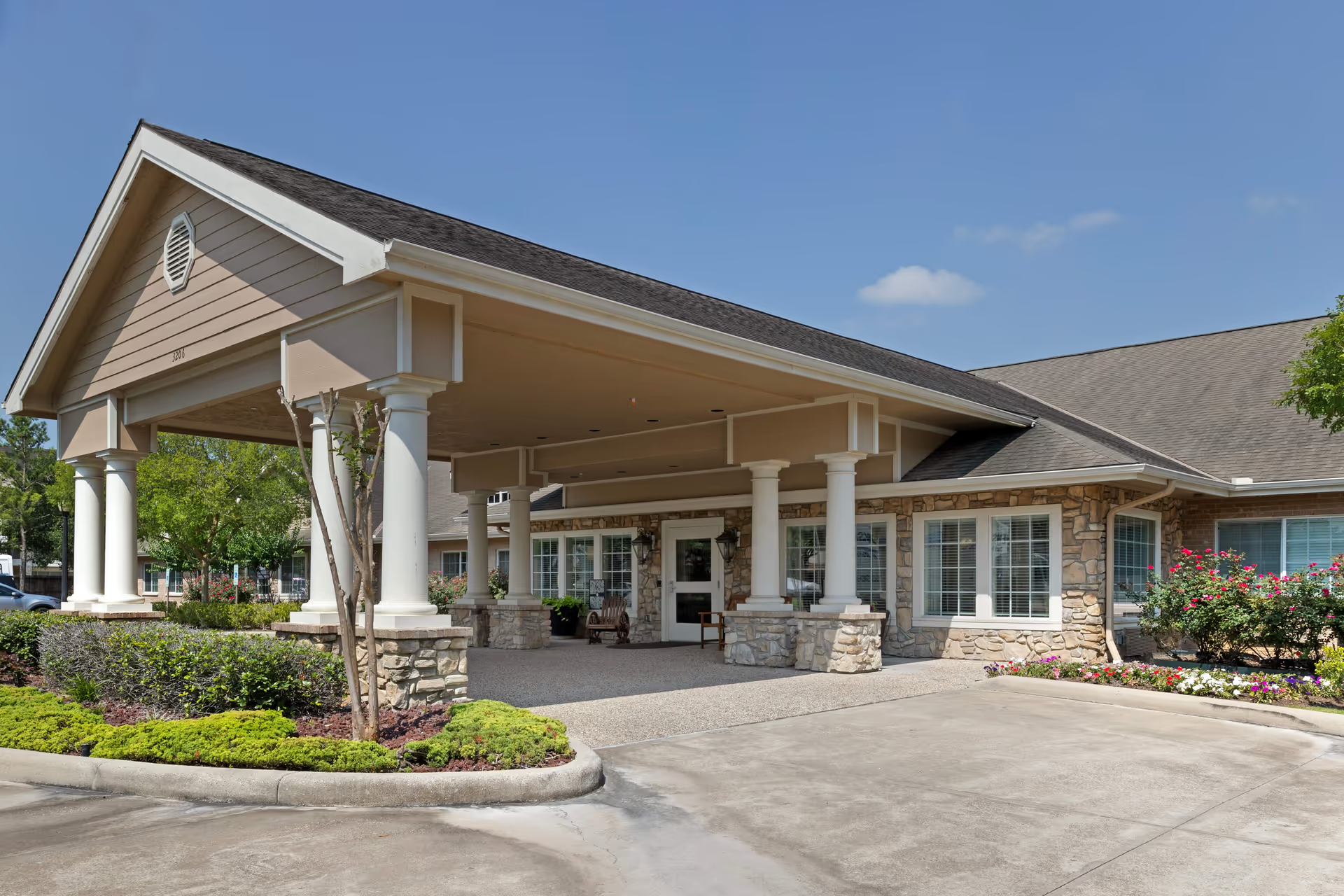
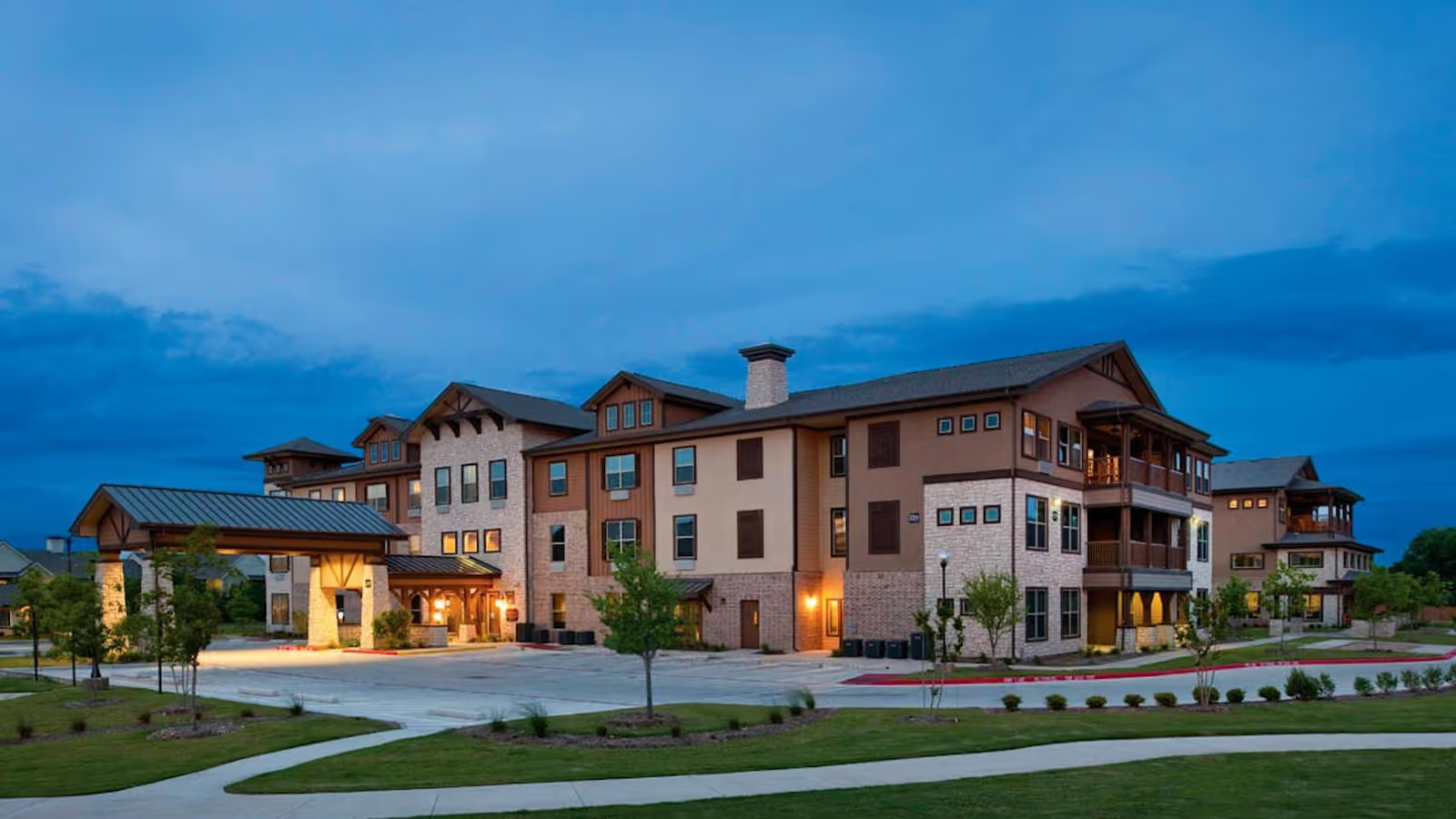
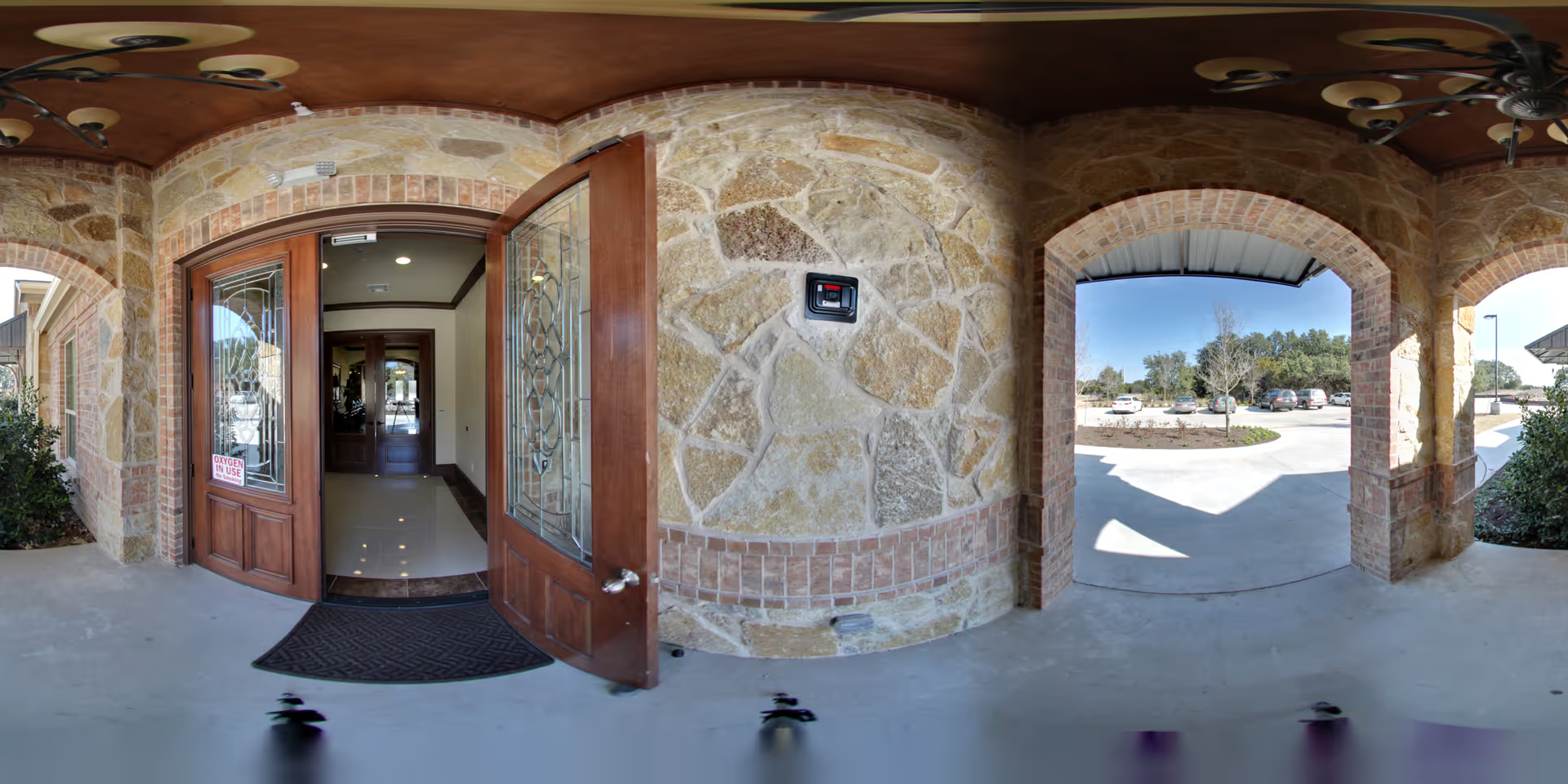
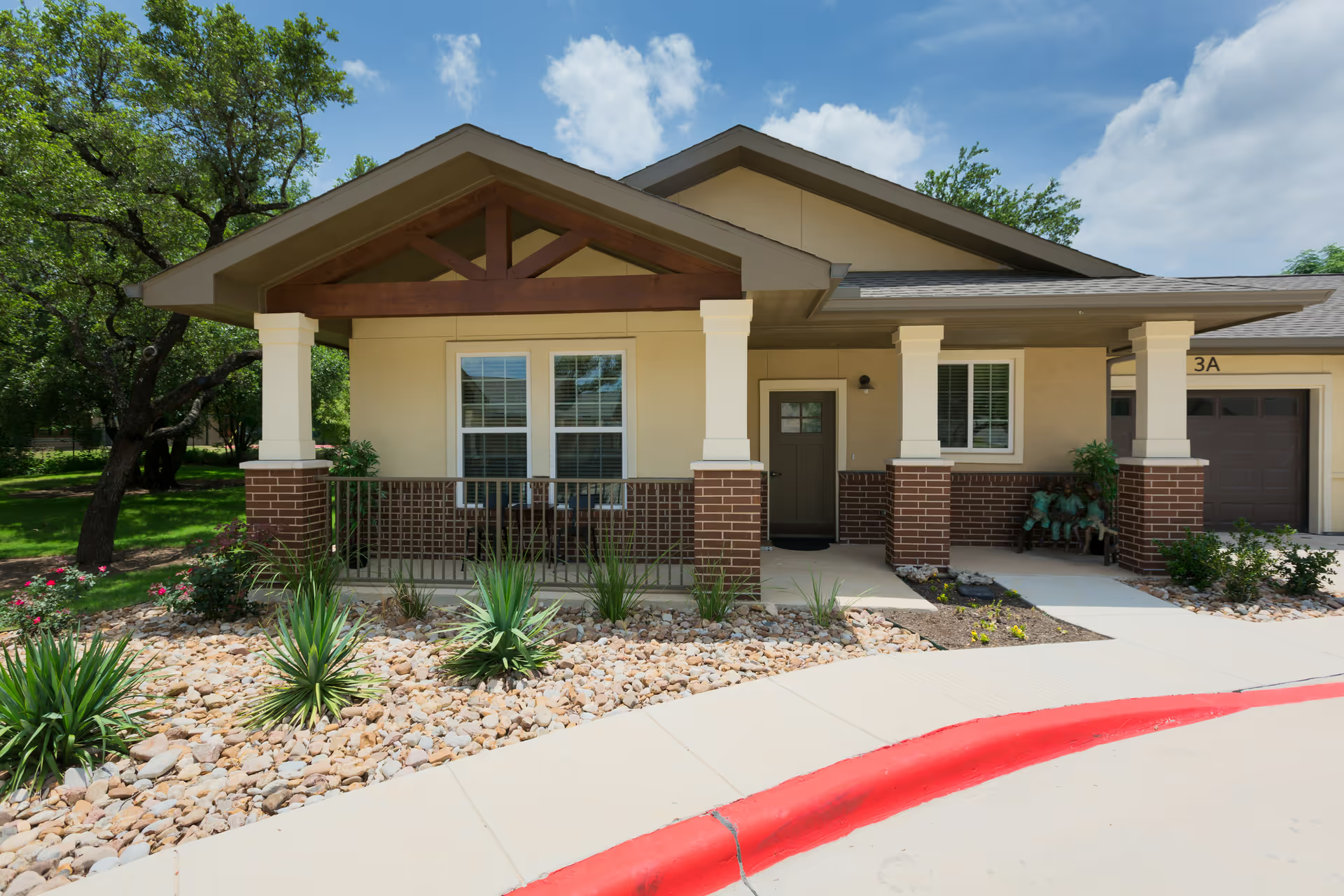
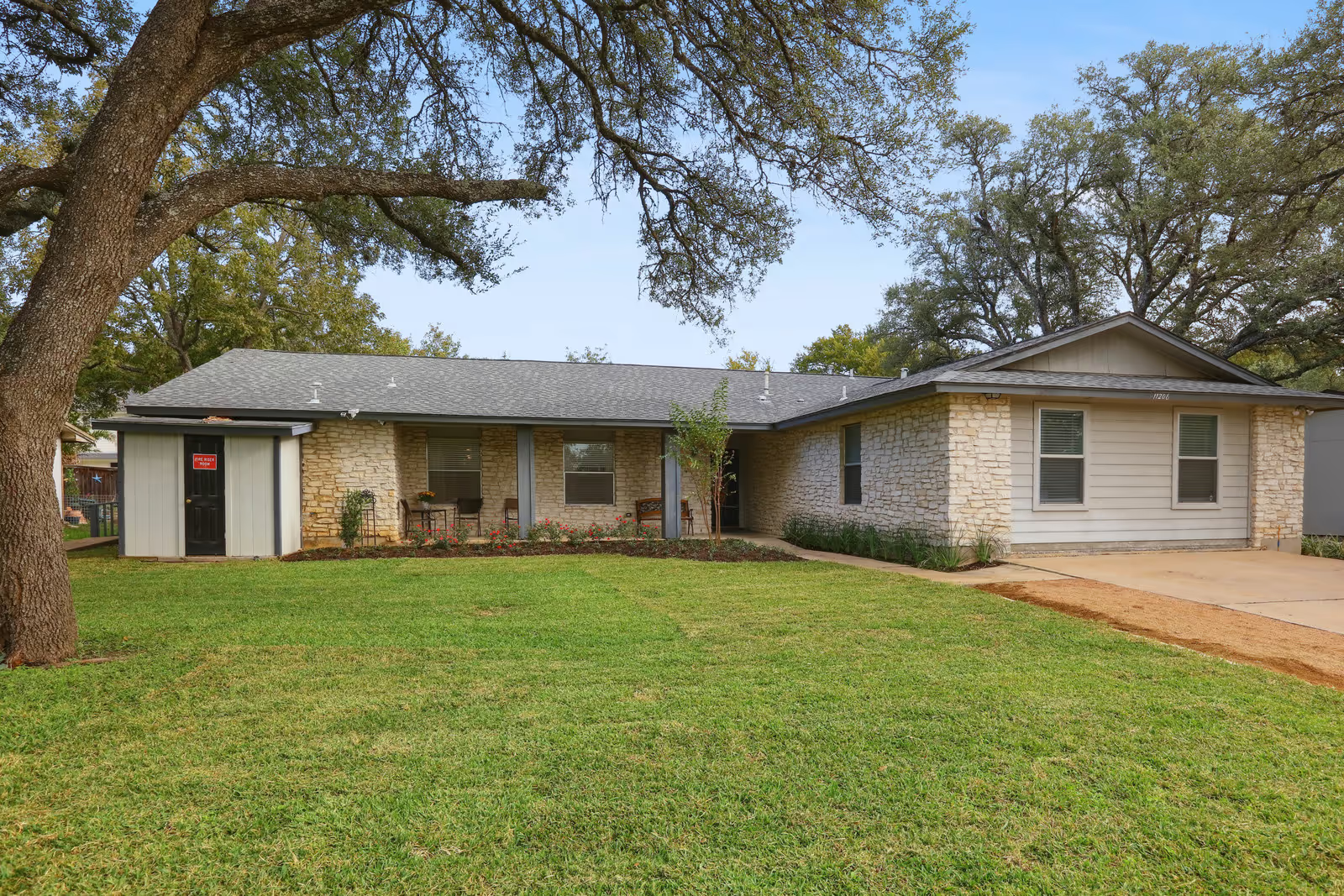
Highland Estates - Sky Active Living elicits strongly positive feedback about its staff, sense of community, and programming, alongside recurring operational concerns that prospective residents and families should review. Many reviewers describe staff as compassionate, proactive, and personally engaged: managers are often accessible, Life Engagement personnel run active calendars, and maintenance and move-in assistance are frequently singled out as above and beyond. The community atmosphere is consistently described as warm and social, with attractive landscaping, inviting common areas and outdoor seating, and renovated apartment interiors that some residents appreciate. The presence of three daily meals, on-site amenities such as on-floor laundry, and pet-friendly policies add to the community’s appeal for independent seniors seeking an active, assisted-supported environment.
Care quality and staffing present a mixed picture. On the positive side, caregivers and activity leaders are repeatedly praised for individual attention, social introductions, and help with home modifications and logistics. At the same time, reviewers describe staffing inconsistencies and occasional shortages that can affect housekeeping, responsiveness, and overnight coverage. There are also notes about limited on-site clinical staffing and night security; families evaluating the community should clarify clinical availability, staffing ratios, and emergency protocols.
Dining is a notable area of divergence. Several reviewers praise a dedicated chef, flavorful meals and special-event menus, while others report inconsistent food quality, limited menu variety, and changes to dining service models (for example, buffet formats or rotation dining) that have produced long lines and crowding. Concerns about portioning, limited second servings, and unmet dietary or protein needs appear in multiple accounts. Prospective residents should ask about current dining formats, dietary accommodation procedures, portion policies, and peak meal-time logistics.
Activity programming is generally a strength: there is a broad slate of social events, games, outings, and adaptation programs to help new residents acclimate. However, some reviewers describe variability in offerings tied to activity leadership changes; a few comments suggest uneven professionalism following internal staff moves. Confirming the activity calendar and continuity of leadership during a tour can help set expectations.
Facility condition is described both positively and negatively. Many reviewers note clean, well-kept common areas, recent renovations in apartments, and attention to landscaping. Contrasting observations point to sanitation or cleanliness inconsistencies in specific shared spaces (for example, elevators and some hallways), small unit sizes and compact bathrooms in certain floorplans, and elevator-capacity constraints that create congestion at peak times. Transportation availability is limited for some families, and at least one account cites a vehicle accessibility gap (no lift); accessibility needs should be verified in advance.
Management receives frequent praise for being helpful, communicative, and involved in residents’ transitions, with multiple examples of individualized support. At the same time, there are service-contract and financial concerns to consider: reviewers mentioned unexpected rent increases, questions about value relative to price, restricted guest-meal options, and limited laundry access hours. There is also a serious individual complaint alleging improper eviction and aggressive rent collection tied to a dementia diagnosis; this specific allegation should prompt families to request clarification of eviction policies, grievance procedures, and documentation practices prior to move-in.
Overall, Highland Estates appears well suited to independent seniors who value active programming, personalized staff attention, an inviting campus and social community. Areas for due diligence include current dining operations and dietary accommodations, staffing patterns (including overnight clinical and security coverage), apartment size and accessibility features, transportation options, and the details of lease and eviction policies. A targeted tour that includes meal-time observation, a review of the activity calendar, conversations about staffing and emergency coverage, and a clear explanation of financial and contractual terms will help families determine whether this community matches their practical and clinical needs.