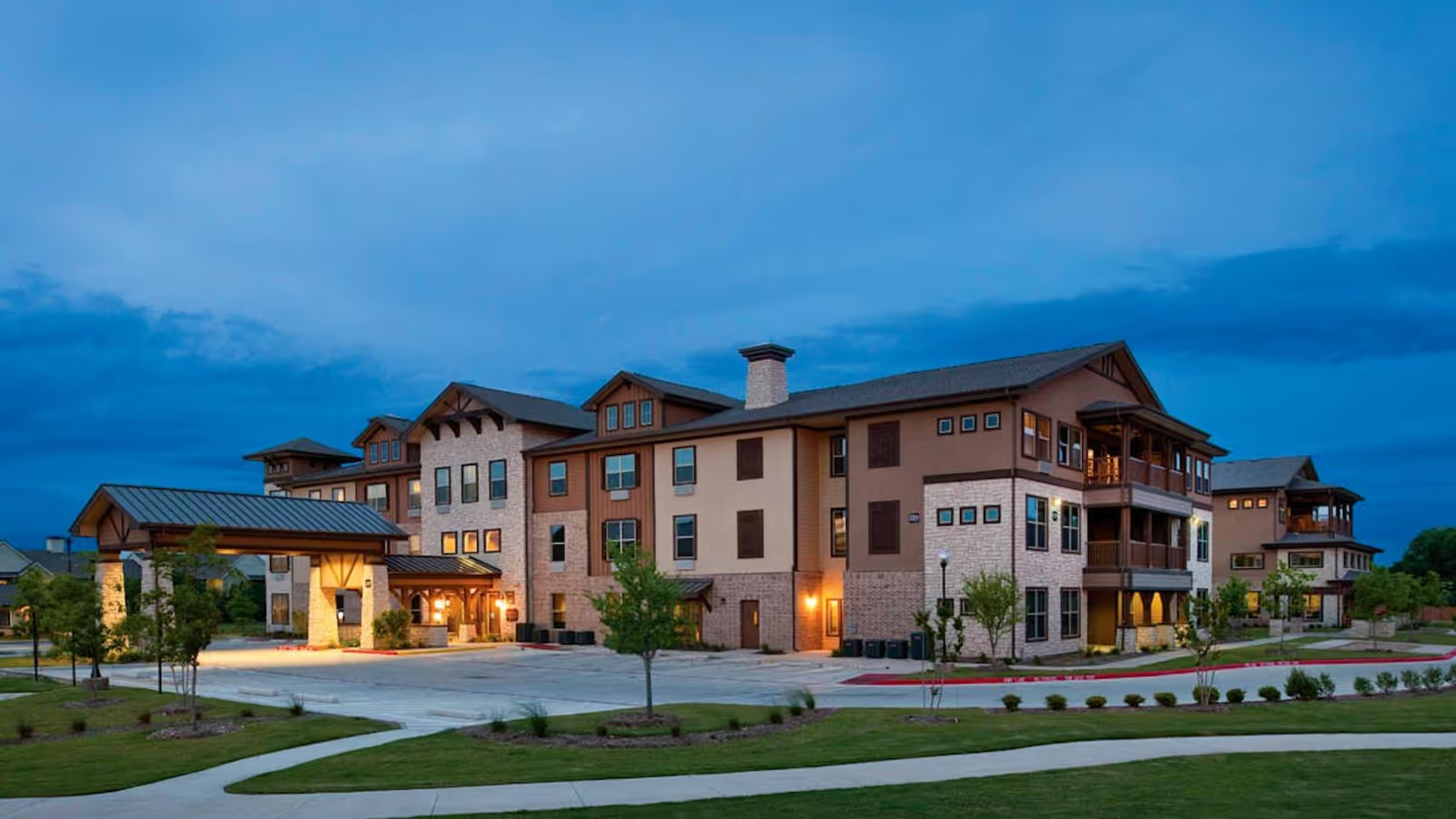
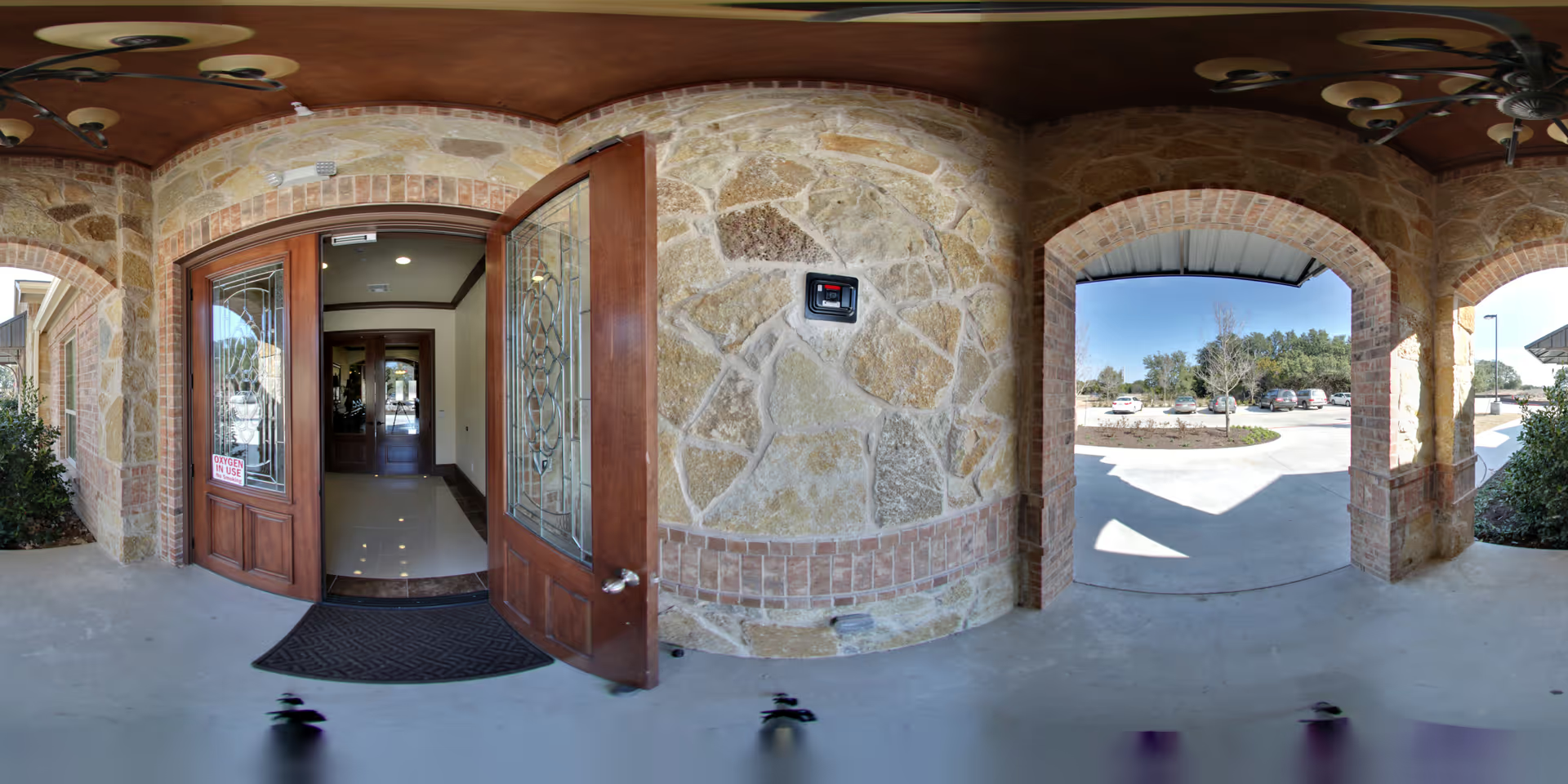
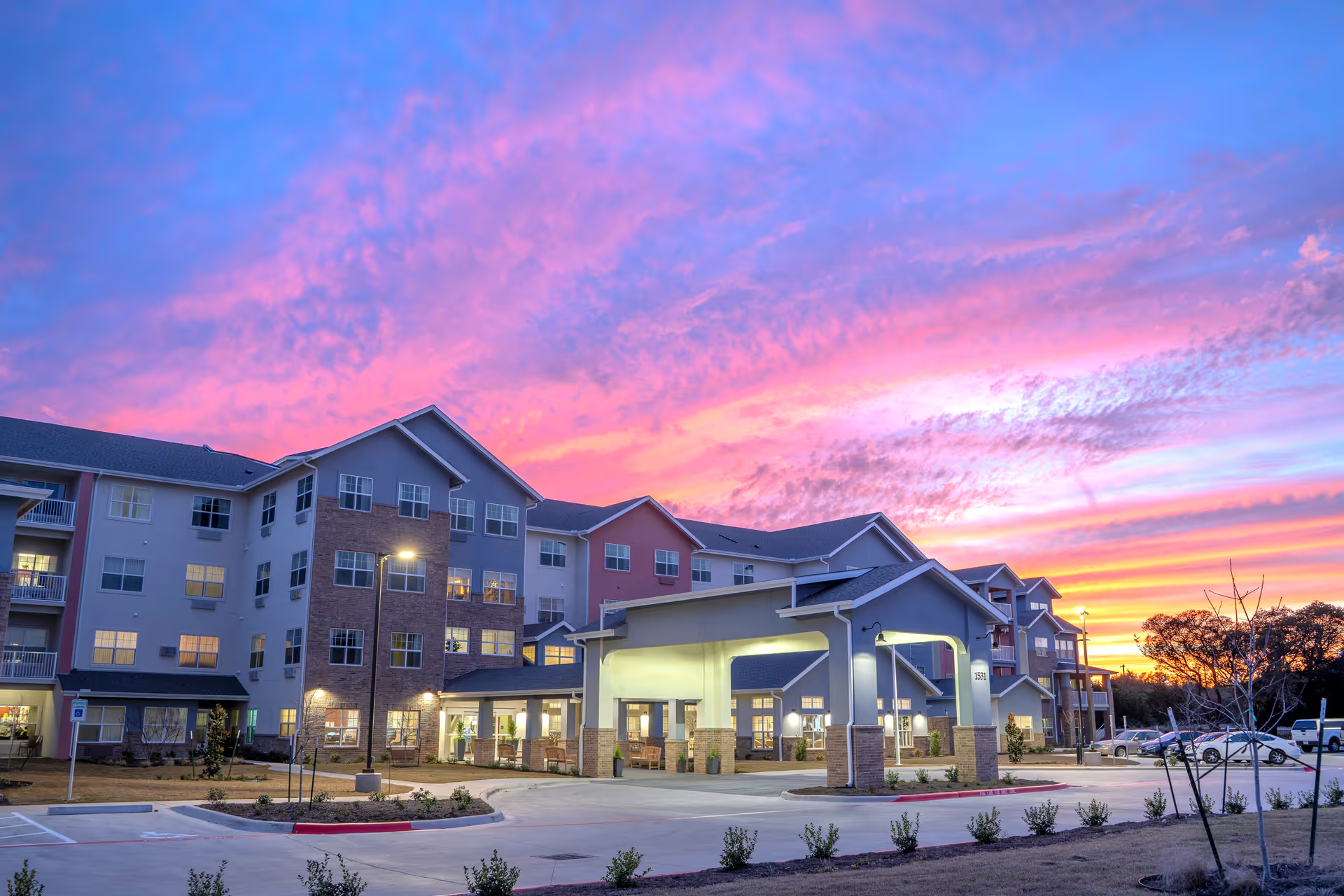
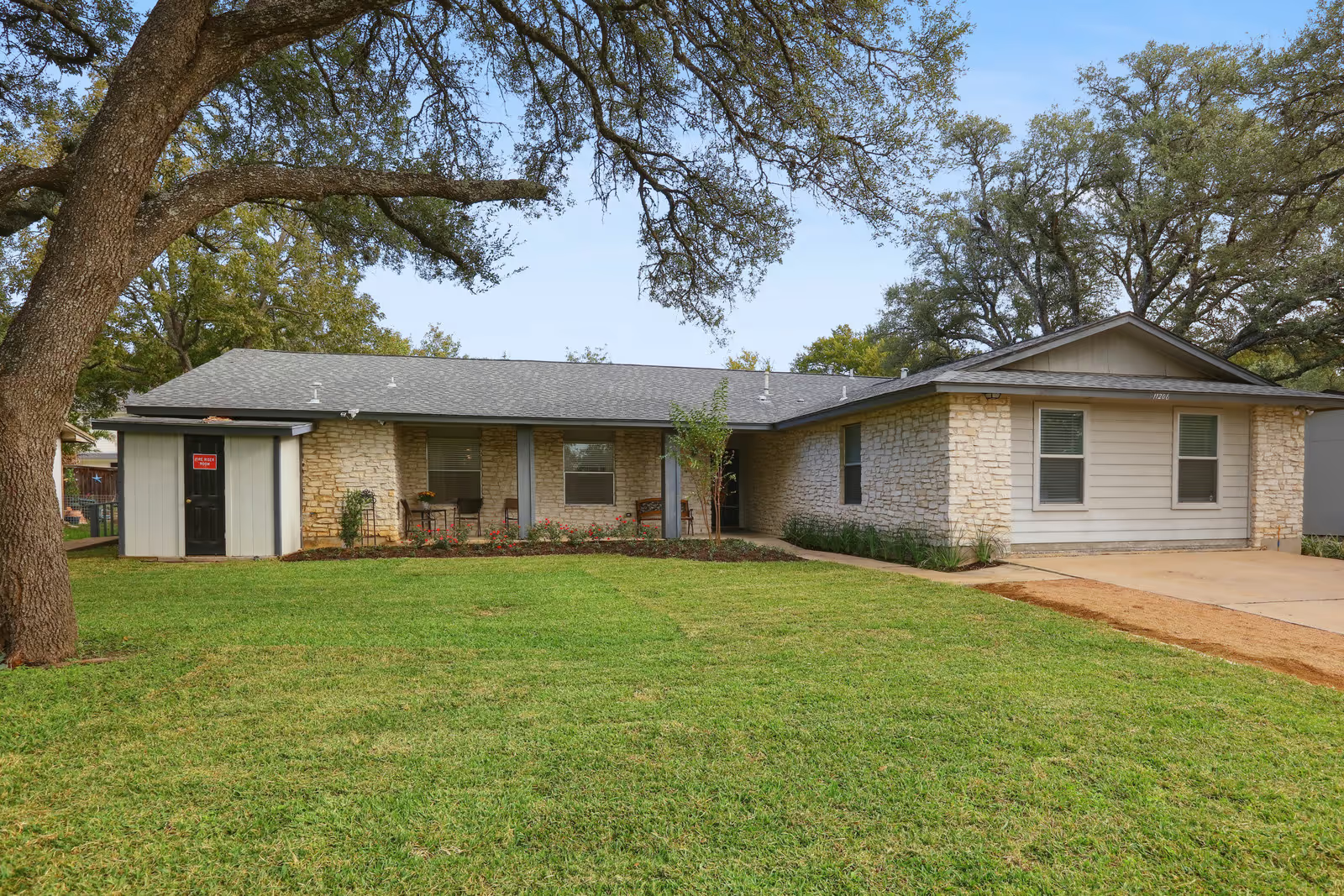
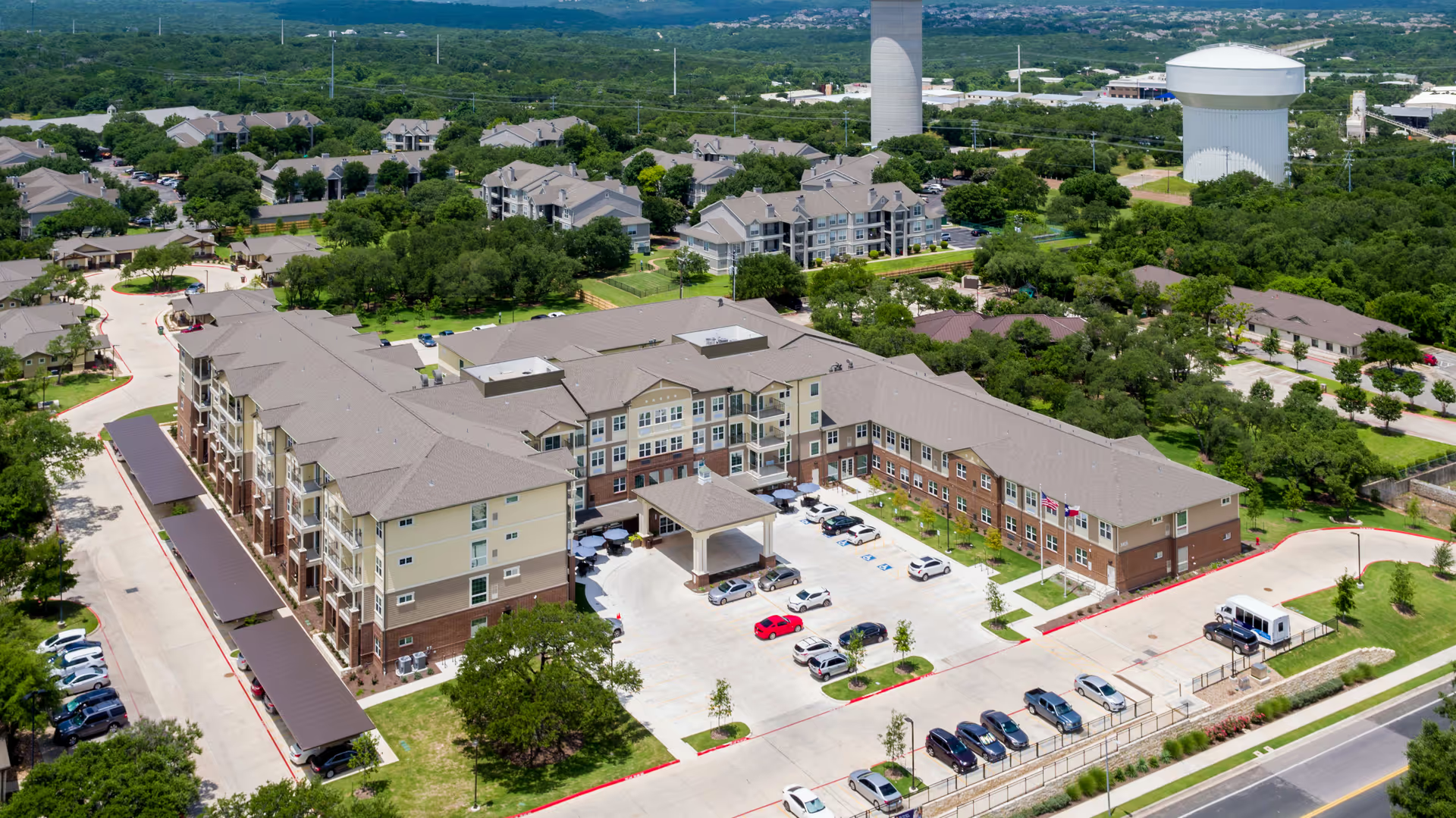
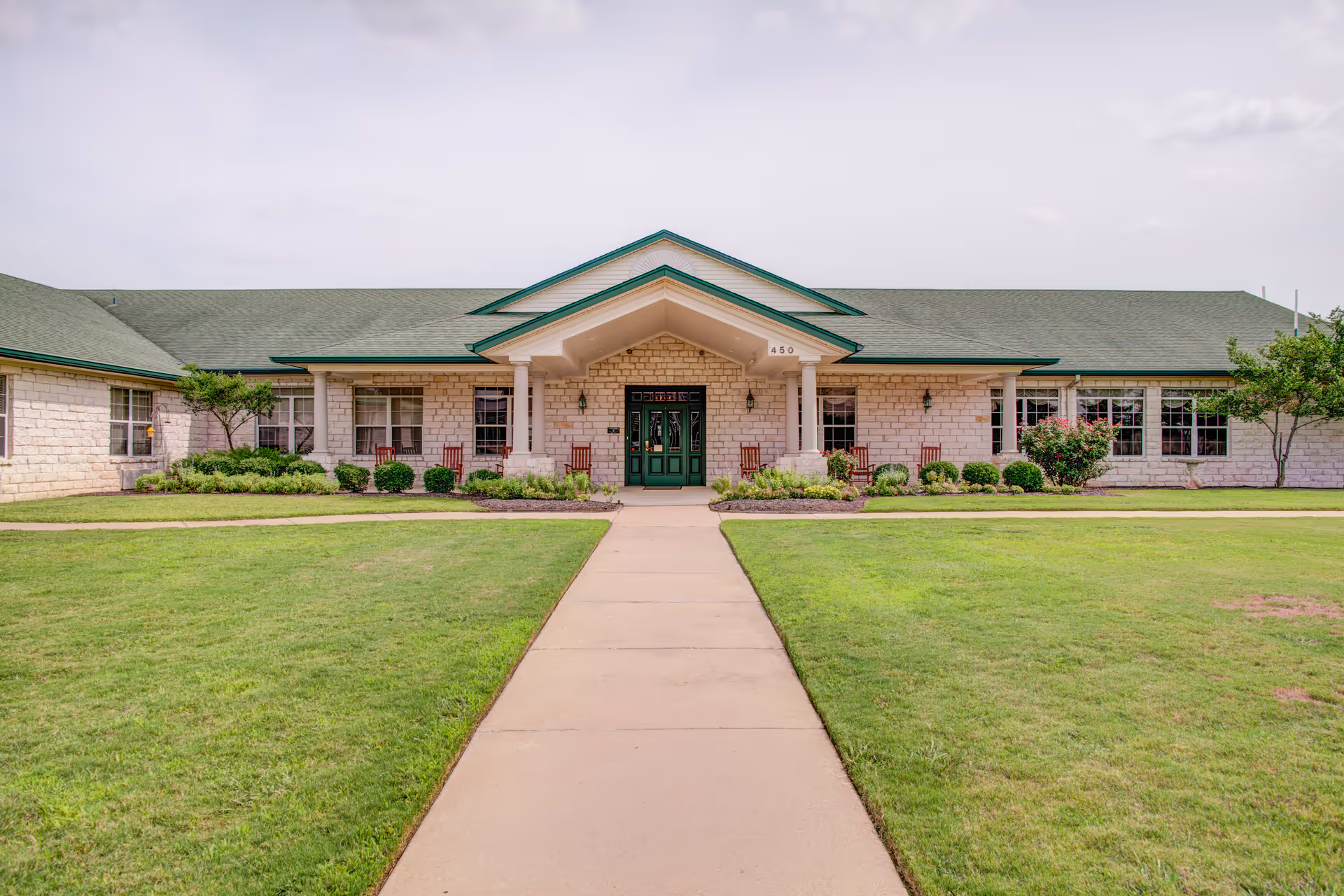
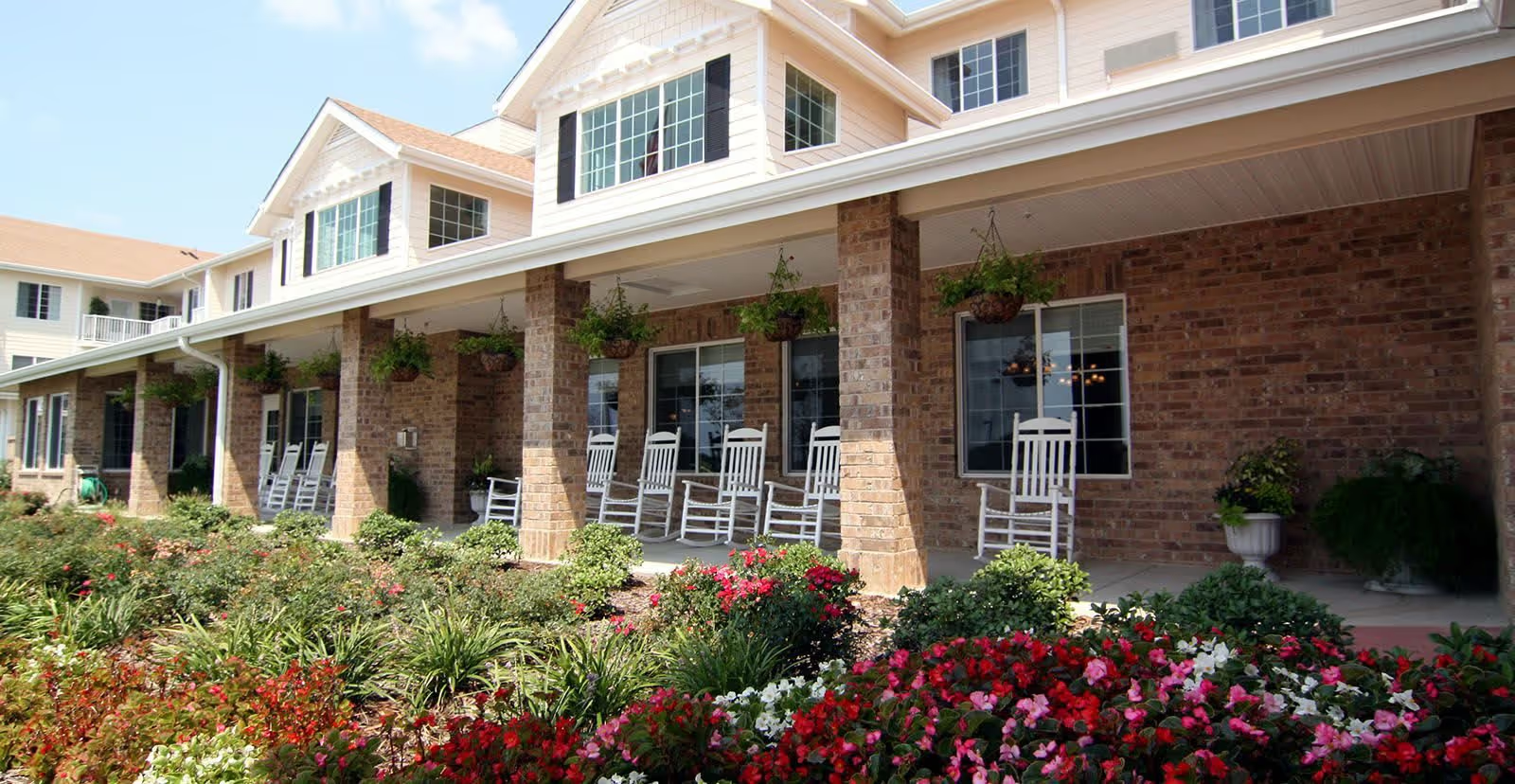
Cedar Ridge Alzheimer’s Special Care Center is frequently described as a small, family-like memory-care community with a strong emphasis on staff–resident engagement and a robust activity program. Reviewers commonly praise the caregiving team as compassionate, patient, and knowledgeable about dementia care; many note long-tenured staff and accessible leadership that contribute to continuity and familiarity. The community offers a variety of structured activities — including live music, therapeutic events, balloon volleyball and themed celebrations — and uses technology (an app with photos) to keep families connected. Common-area spaces are described as clean and bright, with pocket seating areas for privacy and a secure outdoor walking path and garden areas for residents.
Care quality and clinical oversight present a mixed picture. Many families express trust in day-to-day caregiving and highlight attentive aides and on-site nursing presence. At the same time, several accounts describe lapses in clinical assessment, delayed escalation for diagnostic imaging or emergency referral, and concerns about medication-management processes. A number of families reported serious clinical events that led to hospitalization; these accounts indicate potential gaps in incident response protocols and family communication during acute events. Prospective families should clarify RN coverage patterns (some notes indicate LPN/LVN coverage around the clock with RNs not always on site) and ask for details about escalation pathways, fall-prevention procedures, and medication-administration checks.
Staffing and operational rhythms influence resident experience. When staffing levels are adequate, reviewers report active engagement, residents who participate in activities and appear happier, and frequent family updates (including virtual updates during COVID). When staffing is lean, families note issues such as less effective mealtime assistance, feeding challenges, and reduced engagement. Administrative strengths include experienced senior leadership, visible directors and activity coordinators, and family-support programs; however, there are intermittent communication breakdowns across shifts and teams that prospective families should probe.
Dining and daily living are generally positive but variable. Many residents enjoy the meals and balanced snack schedule, and some families praise the dining arrangements and friend-pairing approaches. Others point to inconsistent food quality, dining wait times, and dining-room logistics that can affect the mealtime experience. Room arrangements are another operational consideration: semi-private rooms and certain room layouts (one entrance for two beds) are unpopular with some families who are concerned about privacy and traffic flow.
Facility condition and logistics: common areas and housekeeping are often described as clean with pleasant smells, but the building is older in places and reviewers note cosmetic wear that could benefit from refinishing. Maintenance skill and responsiveness are cited as variable, and laundry mix-ups or missing items have been mentioned. COVID-era precautions and vaccination efforts were viewed positively. Cost and payer considerations are significant: Cedar Ridge operates at private-pay rates with limited Medicaid options, and monthly fees are a decisive factor for some families.
Overall, Cedar Ridge appears to be a strong option for families seeking specialized Alzheimer’s memory care in a small, activity-rich community with engaged staff and accessible leadership. The dominant strengths are the caregiving culture, the breadth of activities, and family communication tools. Important evaluation points for prospective families include clinical escalation protocols and RN coverage, staffing ratios at mealtimes and activities, privacy and room configuration, maintenance and laundry processes, and the facility’s payment options and total cost. Asking targeted questions and observing care routines during a visit will help determine whether the facility’s operational patterns align with a particular resident’s clinical and personal needs.