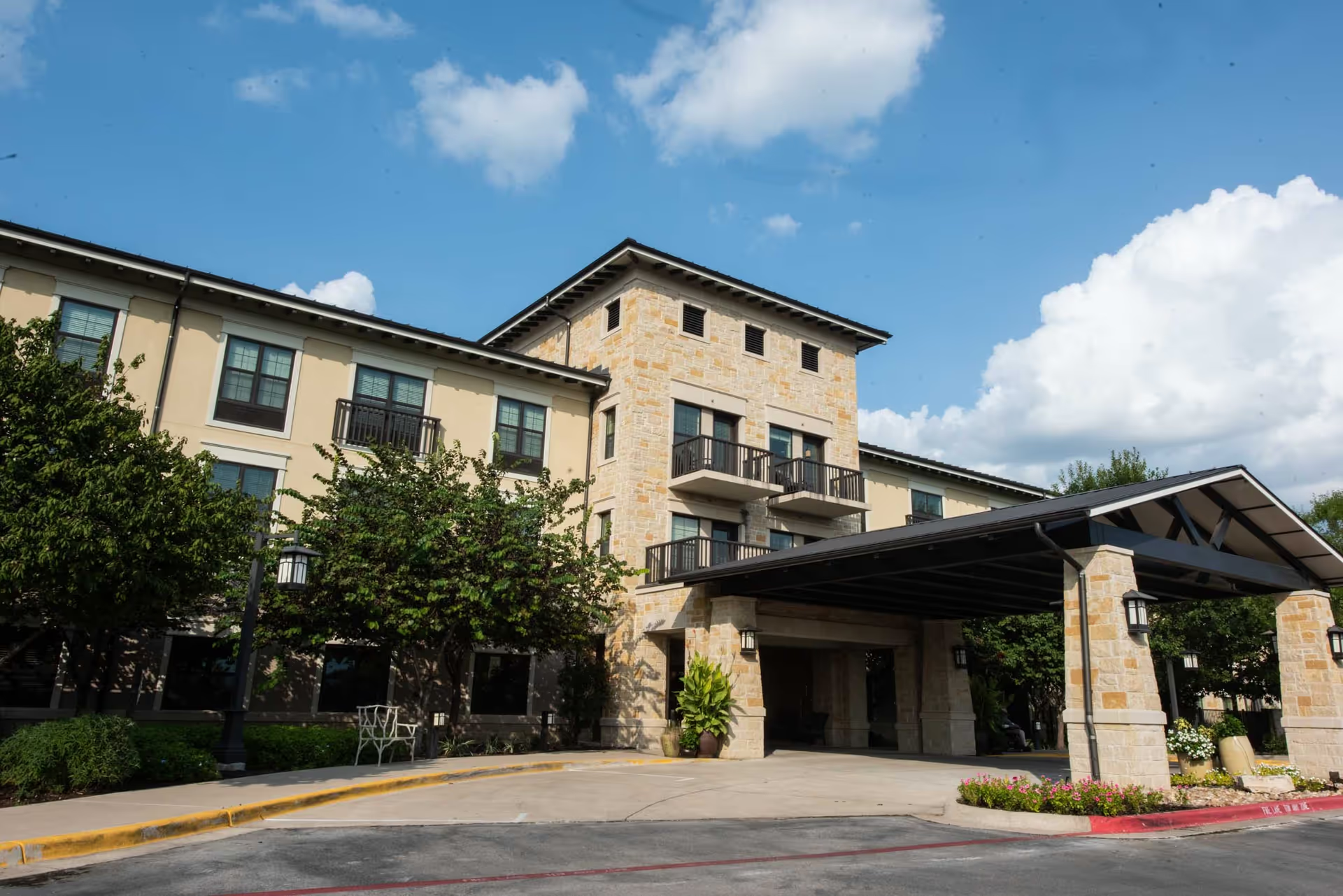
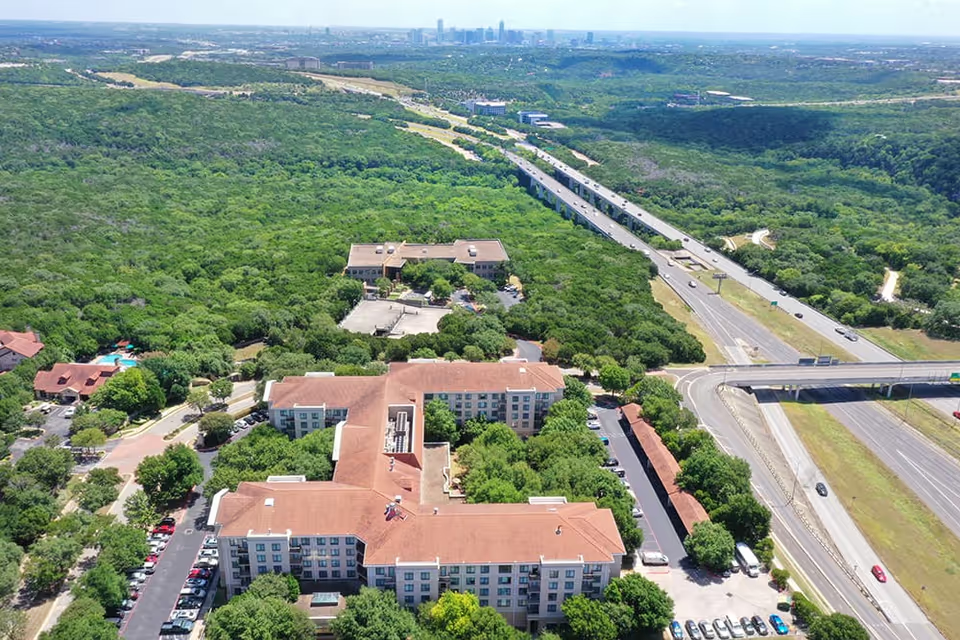
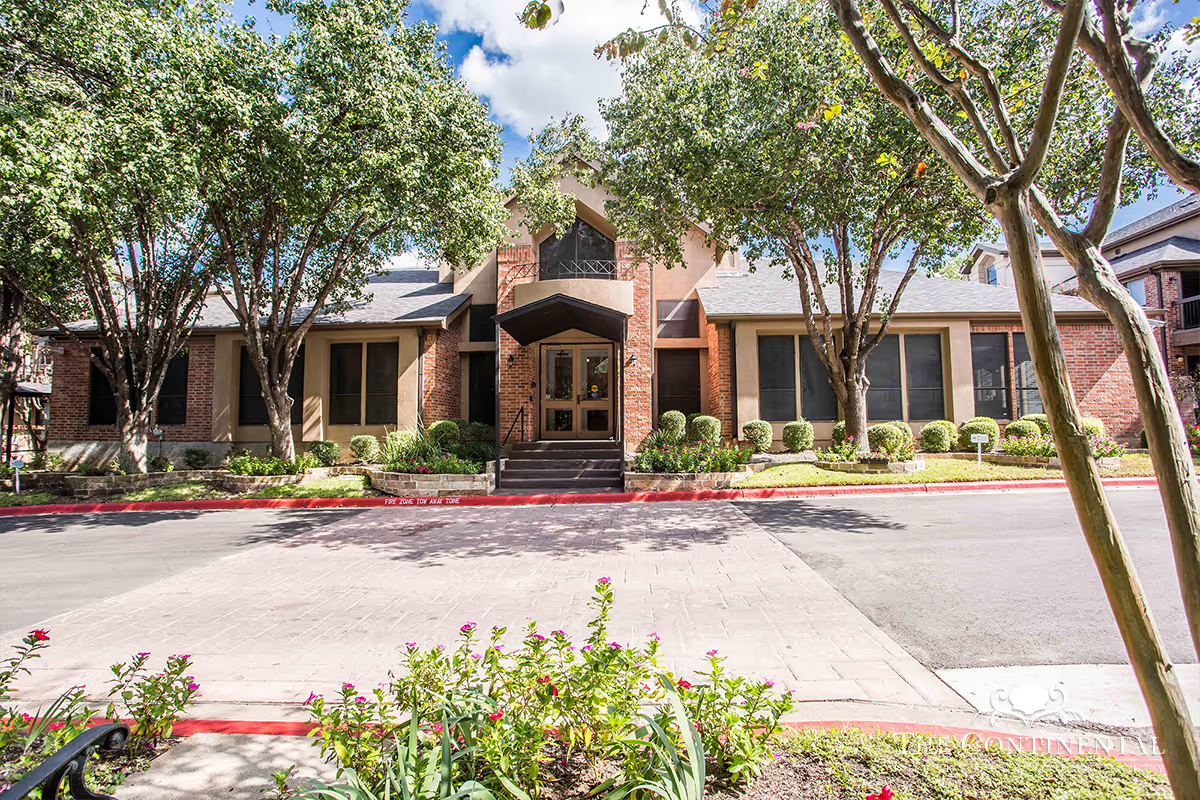
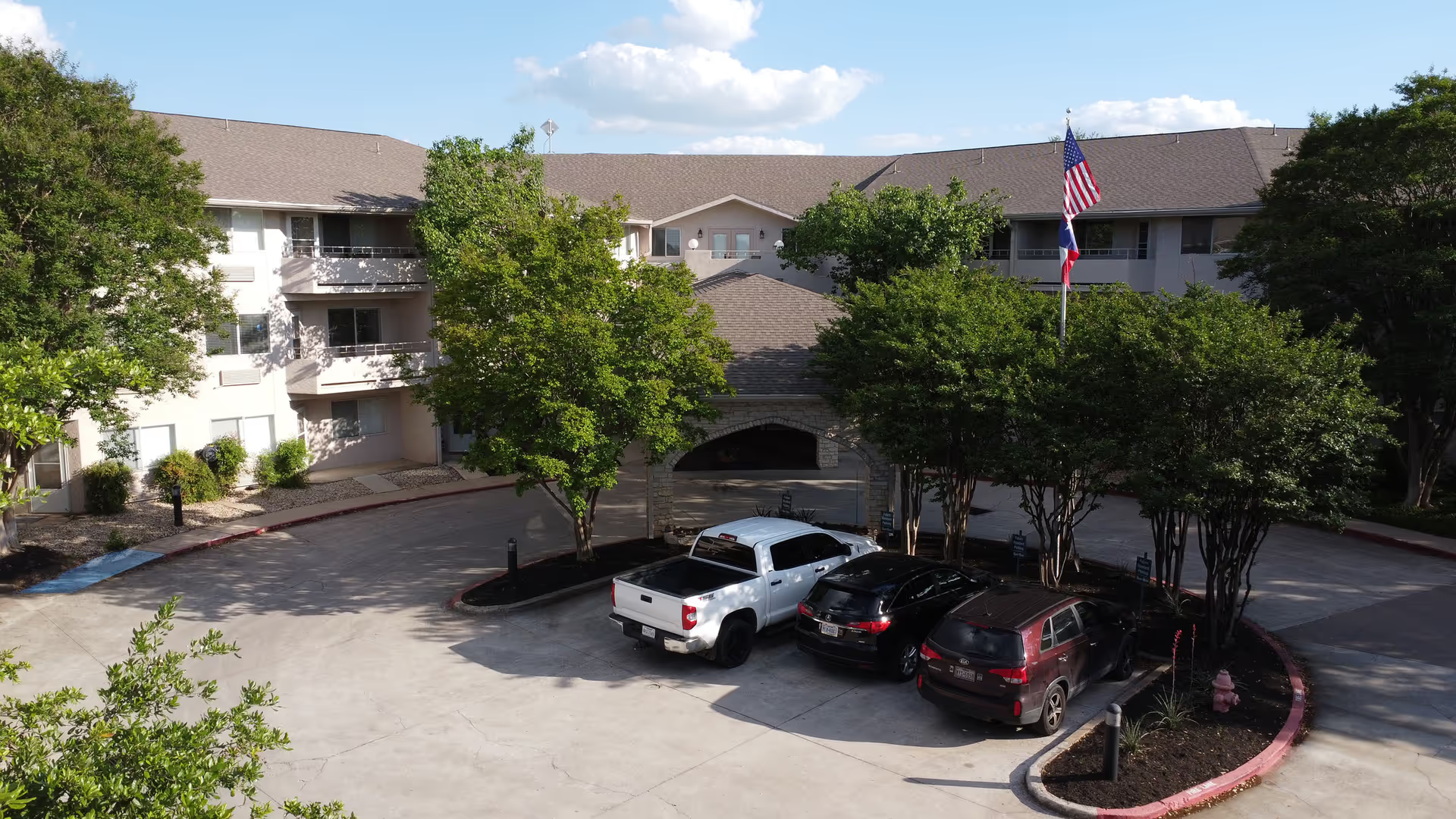
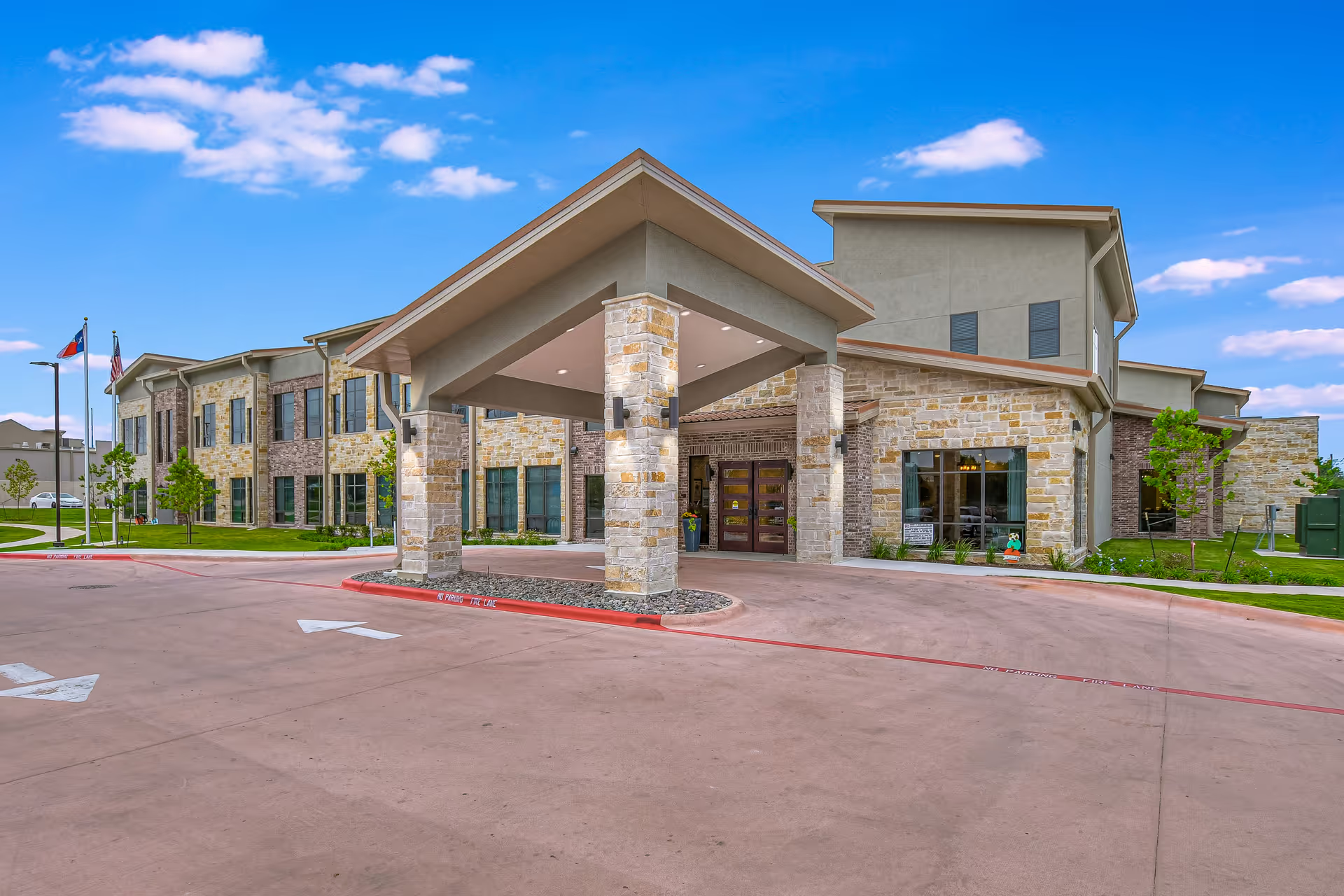
Brookdale Westlake Hills presents a mixed but informative profile for prospective residents and families. The community is consistently described as attractive and well maintained, with resort-like grounds, renovated rooms, and a broad amenity set that includes a heated pool and hot tub, beauty salon, library, and multiple common areas. Apartment sizes range to accommodate independent and assisted living needs, and the facility offers a full continuum of care with an on-site nursing unit and access to diagnostics such as X-ray.
Clinical care and therapy are a principal strength cited across many accounts. The rehabilitation program — including physical, occupational, and speech therapy — receives frequent praise for helping residents improve functional independence. Several reviewers highlighted specific therapists and aides who provided effective, therapy-focused care and facilitated strong short-term rehab outcomes. The presence of on-site skilled nursing and therapy convenience is an asset for residents transitioning from hospital care.
At the same time, there is notable variability in day-to-day clinical operations. Reviewers describe inconsistent care quality between units and across shifts: some staff and clinical interactions are described as attentive and competent, while others are characterized by delays responding to call buttons and lapses in follow-up care. Medication-management and administration controls emerge as a recurring operational concern, alongside equipment availability and maintenance issues that can affect monitoring and timely treatment. These clinical inconsistencies appear associated with intermittent understaffing and uneven supervision.
Staffing and conduct present a mixed picture. Many families praise compassionate, long‑tenured staff and name individual aides and therapists for exemplary care; other accounts raise concerns about staff tone, responsiveness, and professionalism. The pattern is one of pronounced variability: where direct-care employees are engaged and present, families report good outcomes and a sense of community; where staffing is thin or supervision is lacking, families report delays, poor communications, and unmet needs. Active family advocacy is sometimes described as necessary to secure timely resolution of problems.
Dining, activities, and lifestyle are frequently cited as strong points. The community offers restaurant-style dining with varied menus — including vegan options — and many reviewers compliment the quality of meals and culinary staff. At the same time, there are intermittent complaints about meal timing and food temperature. Programming is broad and robust: daily exercise classes, art, music and concerts, trips, and social clubs are repeatedly described and contribute to a lively social environment that many residents and families value.
Operationally, families should assess several risk areas during a tour and admission process. These include staffing ratios at different times of day, average nurse-call response times, medication administration protocols and safeguards, property-handling procedures, and billing transparency. A handful of reviewers allege financial or property mishandling; prospective families may wish to review billing practices and documentation carefully. Transportation scheduling, housekeeping consistency, and infection-control/visitation policies are additional operational domains that showed variability in experiences.
In summary, Brookdale Westlake Hills offers substantial amenities, strong rehabilitation services, and an active social program within a well-maintained campus. However, the facility also shows variability in clinical consistency, staffing reliability, and operational follow-through. Prospective residents and their families will benefit from targeted questions about staffing patterns, clinical oversight, medication safeguards, and billing practices during tours and from obtaining written commitments where possible to address the variability documented in family accounts.