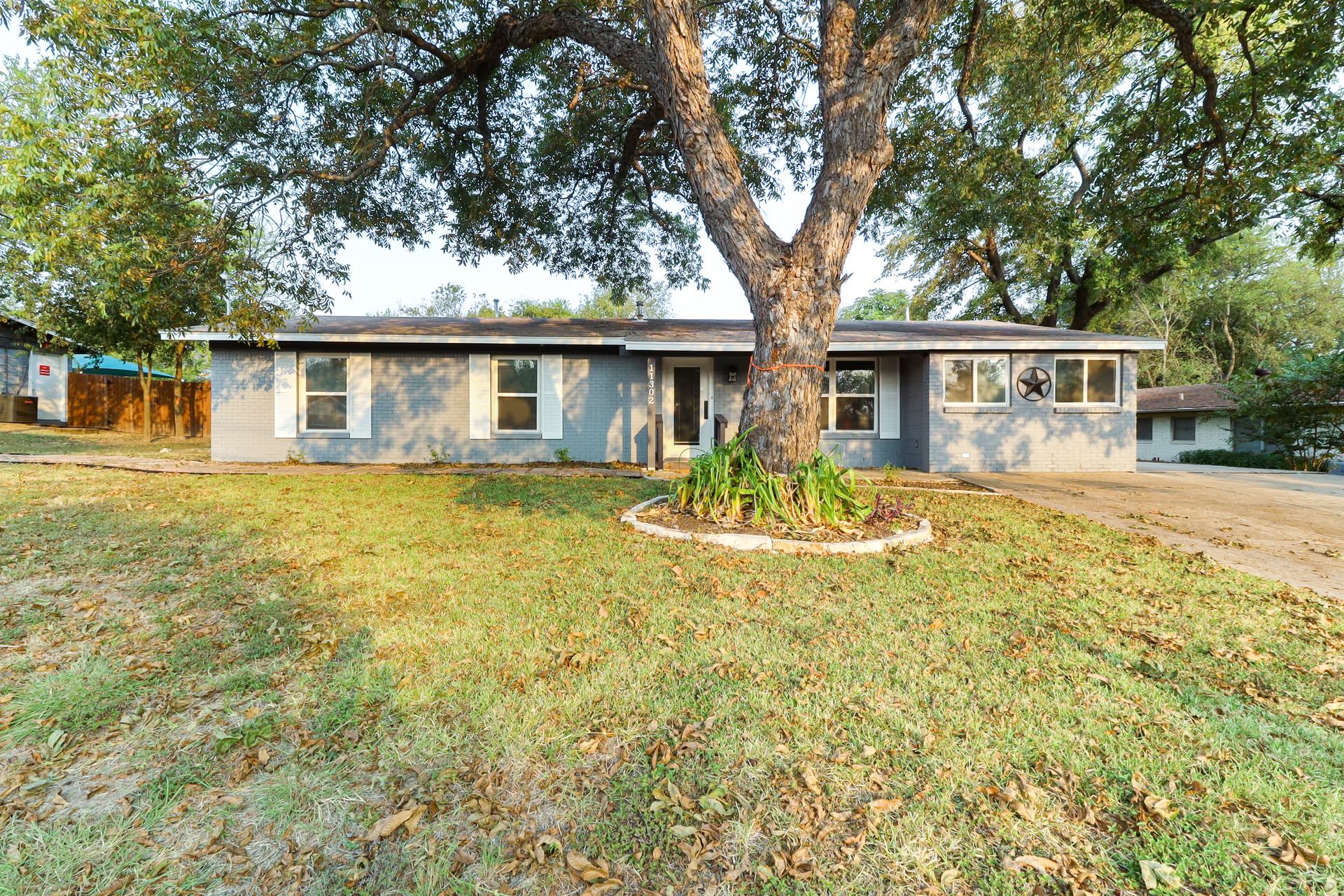
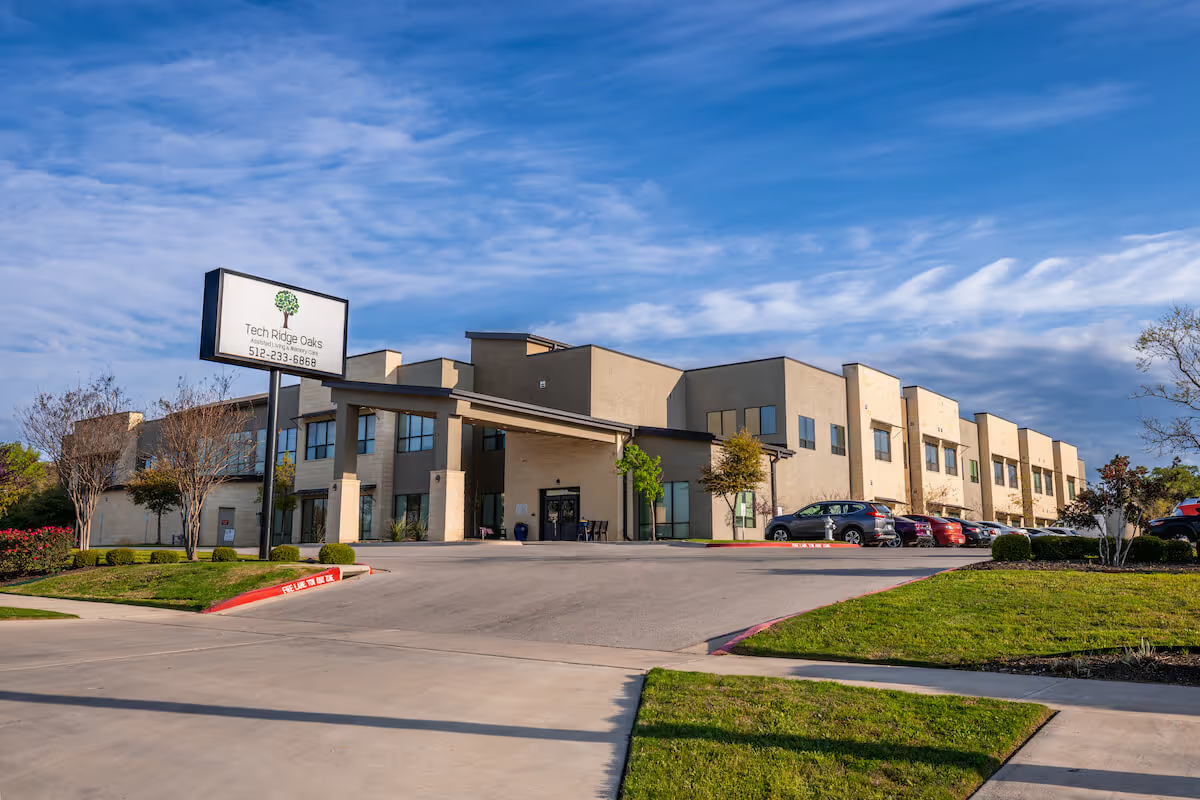
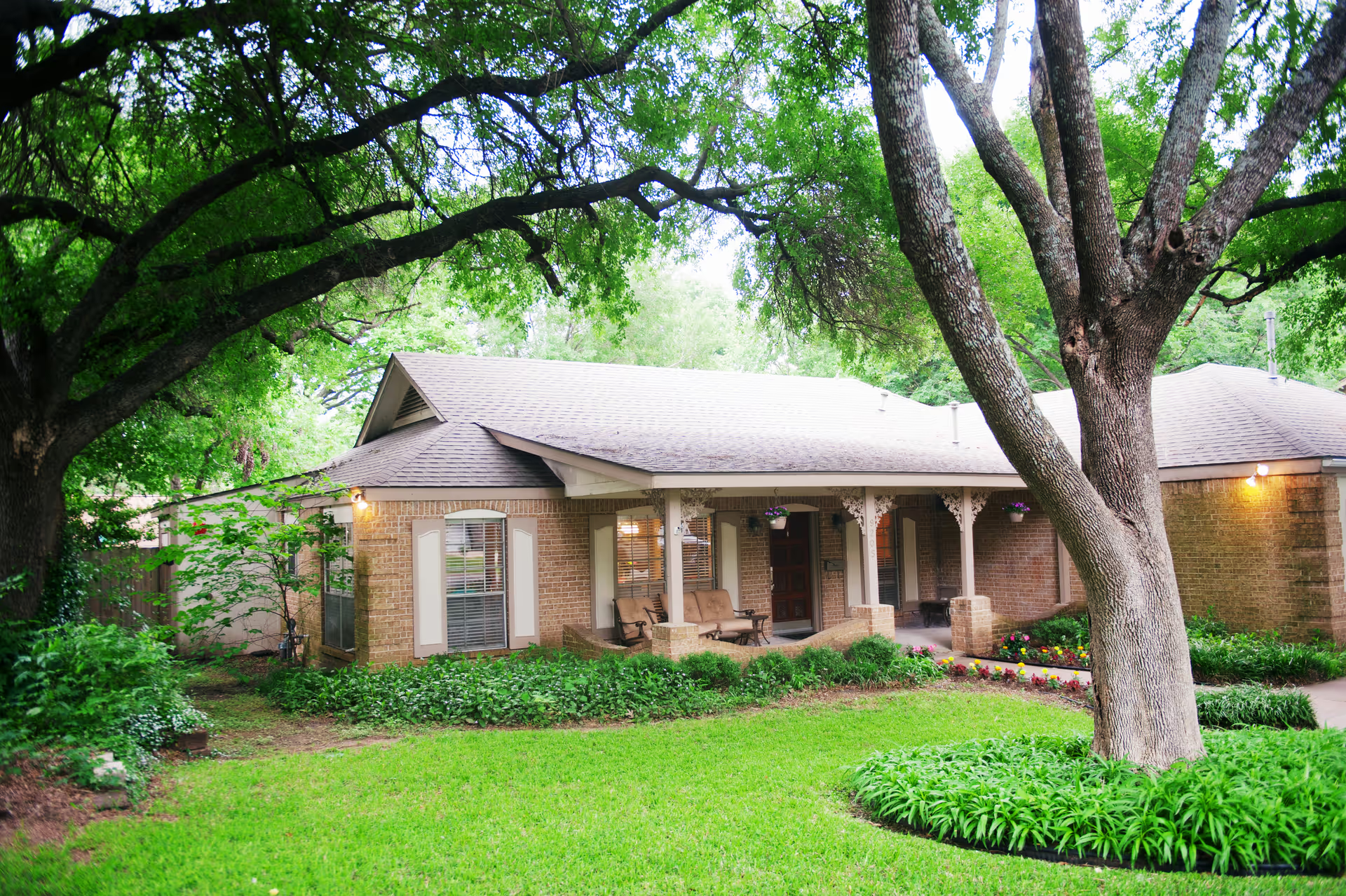
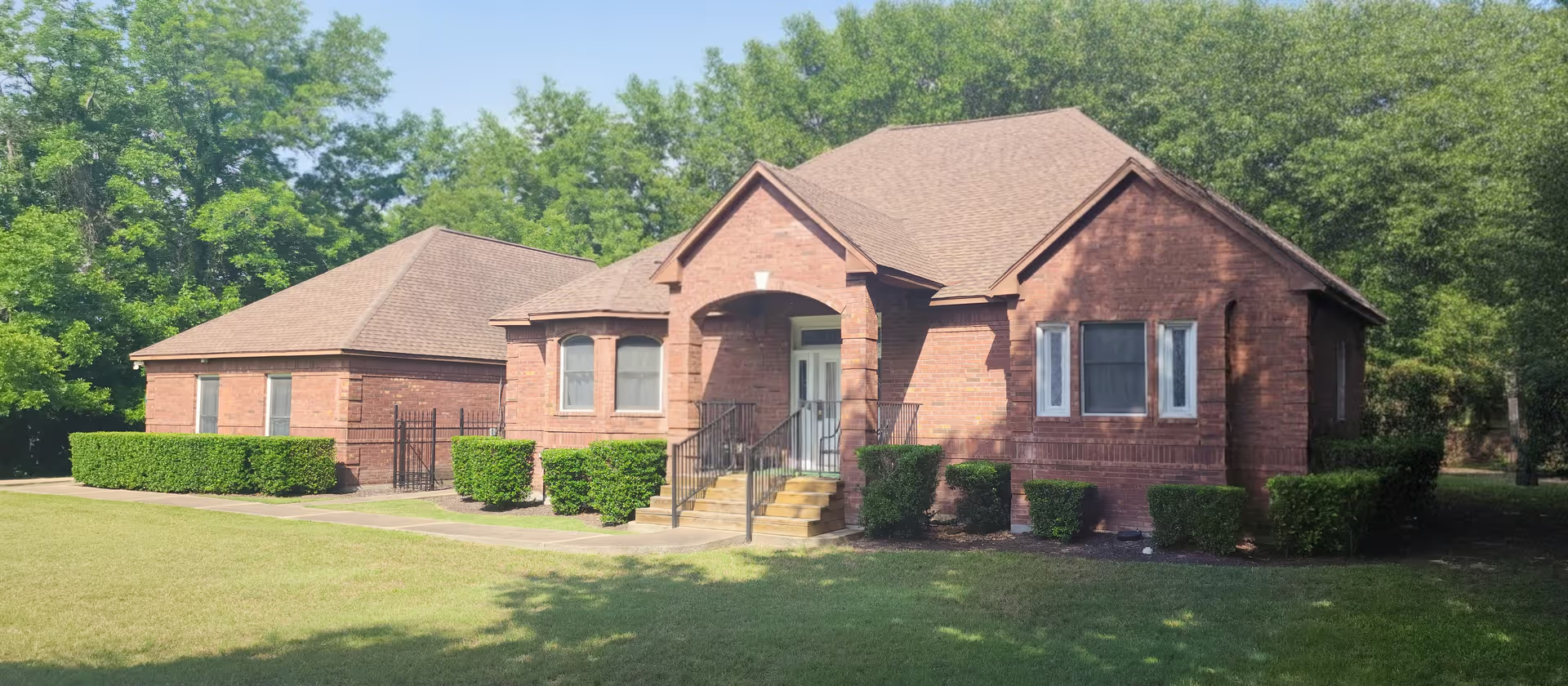
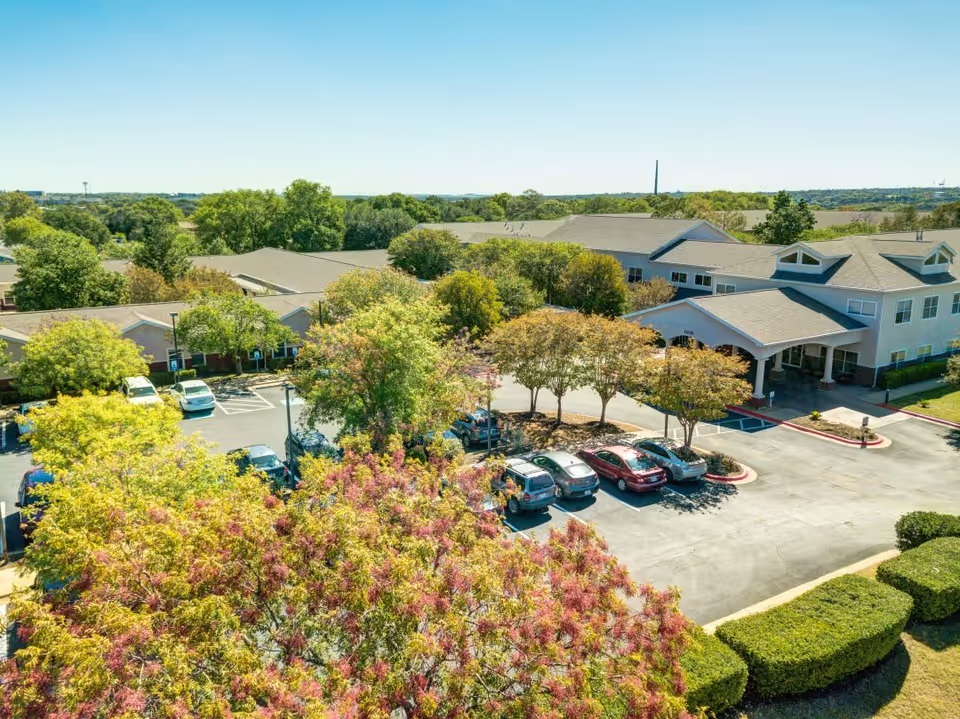
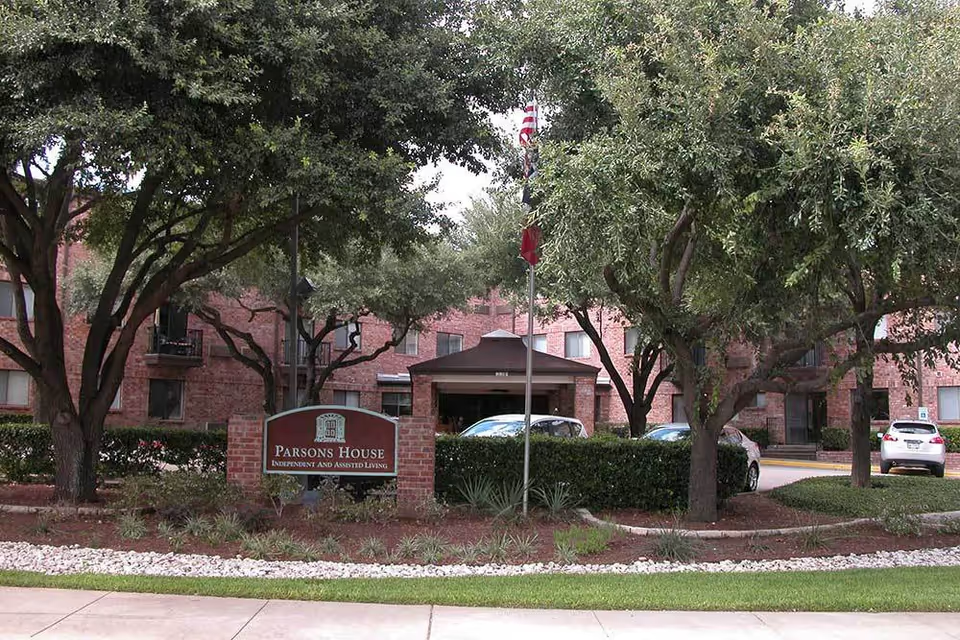
Legend Oaks Healthcare and Rehabilitation - North Austin elicits strongly mixed impressions. Many reviewers describe a facility with caring frontline caregivers, a highly regarded therapy program, and a clean, well‑maintained physical environment. The therapy team, including physical and occupational therapists, is frequently cited as a core strength that supports measurable functional improvement. Families often note compassionate CNAs and nurses, supportive hospice services, active volunteer involvement (including pet therapy), and an overall home‑like atmosphere that contributes to peace of mind for residents and relatives.
Dining and daily life receive generally positive comments for menu variety, the ability to request alternatives, and adequate portioning, though some families express dissatisfaction with food presentation or individual preferences. Activities programming is considered engaging; reviewers mention bingo, trips, motor‑skills work, and social offerings that promote resident participation. Communication channels such as admissions outreach, weekly virtual visits during visitation restrictions, and proactive administrative updates are appreciated when present, and several accounts highlight administrators who resolve issues and follow up promptly.
Despite these strengths, recurring operational concerns appear across reviews. Medication administration and pain management are the most consistent clinical worries: missed doses, delayed pain relief, and inconsistent medication oversight are identified as systemic weaknesses rather than isolated stylistic complaints. Response times to call lights and clinical requests are also described as uneven, and several families reported limited physician rounds or delayed clinical follow‑up after acute events. Staffing instability and turnover are raised as contributors to variability in caregiver competence and continuity of care.
Nonclinical operational issues are notable as well. Multiple reviewers report problems with management of personal belongings and laundry, including missing clothing and items, which points to lapses in property controls. Family‑facing communication and complaint handling are inconsistent in tone and transparency for some families; a subset of accounts describe defensive or dismissive interactions when concerns are raised. There are also mentions of inaccurate admission or listing information (for example, private‑room expectations) and limited outdoor grounds or seating that reduce opportunities for outdoor time.
Taken together, the pattern suggests a facility that offers strong rehabilitation services, compassionate caregiving in many instances, and a clean, well‑kept environment, but one that also has operational and clinical process gaps that can substantially affect individual experiences. Prospective residents and families should weigh the facility’s therapy strengths and positive administrative responsiveness against reported inconsistencies in medication management, staffing continuity, property controls, and family communication. Where possible, ask for current staffing ratios, medication‑administration protocols, property‑management procedures, recent regulatory history, and opportunities to meet therapy and nursing staff prior to admission to assess how those operational areas have been addressed since these reviews were posted.