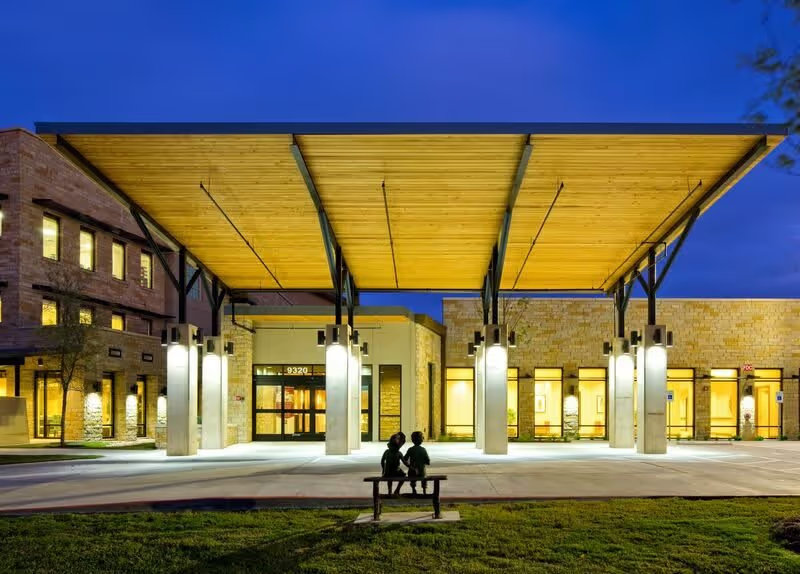
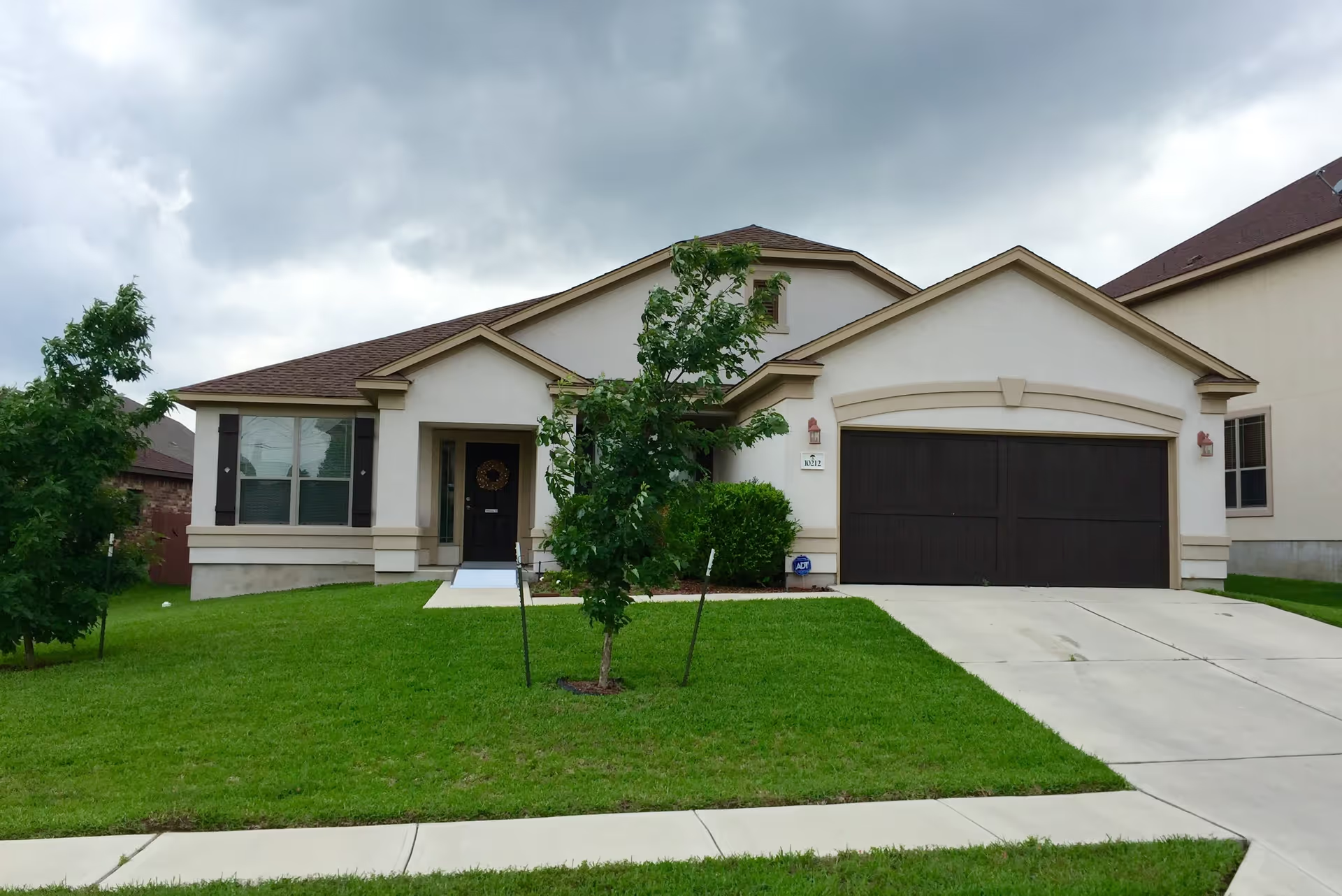
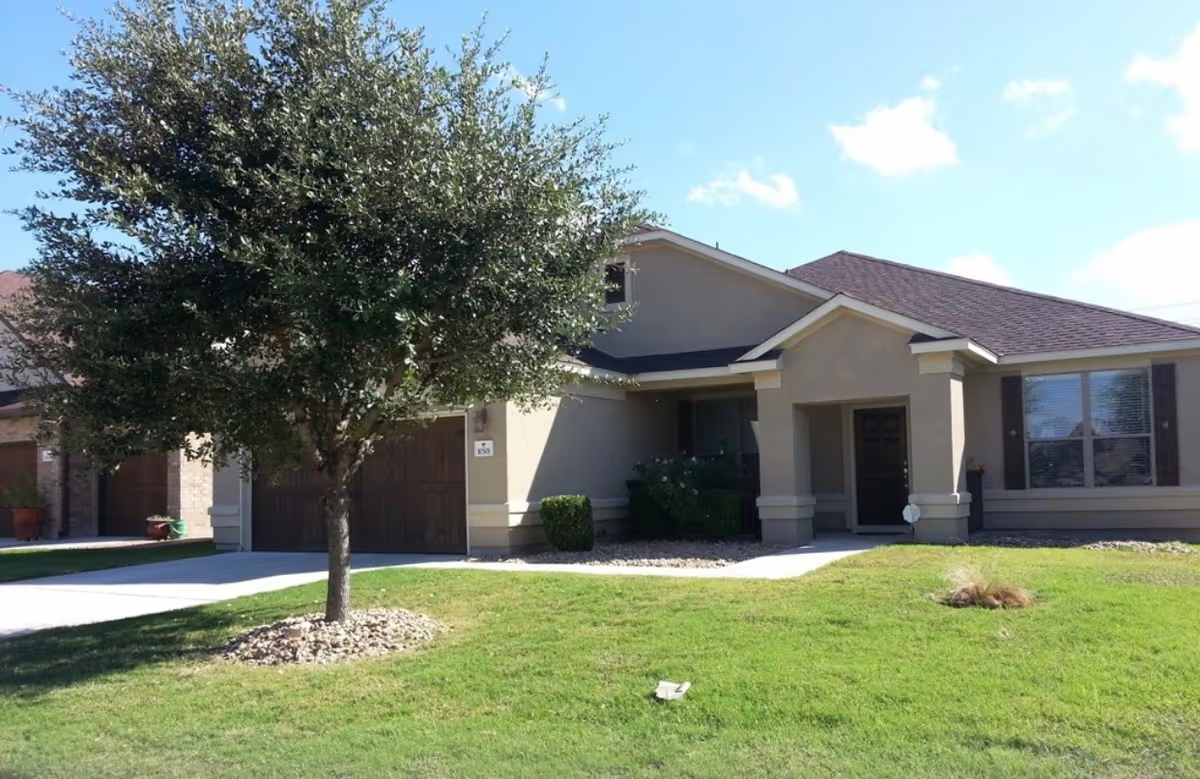
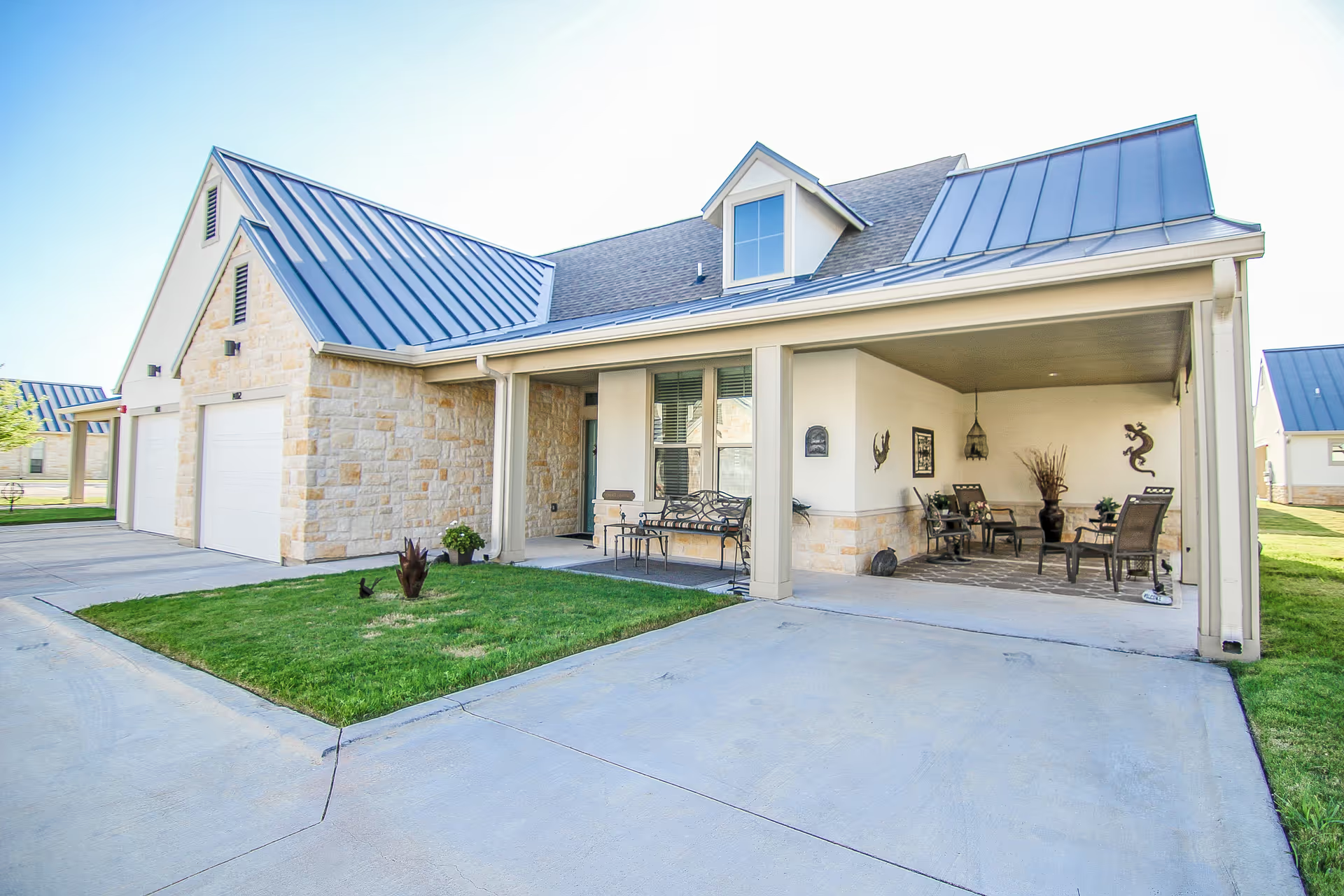
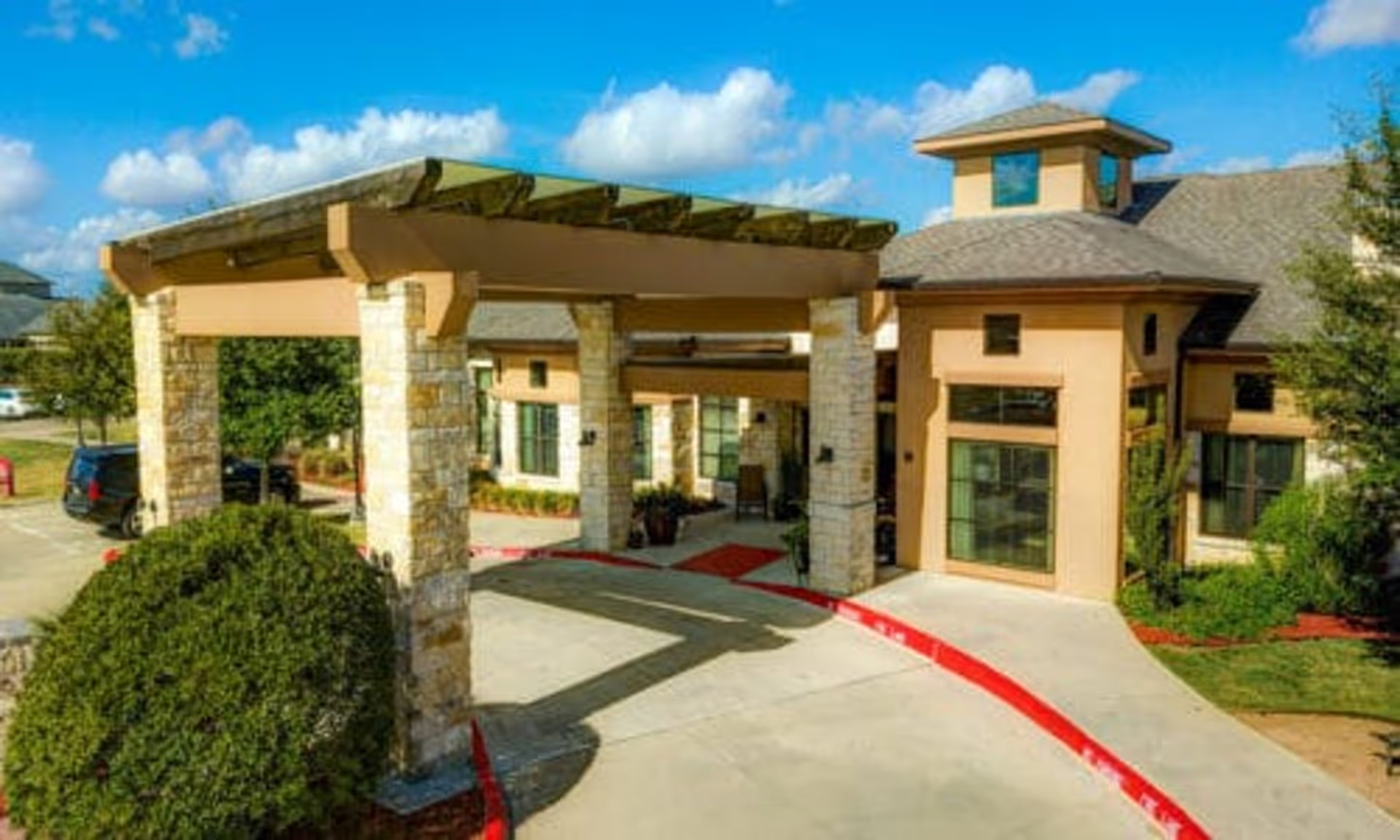
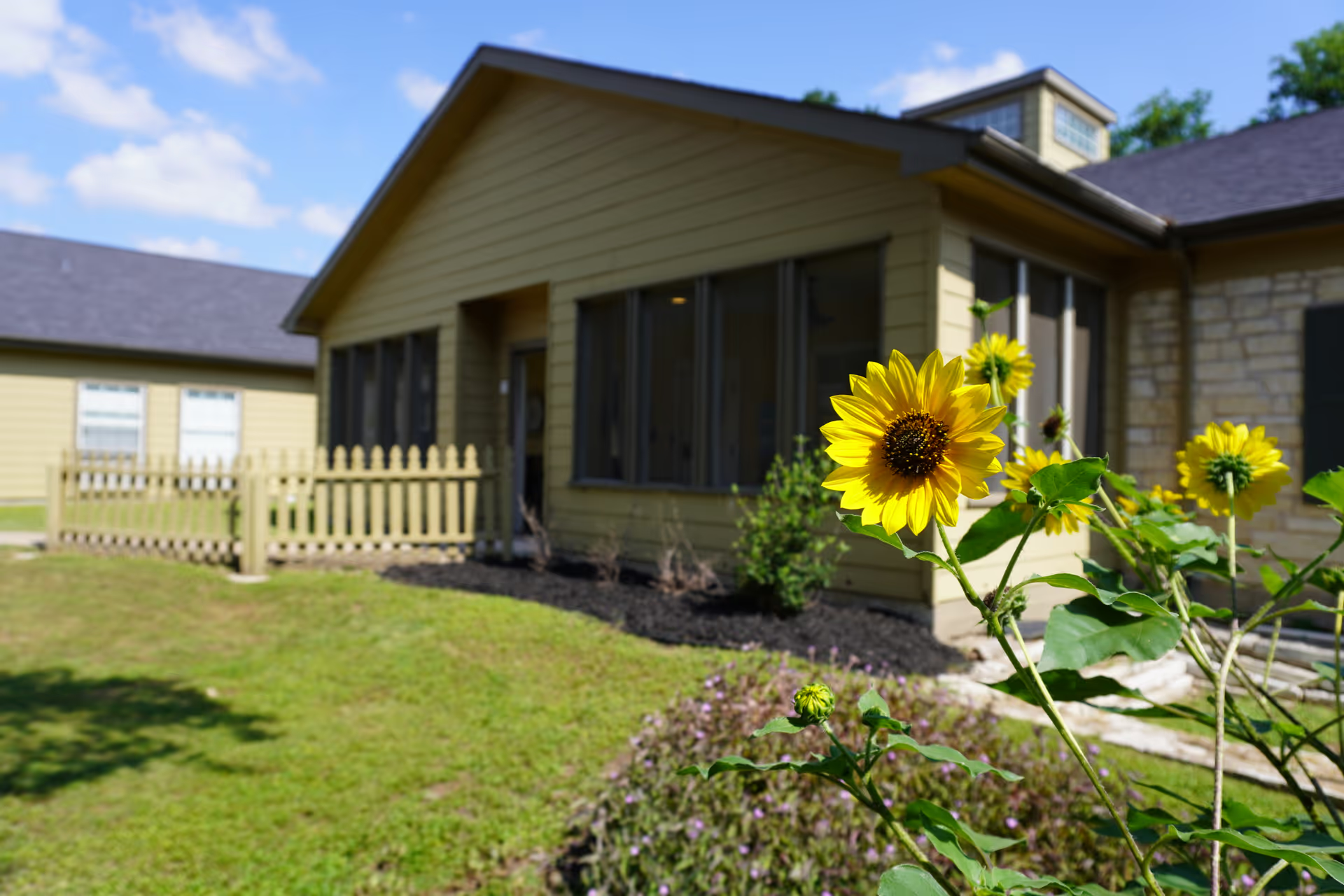
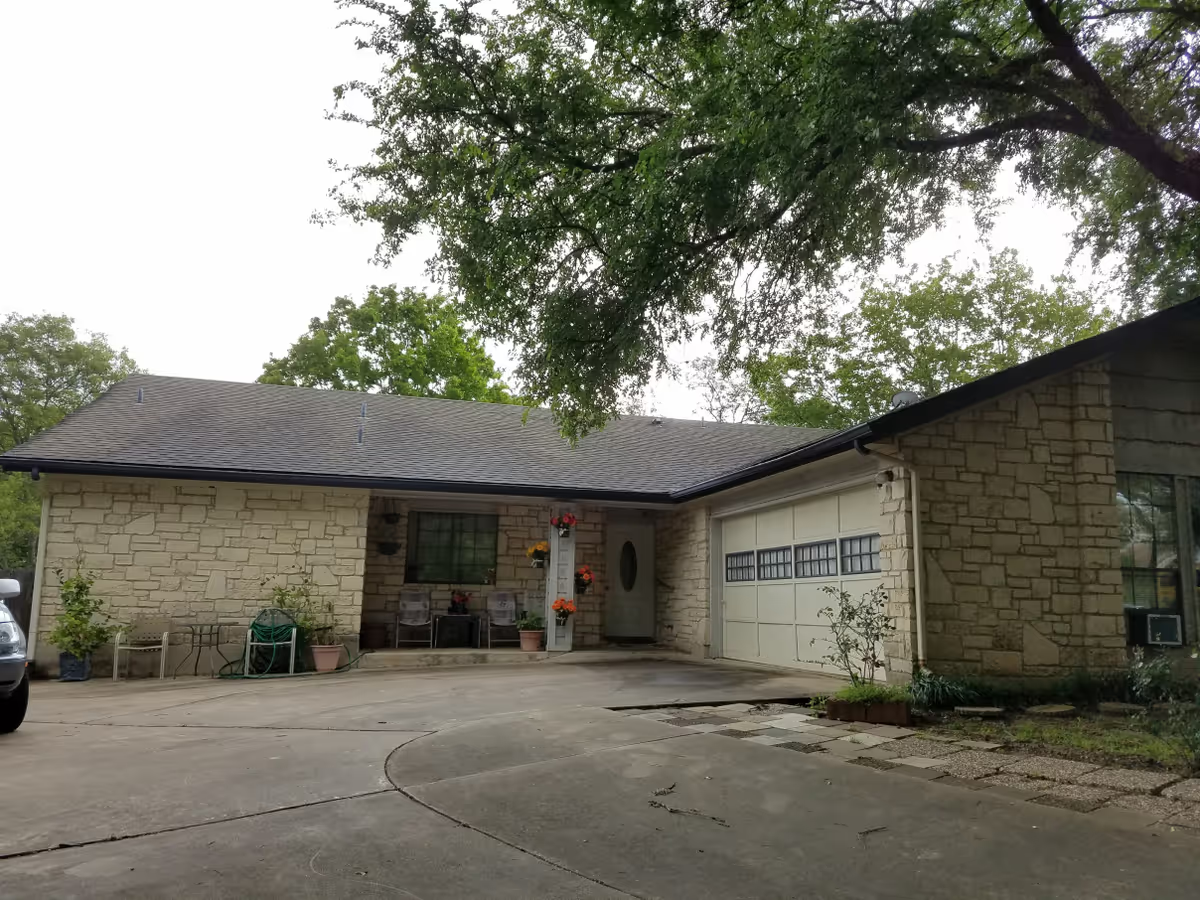
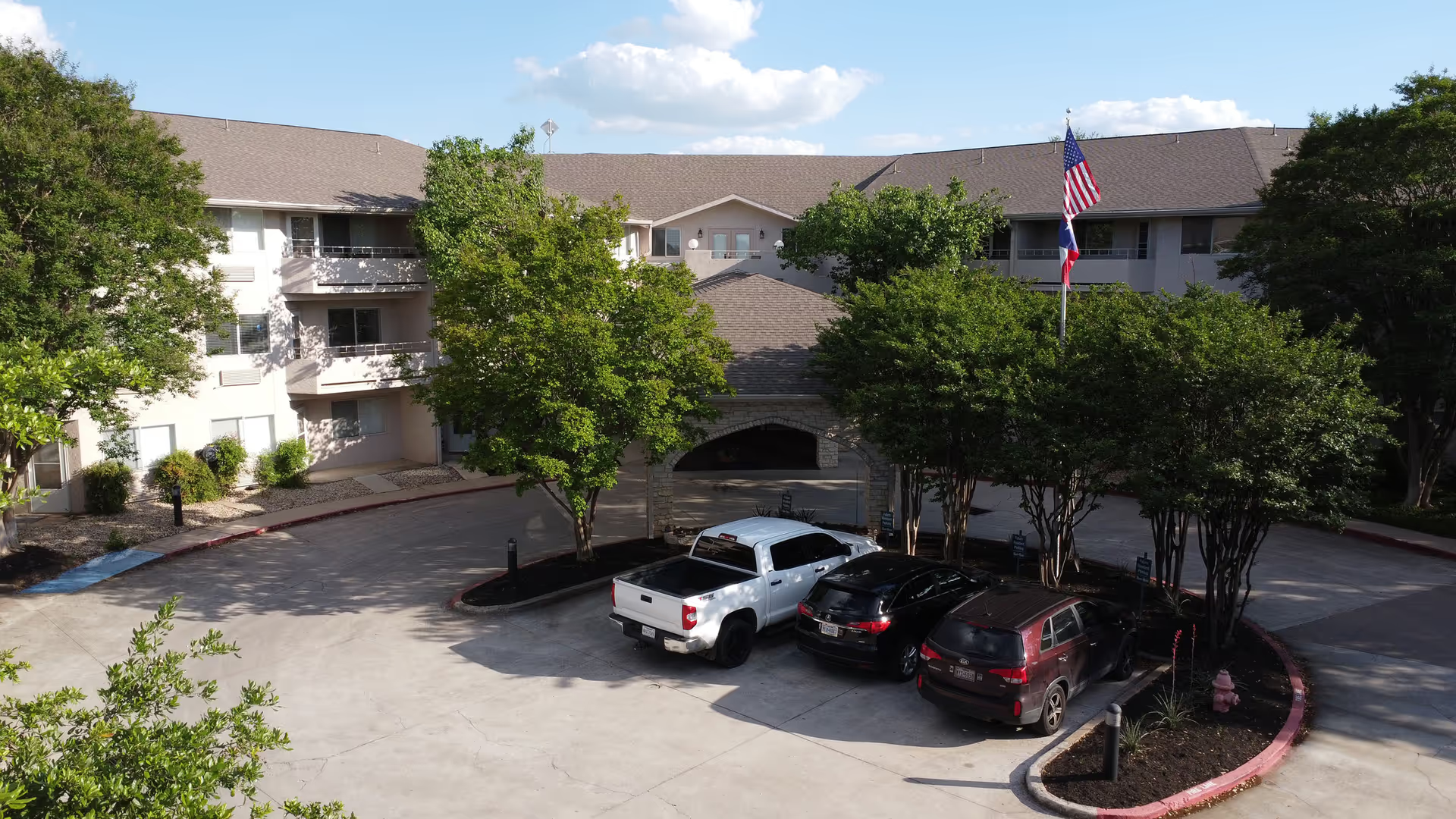
Southpark Meadows Nursing and Rehabilitation Center elicits strongly mixed impressions. Many families and patients praise the facility's rehabilitative strengths: an experienced PT/OT team, proactive therapy plans, and demonstrable functional gains for post-stroke and post-surgical patients. The activities program, repeatedly described as creative and energetic under a named activities director, is a consistent strength; holiday programming, music, worship services, pet visits and computer-based recreational therapy were noted as meaningful contributors to resident quality of life. The physical environment is frequently described as new, bright, single-floor, and generally clean, and reviewers also highlighted bilingual staff, on-site grooming services, and adaptive equipment availability as positives.
At the same time, reviewers describe a set of operational weaknesses that recur across accounts. Staffing levels and shift coverage are inconsistent, with particular concerns about night and weekend availability. These staffing gaps are linked to delayed responses to call lights and assistance requests, variability in CNA and nursing attentiveness, and occasional lapses in timely incontinence care and bathing schedules. Families also described inconsistent medication handling and documentation and raised concerns about transfer-safety practices (for example, bed-rail use and fall prevention), which together suggest the need for improved clinical oversight and training in some areas.
Communication is another common theme. While several administrators and managers receive praise for responsiveness and direct outreach, other accounts describe poor phone and front-desk accessibility, gaps in intra-staff handoffs, and incomplete or untimely communication with families—particularly during infection-control events. The facility experienced a COVID-19 outbreak in which families reported limited access, delayed updates, and inconsistent use of virtual visitation options; these accounts point to opportunities to strengthen outbreak communication protocols and family liaison processes. Discharge planning and paperwork were also described as inconsistent, creating challenges for transitions to home or other levels of care.
Dining and ancillary services elicited mixed feedback: some reviewers found food and meal service acceptable and appreciated family meal options, while others described early meal times and inconsistent food quality. Cleanliness and sanitation are generally viewed positively in many accounts given the newer facility, but a subset of reviews cited localized sanitation concerns and housekeeping delays that should be addressed. Finally, a small number of serious allegations—including theft/financial irregularities and significant clinical adverse events—appear in the record; these claims exceed routine quality concerns and warrant further inquiry through formal channels.
Overall, Southpark Meadows demonstrates clear strengths in rehabilitation, activities, and supportive leadership that many families find valuable. Prospective residents and families should weigh those strengths against documented operational variability—particularly staffing patterns, responsiveness to calls, communication practices, infection-control communication, and discharge coordination—and consider asking the facility for current staffing levels, recent infection-control outcomes, fall-prevention protocols, and examples of discharge planning before admission.