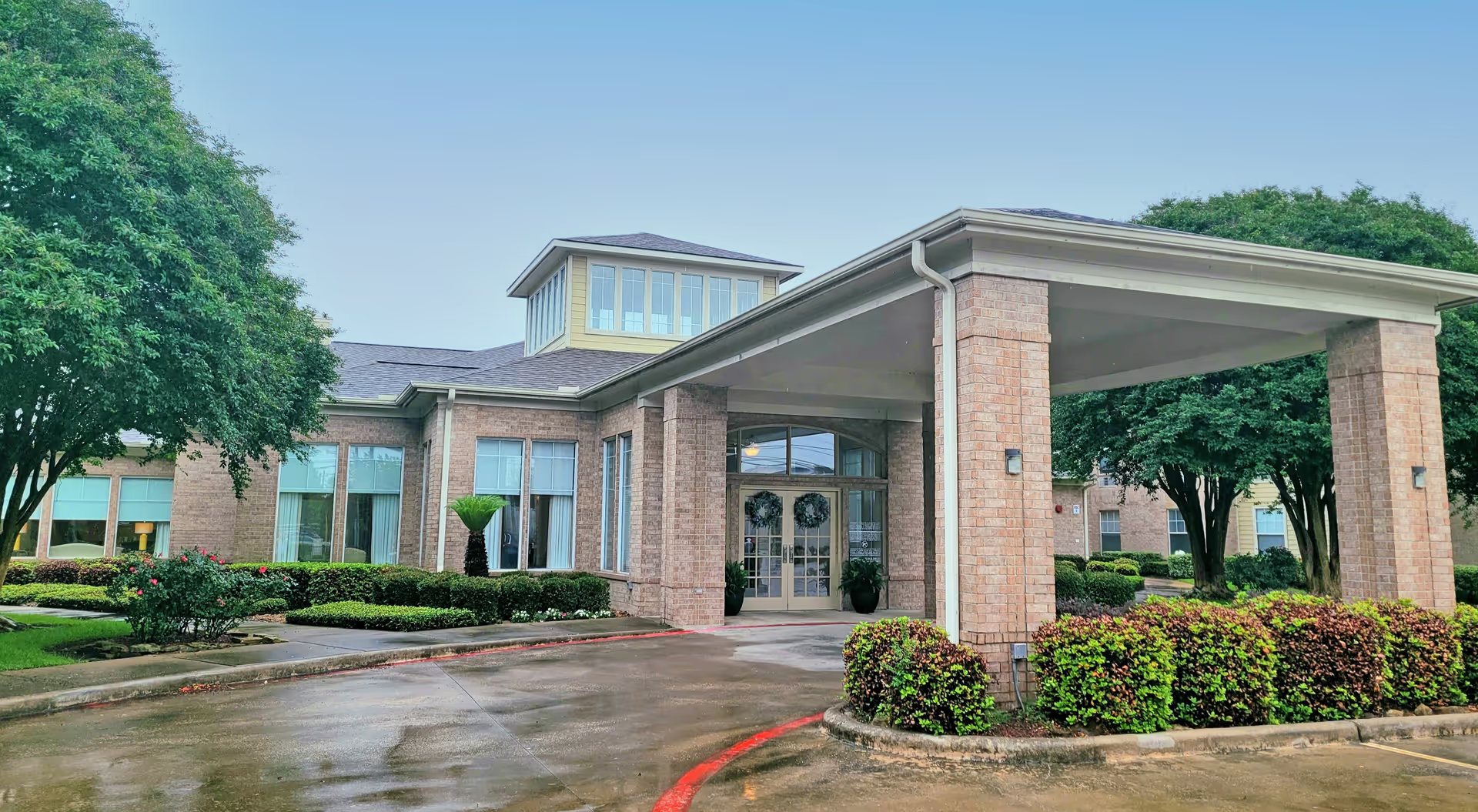
RollingBrook Rehabilitation and Healthcare Center presents a mixed profile. The facility is new, clean, and attractively appointed, with many families and residents noting a welcoming physical environment, private bathrooms in semi‑private rooms, and an active activity program. Rehabilitation services are a clear strength: physical therapy, occupational therapy and speech therapy receive frequent praise for effectiveness and engagement. Admissions staff, certain administrative leaders, and several nurses and CNAs are often described as compassionate and helpful, and some recent leadership changes have been credited with operational improvements.
Clinical care quality is uneven. While therapy teams tend to deliver strong post‑acute support, reviewers raise repeated concerns about medication administration delays and documentation inconsistencies, as well as gaps in skin integrity and wound‑care processes. Some families described instances where they felt the care team was slow to respond to needs or required persistent advocacy to obtain timely attention. Discharge decision‑making and post‑acute planning were also noted as inconsistent, with a subset of cases describing premature transitions or disappointing recovery outcomes after planned rehab stays.
Staffing and culture are recurring operational themes. Medicare ratings indicate above‑average health inspection and quality measures but below‑average staffing; reviewers describe reliance on temporary agency staff and frequent turnover that contribute to inconsistent resident experience. Communication quality varies — some families report excellent, family‑centered communication and a single point of contact, while others cite poor follow‑up, delayed callbacks, or a discourteous tone from particular staff members. There are also isolated, serious allegations about unprofessional conduct and discriminatory behavior; these appear episodic but have materially affected trust for some families.
Dining and support services show variability. Several reviews praise friendly kitchen staff and periods of good meals, while many others note cold or skipped meals, small portions, limited variety, and inconsistent adherence to therapeutic meal plans. Housekeeping is generally viewed positively in many areas, but there are occasional concerns about cleanliness, pest control, and missing personal items, indicating weaknesses in inventory and housekeeping processes. Laundry and therapy transition supports are cited positively in some accounts.
For prospective residents and families: RollingBrook offers a modern environment and strong rehabilitation programs, supported by many committed clinicians and aides. However, there are notable operational vulnerabilities — staffing levels and reliance on agency personnel, medication and wound‑care process gaps, variable meal service, and inconsistent communication — that warrant active oversight. Families considering placement should inquire about current staffing ratios, wound‑care protocols, medication administration safeguards, procedures for belongings management, and how leadership is addressing reported cultural and conduct concerns. Engagement with administration on a clear point of contact and documented care plans may help mitigate variability in the resident experience.