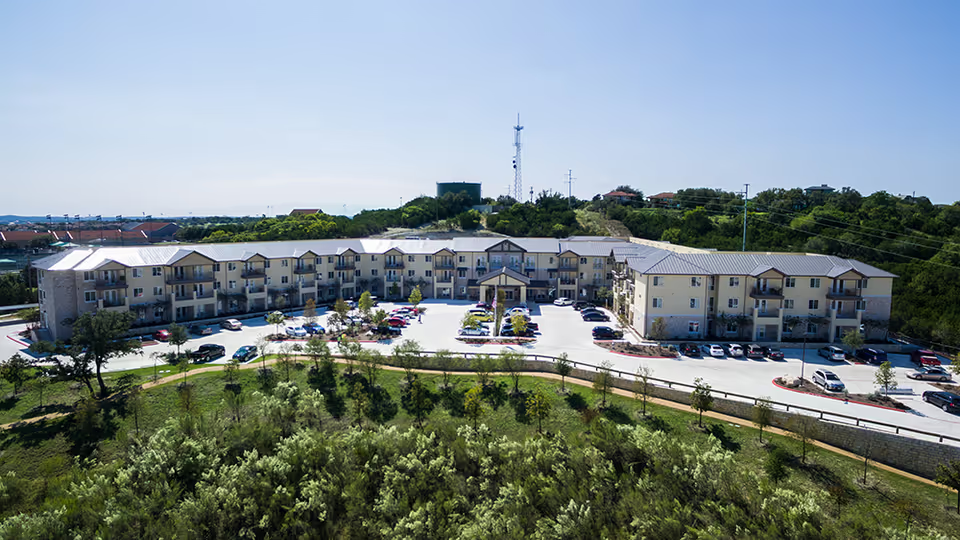
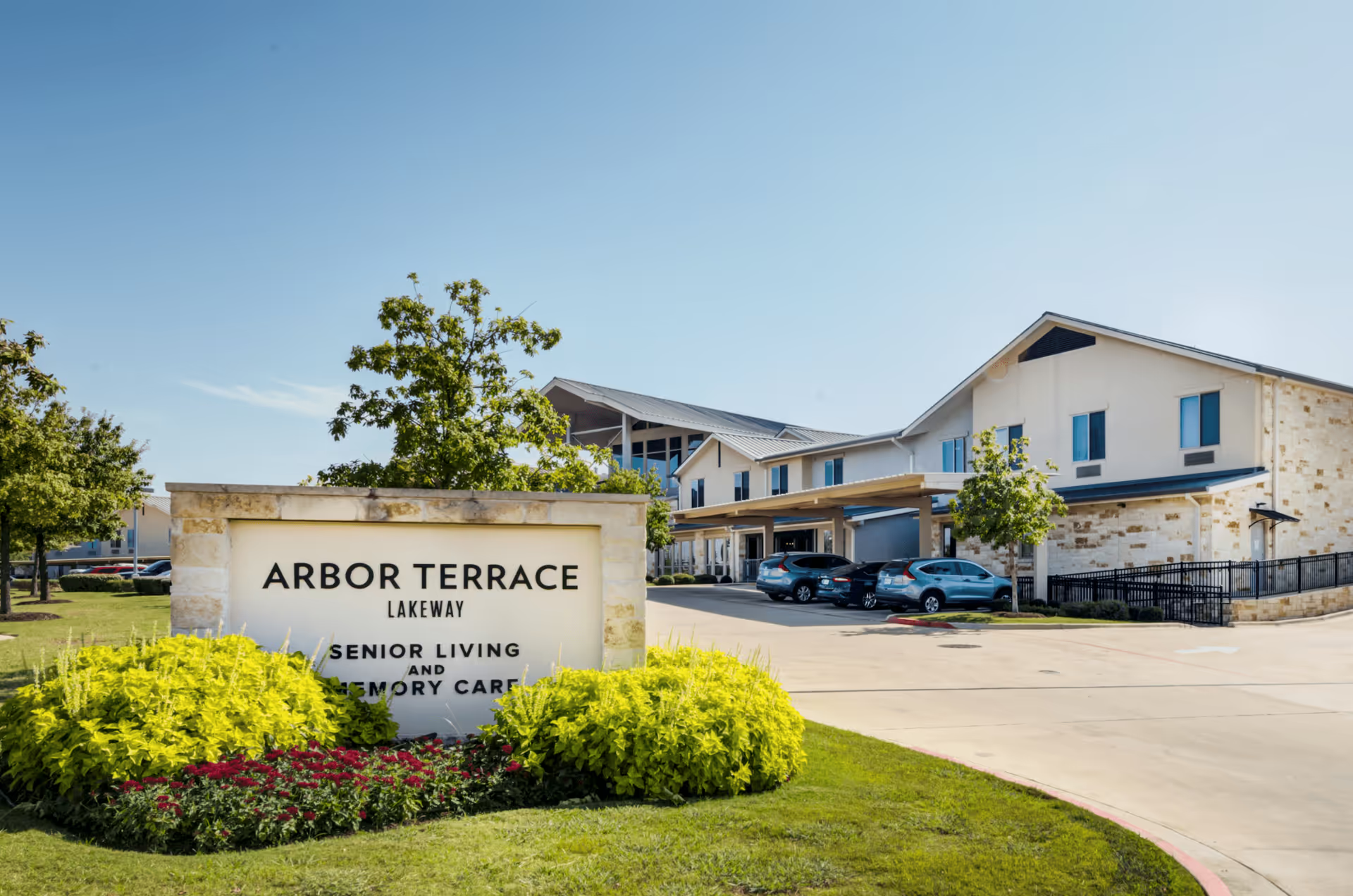
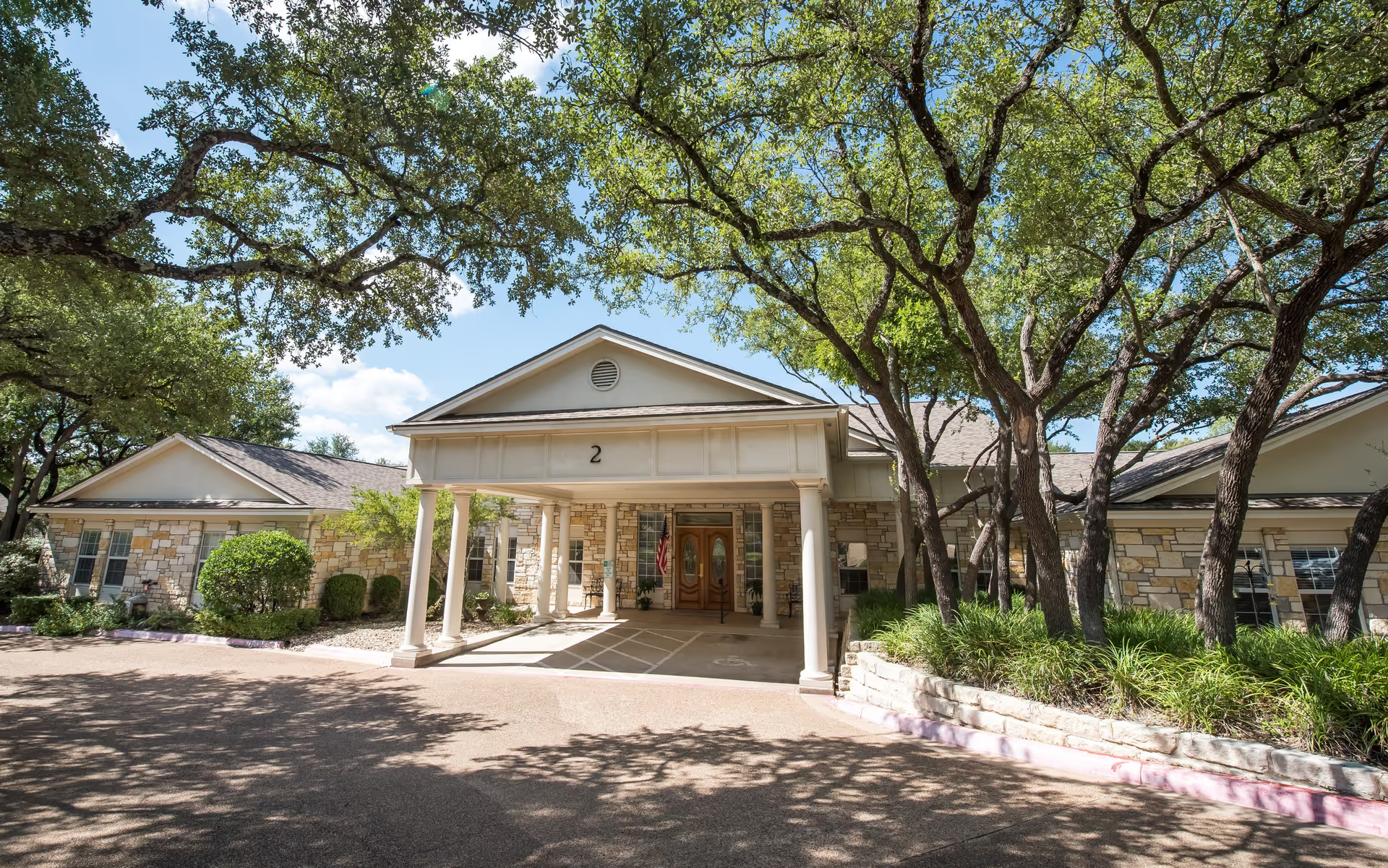
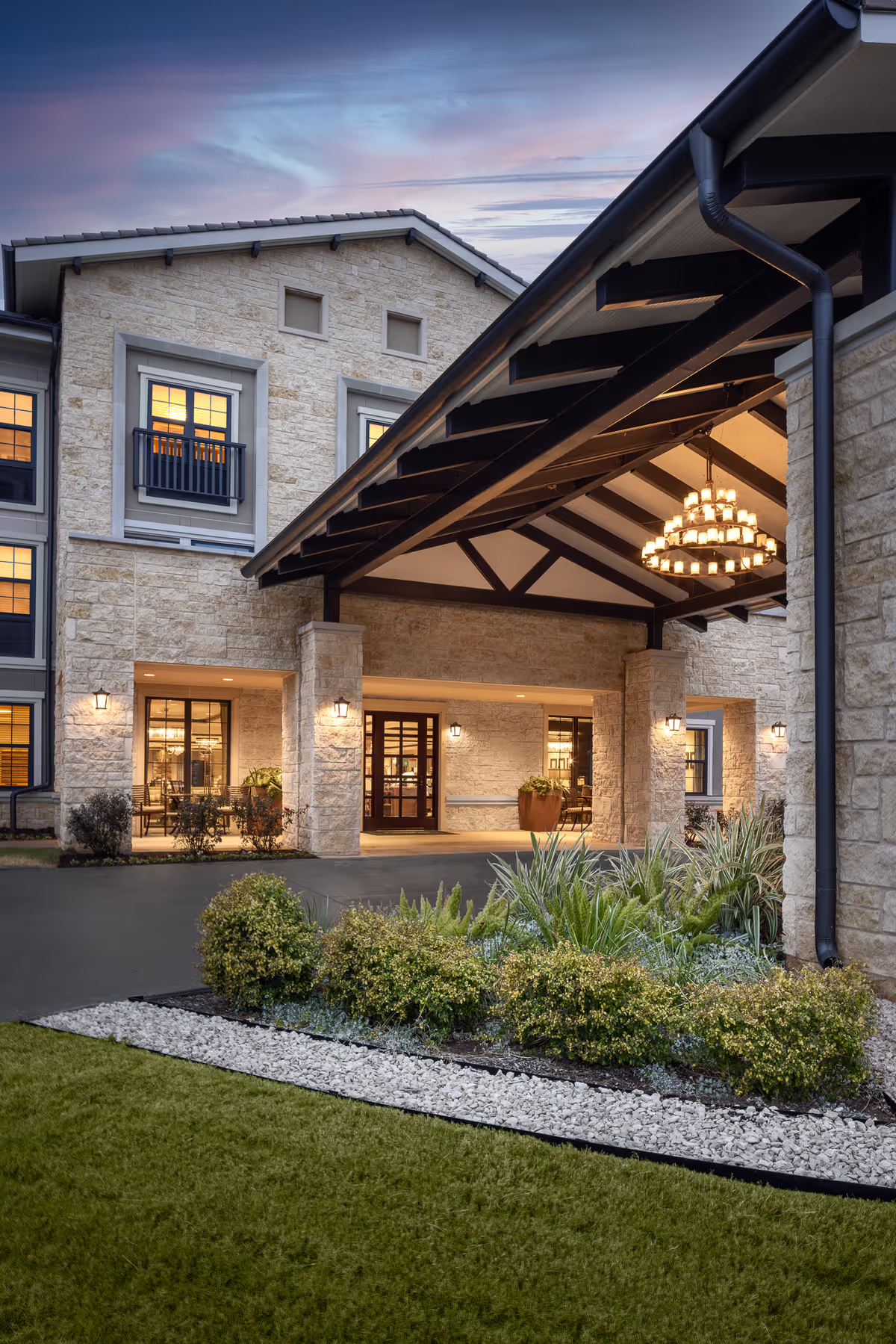
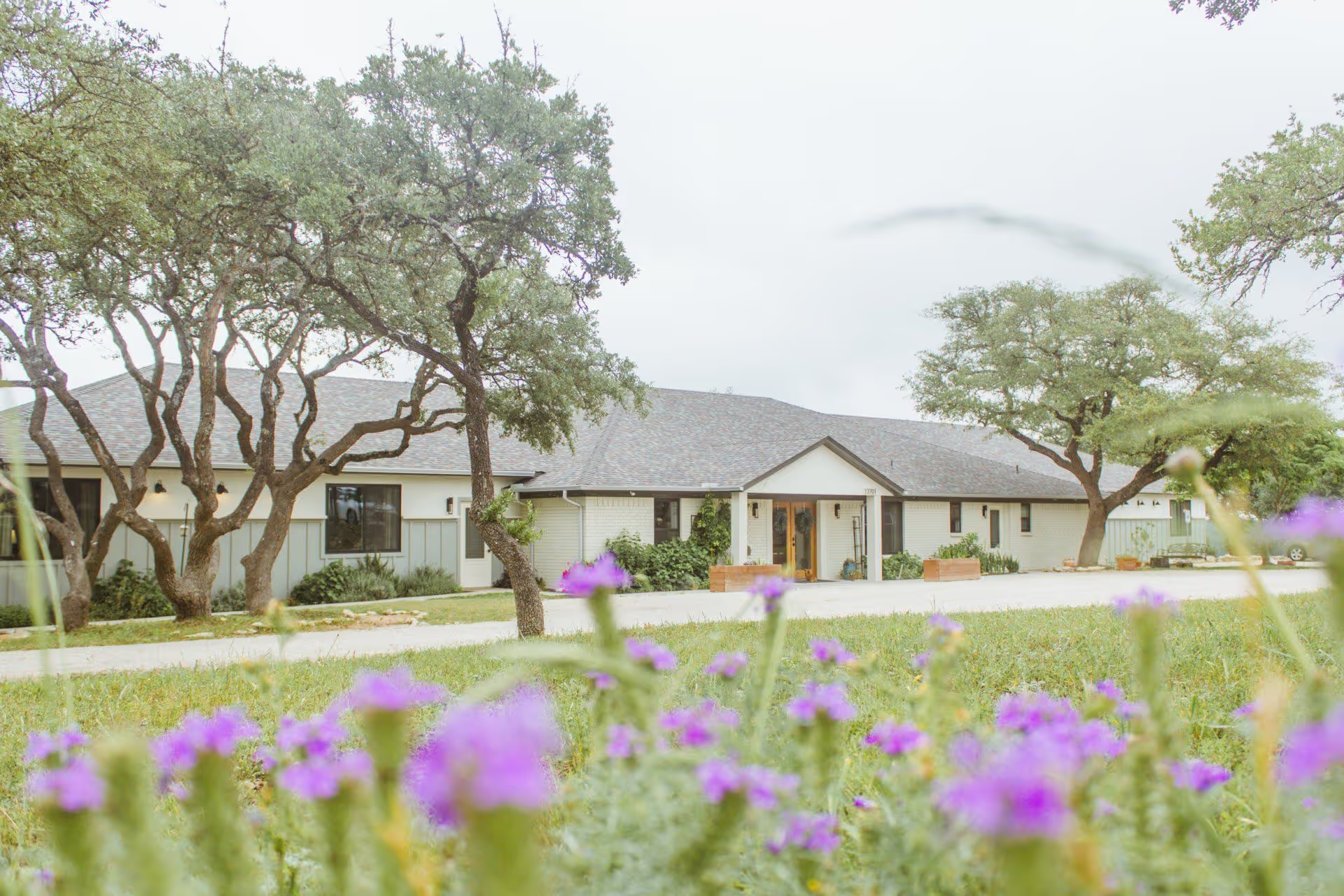
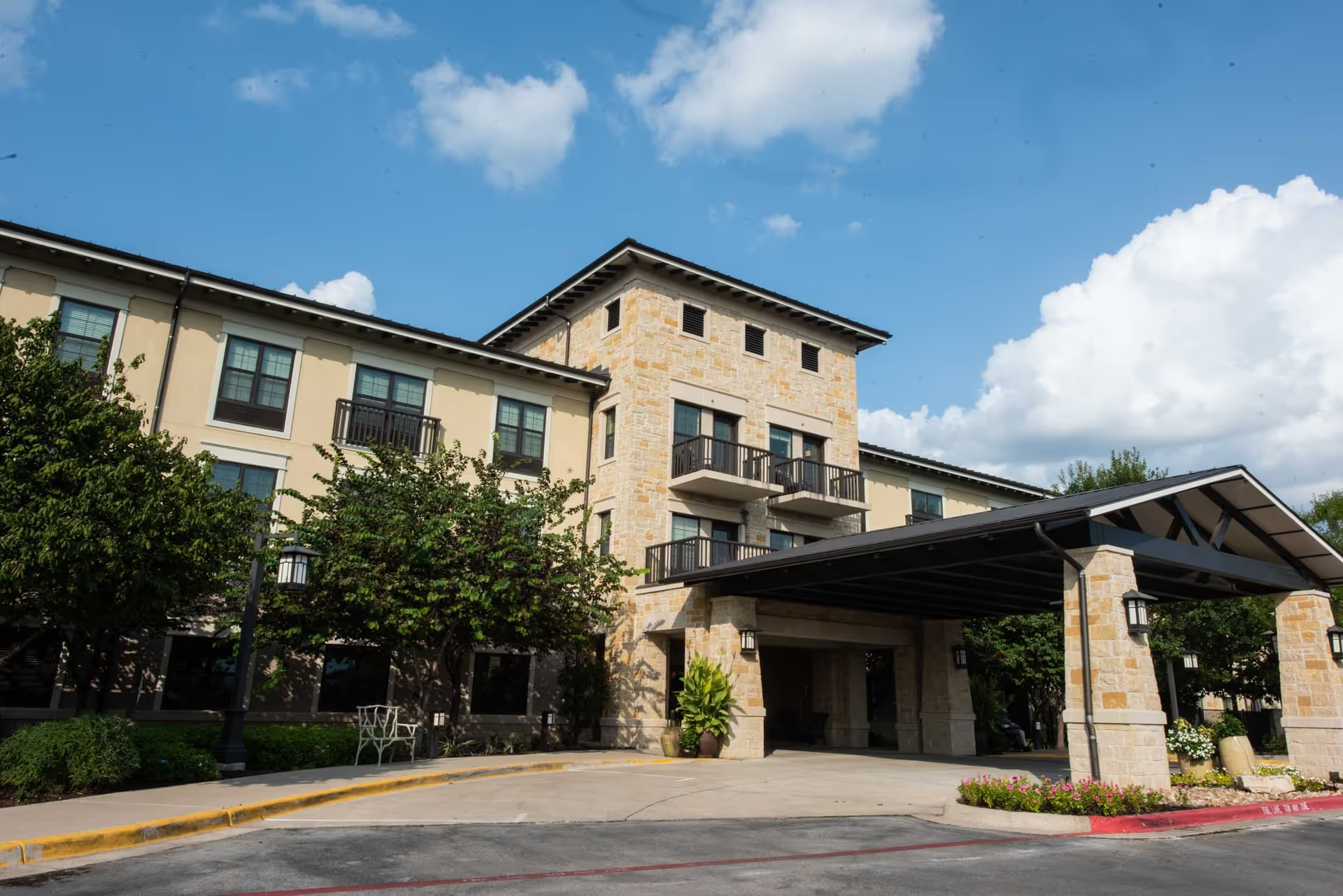
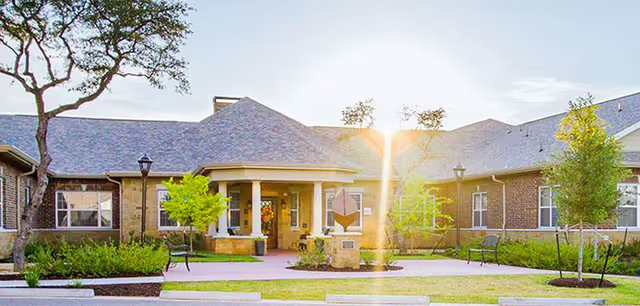
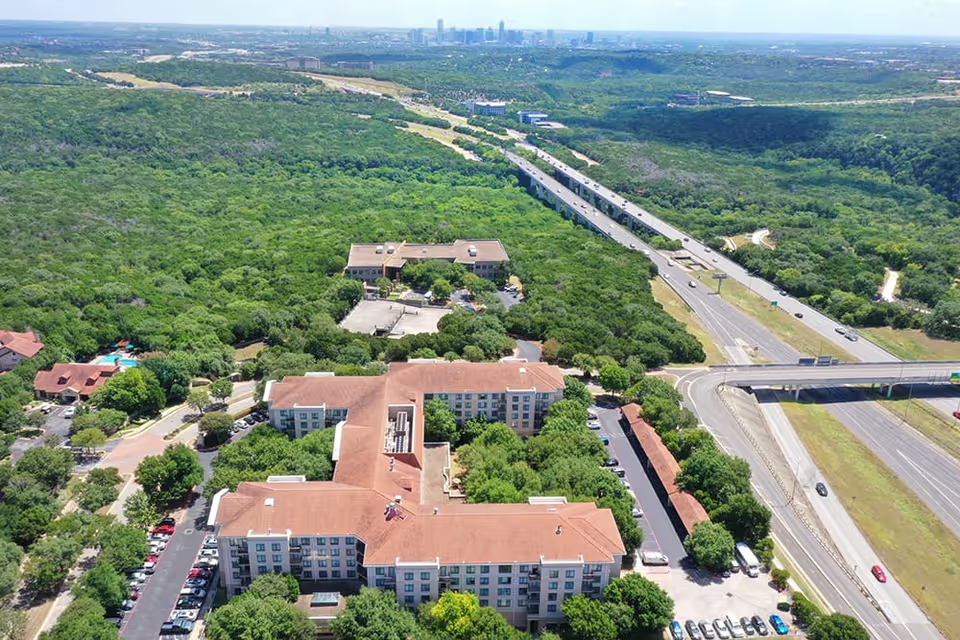
The Auberge at Bee Cave is consistently described as an attractive, home-like community with well-maintained grounds and substantial outdoor spaces. Reviewers frequently highlight the facility’s design qualities — interior and exterior courtyards, broad hallways, private-bathroom options, and communal areas — that support mobility and social engagement. For prospective residents seeking dementia-focused care, the community’s memory-care program and use of SPARK/Montessori-informed approaches are commonly mentioned as distinguishing strengths.
Care and staffing impressions are mixed but clear in pattern. Many families describe compassionate, attentive caregivers and strong hands-on caregiving from nurses and aides, citing individualized attention and organized routines. At the same time, there are recurrent operational concerns: inconsistent staffing levels, turnover, and periods when coverage is thin (evenings, nights, and weekends). These staffing fluctuations are linked in several accounts to delays in response, supervision gaps, and variability in caregiver engagement. A smaller number of more serious clinical concerns were raised around medication handling and clinical oversight; these reviews indicate a need to verify the facility’s current medication administration protocols and clinical escalation procedures.
Dining and activities receive generally positive remarks but with variability. Many reviewers praise the appearance and appeal of meals and note organized dining assistance when needed. Conversely, other accounts point to inconsistent meal-service continuity or fluctuations in food quality. Activity programming is frequently described as creative and meaningful — including dementia-specific engagement — but some families felt scheduled activities were less consistently delivered, or that the activity director role was not always filled.
Facility operations and management show a split pattern. Several families report responsive, solution-oriented leadership that provides clear communication and rapid correction when issues arise. Other reviews describe declines in oversight following management changes, inconsistent communication, and administrative difficulties such as billing or refund disputes. Additional operational concerns raised include sanitation/odor issues in limited areas and situations suggesting room for improvement in supervision and fall/wandering-prevention practices.
Taken together, the reviews portray a community with clear strengths in environment, design, and dementia-focused programming, supported by many dedicated staff members. However, operational variability — especially in staffing consistency, management stability, clinical oversight, and program delivery — appears to drive divergent family experiences. Prospective residents and families may benefit from an in-person tour, direct discussions about staffing ratios (including night/weekend coverage), current clinical policies for medication administration, a sample activity calendar, and clarification of administrative and billing processes before making a placement decision.