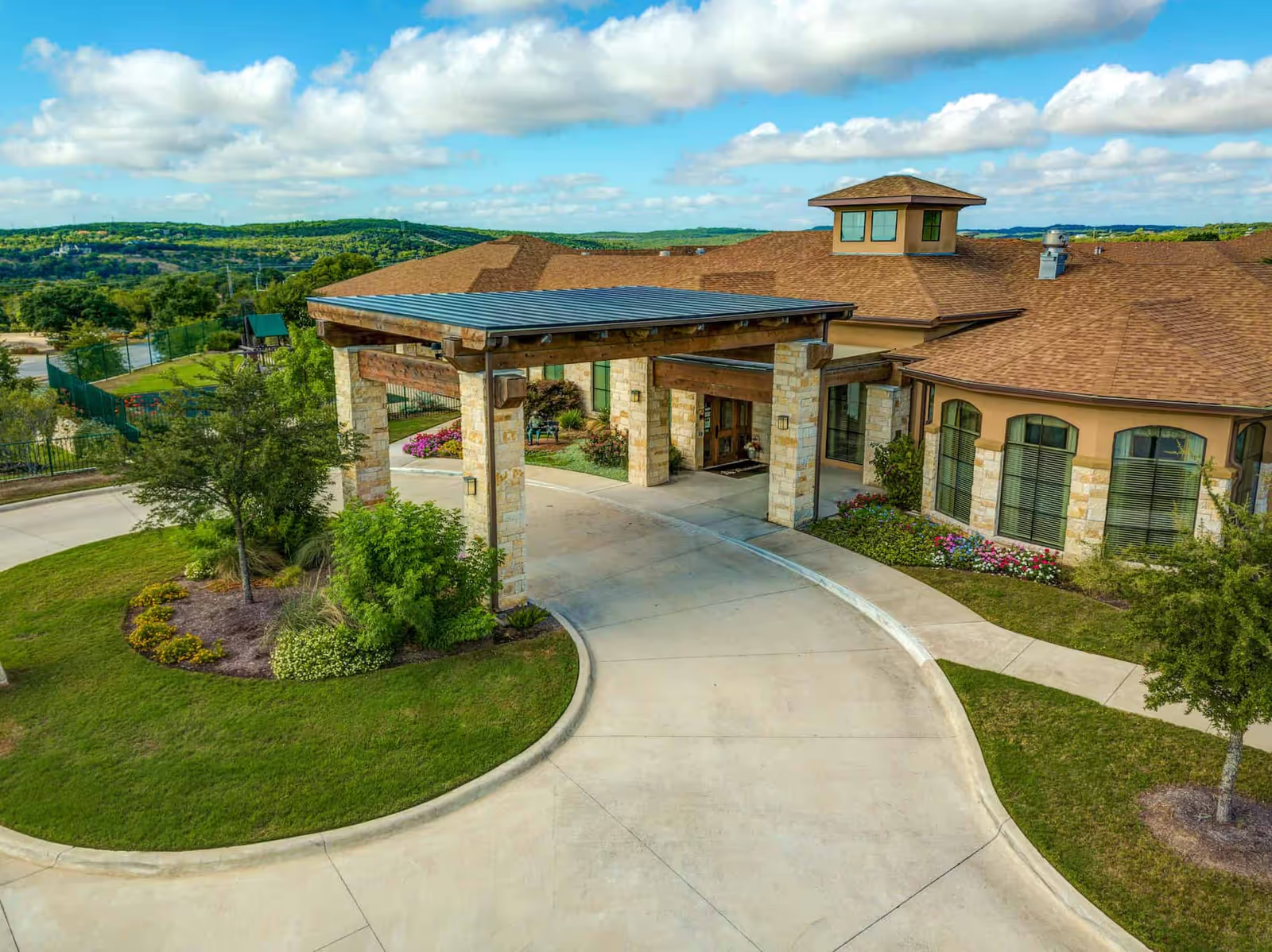
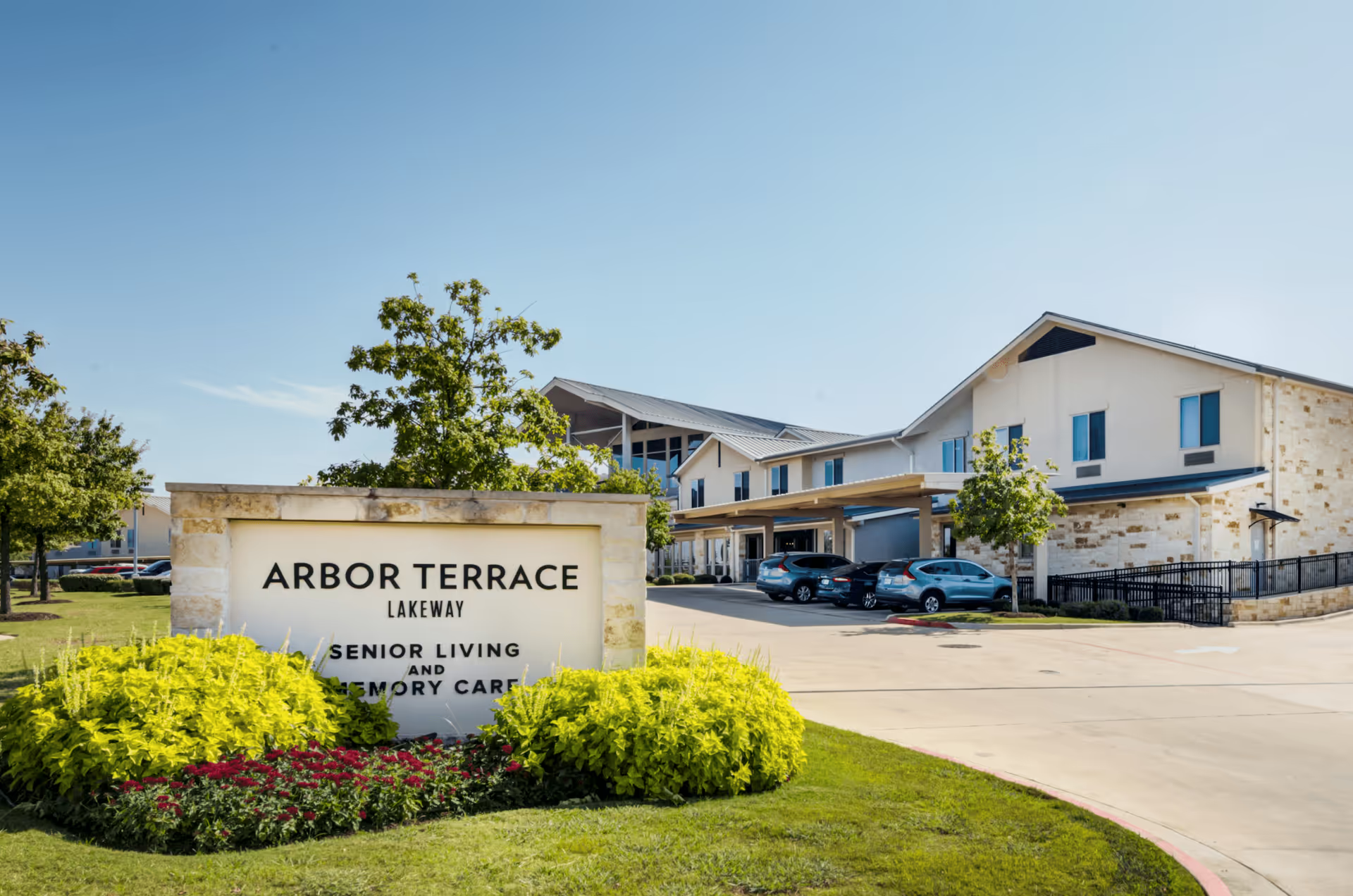
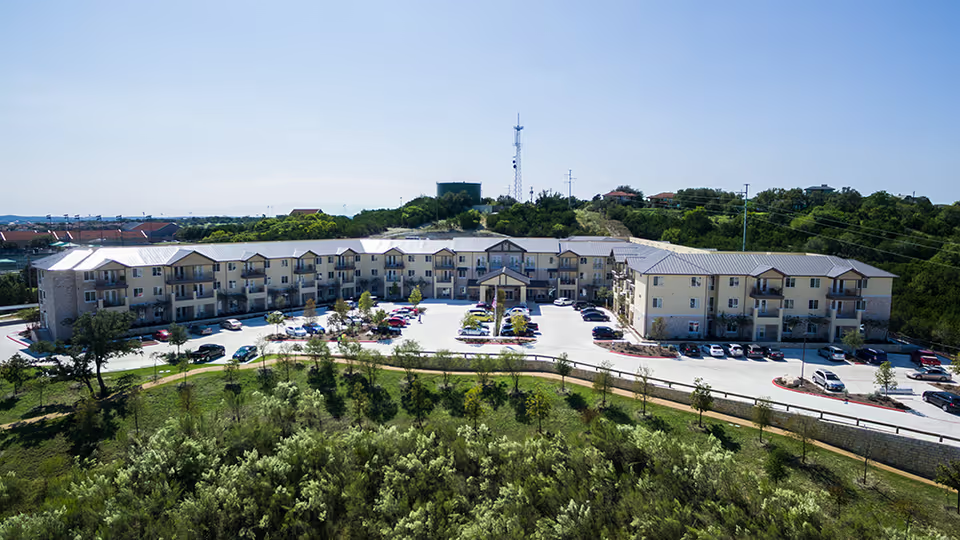
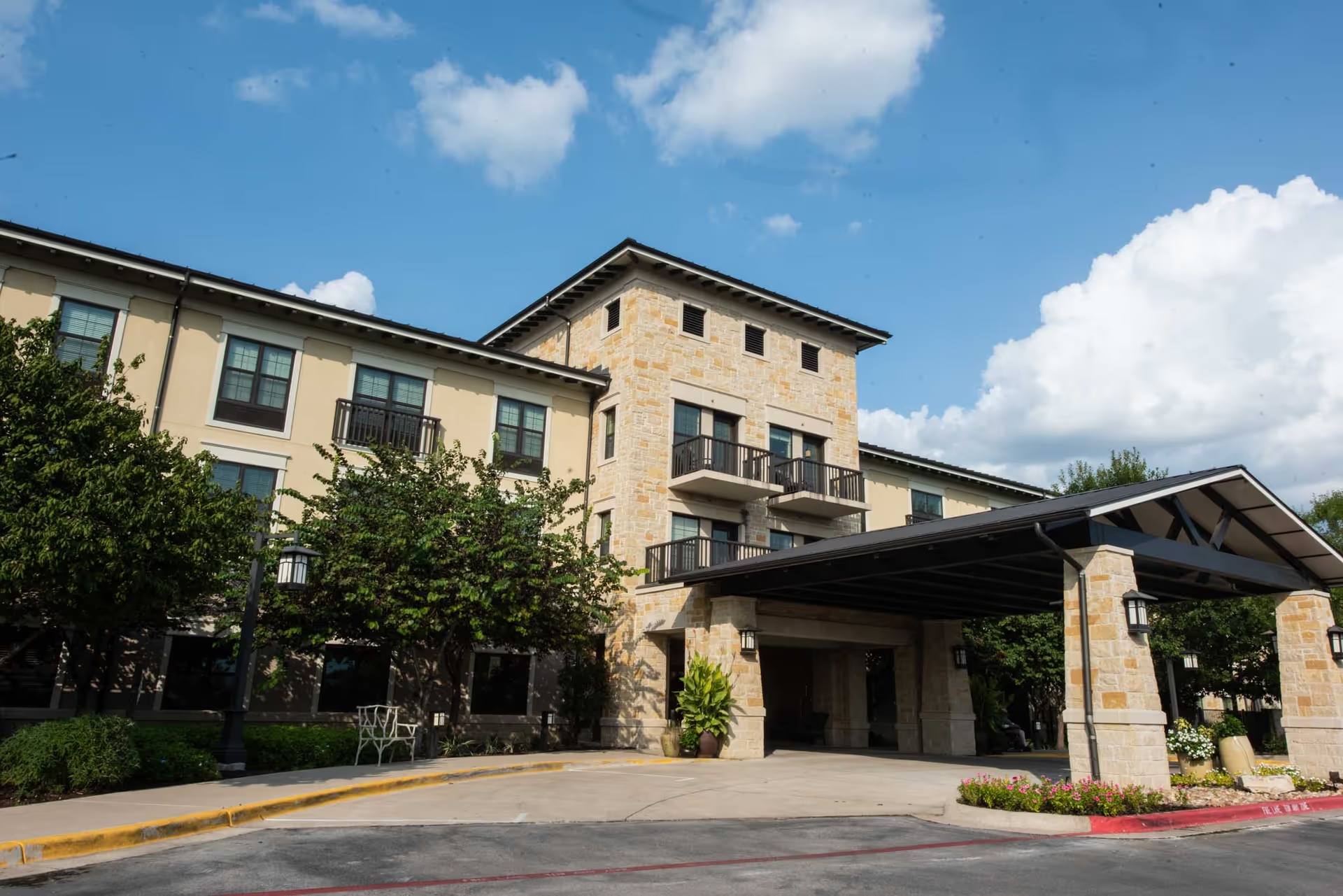
Across the collected feedback, S.P.J.S.T. Assisted Living at Lake Travis is most frequently characterized as a small, home-like facility with a strong emphasis on compassionate caregiving and high-quality dining. Many families highlight long-tenured staff, a high staff-to-resident ratio, and a welcoming, tidy environment. The facility’s from-scratch, health-focused meals and ability to accommodate diet-specific needs are repeatedly noted as a distinguishing strength. Outdoor spaces, including a tranquil deck, and a non-institutional atmosphere contribute to a sense of community and resident comfort.
Care and staffing are commonly described in positive terms: staff are portrayed as kind, patient, and personally engaged with residents, with several mentions of experienced caregivers and memory-care expertise. That said, the feedback is not uniform. There are recurring operational concerns about inconsistent care responsiveness — specifically variability in bathing schedules and incontinence-care handling — and occasional lapses in attending to resident needs. Additionally, a number of comments indicate periods of understaffing or active recruiting, which families linked to variability in service levels.
Dining and activities are areas of clear strength. Reviewers consistently praise the quality and health orientation of the food, the skill of the kitchen staff, and the facility’s willingness to meet dietary requirements. The activity program is described as active and engaging, with scheduled entertainment, arts-and-crafts, and social programming that support resident engagement and quality of life. That said, social engagement among residents varies; some families noted limited participation or emotional withdrawal by individual residents.
The physical plant is described as clean, comfortable, and well-maintained, reinforcing the small-house, non-institutional feel. Practical limitations include small common rooms and a constrained dining/living area footprint, as well as limited room availability and a range of room views (some units face parking areas). These constraints can affect privacy and space for visitors or larger communal events.
Management and communication receive mixed commentary. Many families commend accessible, responsive leadership and proactive communication that provides peace of mind. Conversely, there are concerns about recent ownership or managerial changes described as abrupt, and at least one comment referenced contested personnel actions; these items contribute to perceptions of managerial instability among some families. Pricing is generally described as reasonable given the services and food, though a portion of feedback frames cost as high relative to other local options.
In summary, the facility’s primary strengths are personalized, warm caregiving, excellent meals, and a home-like setting with strong memory-care practices. Prospective residents and families should weigh these strengths against evidence of occasional variability in staffing and direct-care routines, limited common-space capacity, and potential impacts from recent management changes. When considering this facility, targeted questions about current staffing levels, bathing/incontinence-care protocols, room availability, and how new management changes are being implemented would help clarify fit for an individual resident’s needs.