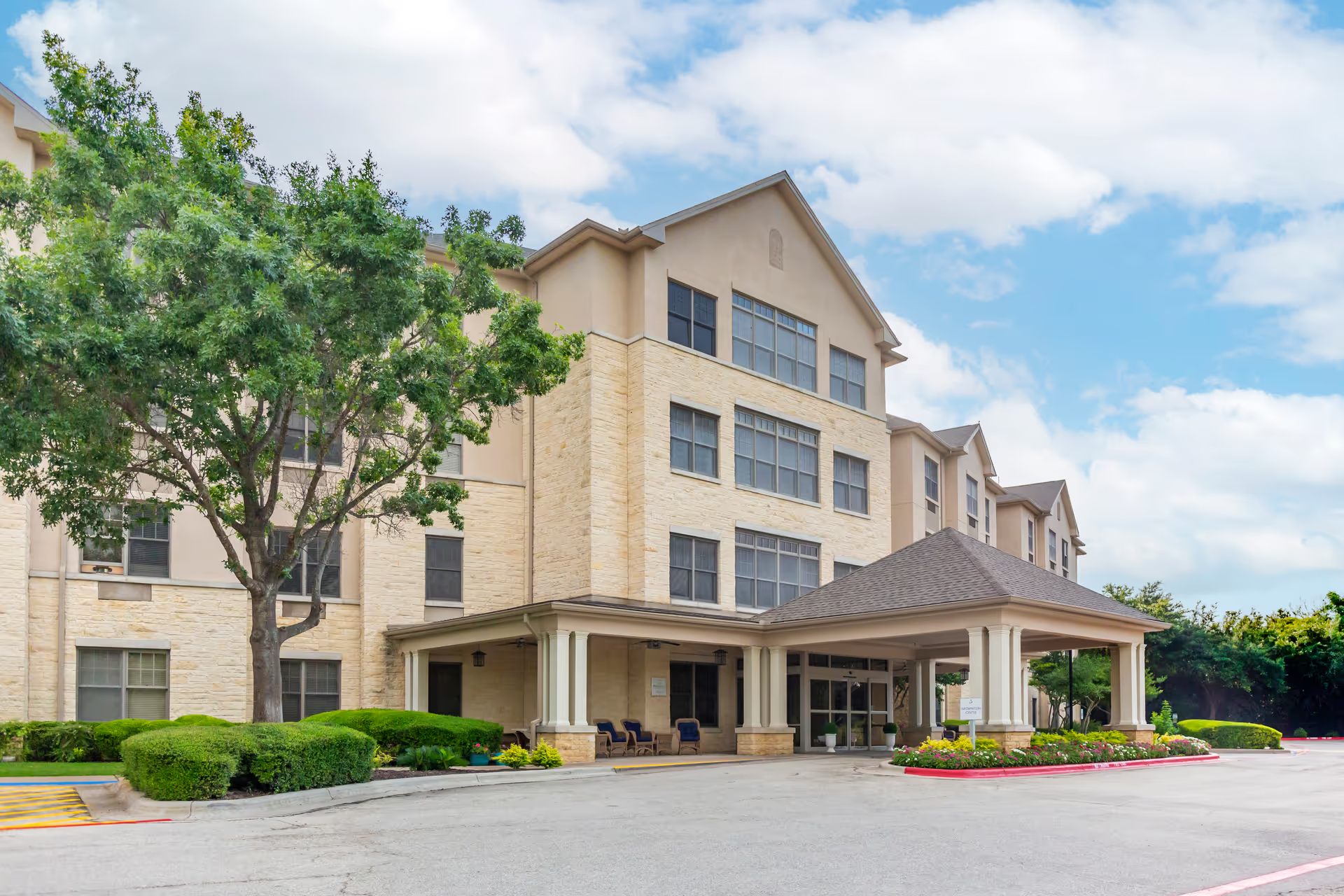
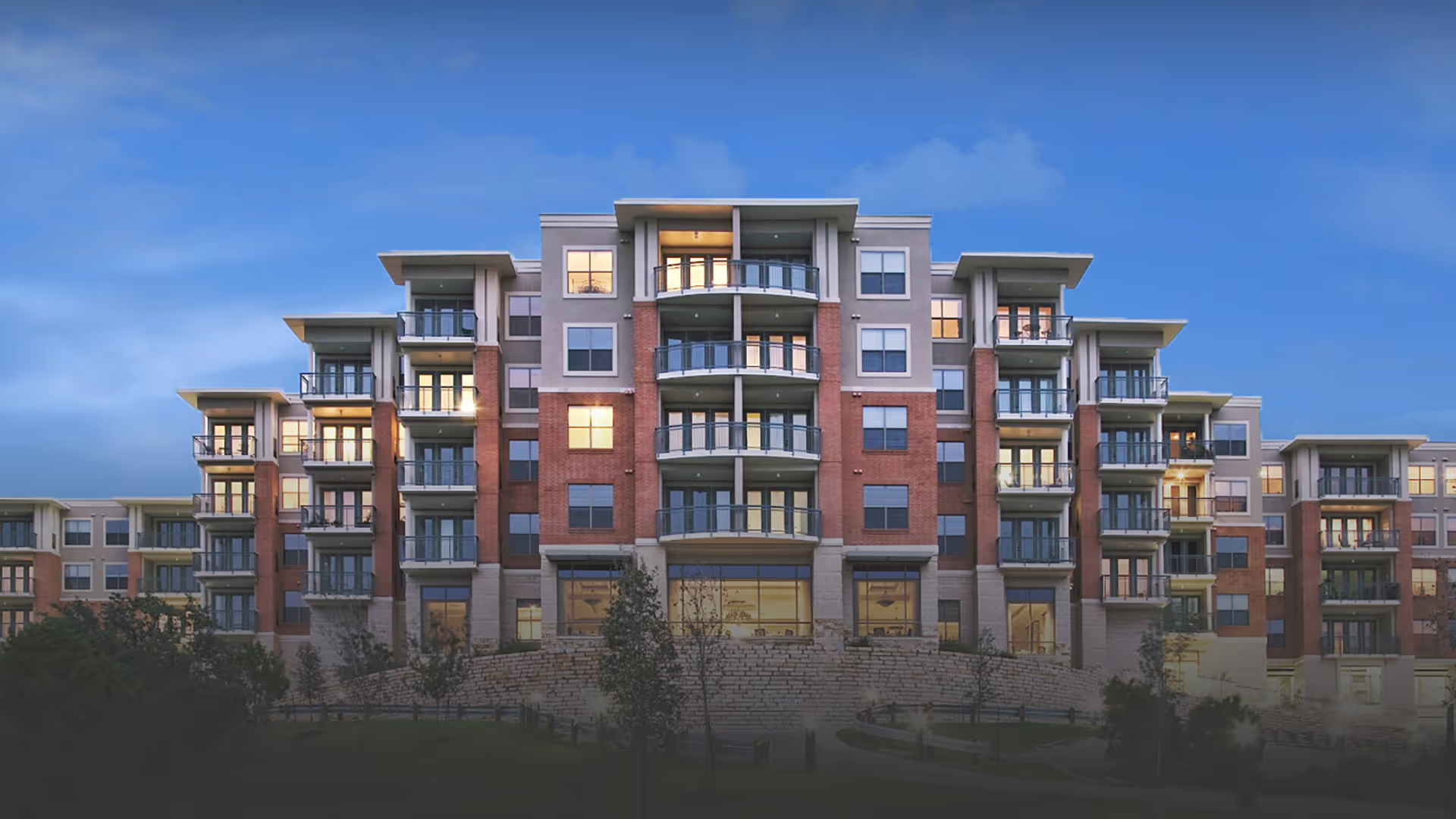
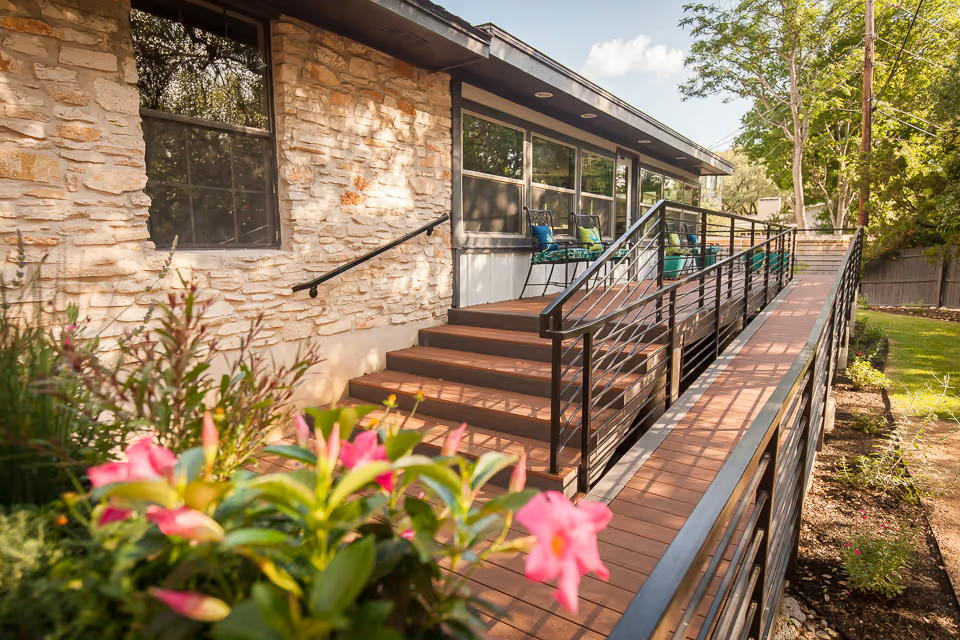
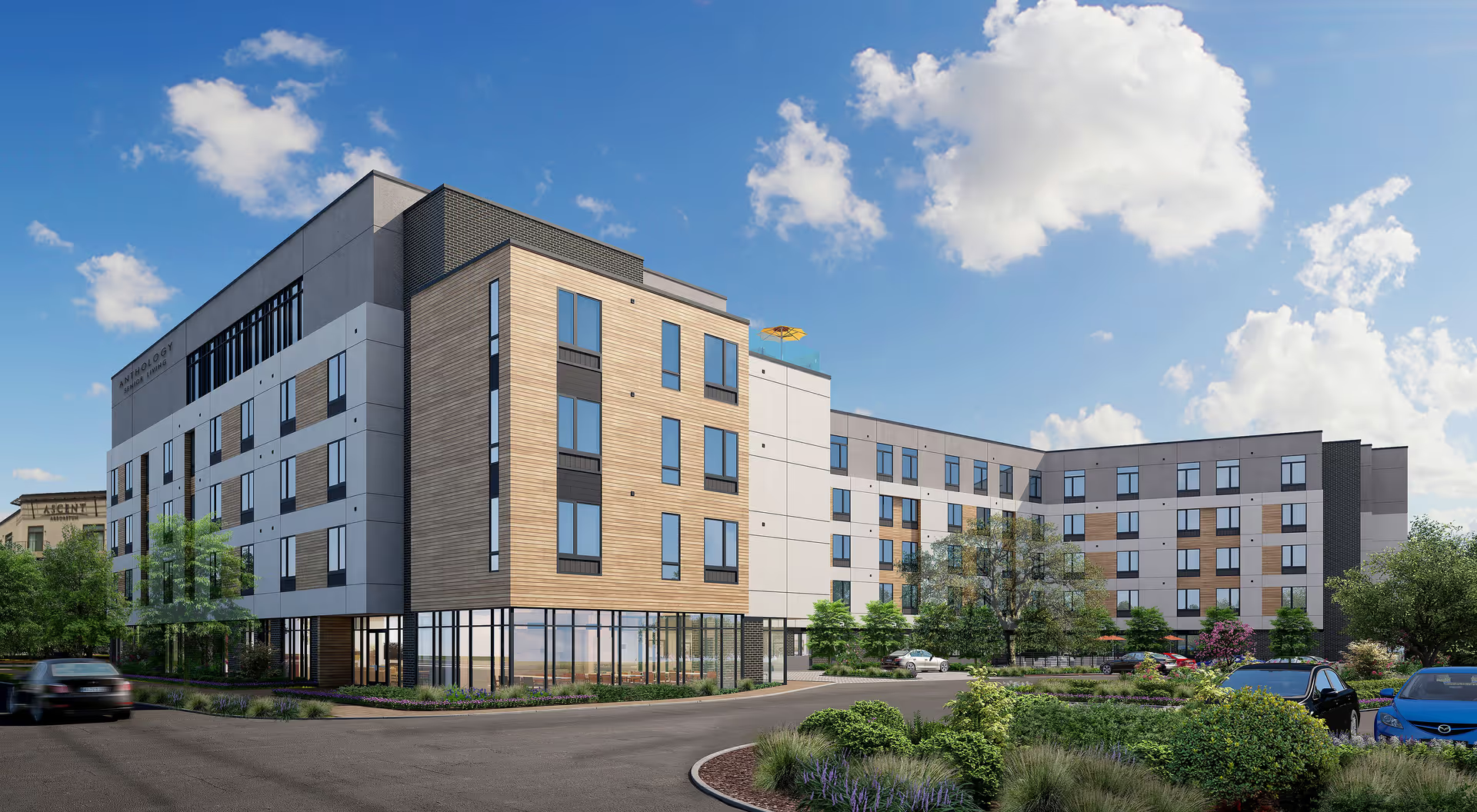
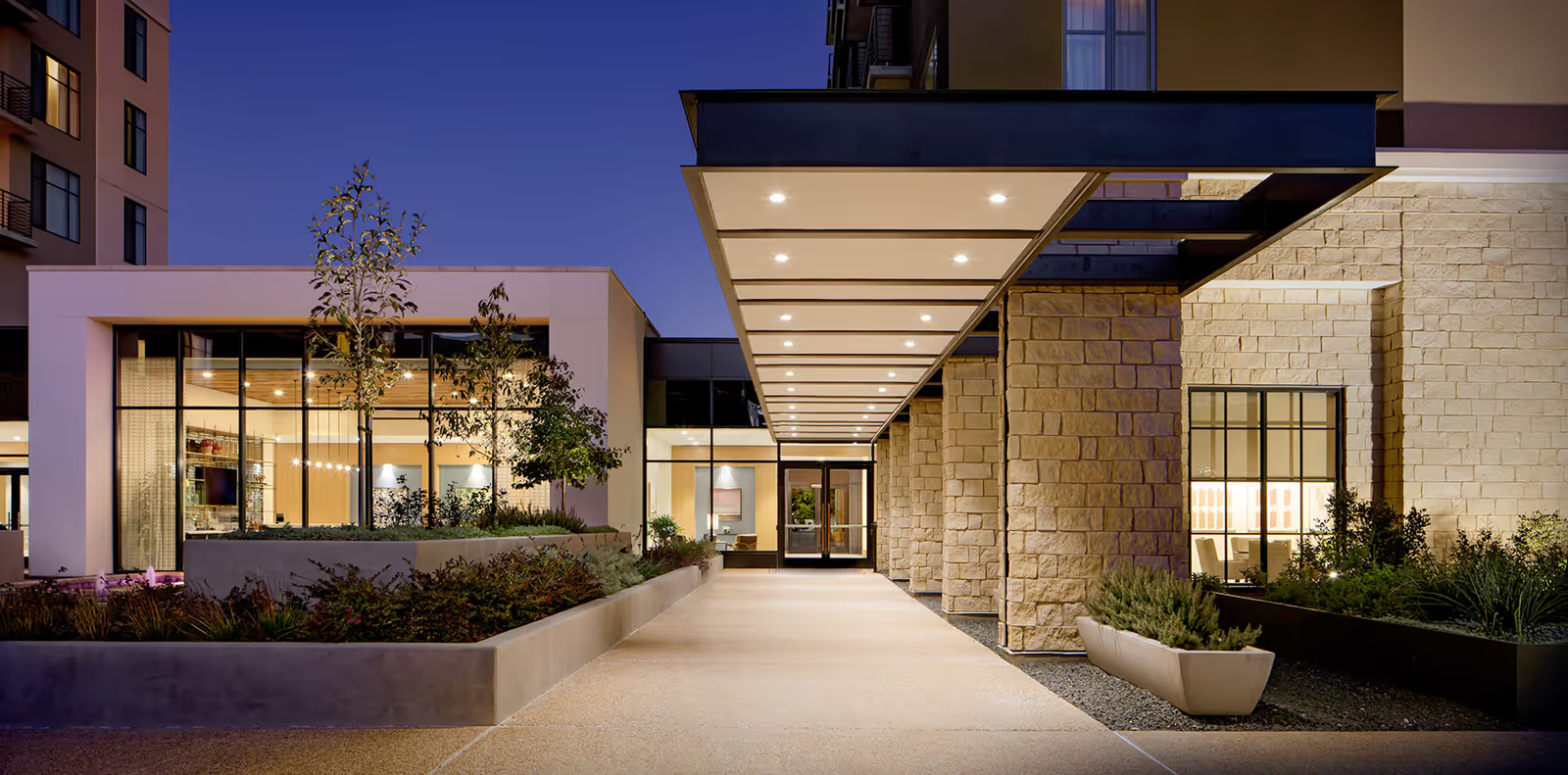
The Reserve at Lake Austin presents as a newly opened, upscale senior living community with many physical and cultural strengths. Reviewers consistently describe an attractive, spa-like environment with well-appointed common areas, bright apartments featuring large windows and treetop views, and furnished units that include modern conveniences (Sleep Number beds, refrigerators, microwaves). The property offers a wide range of amenities — fitness facilities, pool, transportation for appointments and recreation, onsite PT/OT, and an active calendar of programs — which contributes to a lively community atmosphere and opportunities for social engagement.
Direct-care staff and day-to-day caregiving receive extensive positive commentary. Multiple accounts highlight compassionate, respectful caregivers and nurses who know residents by name, provide individualized attention, and coordinate with hospice when needed. Families describe warm interactions, dignity in end-of-life situations, and a culture in which residents appear to form friendships and community. Technological investments such as an advanced resident-calling system and visible safety practices were also noted as contributors to a reassuring environment.
Despite strong praise for frontline caregivers and the physical plant, a recurring pattern of operational weaknesses emerges. Concerns center on dementia care readiness, specifically gaps in memory-care training and de-escalation techniques for staff. Relatedly, reviewers report inconsistencies in medication administration timing and uneven adherence to individualized care plans; several families indicated they needed to arrange additional private support or monitoring to address those gaps. These items point to weaknesses in clinical oversight and training rather than the conduct of individual caregivers.
Dining and food service are described inconsistently. Some residents and families praise the cuisine and occasional standout plates or brunch items, while others describe lukewarm meals, variable flavor, and a lack of reliable systems to keep plated food at serving temperature. Activities programming and transportation receive broadly positive remarks, but food-service reliability is an operational area that reviewers flagged as needing improvement.
Management and administrative responsiveness are another division point. While some reviewers describe proactive, organized leadership and clear communication, others recount delayed responses to calls and emails, unsatisfactory handling of billing or refunds, and instances of frustrating interactions with management. Because these are facility-level functions, they affect families’ confidence in financial transparency and problem resolution.
Finally, being a new community drives both expectations and caveats: several amenities and pieces of equipment were not yet available at the time of review, and a number of families expressed concern that the community’s base rent is high relative to perceived value when operational gaps are factored in. Taken together, the pattern is consistent: strong frontline caregiving, an attractive facility, and robust programming are tempered by weaknesses in dementia-specific training, medication and care-plan consistency, dining reliability, and administrative communication.
Recommendation for prospective residents and families: visit in person during a mealtime and an activities period; ask for documentation of dementia-specific and de-escalation training, medication-administration protocols, and care-plan audit processes; clarify refund and billing policies in writing; and obtain timelines for any unfinished amenities. Those seeking a community with an upscale environment and personable direct-care staff may find The Reserve appealing, but families requiring high-reliability memory care or tight clinical oversight should seek detailed assurances and monitor early performance closely.