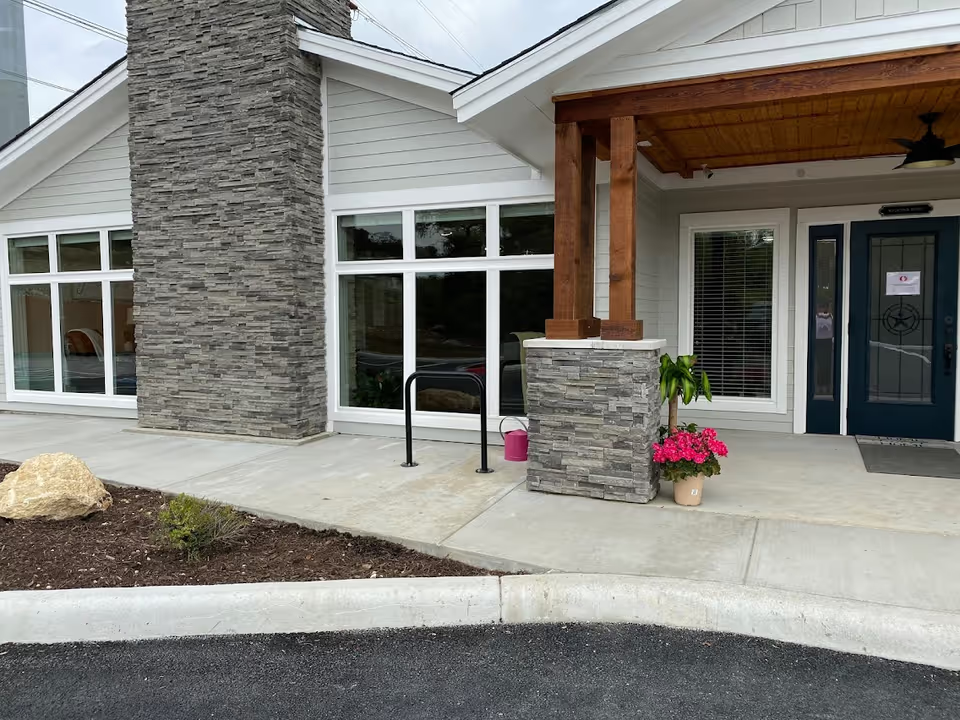
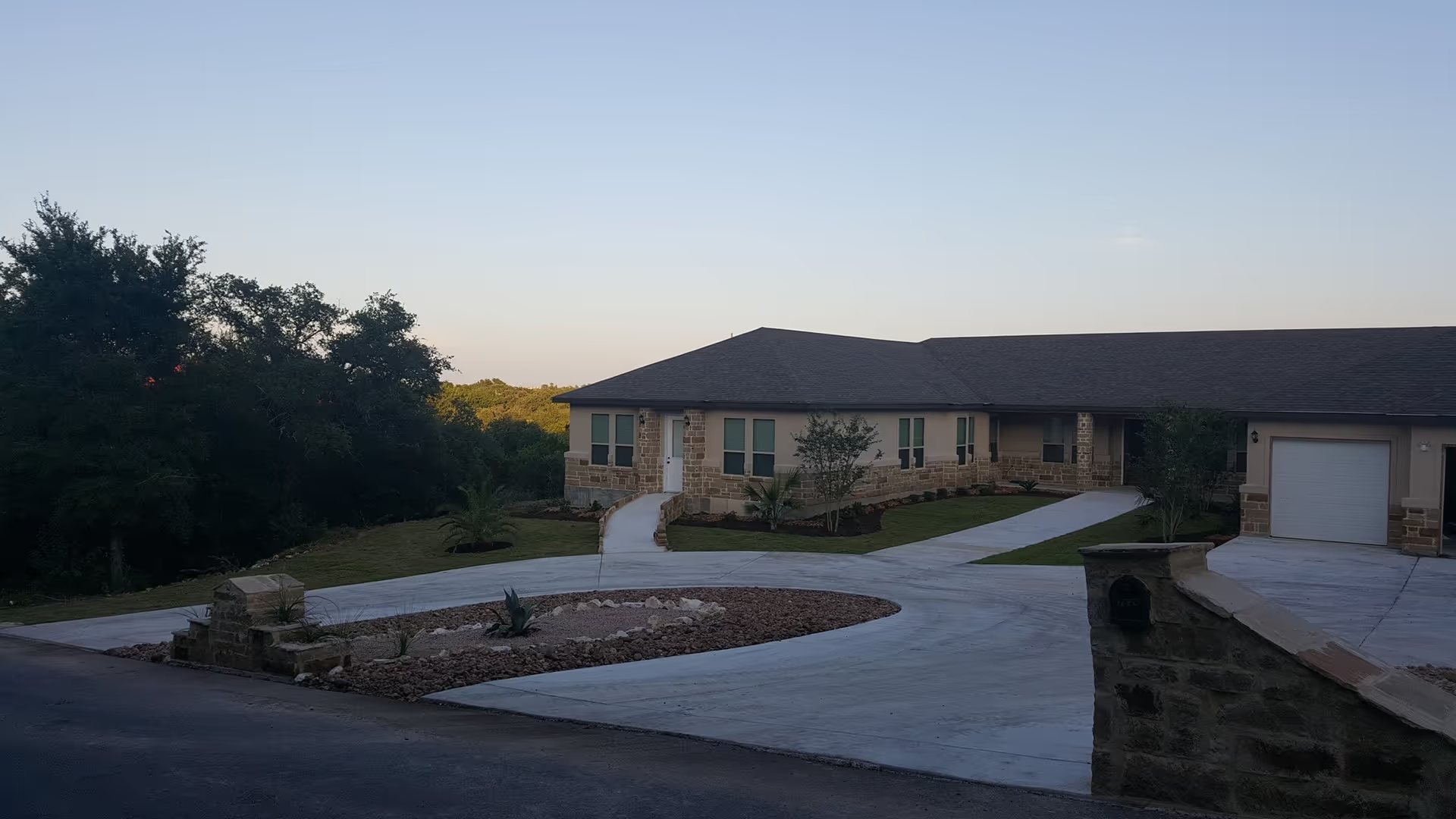
Fair Oaks Assisted Living elicits strongly mixed impressions. Many families and residents describe a small, home-like community with compassionate staff, clean rooms, private bathrooms for most residents, and a pleasant outdoor courtyard. The facility is frequently praised for family-style dining, three daily nutritious meals, personalized mealtime assistance, regular group activities (games, movies, prayer time), and an intimate setting where staff are perceived as caring and attentive. Several reviews single out individual caregivers by name and note measurable improvements in residents’ mobility and wellbeing.
At the same time, a set of operational concerns appears repeatedly. Reviews point to inconsistent personal-care practices such as irregular bathing assistance and limited mobilization support, and to uneven follow-through on therapy plans (including speech and mobility interventions). Equipment handling and transfer technique are described in ways that suggest weaknesses in transfer safety practices and resident-handling protocols. There are also mentions of sanitation inconsistencies across the facility rather than a uniform standard of cleanliness.
Staff and management receive both praise and criticism. Many family members report good communication, respectful interactions, and a loving atmosphere; ownership and some caregivers are described as resident-focused. Conversely, other reports describe adversarial interactions with families, restrictive engagement policies, and incidents that escalated to outside authorities. These patterns indicate unevenness in conflict-resolution processes and family-access flexibility. Additionally, some reviewers perceive an organizational emphasis on funding streams that may influence care priorities.
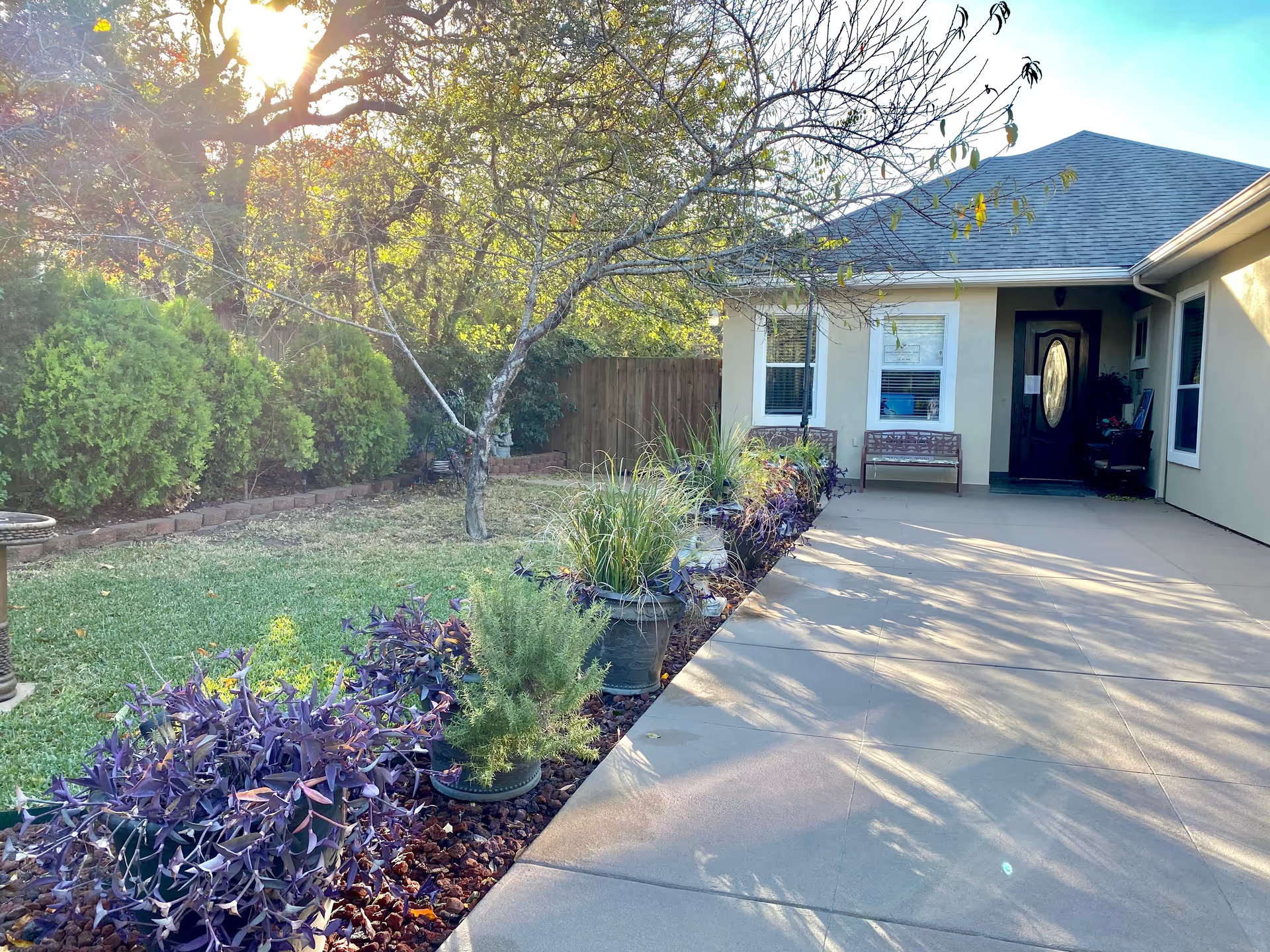
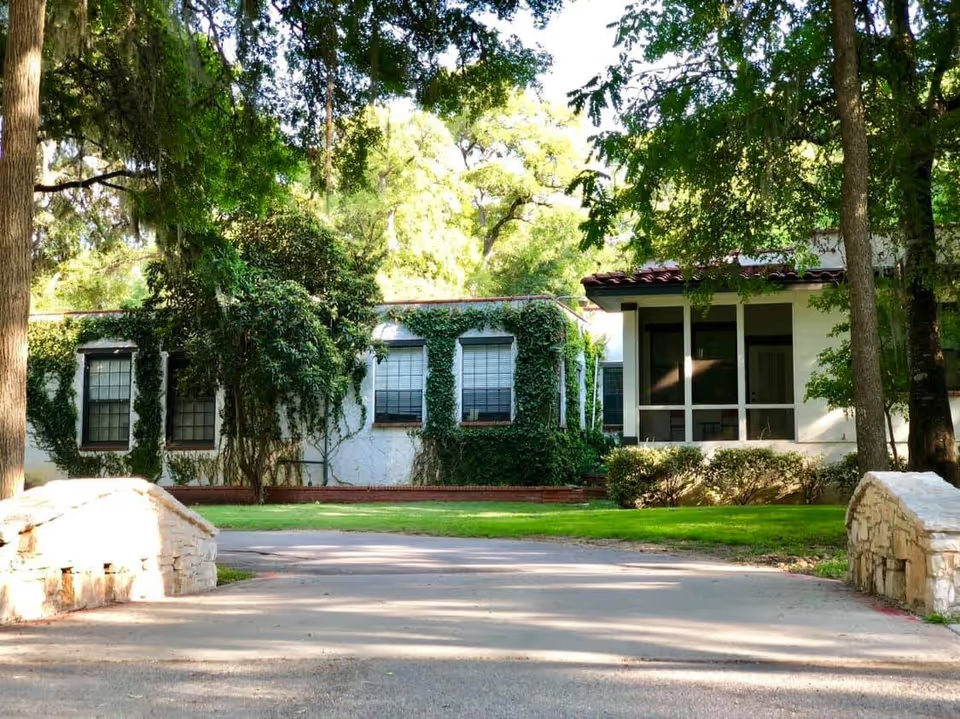
The living environment is generally described as comfortable and well-kept: roomy common areas, flowers on dining tables, comfy chairs, and wildlife in the courtyard are noted positives. Pets are part of the campus character and are enjoyed by many residents; however, reviews also raise safety concerns about animal supervision and outdoor access near roadways. Prospective families should clarify pet policies and outdoor-safety practices during a visit.
In summary, Fair Oaks presents as a small, personable facility with notable strengths in food service, atmosphere, and individualized attention from many staff members. However, the facility also shows patterns of inconsistency in personal-care delivery, therapy implementation, transfer safety, cleanliness standards, and family-conflict handling. Prospective residents and their families would be advised to tour the facility, observe care routines (including transfers and bathing), ask about staff training and turnover, review therapy schedules and documentation, and discuss family-engagement and pet-safety policies before deciding.