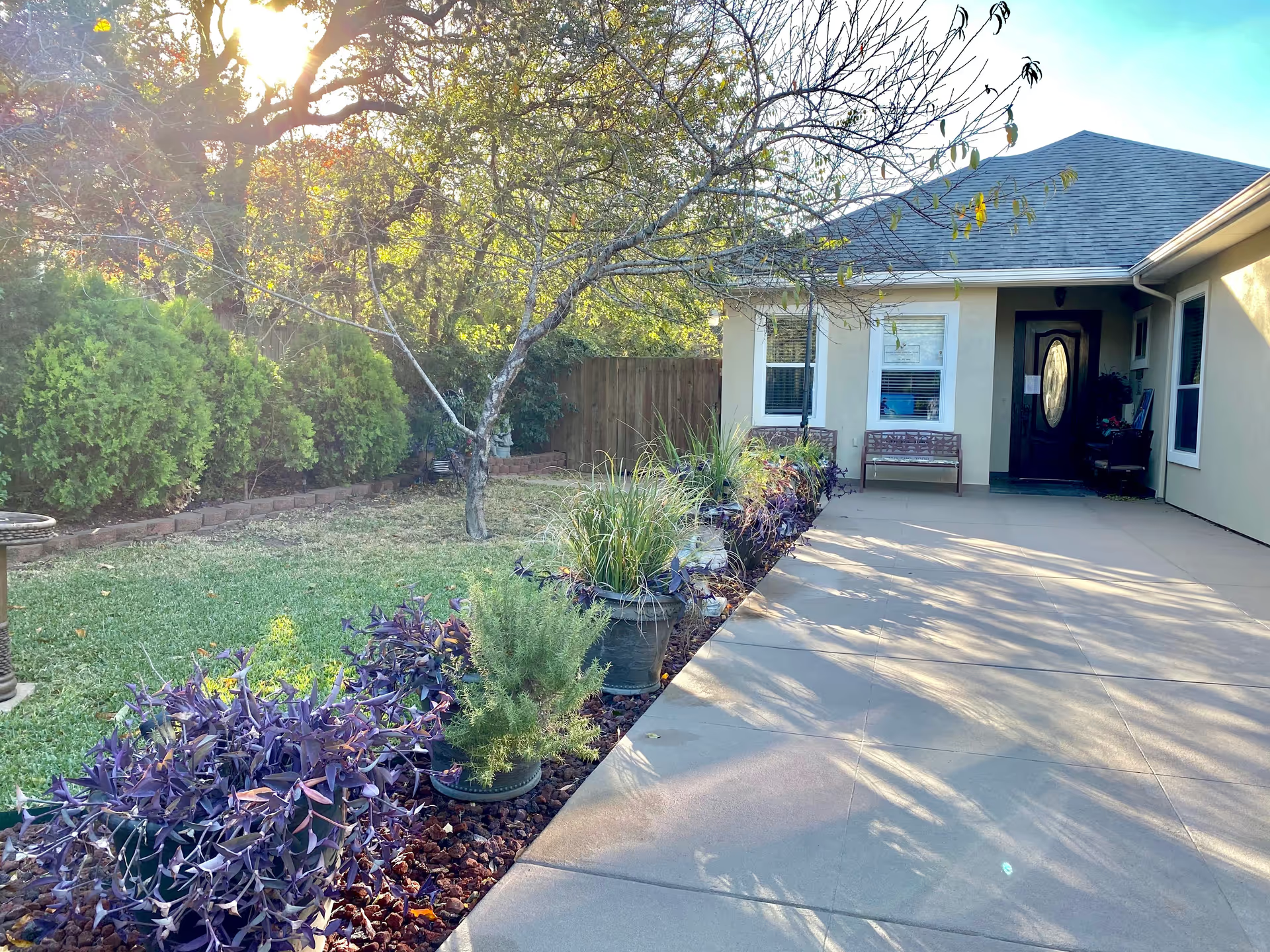
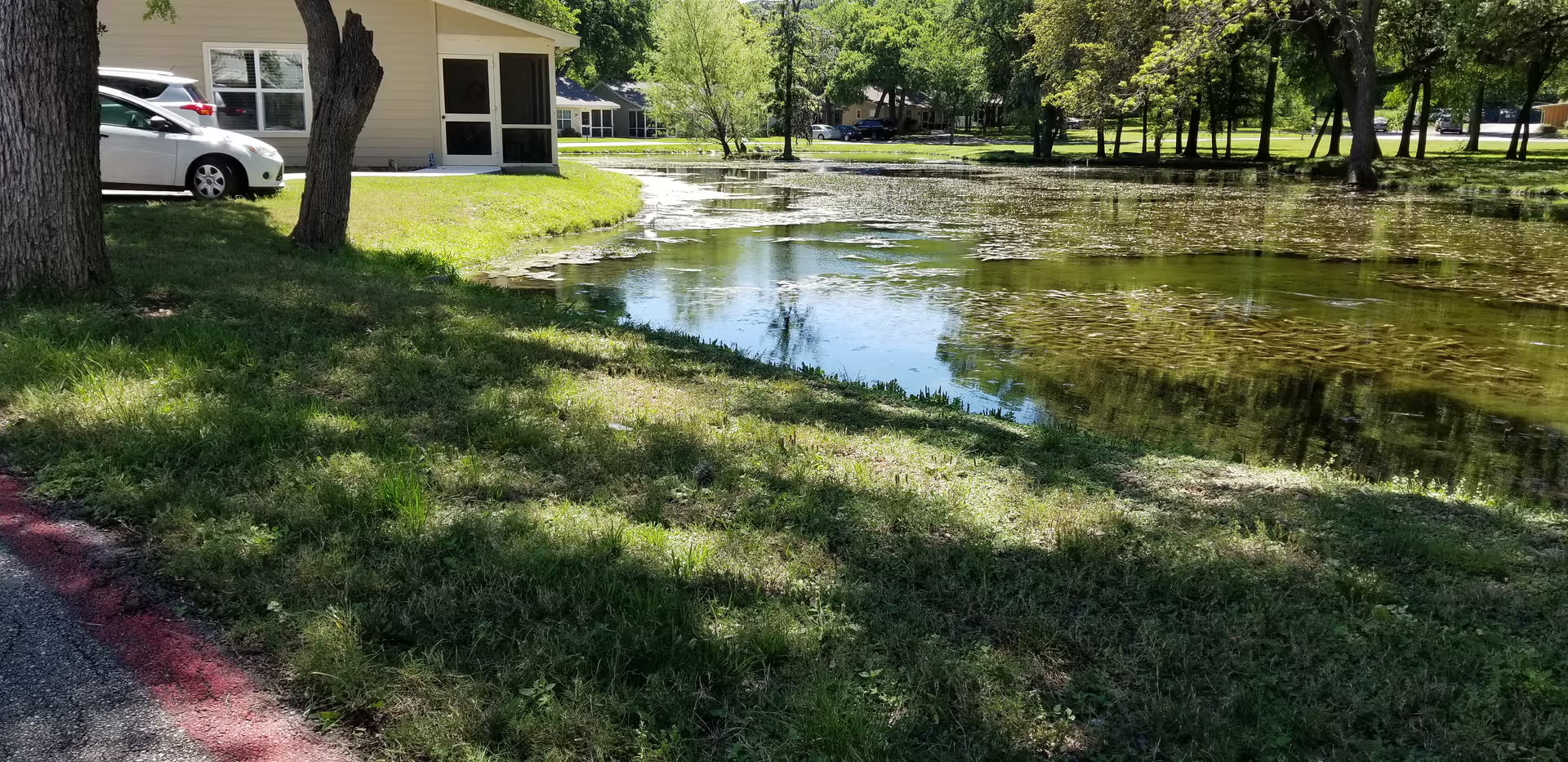
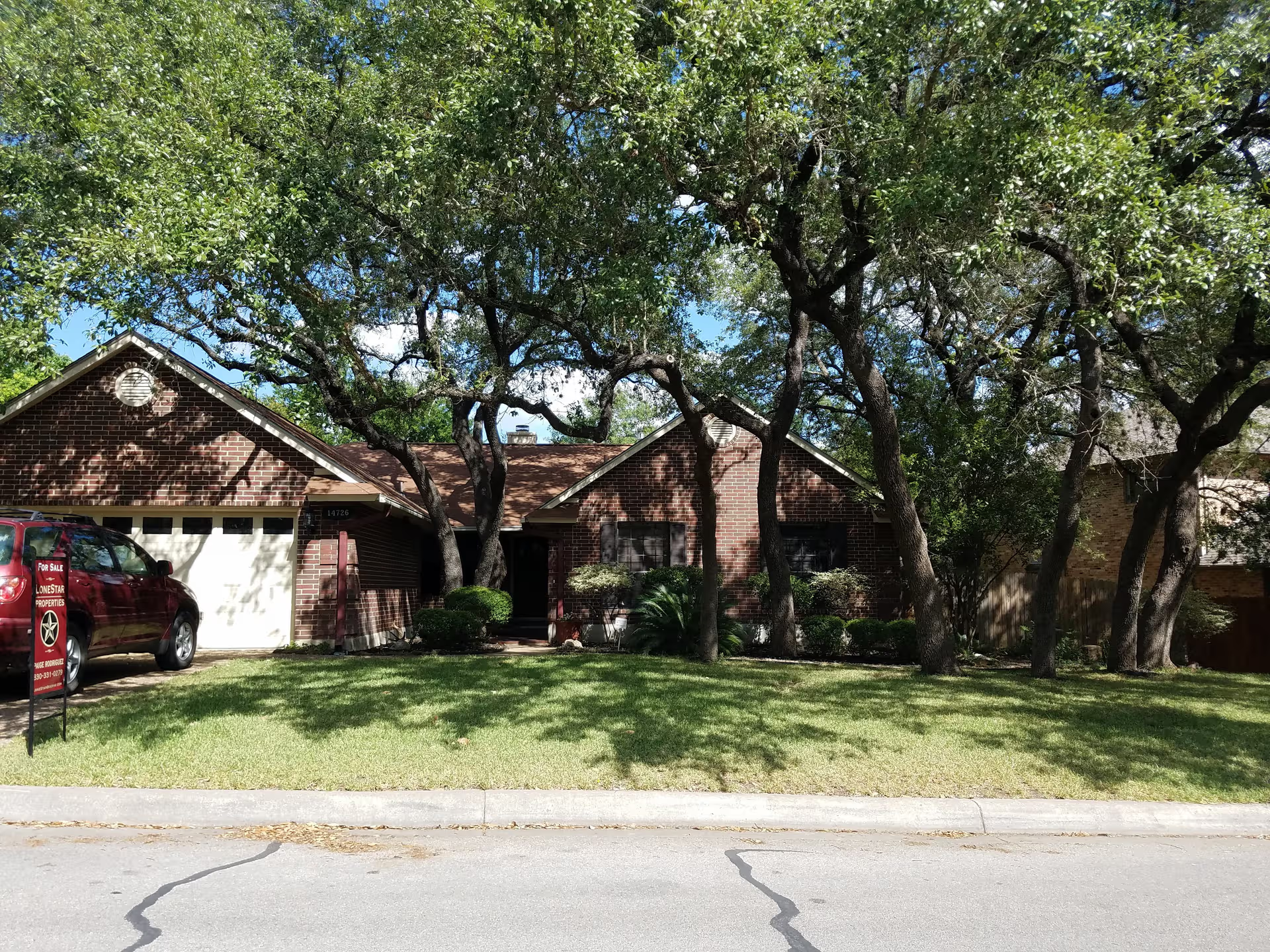
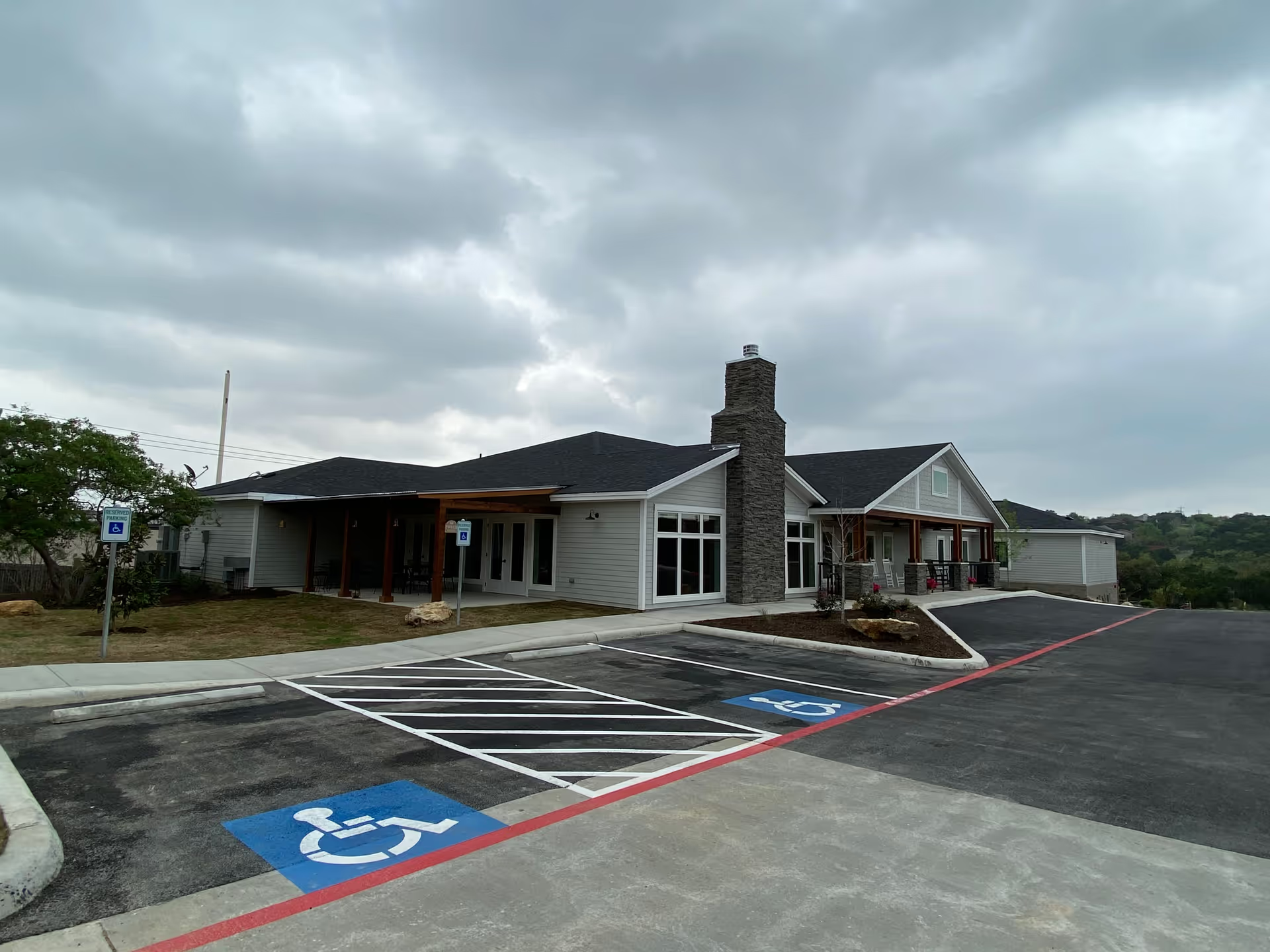
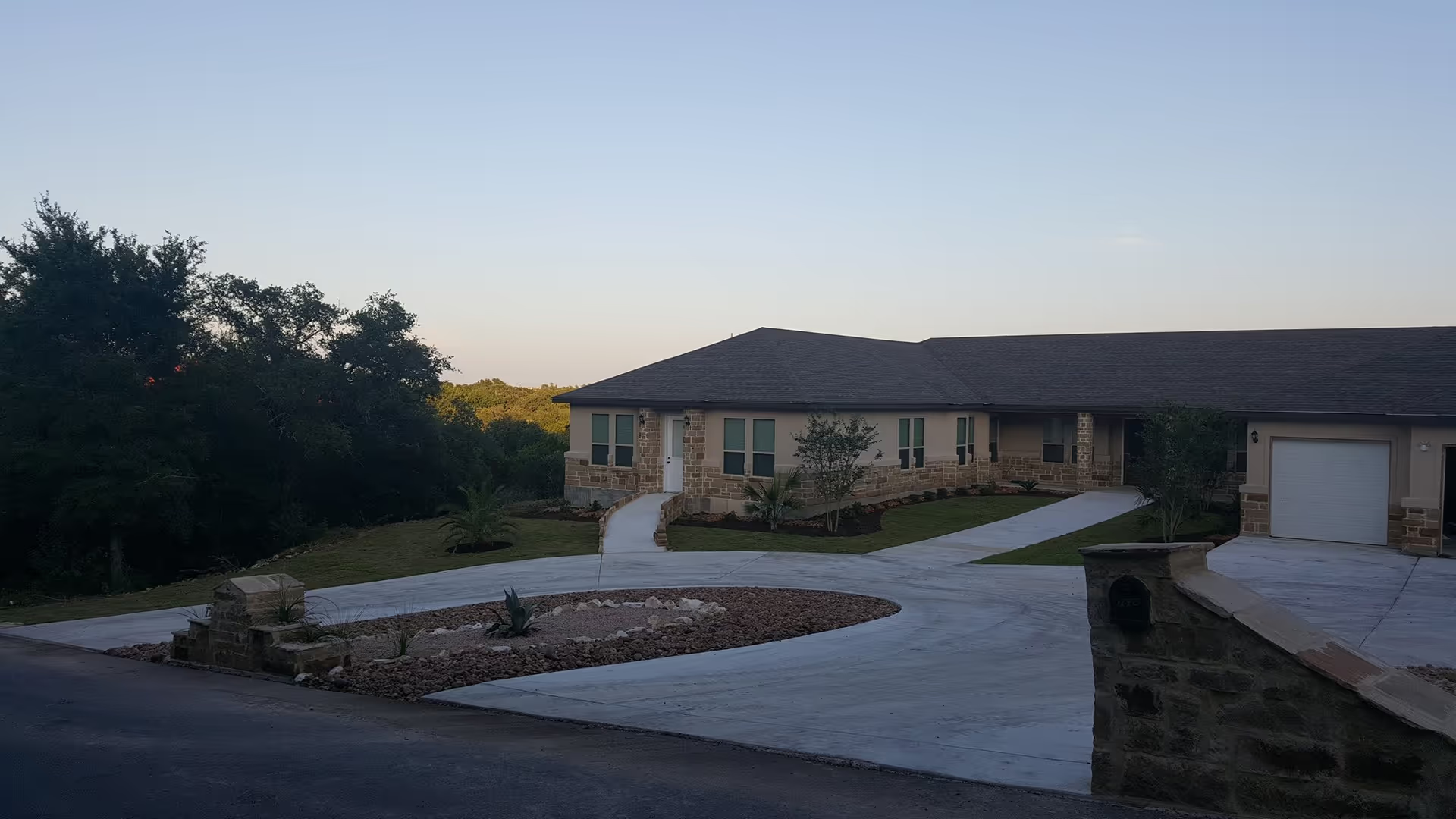
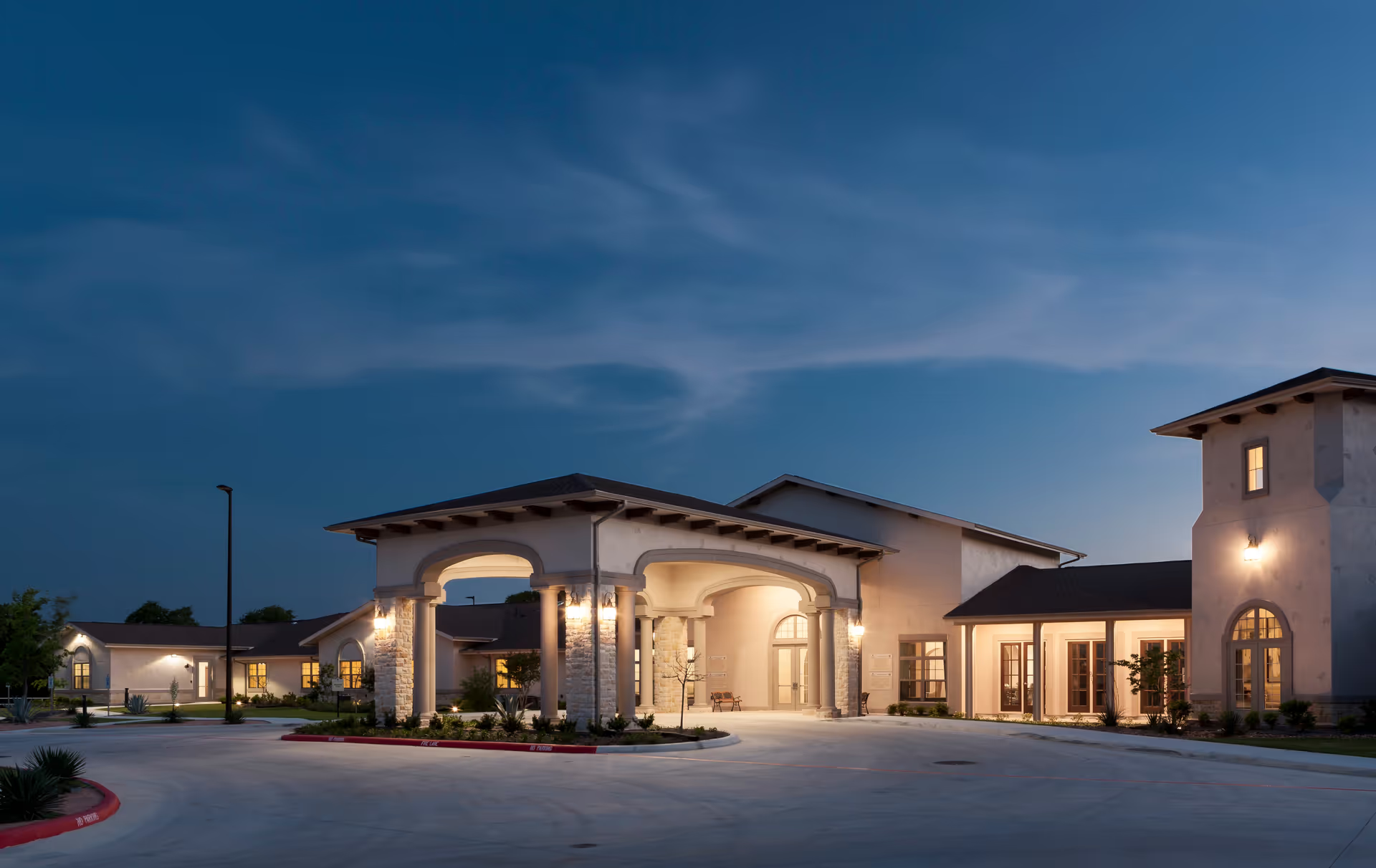
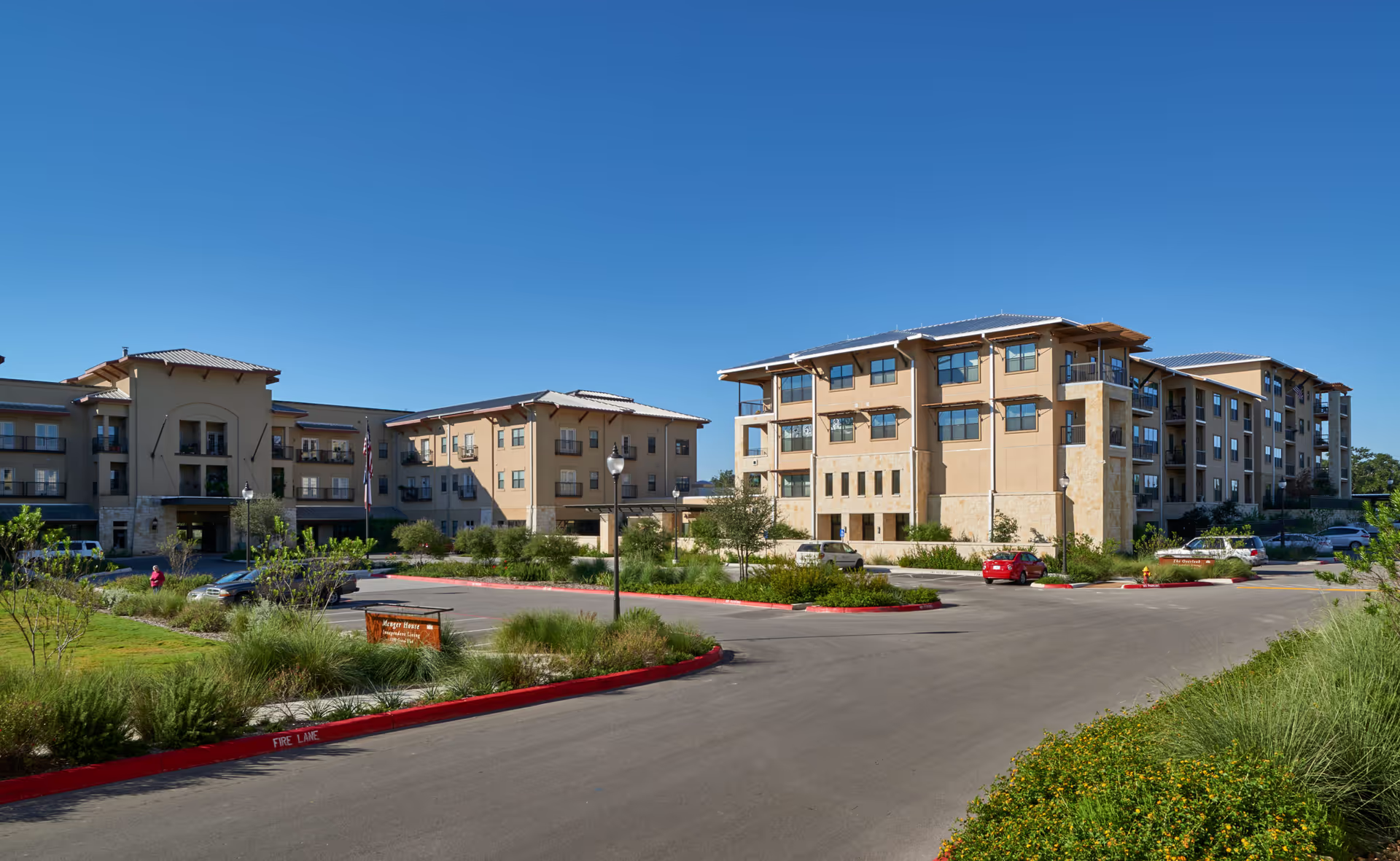
Across the review summaries, Hummingbird Assisted Living and Memory Care is consistently described as a small, family-operated community with a strong emphasis on personalized, resident-focused care. Many families emphasize the facility’s warm, home-like atmosphere and the visible presence of owners and managers. Staff are repeatedly characterized as compassionate, attentive, and patient; reviewers frequently link staff behavior to residents’ improved mood and quality of life. The community’s memory-care expertise is also a prominent positive theme, with several accounts pointing to dementia-capable programming and staff training.
Clinical and operational strengths include on-site nursing, visiting physicians, and rehabilitative therapies (PT/OT), which reviewers say contribute to comprehensive care. Meal quality is another commonly cited strength: a chef-prepared dining program and nutritious menus are mentioned frequently, and housekeeping and laundry services are included. Engaging activities, social programming, and collaborative hospice/end-of-life support are also highlighted as contributors to resident well‑being. The facility’s cleanliness, modern/upgraded environment, and perceived safety recur across positive comments.
Alongside these favorable patterns, a small number of reviews raised significant concerns about operational practices. These center on medication-management oversight and related clinical decision-making, which in isolated instances reviewers associated with behavioral worsening and adverse events. Related themes include inconsistent staff communication and recordkeeping, limited transparency around incident documentation and access to surveillance, and unclear or inconsistently applied protocols for behavioral interventions and restraints. A few families also described abrupt discharge or eviction experiences that point to potential gaps in admission/discharge policies and appeal processes. Finally, some reviewers expressed pricing or affordability concerns.
For prospective residents and families, the dominant pattern is one of attentive, homelike care with robust dining and activity offerings and visible management engagement. However, given the severity of the concerns raised in a few individual accounts, it would be prudent to discuss specific operational policies during a tour or intake: ask about medication-review and oversight procedures, incident-reporting and documentation access, written restraint and behavioral-intervention protocols, discharge/appeal policies, staffing ratios at different times of day, and pricing transparency. Doing so will help confirm whether the facility’s operational safeguards align with the generally positive caregiving reputation reflected in most summaries.