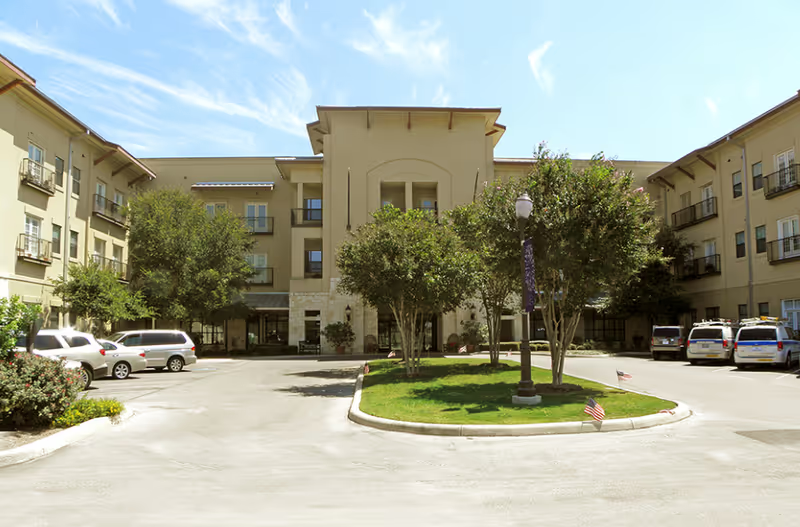
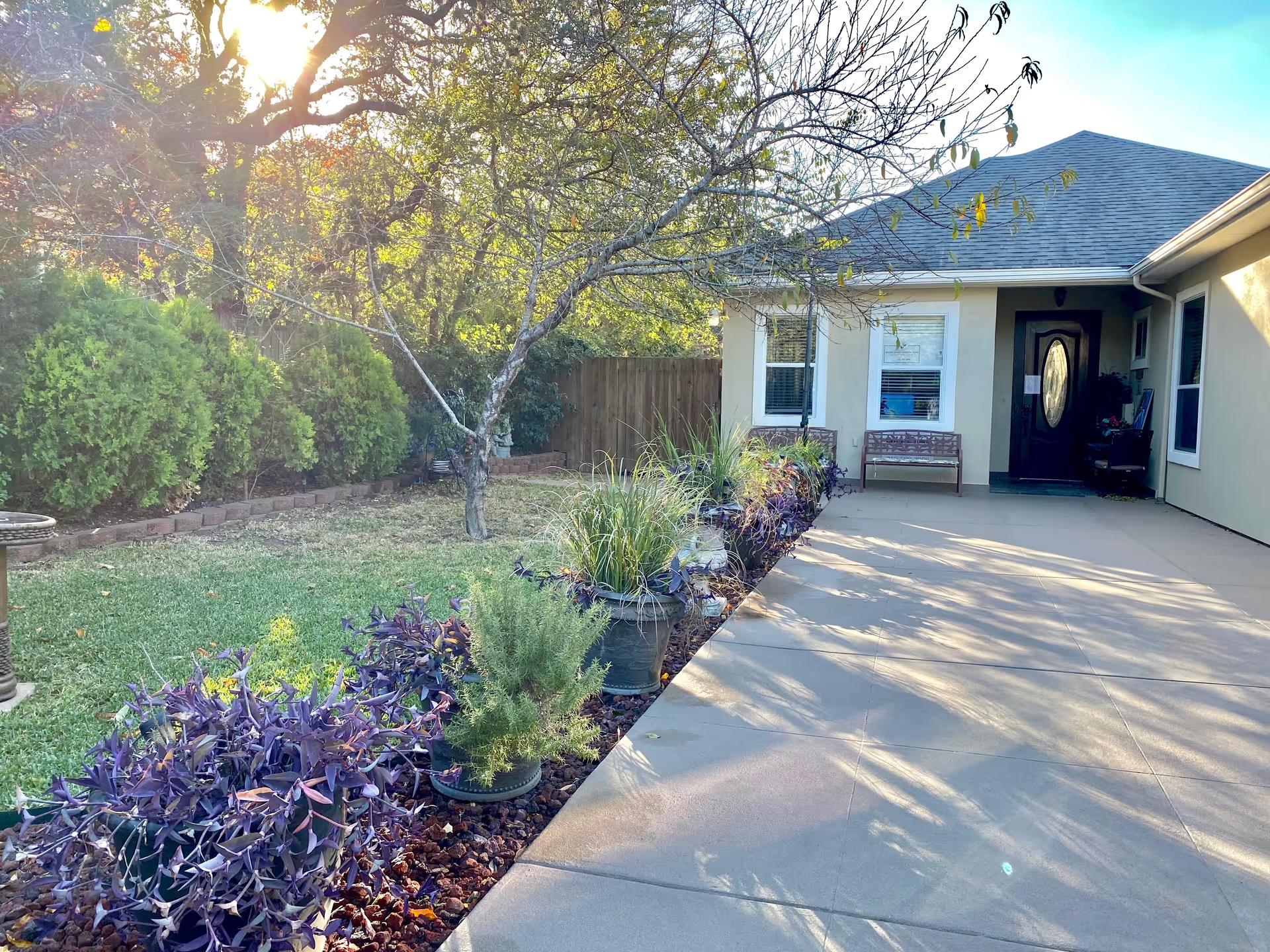
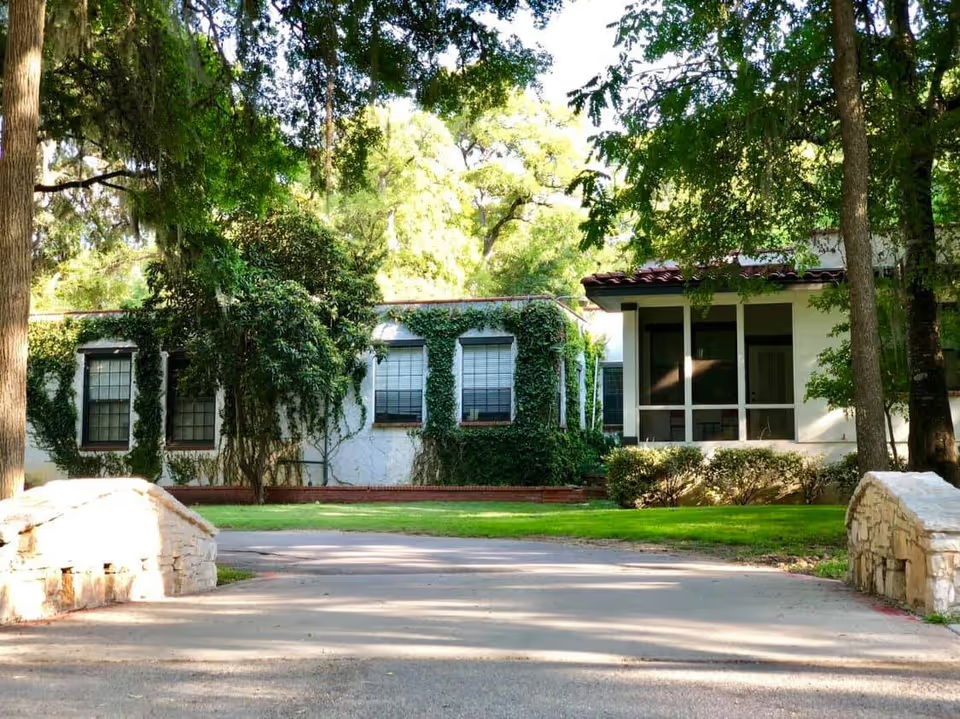
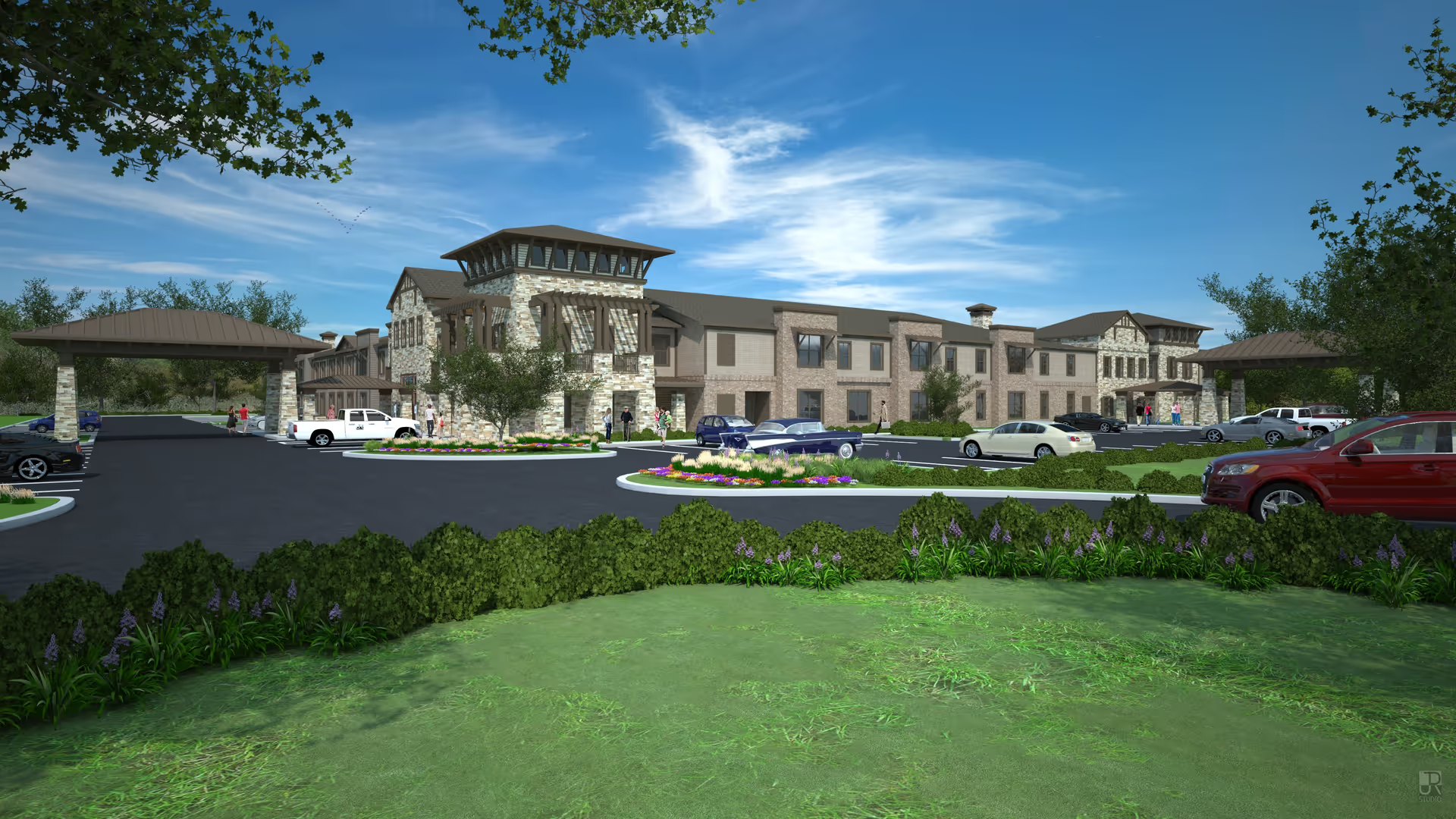
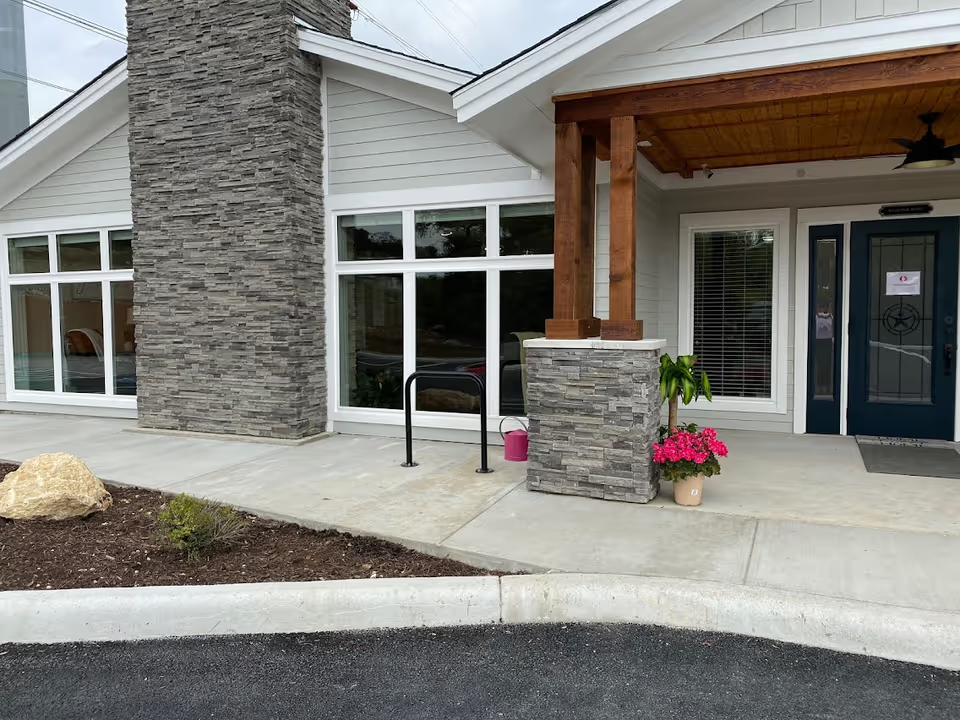
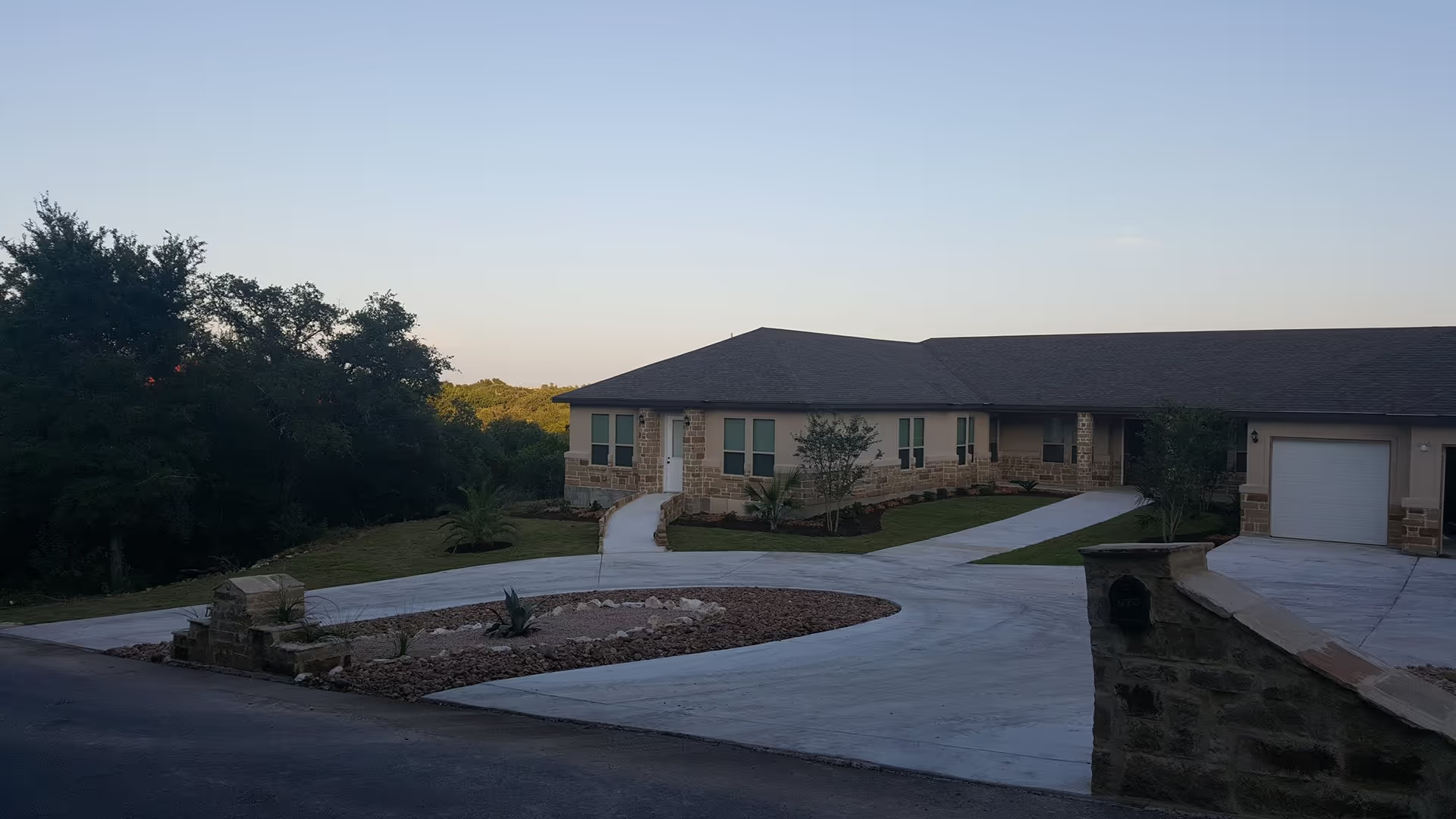
The reviews present a mixed but fairly coherent picture. The facility is described as modern, clean, and small in scale, with bright private rooms and in-room bathrooms. Many comments praise the permanent nursing team, housekeeping staff, and the overall cleanliness and pleasant appearance of the building. Residents and families commonly highlight a robust activity schedule that includes social games, outings, and themed entertainers, and many found the dining program satisfactory with three meals served daily.
Care quality appears uneven. Long-term, regular staff are characterized as compassionate and capable, and reviewers specifically noted strong nurse-to-patient ratios at times and instances of nurses going above and beyond. Conversely, reliance on temporary or agency personnel is a recurring operational concern; reviewers linked that reliance to inconsistent care experiences and gaps in continuity between shifts. Therapy services were noted as available but sometimes stretched, with caseload pressure cited as a factor that may limit timely or intensive therapy for some residents.
Several reviewers raised substantive clinical concerns that relate to monitoring and clinical oversight. These include issues with hydration and nutritional status, and mention of post-procedural or infection-related complications. There are also comments about limited interaction or communication with attending physicians and uneven family communication, which together suggest opportunities to strengthen clinical oversight, handoffs, and care-plan communication.
Operational and management themes include turnover in leadership and an uneven experience depending on staffing mixes. The combination of management change and frequent temporary staff contributes to perceived discontinuity of care and inconsistent adherence to individualized mobility or transfer protocols. Cost was another common theme: multiple reviewers described the community as relatively expensive and questioned the value relative to the variability in service consistency.
In summary, prospective residents and families can expect a bright, well-kept small community with engaging social programming and periods of strong nursing coverage. At the same time, evaluators should probe staffing patterns, therapy capacity, clinical monitoring procedures for nutrition and hydration, and physician communication protocols during tours and family meetings. Asking about the use of agency staff, average therapist caseloads, recent management changes, and examples of how care-plan handoffs are handled will help clarify whether the facility can consistently deliver the level of clinical oversight and continuity a given resident requires.