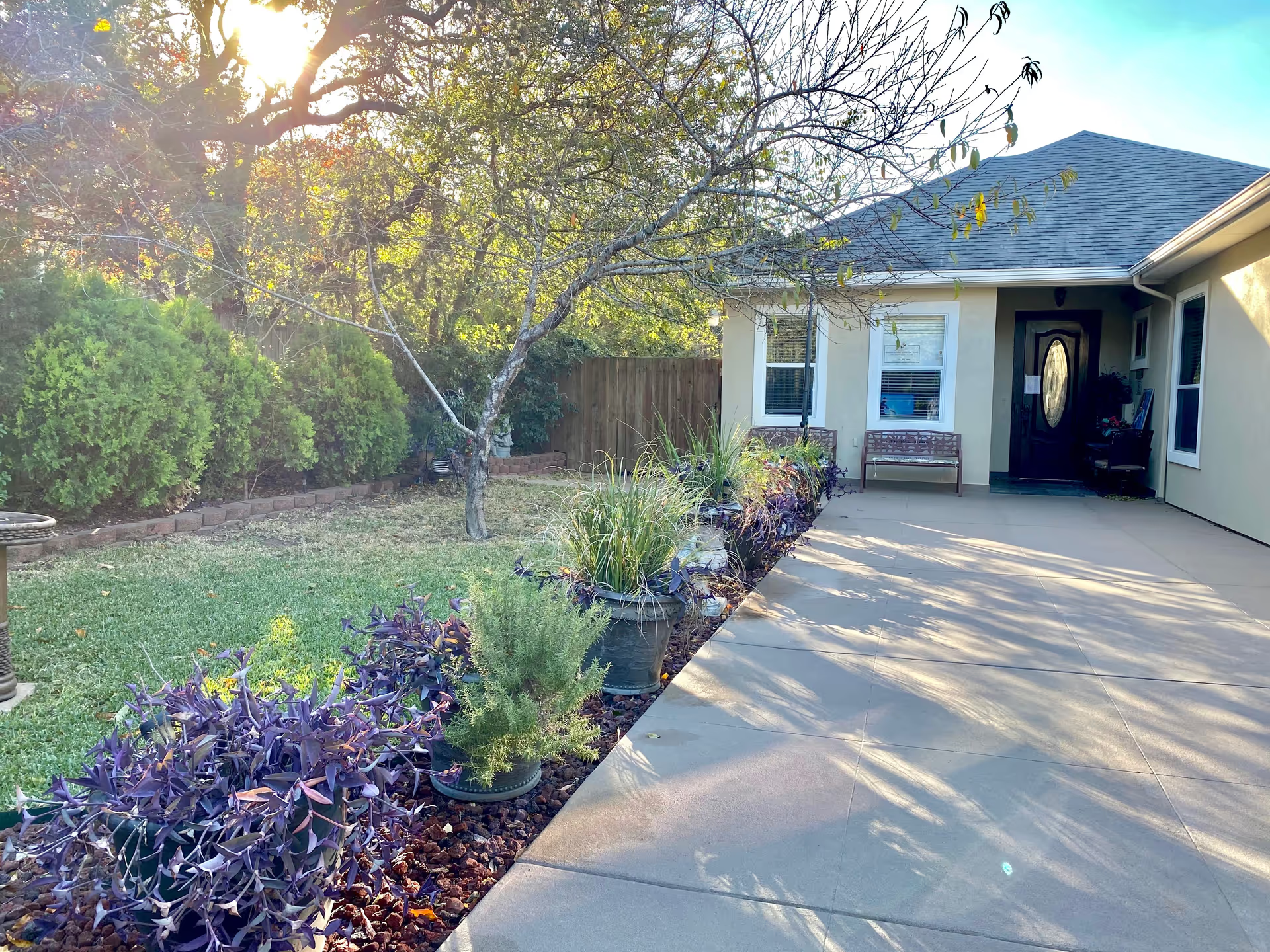
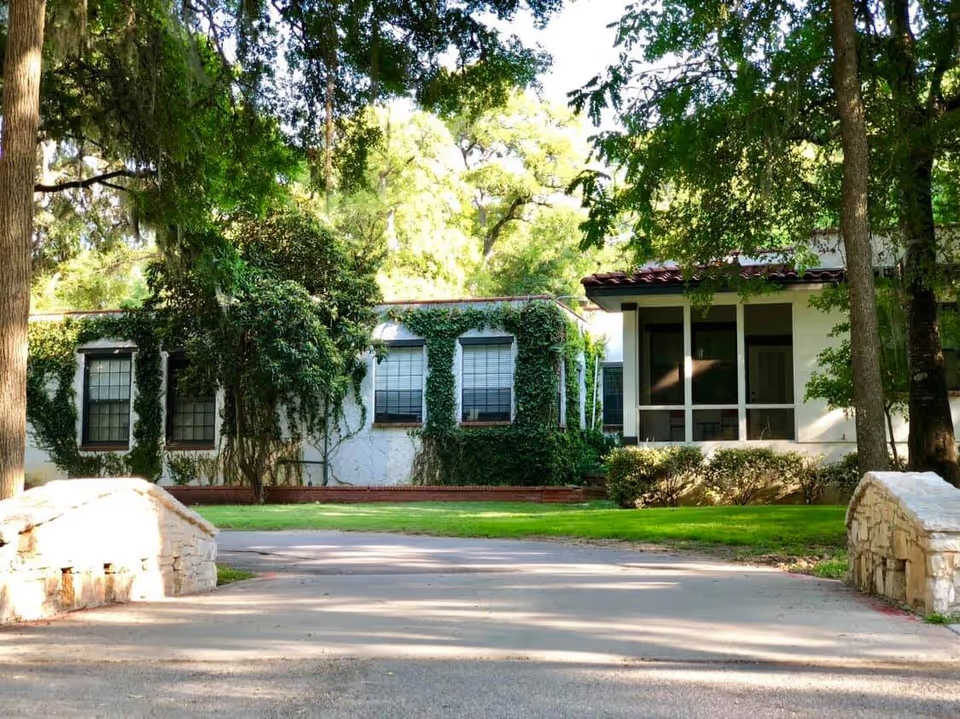
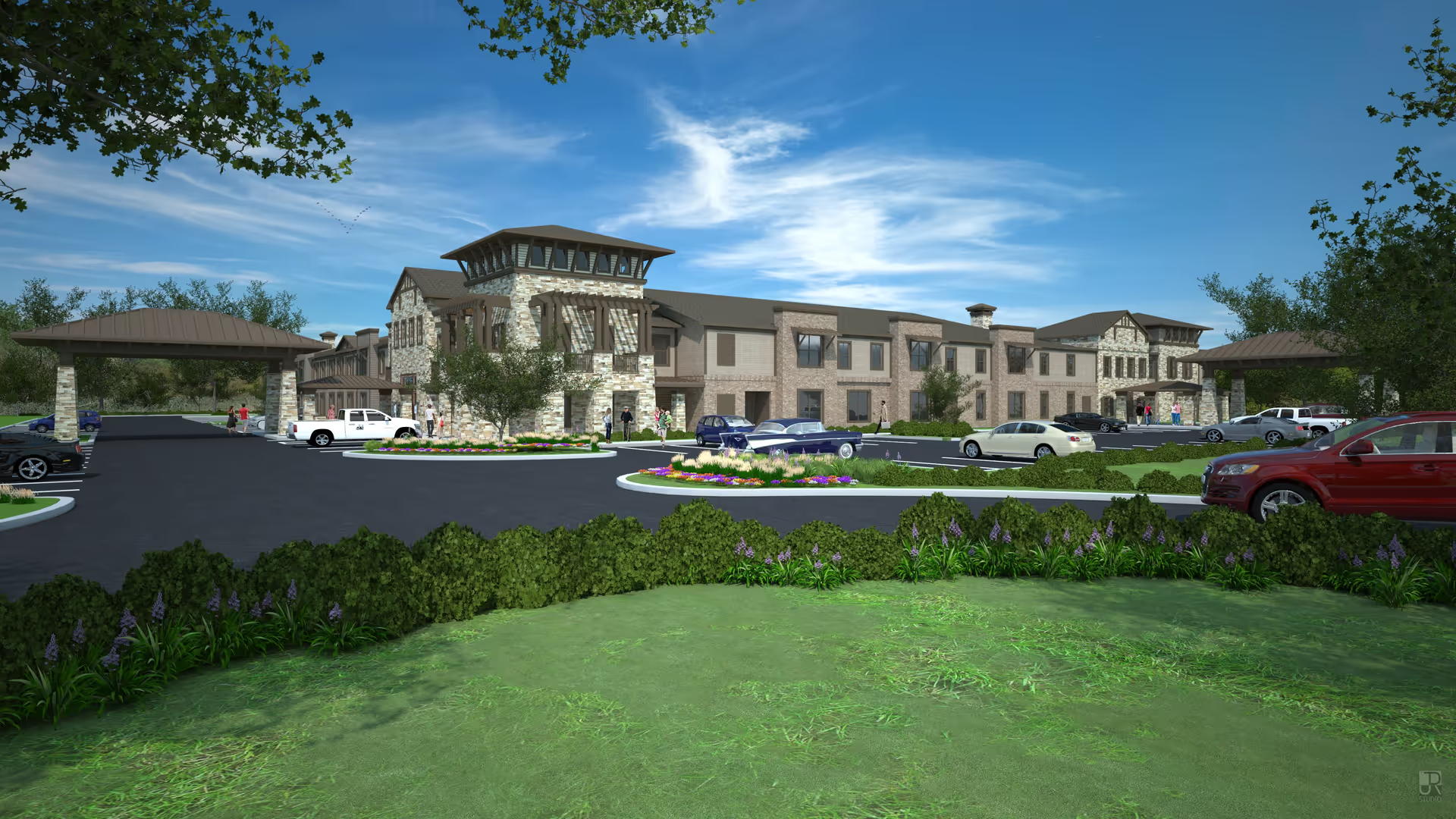
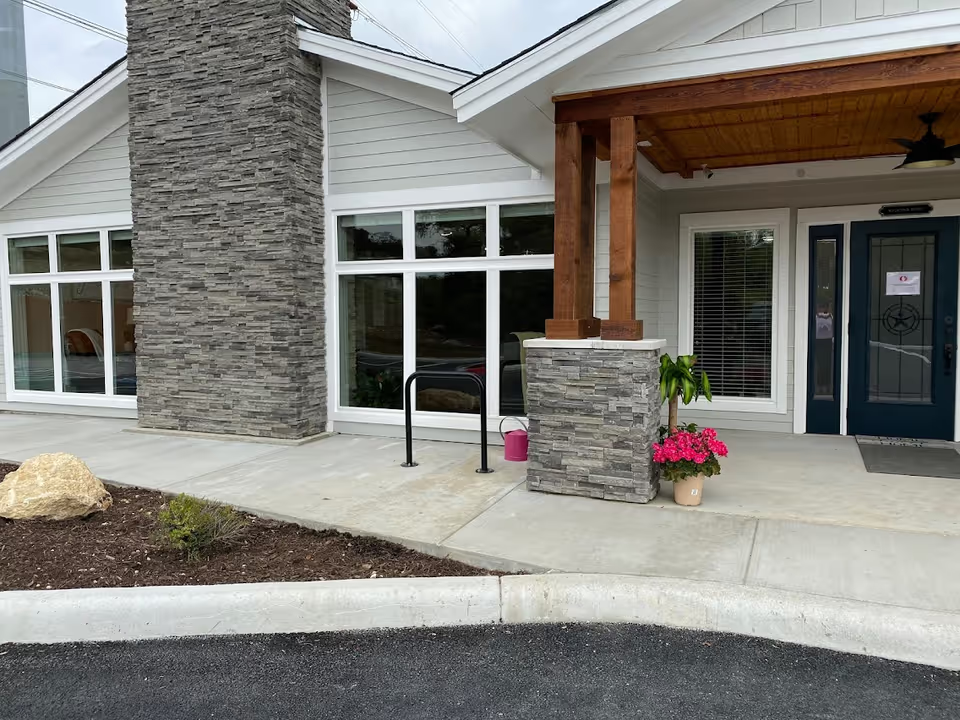
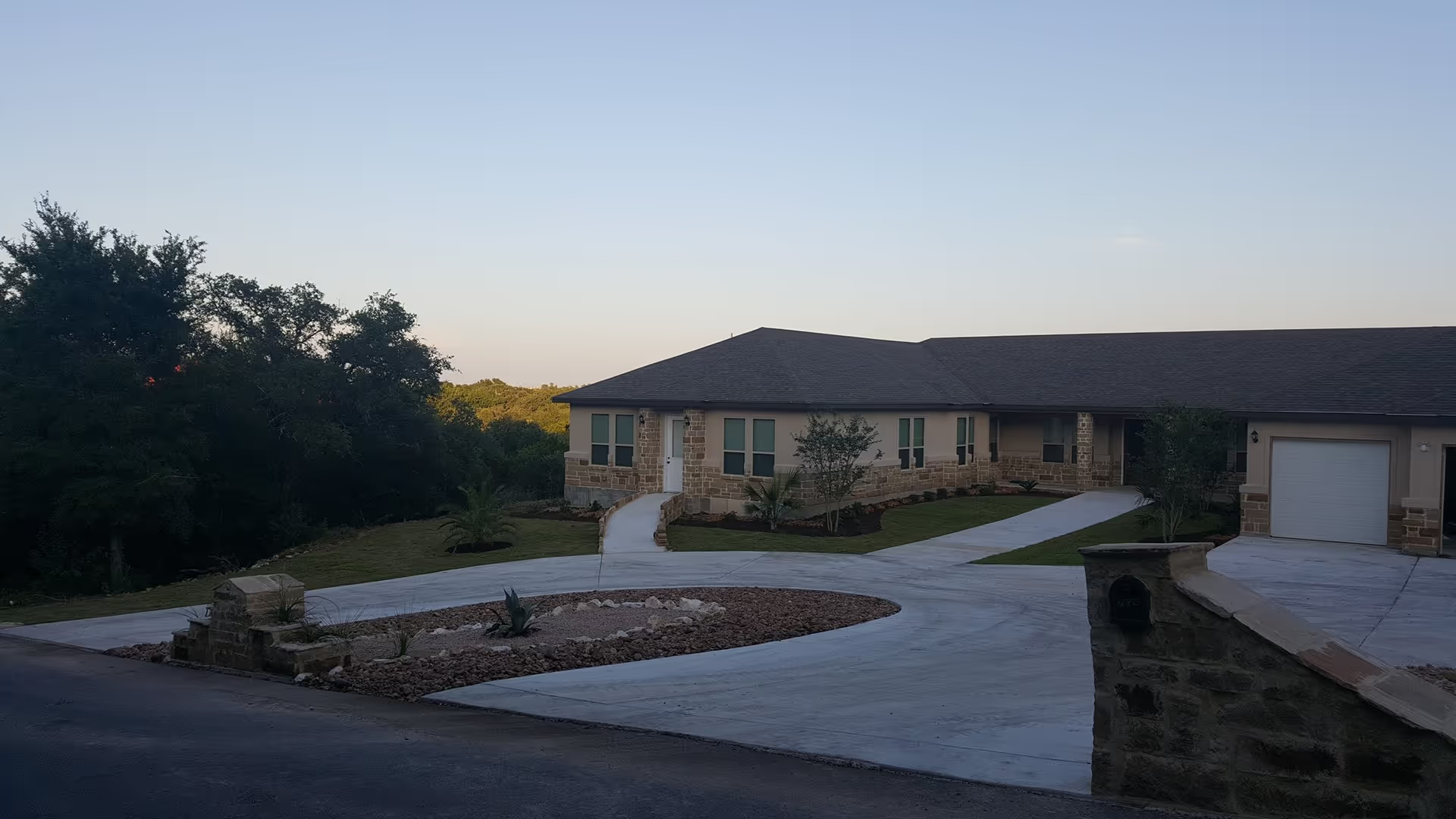
Wholehearted Care - New Hope Assisted Living is consistently described as a small, converted-house setting with a home-like atmosphere. Reviewers emphasize a clean, well-kept interior and attractive outdoor spaces including porches and wooded grounds; the facility’s residential scale and lower caregiver-to-resident ratio contribute to a family-style environment. The ownership model is family-run with owners who are often on-site and accessible, which many families cited as a benefit for direct communication and individualized attention.
Care and staff receive frequent praise: staff members are described as kind, hands-on, and attentive, and many families report individualized attention, assistance with dressing and feeding, and strong personal relationships between caregivers and residents. The presence of owners who interact with residents and help coordinate moves and care decisions is noted positively. At the same time, reviewers also identify operational gaps: staffing stability and management-communication issues are cited, along with occasional communication tone concerns and a language barrier with some staff members. A limited number of comments raised worries about medication management or the clarity of medication-related communication; prospective families should inquire about medication protocols during a tour.
Dining and activities show mixed feedback. Several families praised fresh, home-cooked meals and holiday or potluck events; others described repetitive menus or uneven meal quality. The community offers social programming (puzzles, bingo, holiday parties, cross-stitch and other group activities) and appears to foster social connection for residents who engage. However, activity participation varies by resident, and the setting does not include a dedicated dementia unit or specialized programming for residents with advanced cognitive impairment, which reduces fit for that population.
Facility features are a consistent strength: the home is kept clean and well manicured, with attractive common areas and quiet outdoor spaces. Room configurations vary — private rooms and en-suite bathrooms are available, but parts of the home include shared or smaller furnished rooms and a community shower. Security features such as door alarms are present, but there is no fenced outdoor area for unsupervised wandering. New construction and waiting lists for private rooms were mentioned, indicating demand for private accommodations.
Management and operational patterns to note include the family-owned leadership that many families value for accessibility, contrasted with occasional comments about the owner not being present and front-desk or phone responsiveness being inconsistent. Transportation options are limited; families who require regular transportation for appointments should confirm availability. Overall, New Hope appears well suited to seniors and families seeking a small, home-like assisted living with personable staff and attractive grounds. Families should evaluate clinical needs (particularly advanced dementia care), confirm medication-management practices, discuss meal preferences, and verify transportation and room-configuration options during a tour to determine fit.