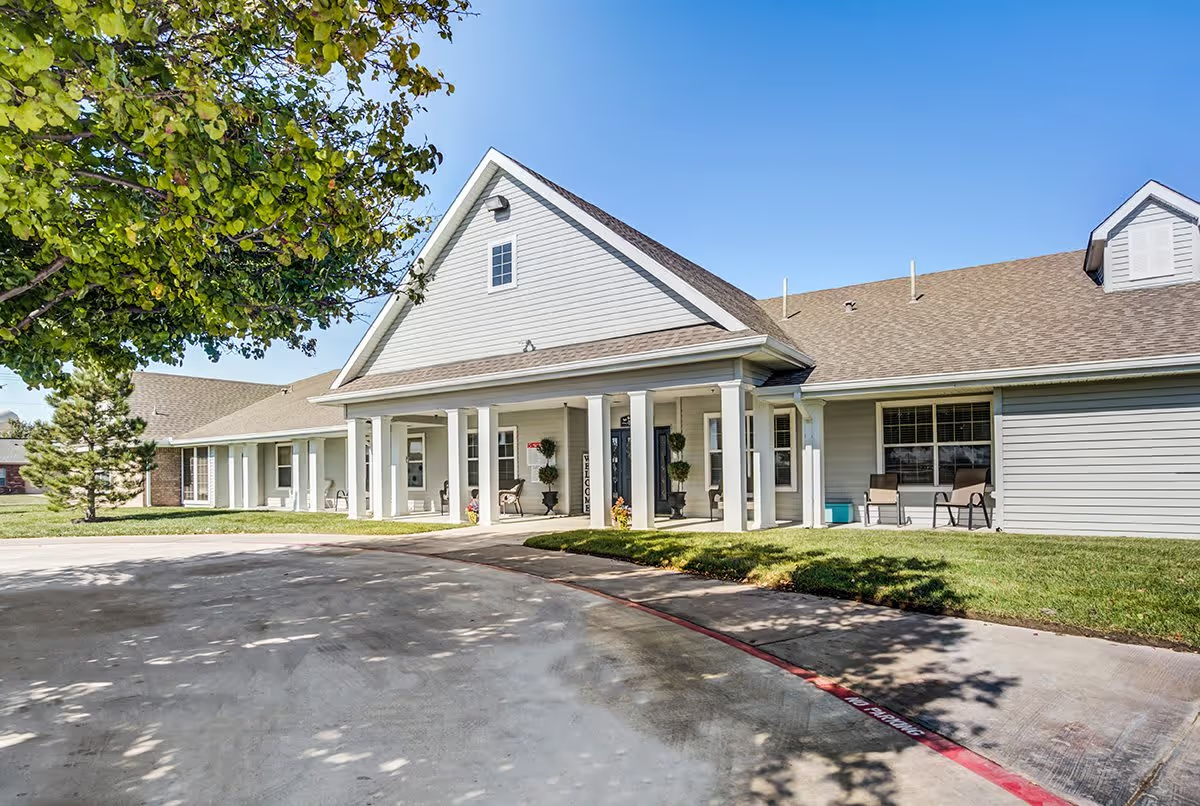
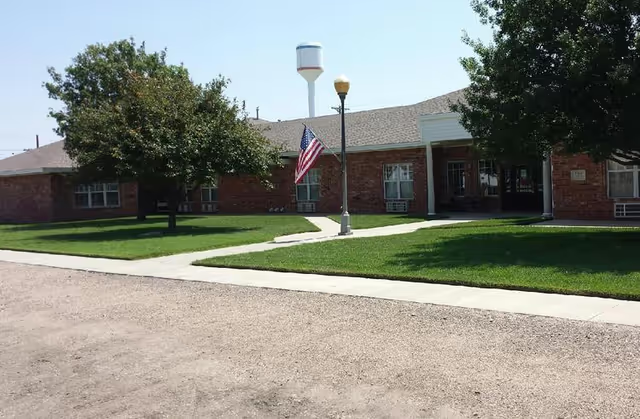
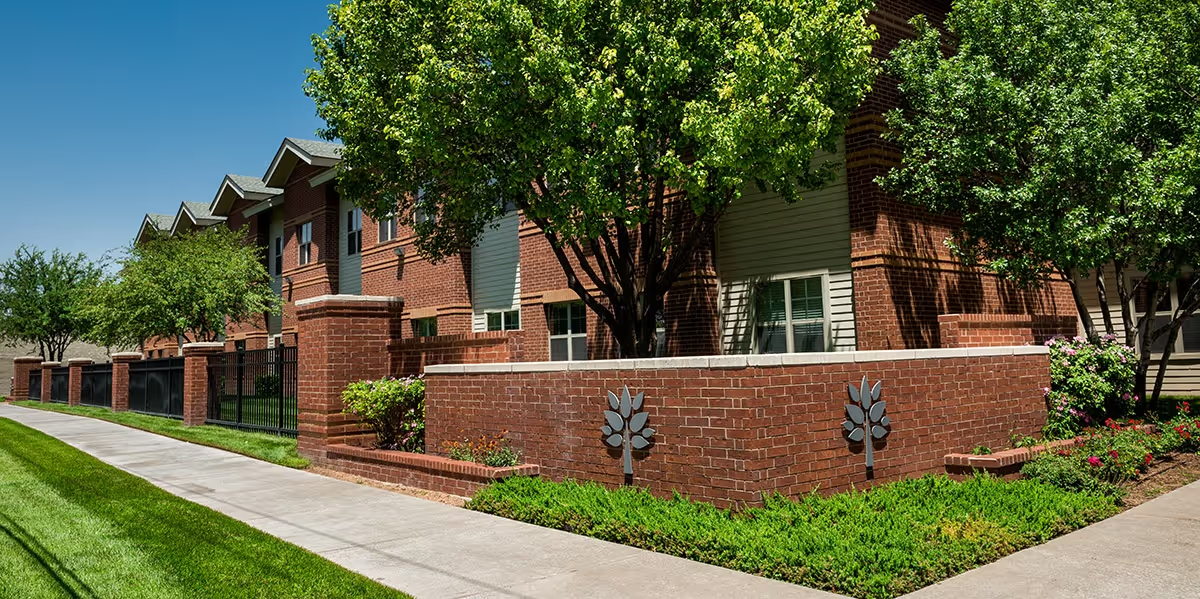
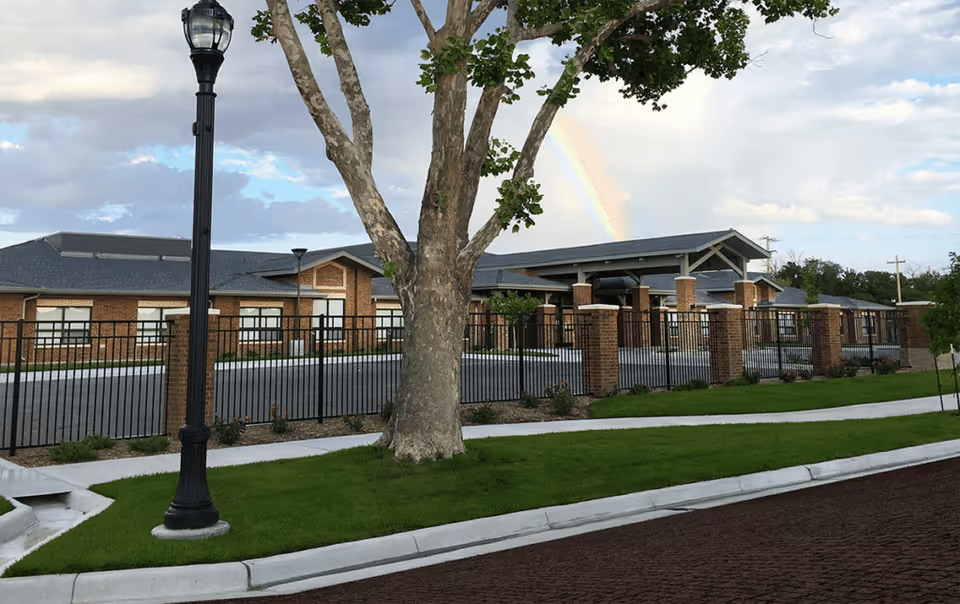
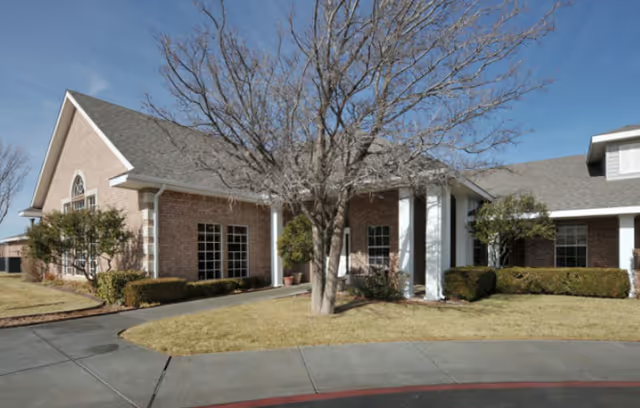
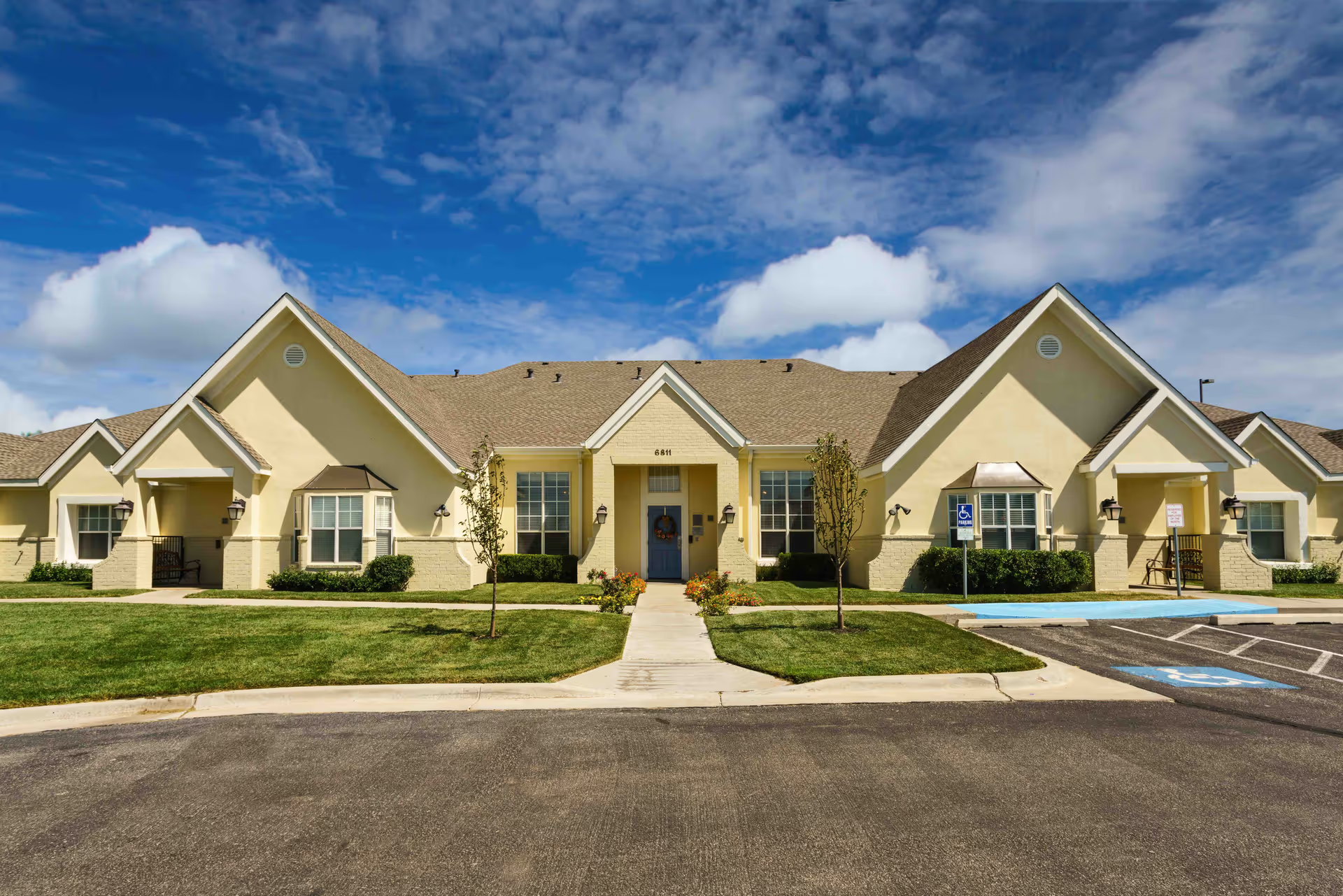
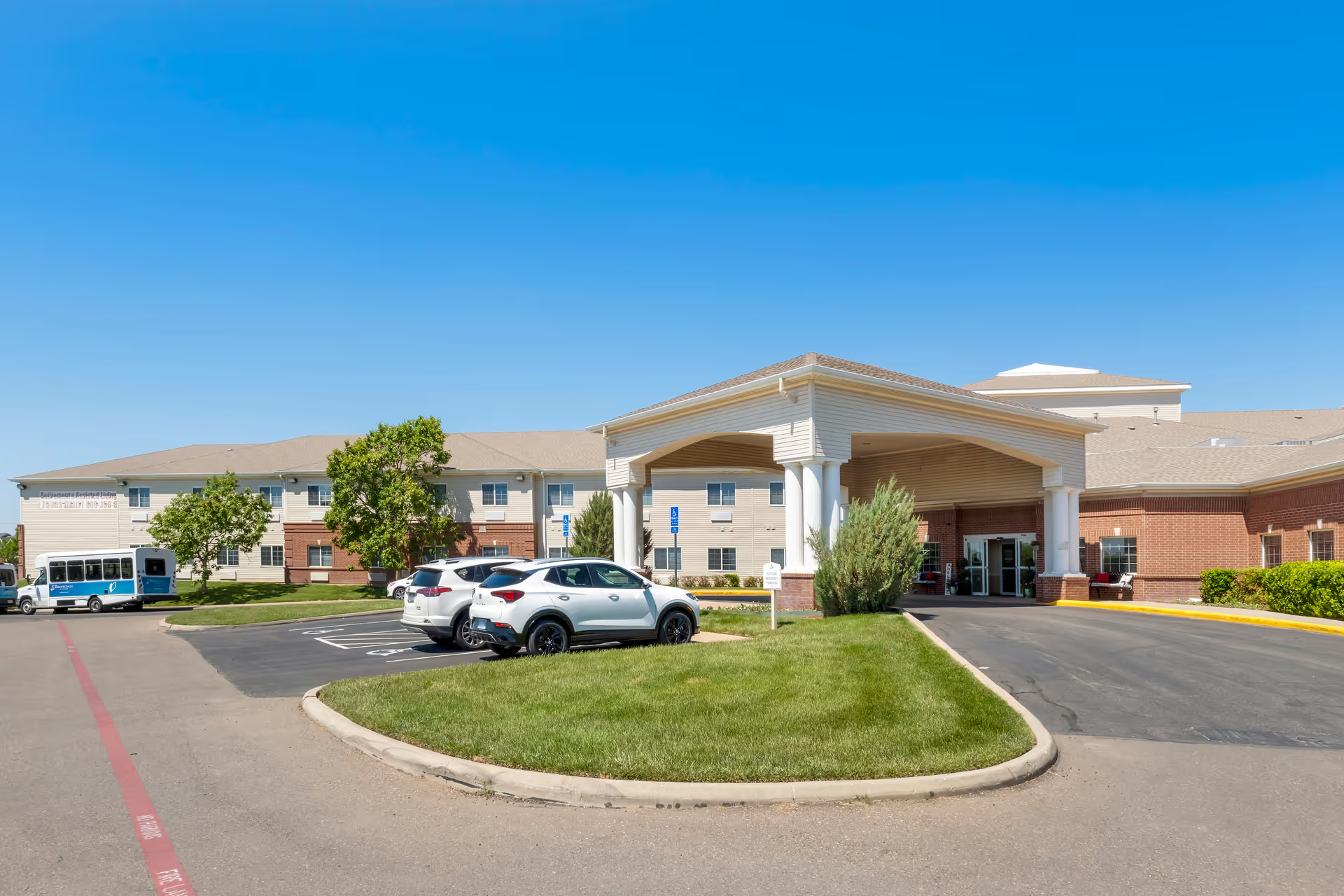
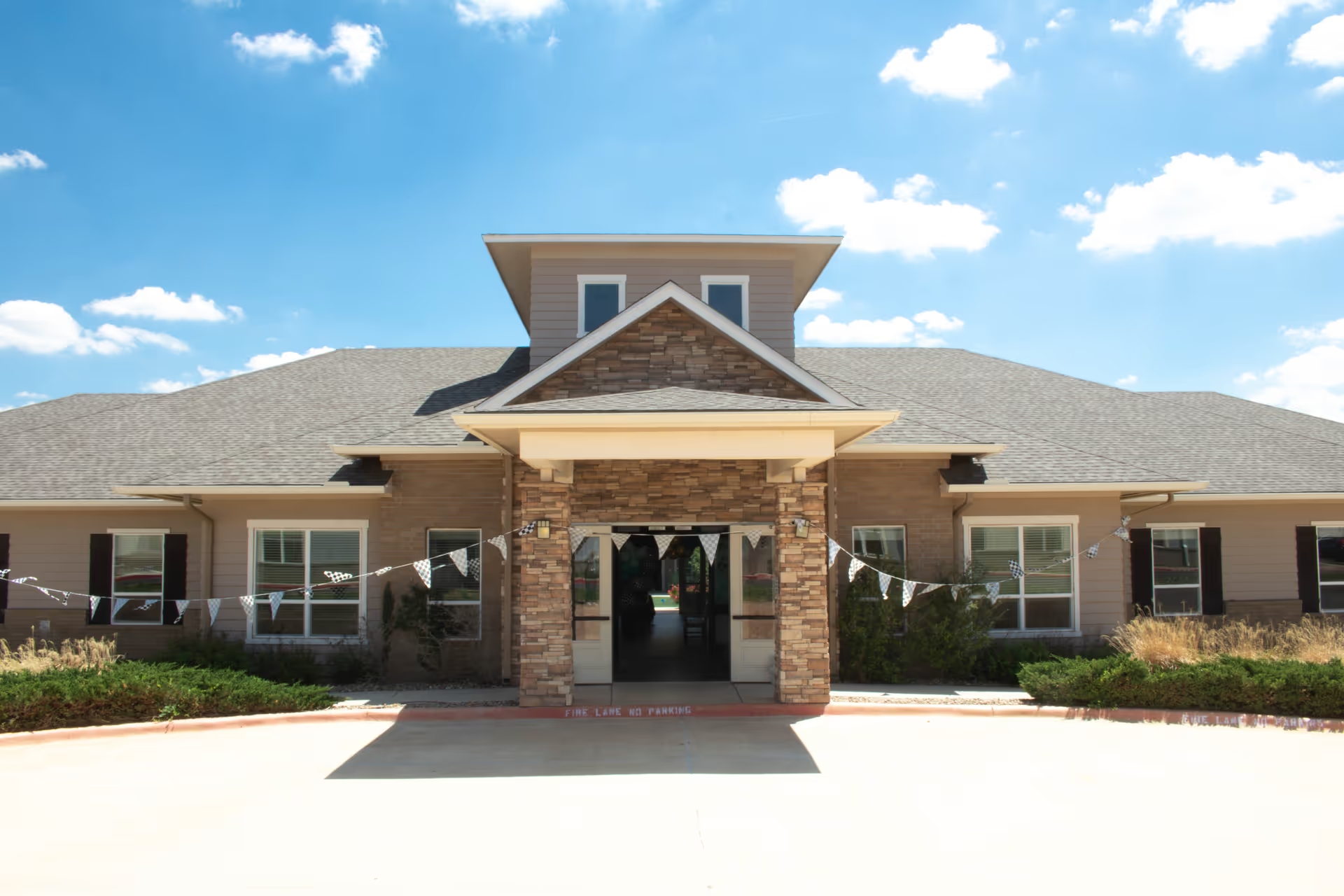
The reviews present a mixed picture of Caprock Nursing and Rehabilitation Center with clear, recurring strengths alongside notable operational vulnerabilities. Strengths most consistently mentioned relate to the facility environment and therapy services: reviewers describe a clean, well-maintained building with a bright, well-equipped rehabilitation area and an overall home-like atmosphere in many units. Therapy teams (physical, occupational, and speech) receive frequent praise for skill and attentiveness, and several families credited the rehabilitation staff with meaningful functional improvement. Dining and cafeteria services are described positively by multiple families, and admissions/guest-relations staff are often characterized as welcoming and easy to work with.
Direct-care staff earn considerable positive comment for friendliness, compassion, and willingness to go beyond basic duties. Many reviewers said individual caregivers and activities staff fostered engaging resident interactions and provided peace of mind to families. There are multiple mentions of staff who are attentive, cheerful, and effective at building rapport with residents. Some families also noted that when issues arose, particular staff members addressed them promptly and courteously.
Alongside these strengths, reviews identify several operational weaknesses that prospective families should consider. The most serious clinical concern relates to medication management and coordination at admission: reviewers describe instances of delayed or missing prescribed medications and gaps in timely pain-management, suggesting vulnerabilities in admission medication processes and pharmacy coordination. Closely related are comments about inconsistent clinical oversight and medical coordination that sometimes affected wound care, blood-sugar management, and timely medication adjustments.
Staff responsiveness is another recurring theme. Some reviewers described delays in answering call lights or prolonged waits for assistance, and others noted variability in staff experience—references to less-experienced or teenage staff and uneven practice consistency. Activity programming has also been described as reduced compared with pre-pandemic levels, producing variable resident engagement depending on timing and unit. Finally, several reviewers raised concerns about facility management and corporate-level practices, including customer-service responsiveness, billing/financial interactions, and allegations about unethical review practices; these items suggest potential governance and communication issues that families may wish to probe during a tour and care-planning conversations.
In summary, Caprock appears to deliver strong rehabilitative care and a clean, welcoming environment with many compassionate frontline employees. However, families should be mindful of potential variability in medical coordination, medication administration processes, and responsiveness at times, and should ask targeted questions about admission medication protocols, nursing oversight, staffing patterns, activity schedules, and corporate governance when evaluating the facility for placement.