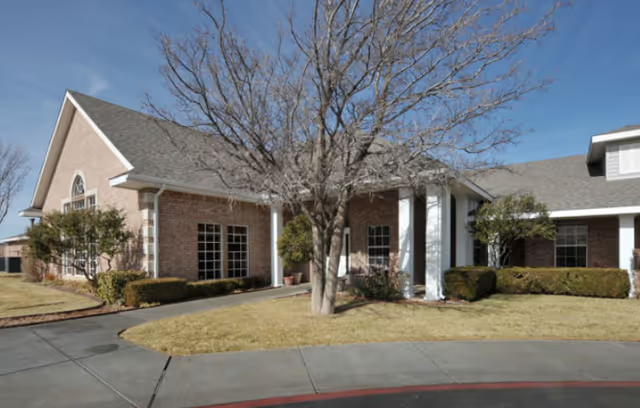
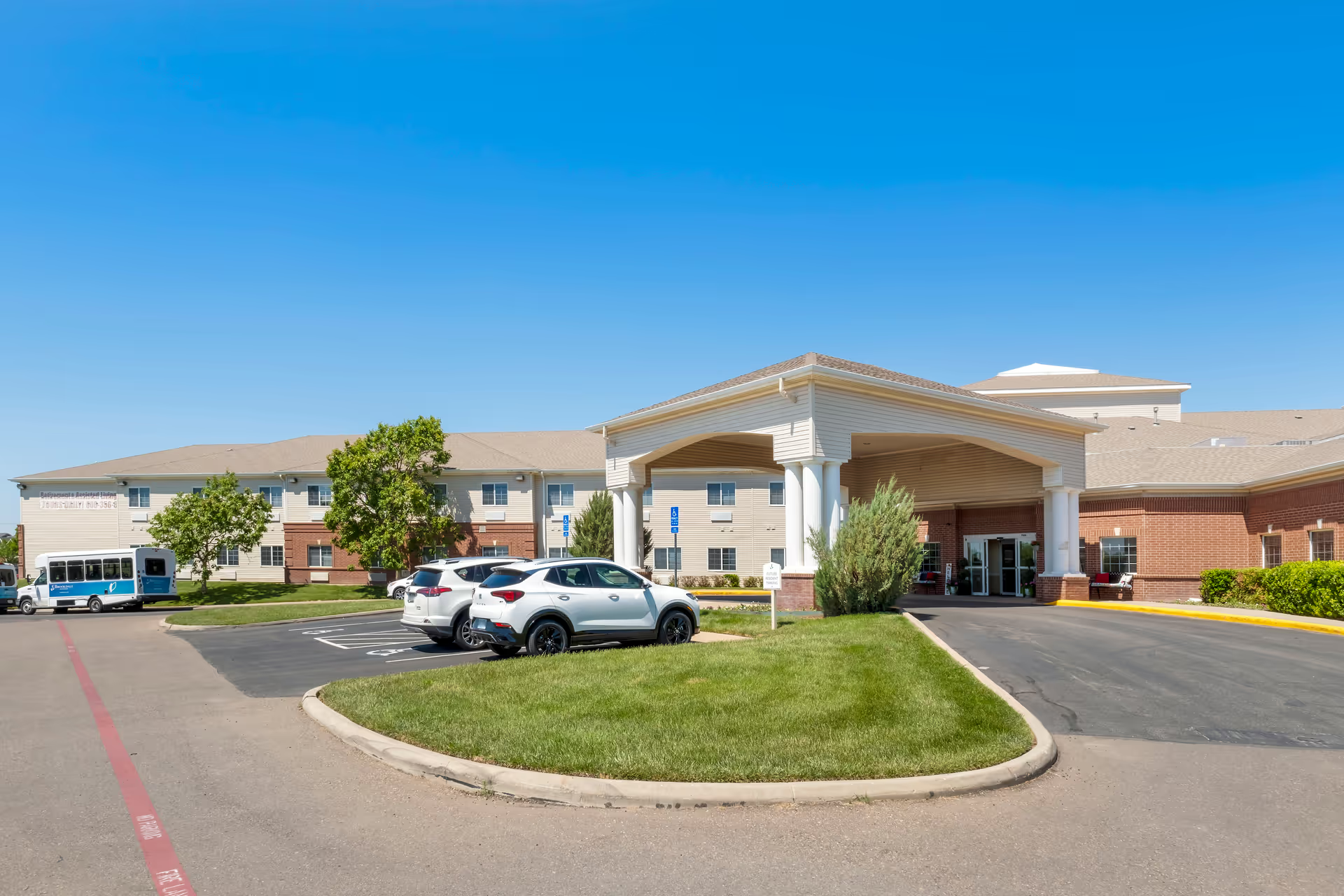
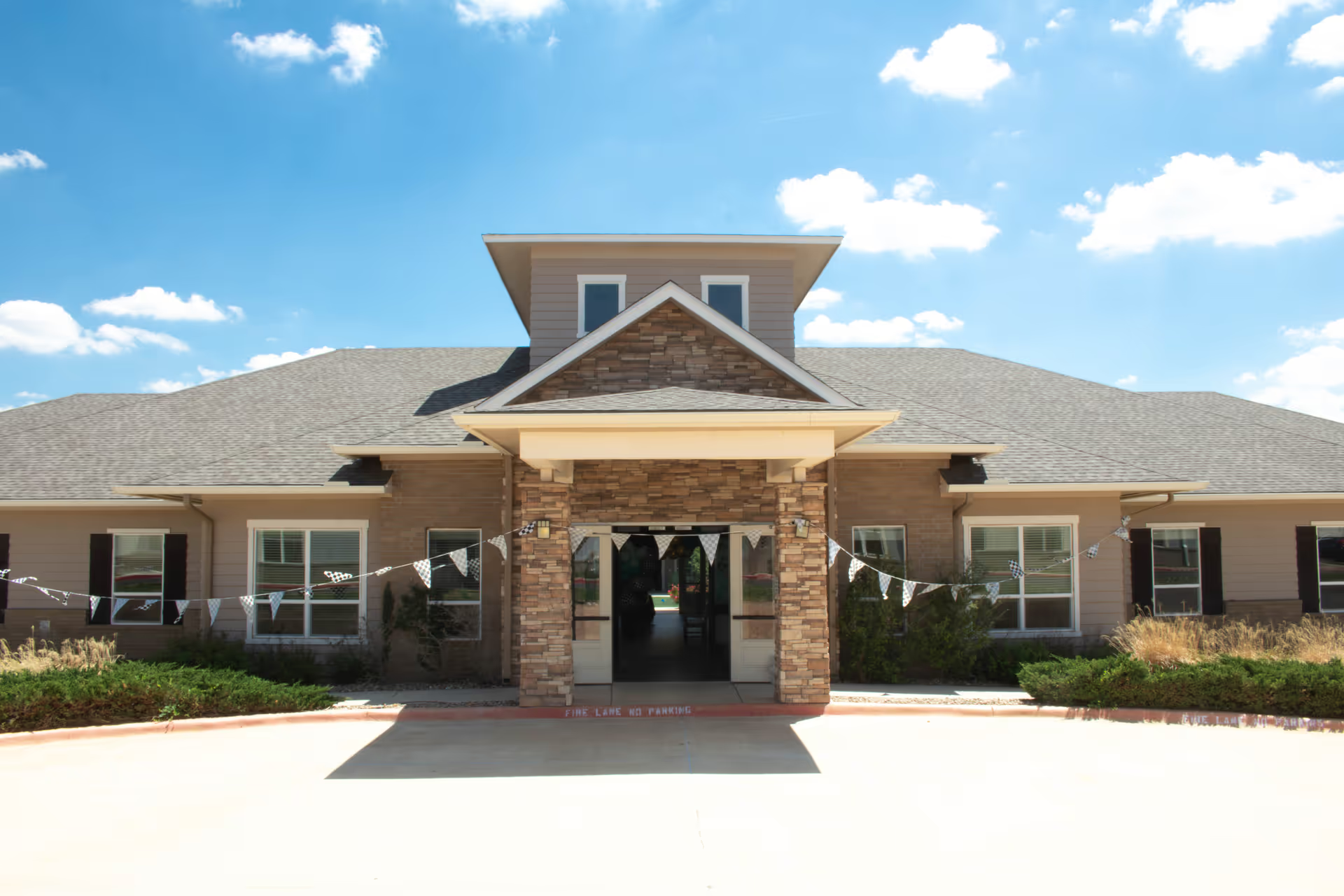
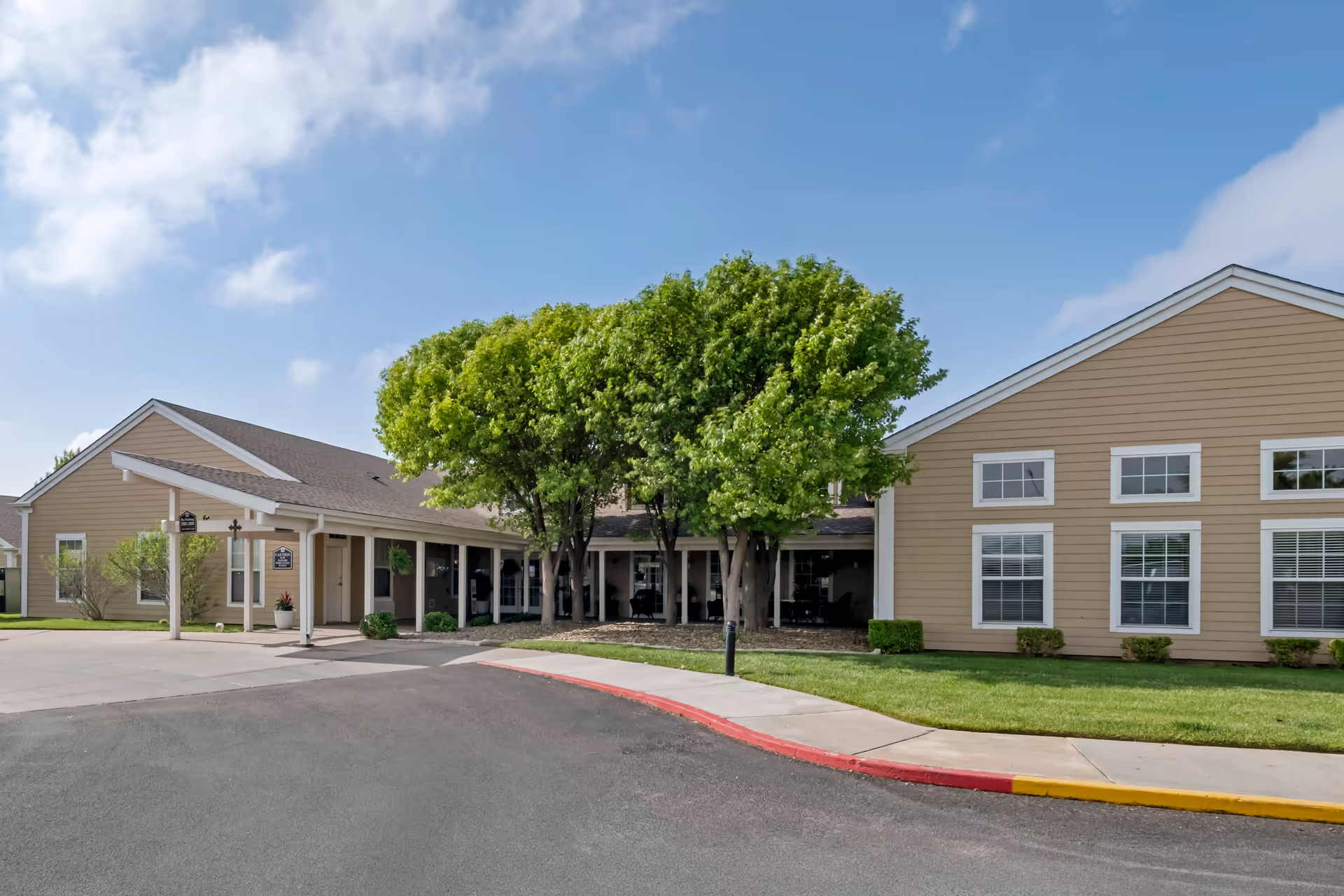
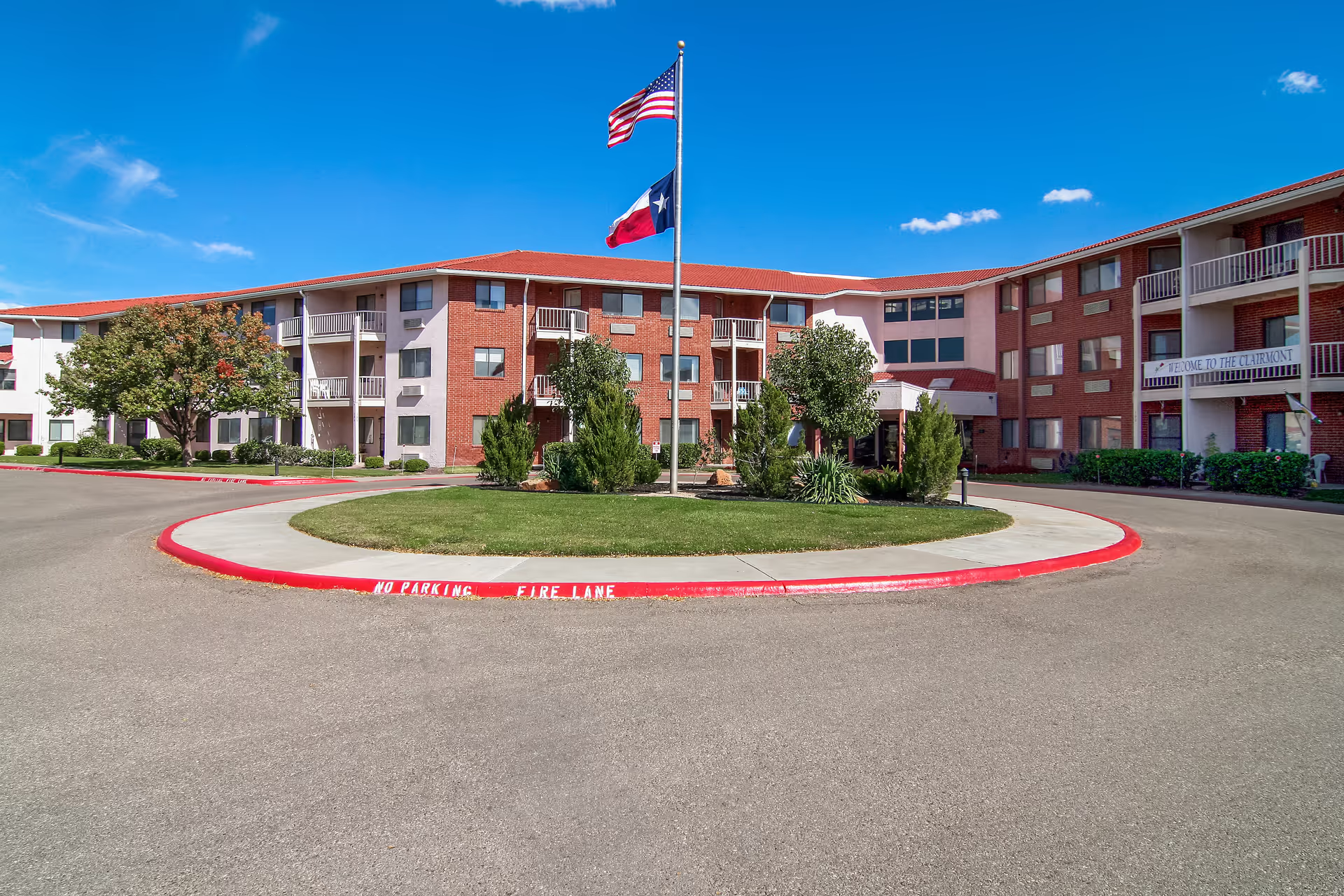
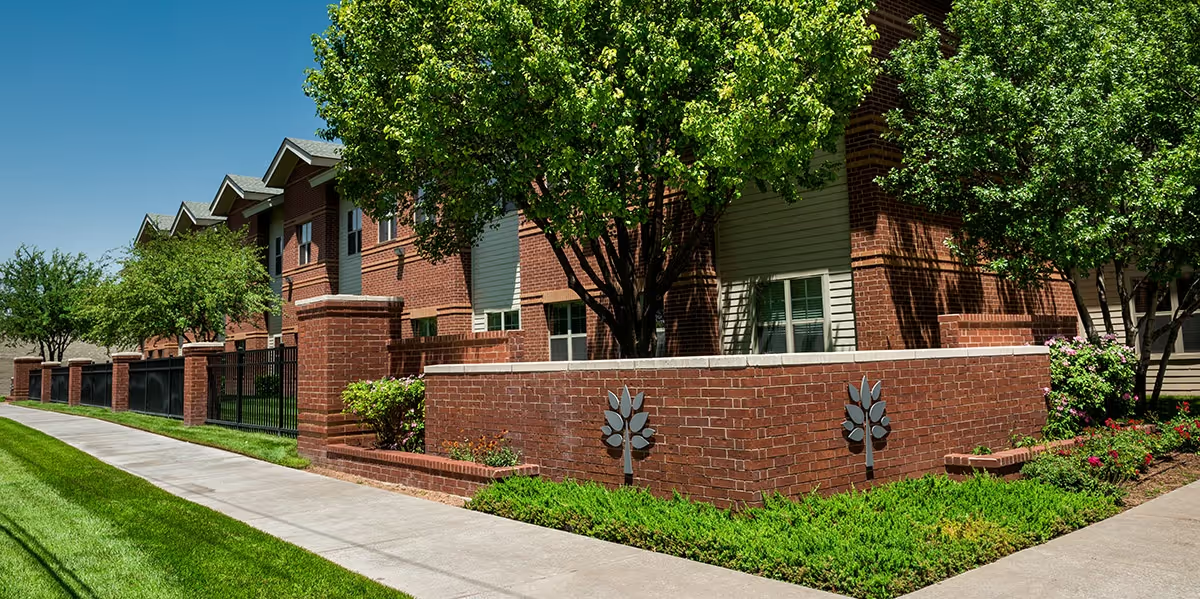
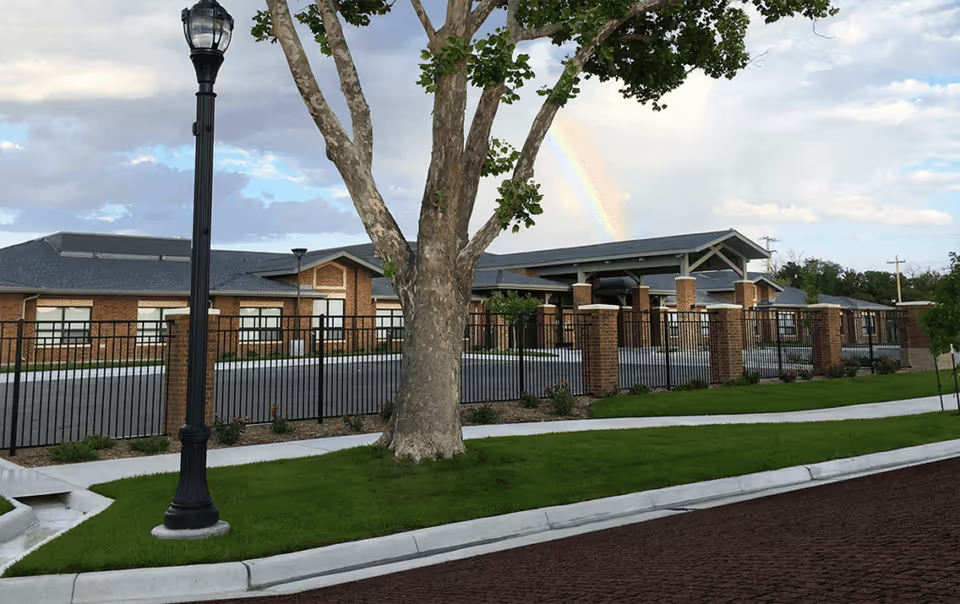
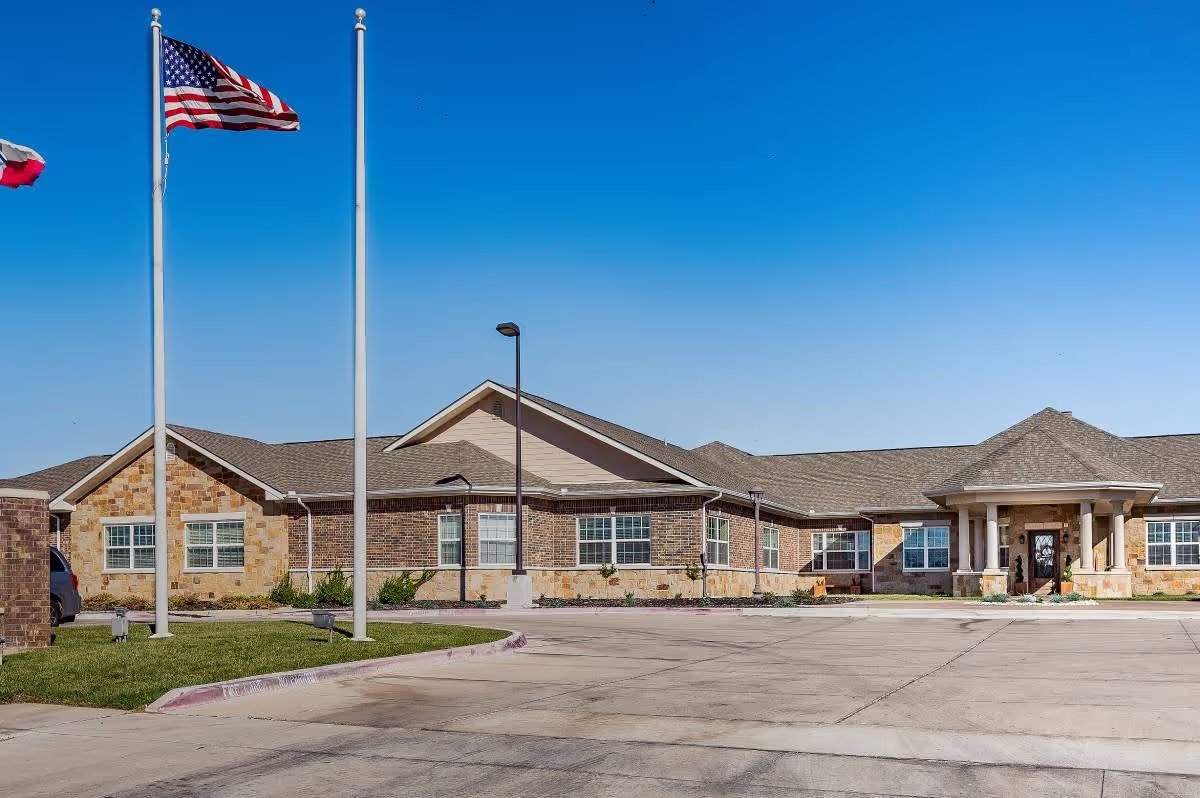
Overall impression: The Cottages at Quail Creek is consistently described as a small, home-like assisted living community with a pronounced focus on memory care. Strengths most frequently mentioned include compassionate, hands-on caregivers, staff trained in dementia care, and a clean, well-maintained campus with attractive outdoor patios, gardens and a gated courtyard. Families commonly cite peace of mind from the secure environment and the presence of 24-hour care with established hospice coordination when needed.
Care and staff: Reviews emphasize warm, personable staff who know residents by name, participate in activities, and provide individualized attention. Memory-care expertise is a recurring theme: staff are described as trained and comfortable with dementia-specific needs, and caregivers are often praised for engagement, physical affection, and ongoing family communication. At the same time, reviewers raise operational concerns that affect consistency of care: high staff turnover and episodic understaffing create variability in caregiver continuity, and there are indications of gaps in medication oversight and in tracking residents' personal items and laundry. These operational traits suggest families should evaluate current staffing stability and clinical oversight during a tour.
Dining and activities: Dining is widely regarded as a strength — food quality is described as good, varied and family-style, with guest meals available. Activity programming is active and varied, with motor-skill activities, games, outings, picnics and social events that many residents enjoy. The activities director is frequently mentioned as engaged and responsive to resident interests. Limitations noted include a relative lack of structured physical-fitness amenities (no on-site gym observed) and constrained indoor activity space in portions of the community; prospective residents who prioritize formal exercise facilities or large program rooms may find those offerings limited.
Facilities and accommodations: The facility's grounds and common areas are repeatedly described as well-kept and park-like, with airy communal rooms and several dining areas that support a smaller, more intimate dining experience. Room sizes vary; while private rooms exist, shared rooms remain common and many units rely on hall-access restrooms rather than private ensuites. Reviewers point out that private-bathroom options can carry a premium. Additional operational notes include an entry-door buzzer visibility issue, occasional need for targeted updating in older parts of the building, and lack of an on-site transportation van.
Management and notable patterns: Management and administrative responsiveness are characterized as positive by many families — with friendly directors and staff who go above and beyond — but a perceptible pattern of uneven administrative follow-through appears in other accounts. Concerns include inconsistent communication about fees and financial arrangements and promises that were not fulfilled in isolated cases. Overall, the dominant pattern is highly favorable on care quality and resident engagement, tempered by recurring operational items (staffing stability, medication oversight, shared-bathroom arrangements, and personal-item handling) that can affect individual experiences. Prospective residents and families should weigh the community's strong memory-care focus and warm culture against these practical considerations and ask targeted questions about staffing continuity, medication protocols, laundry procedures, and bathroom accommodations during visits.