Overall impression: Reviews of The Gardens of Amarillo Memory Care are predominantly positive about day-to-day caregiving, the social environment, and the facility’s memory-care focus. Families and residents frequently describe the community as clean, homelike, and small enough to allow staff to form personal relationships with residents. The caregiving team is repeatedly characterized as kind, patient, and attentive; many comments highlight individual caregivers who go beyond basic duties and an activities director who engages residents effectively.
Care quality and staff: The facility’s staff receive strong praise for compassionate, dementia-aware interactions and for knowing residents by name. The memory-care programming, including Montessori-style activities and strategies to reduce overstimulation, is cited as effective at keeping residents engaged and calm. That said, a number of reviews raise operational concerns: intermittent staffing shortages, slow response times for assistance, and occasional gaps in medication communication. These describe patterns of inconsistent coverage and communication rather than uniform failure; prospective families should verify current staffing ratios and on-shift coverage during a tour.
Dining and activities: Dining is a consistent strength in the reviews — three meals plus snacks, fresh and well-seasoned options, and multiple dining rooms that support social meals and family visits. The community offers a broad activities calendar (crafts, gardening, outings, parties such as themed proms, and exercise) that many families credit with improving residents’ engagement and mood. The program emphasizes social interaction and cognitive stimulation and appears to accommodate wandering behaviors safely.
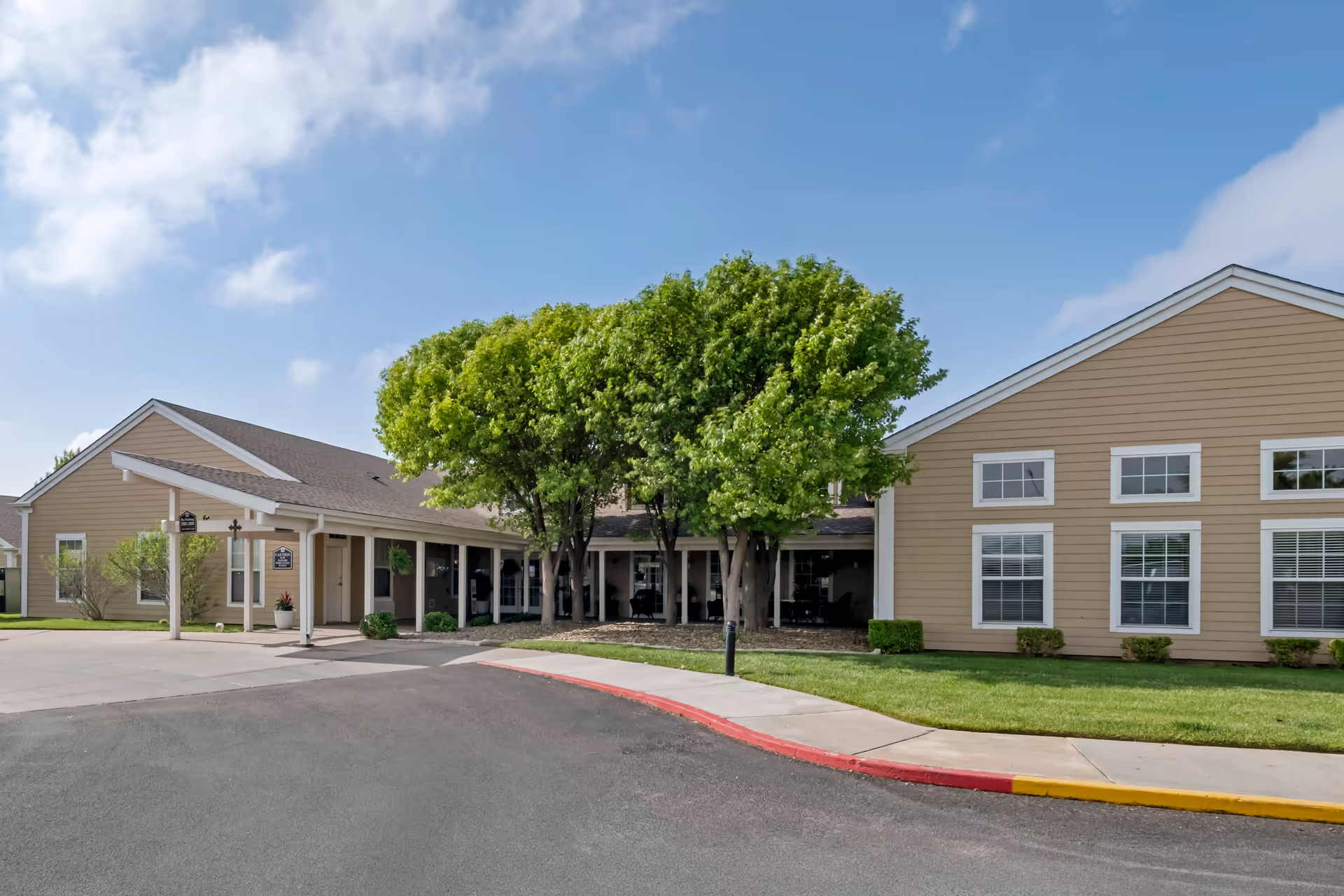
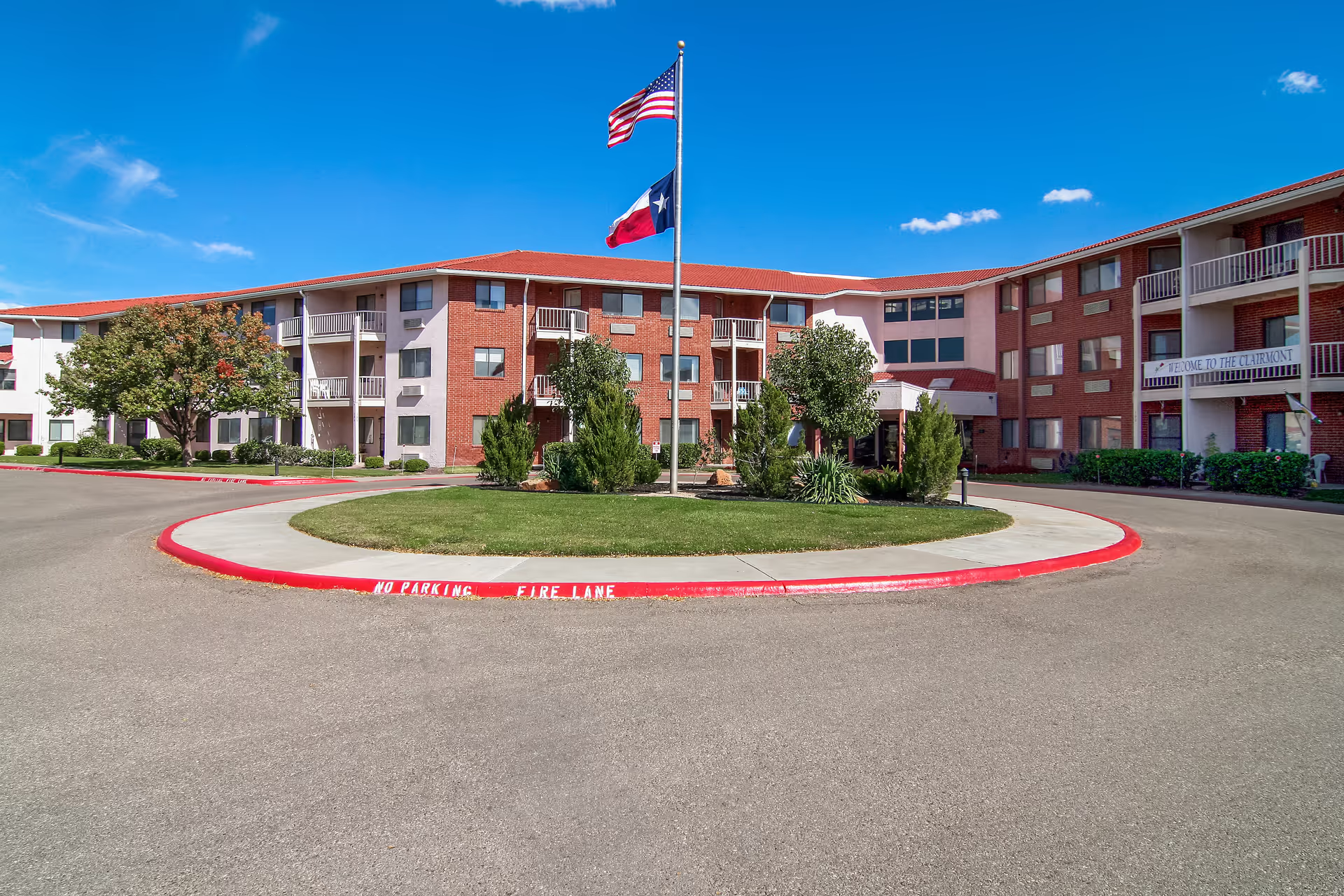
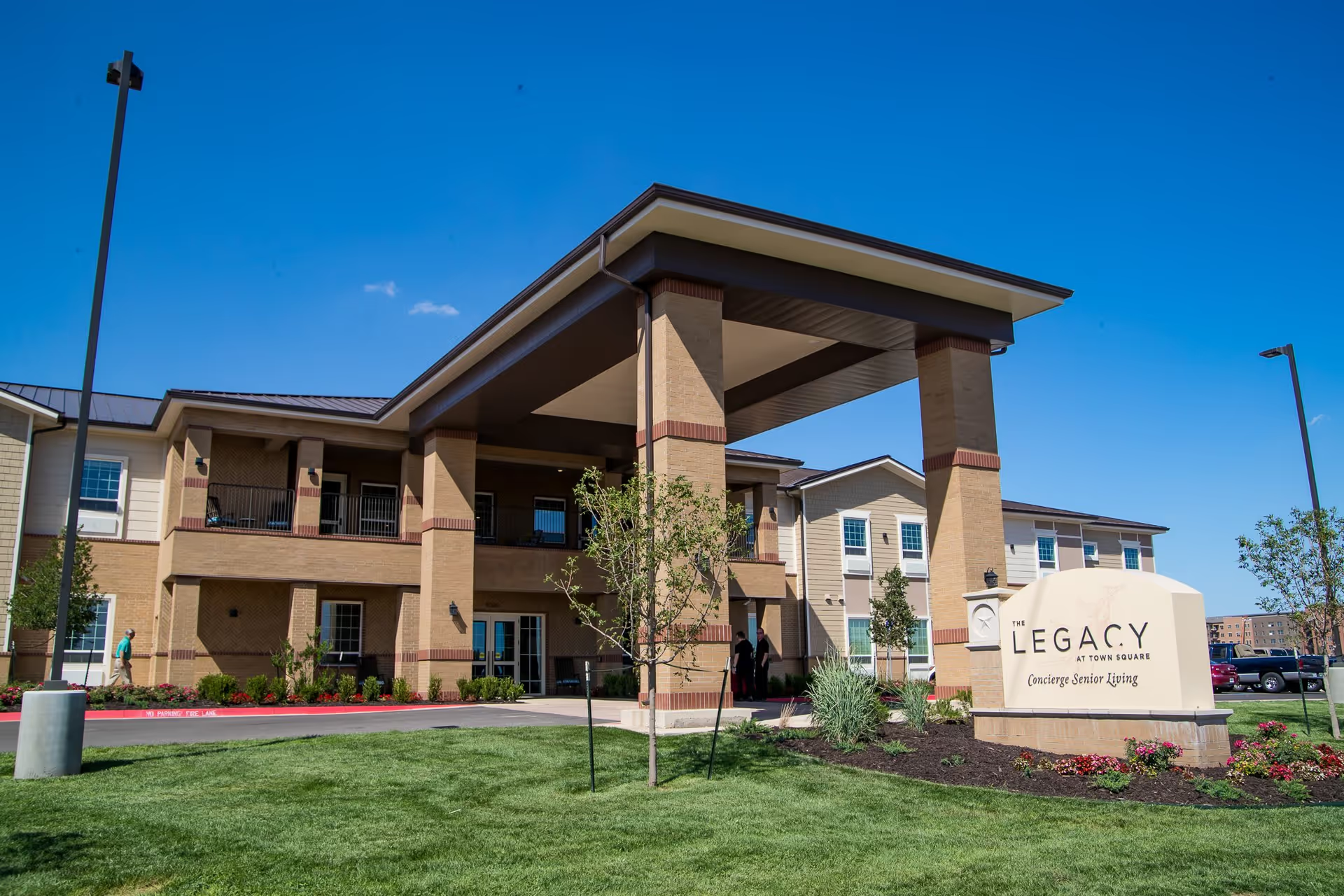
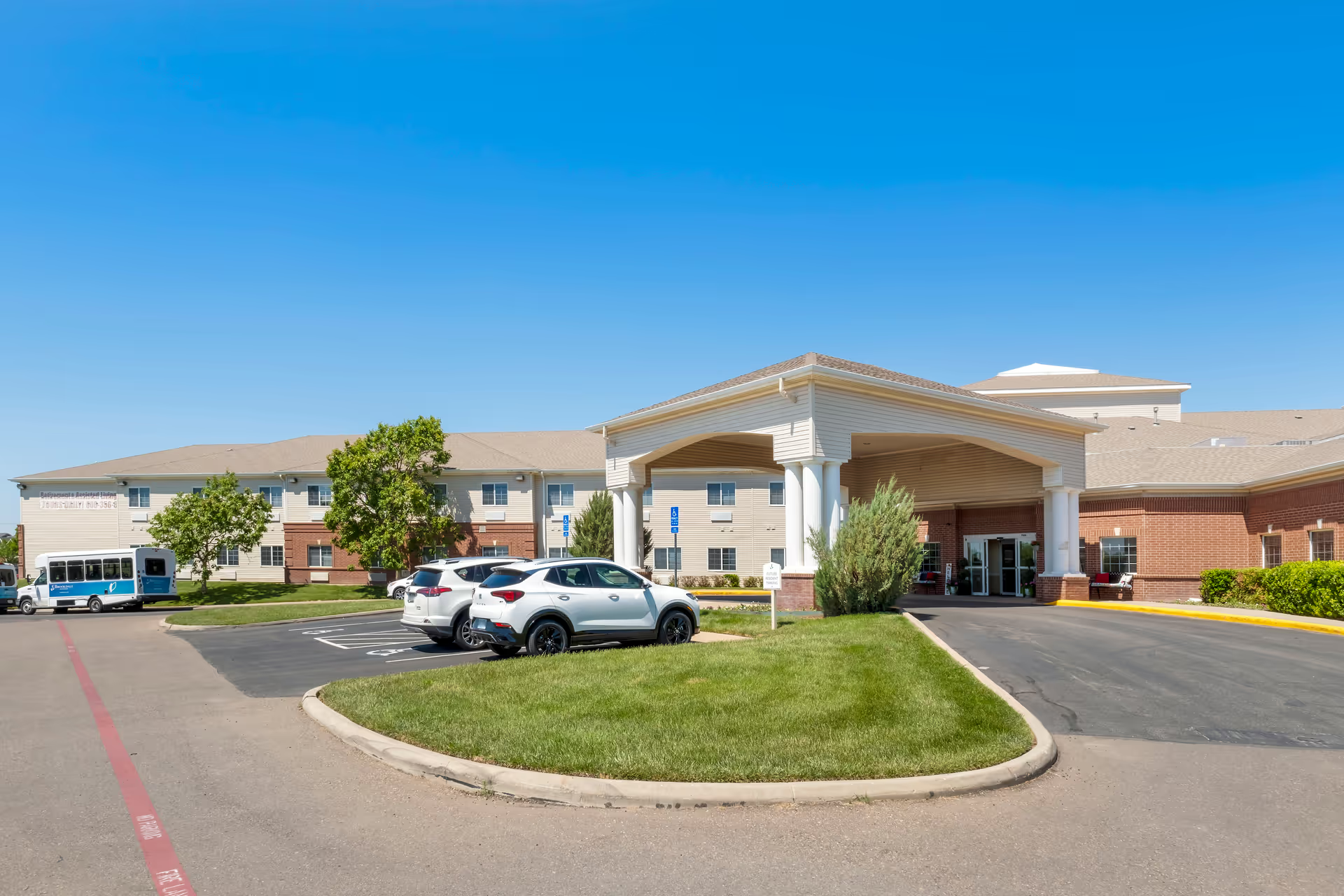
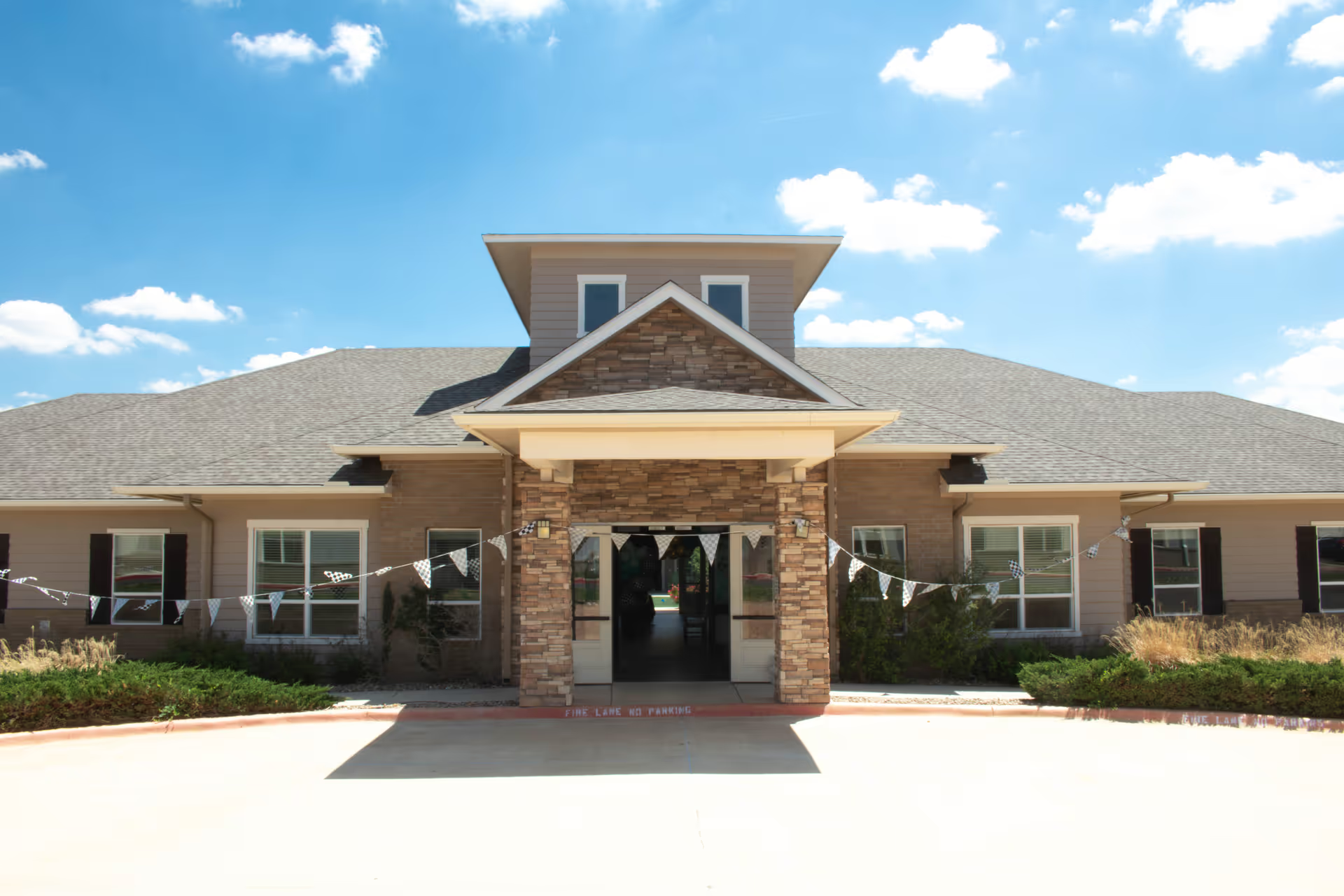
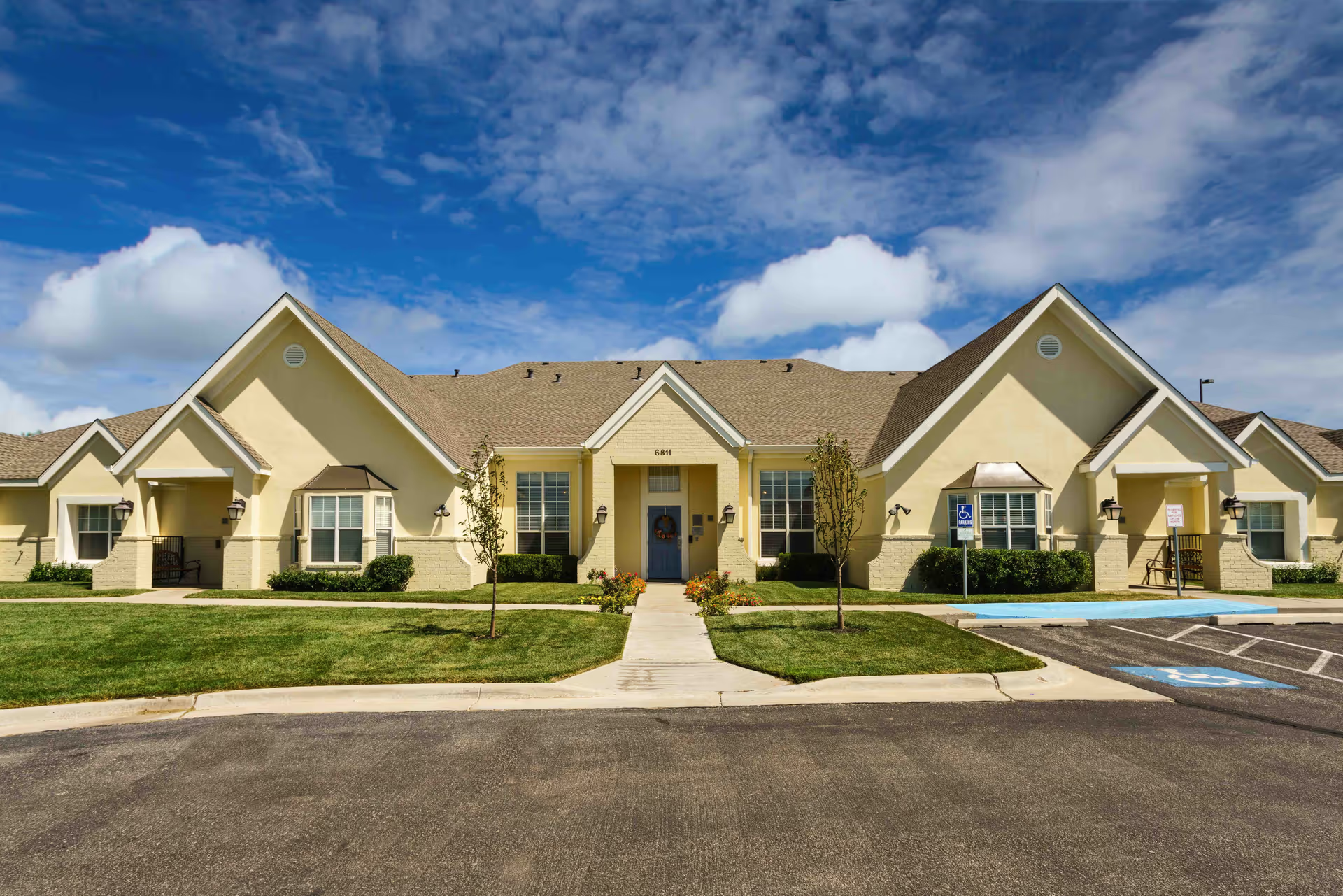
Facilities and accommodations: The physical environment is described as clean, recently updated, and thoughtfully arranged for memory care, including secure outdoor gardens. Room options include private, furnished single rooms and corner rooms with large windows; some reviewers describe rooms as spartan but adequate, which can support easier maintenance and safety. A few reviewers noted environmental issues such as limited individual temperature control in some rooms and concerns about certain common-area sanitation; these appear to be localized rather than pervasive.
Management and operational patterns: Several reviewers praised front-line staff while also noting frequent changes in senior management and administrative slowdowns (paperwork, move-in processing, and billing questions). Cost and perceived value are mixed: many find the community to be reasonable for the services provided, while others cite affordability as a barrier or question billing clarity. A small number of serious concerns about staff conduct and resident dignity were raised; these are individual, serious allegations that prospective families should address directly with management and during an in-person assessment.
Notable patterns and guidance for families: The dominant themes are strong, relationship-driven caregiving, a robust activity program tailored for memory-care needs, and positive dining experiences. Counterbalancing these strengths are operational traits to explore further: current staffing consistency, medication and communication protocols, administrative responsiveness, billing clarity, and room-specific features such as sleeping arrangements and temperature control. Visitors should observe staff-resident interactions, review staffing schedules and medication procedures, inspect preferred rooms for comfort and temperature control, and ask for examples of how management addresses past concerns.