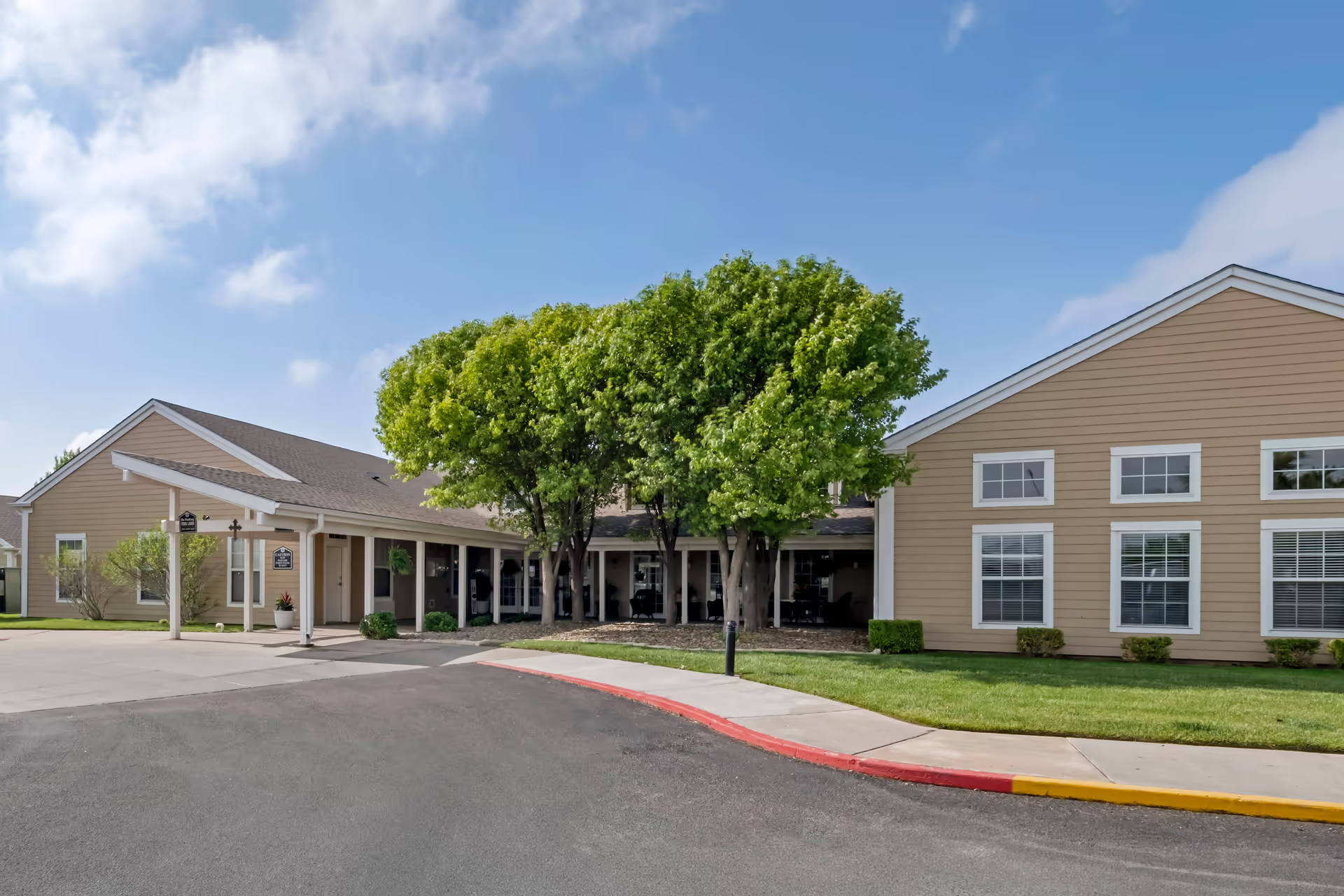
Asher Point Independent Living of Amarillo elicits a mixed but distinct pattern of strengths and operational weaknesses. Strengths repeatedly cited include a friendly caregiving culture at the staff level, a well-regarded dining program led by an on-site chef, and a lively activity schedule with frequent social events, entertainment, and outings. Many reviewers praised apartment layouts that are roomy for independent living, recent interior updates in portions of the building (new carpet, fresh paint), and a range of on-site amenities such as a salon, pool room, library, exercise space, and gardening opportunities. The community’s central location and family-like atmosphere are also consistent positive themes.
Care and staff performance are described in two ways. On the positive side, day-to-day caregivers, dining staff, and activity personnel are often portrayed as attentive, personable, and engaged with residents. Conversely, reviewers raise facility-level concerns about staffing stability: frequent turnover, use of temporary staff, and staffing shortages that affect housekeeping frequency, responsiveness, and some aspects of direct resident support. These operational staffing gaps translate into lapses in routine services for some residents and uneven experiences between apartments and time periods.
Dining is frequently highlighted as a strength—there are consistent references to quality meals, a creative chef, and restaurant-style service in the dining room. At the same time, reviewers describe instances of disrupted meal service (for example during infection-control events), variable food quality at times, and logistical challenges when meals are delivered to rooms. Prospective families should consider asking about current kitchen staffing, contingency plans for service disruptions, and menu variety.
Activity programming and social engagement are clear assets: bingo, games, music, themed parties, religious groups, and scheduled outings are common and appear to support resident satisfaction. That said, activity intensity and variety are reported as inconsistent in some accounts; some residents and families experienced an active social calendar, while others found fewer opportunities. Transportation is available and used for appointments and outings, but several reviews describe inconsistent driver availability and scheduling limitations.
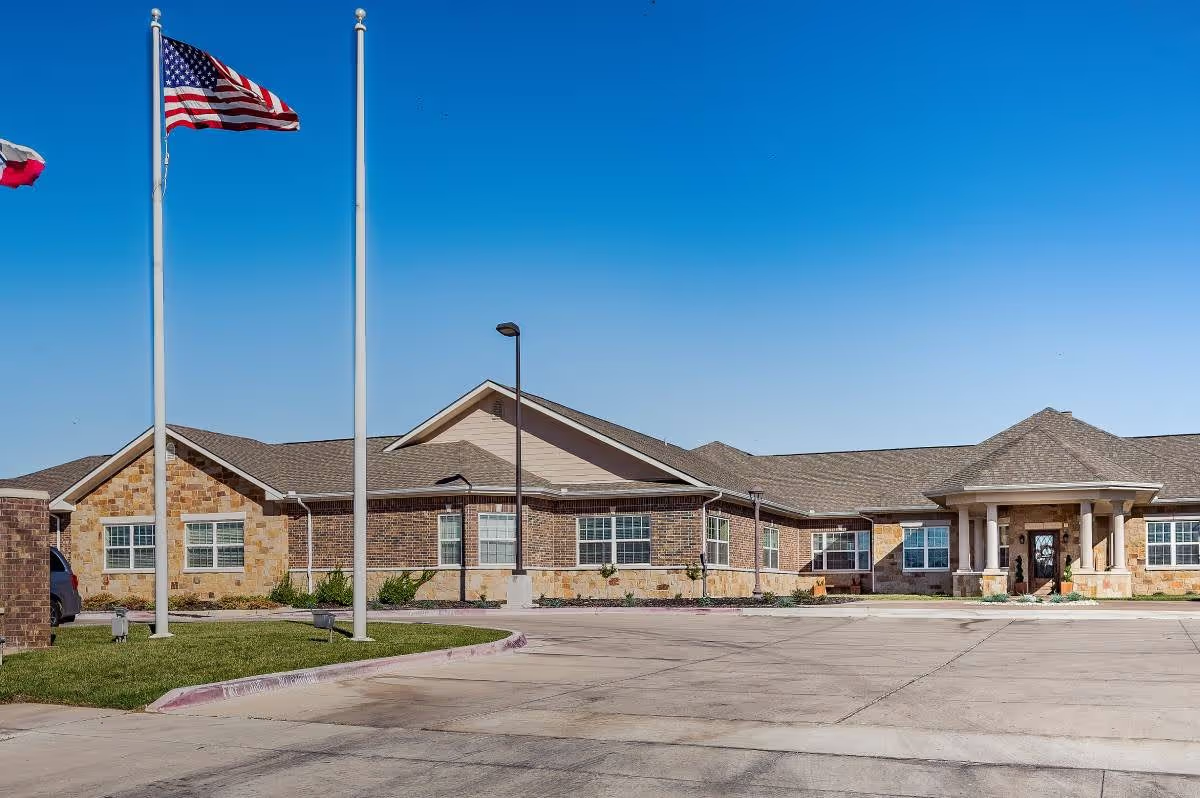
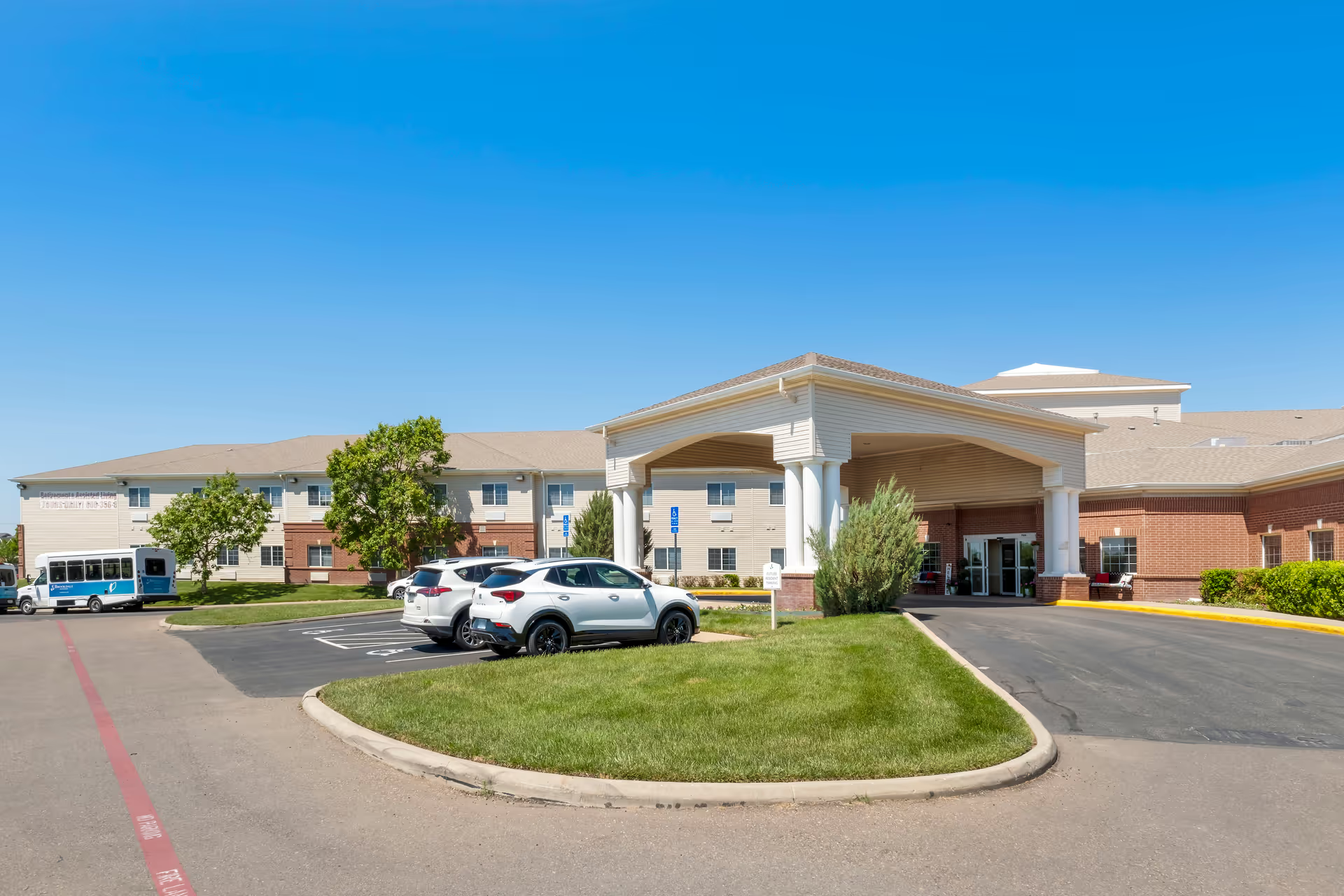
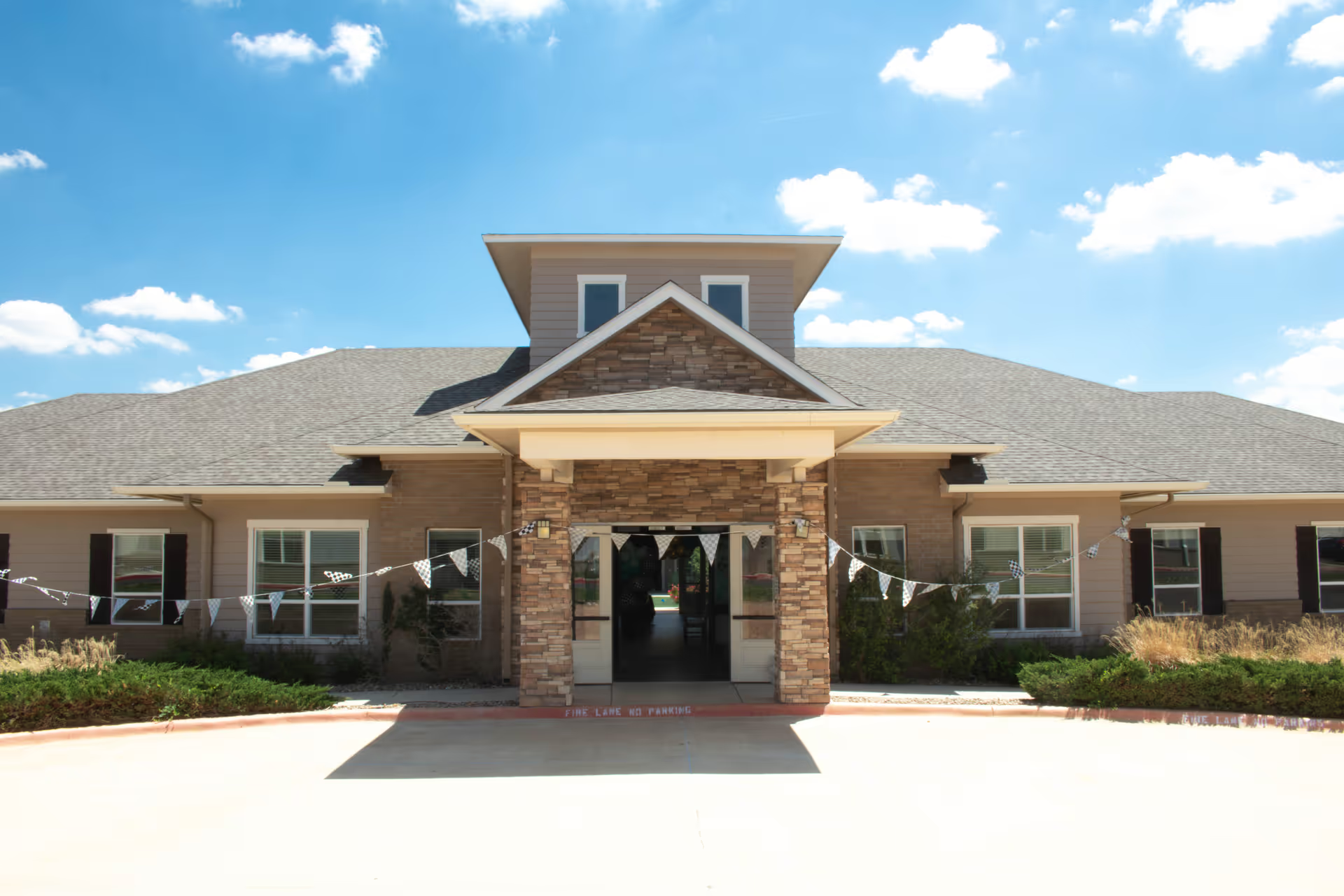
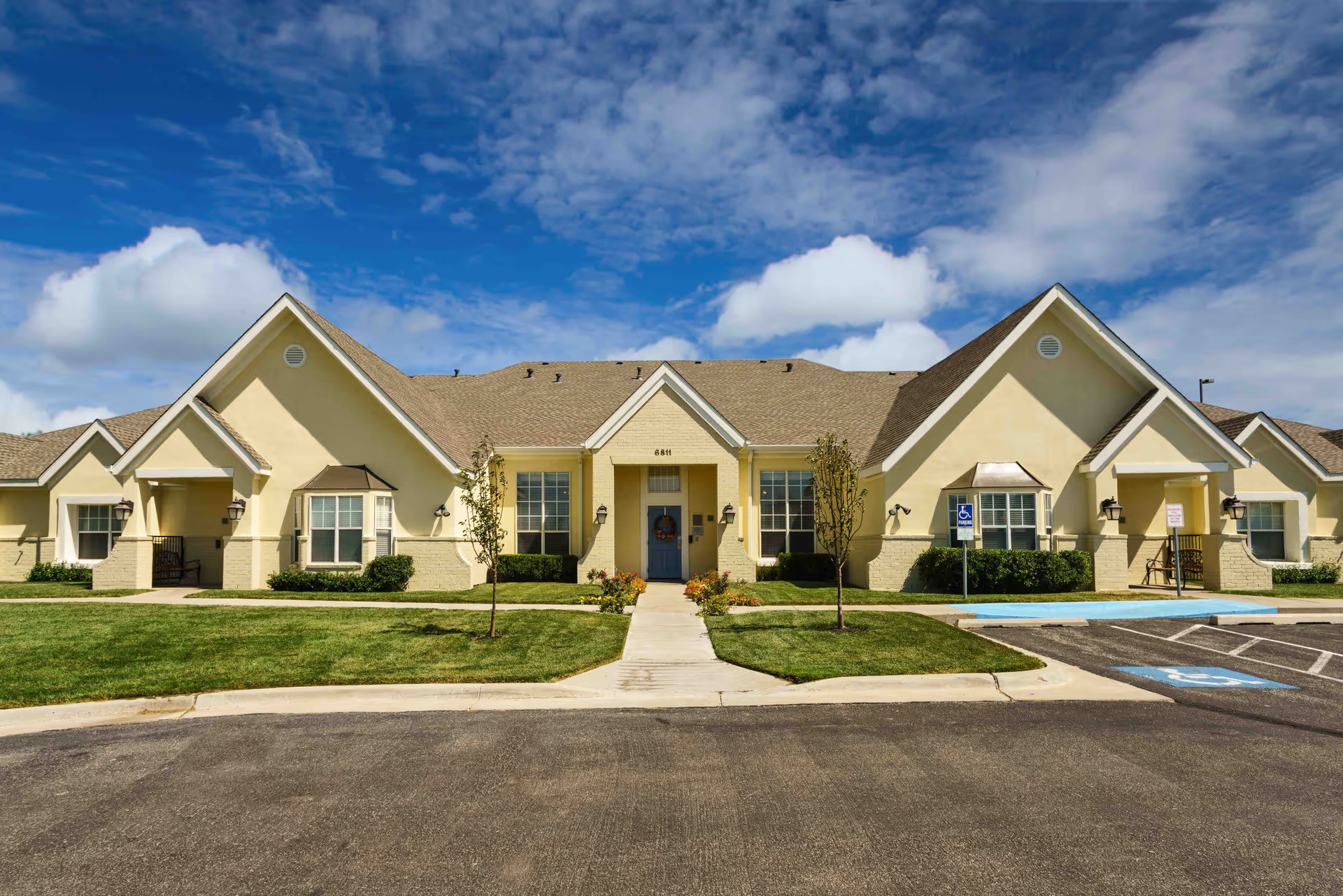
Facilities and physical plant show both recent improvements and persistent limitations. Portions of the building have been renovated, and many units are described as clean and well-maintained. At the same time reviewers call out elevator reliability problems, limited universal-access features (e.g., tub/shower configurations and stairs in bathroom designs), tripping hazards from flooring transitions, and limited seating/benching in outdoor areas. Cleanliness and odor control are areas of concern in parts of the campus, tied to housekeeping gaps and enforcement of a non-smoking policy.
Management and administrative practices are the area with the most varied feedback. Some reviewers praise new or attentive leadership and good communication; others describe management instability, high-pressure sales tactics, confusing lease terms, disputes over deposits and refunds, and billing conflicts after move-out or a resident’s death. Families should carefully review lease terms (including move-out notice periods and refund policies), billing practices, and the community’s documented policies for handling sensitive situations.
Overall, Asher Point appears to offer many of the social and culinary strengths families seek in an independent-living community, particularly where staff continuity and recent renovations are in place. However, recurring operational themes—staffing instability, housekeeping and maintenance inconsistency, accessibility and elevator reliability, and administrative/financial policy concerns—warrant targeted questions during a tour. Recommended next steps for prospective residents and families include: verify current staffing ratios and turnover, observe housekeeping schedules and maintenance response protocols, inspect accessibility features in the specific unit under consideration, request written lease and refund policies, and ask for examples of how management handled recent service disruptions or sensitive incidents.