Overall impression: The reviews portray A Caring Home with Friends as a small, residential-style group home that emphasizes personalized, family-like caregiving. Families highlight compassionate, attentive staff and a low caregiver-to-resident ratio that supports individualized attention, dignity, and maintenance of resident independence. Clinical supports are present, including professional medical care and end-of-life education, and reviewers commonly report that staff treat residents with respect and preserve quality of life through tailored routines.
Staff and management: A recurring theme is strong, responsive management — owners and administrators are described as accessible and quick to communicate with families. The care team is characterized as long-tenured and well treated, which reviewers link to continuity of care and consistent relationships. This staffing stability appears to support swift action on clinical or behavioral needs and provides families with peace of mind about oversight and responsiveness.
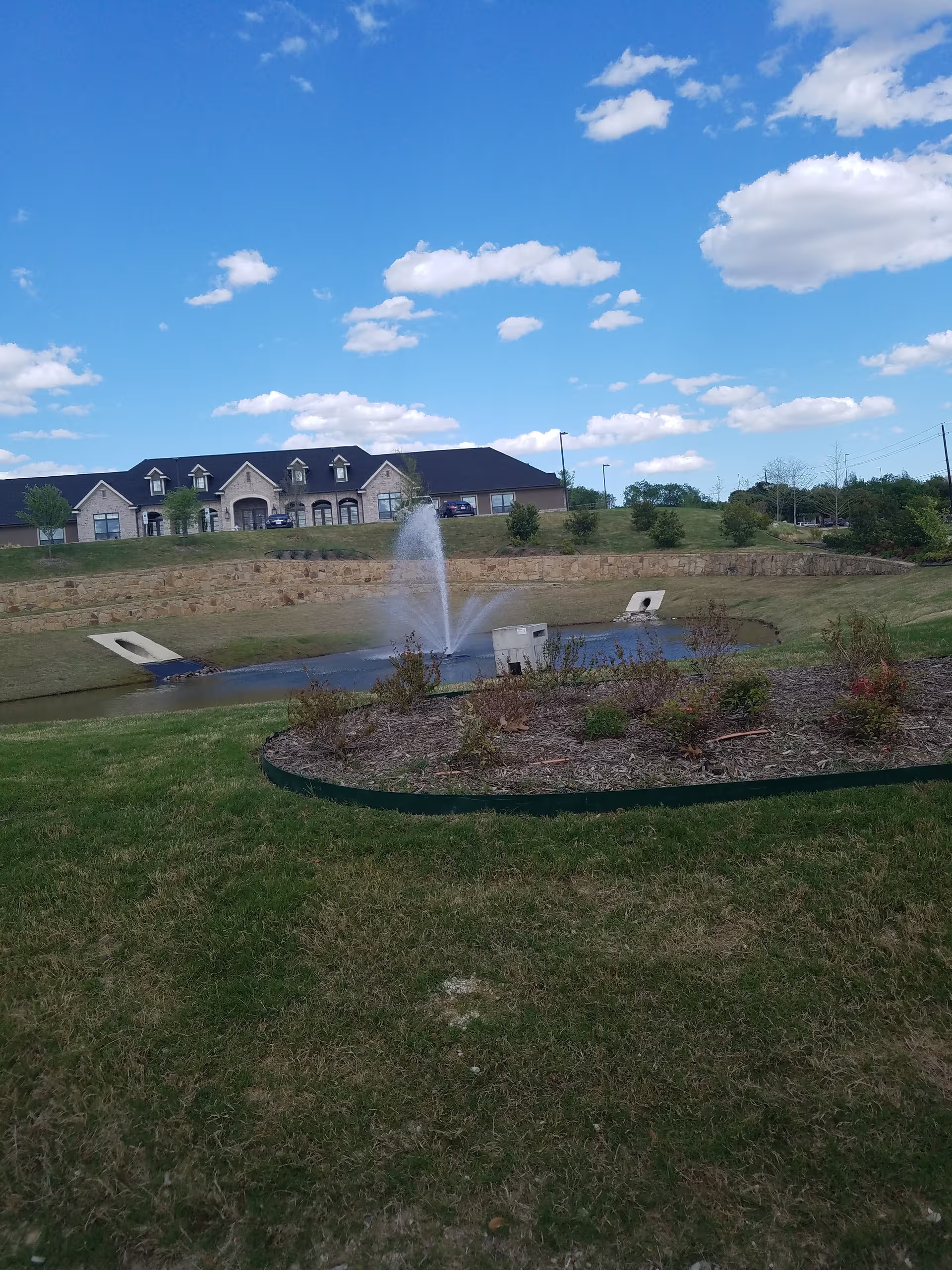
Dining and activities: The program offers home-cooked meals and regular social programming; many reviewers praise the meal presentation and communal dining experience as part of the home-like environment. Activities focus on meaningful social time rather than a clinical model, with examples including conversations in common areas, music (including a donated piano), gardening, and outdoor enjoyment of a courtyard and koi pond. On-site grooming and spiritual support are also noted as part of everyday life.
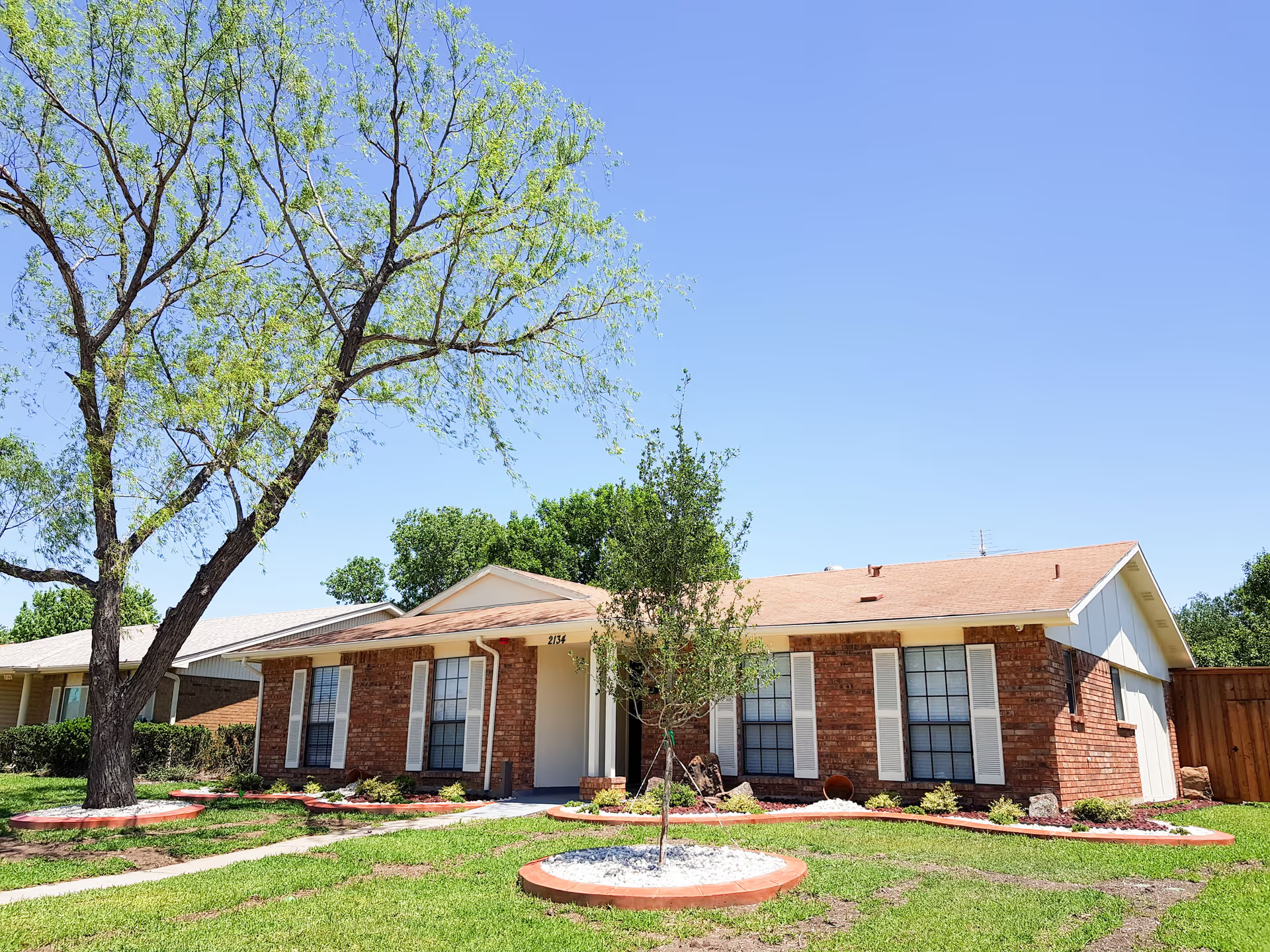
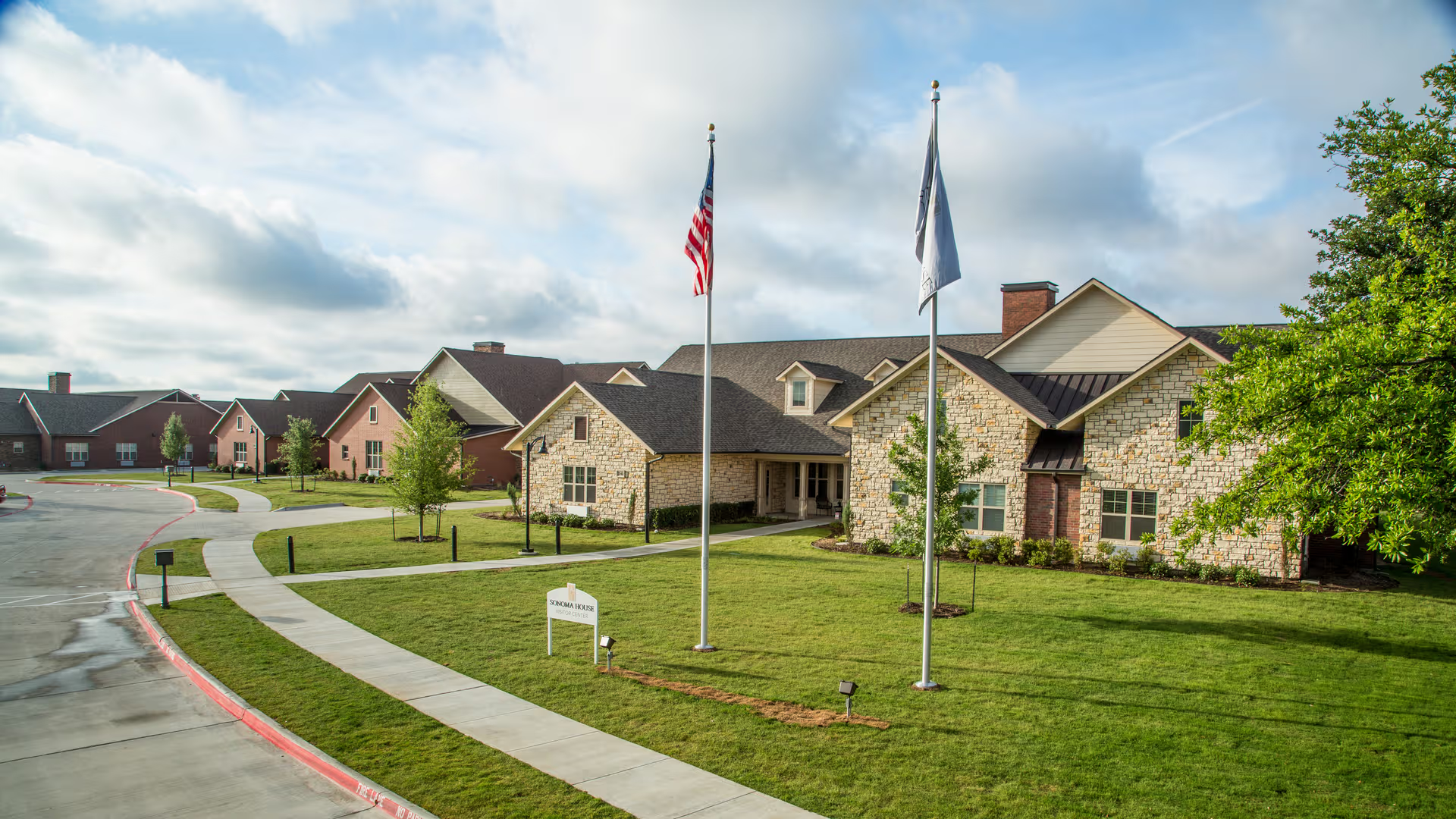
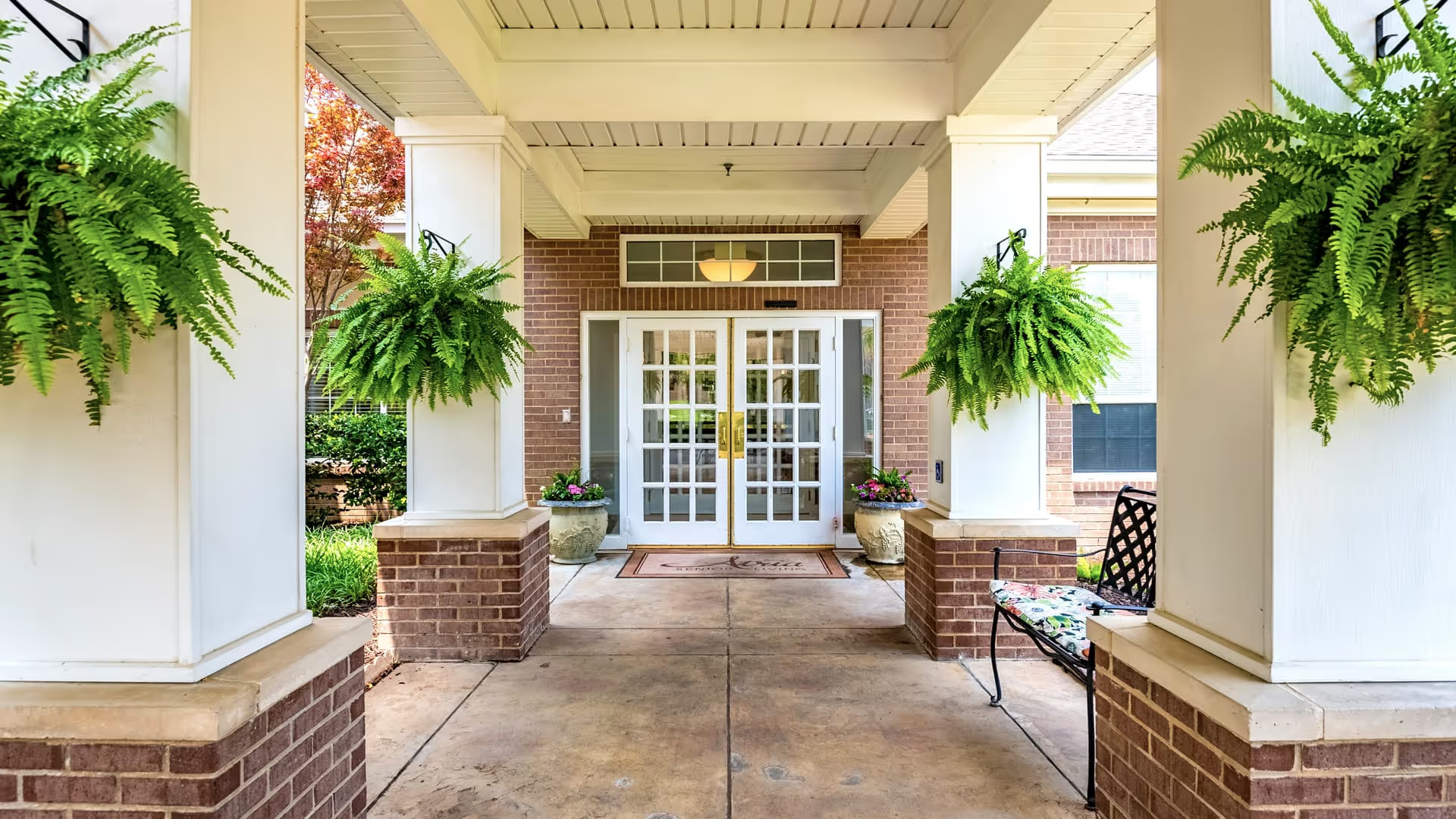
Facilities and amenities: Physical spaces are described as clean, fresh, and attractively maintained, with private rooms available and an enclosed courtyard/garden used for recreation. Reviewers point to the intimate scale of the house as contributing to a warm, non-hospital atmosphere and frequent first-name interactions between staff and residents.
Notable patterns and caveats: The dominant pattern is highly positive — personalized, compassionate care with strong family communication and an emphasis on dignity. Areas to probe during a tour include the facility's small scale: while that intimacy is an asset for many residents, it may limit the variety of social options or activities for others. A minority of comments raise concerns about inconsistent meal quality and occasional periods where staff–resident interaction felt limited; these suggest asking about staffing levels during different times of day, meal sampling, and activity scheduling. Prospective families would benefit from reviewing staffing schedules, sample menus, and recent care-plan examples to ensure fit with the prospective resident's social and clinical needs.