Reviews for Sonoma House Assisted Living Alzheimer’s Care describe a facility with clear strengths in person-centered caregiving, social programming, and a home-like physical design, but also recurring operational weaknesses that families should weigh when touring.
Care quality: Many families praised attentive caregivers, proactive medical assessment, and effective medication management — including timely identification and treatment of acute issues. The community is credited with good hospice coordination and supportive end-of-life care. At the same time, several reviewers described clinical and safety concerns that point to systemic gaps: intermittent nursing coverage, variable monitoring/alarm response, and shortcomings in nutrition and weight-management protocols. These operational gaps have been associated with delayed recognition of clinical deterioration in particular cases, suggesting uneven reliability of clinical oversight.
Staff and management: Staff compassion, individualized attention, and accessible communication were frequently highlighted. The small-house staffing model and warm, neighborhood atmosphere were described as important contributors to resident comfort. Conversely, reviewers also raised concerns about inconsistent staffing levels, high turnover, and indicators of workplace-culture strain (overwork, communication breakdowns). Those personnel issues appear linked to variability in day-to-day care and to differences between individual houses on campus. Families also described mixed experiences with administrative responsiveness: some cited prompt, professional leadership and smooth admissions, while others noted billing errors and slow follow-up on maintenance requests.
Dining and activities: The activity program and outings are repeatedly praised — residents enjoy concerts, classes, trips, and a creative activity director. Food quality assessments were mixed: several families said residents like the meals and snacks, while others described plain offerings, schedule inconsistency, or unsatisfactory cuisine. Nutrition management concerns were amplified where weight loss or supplemental feeding measures became necessary.
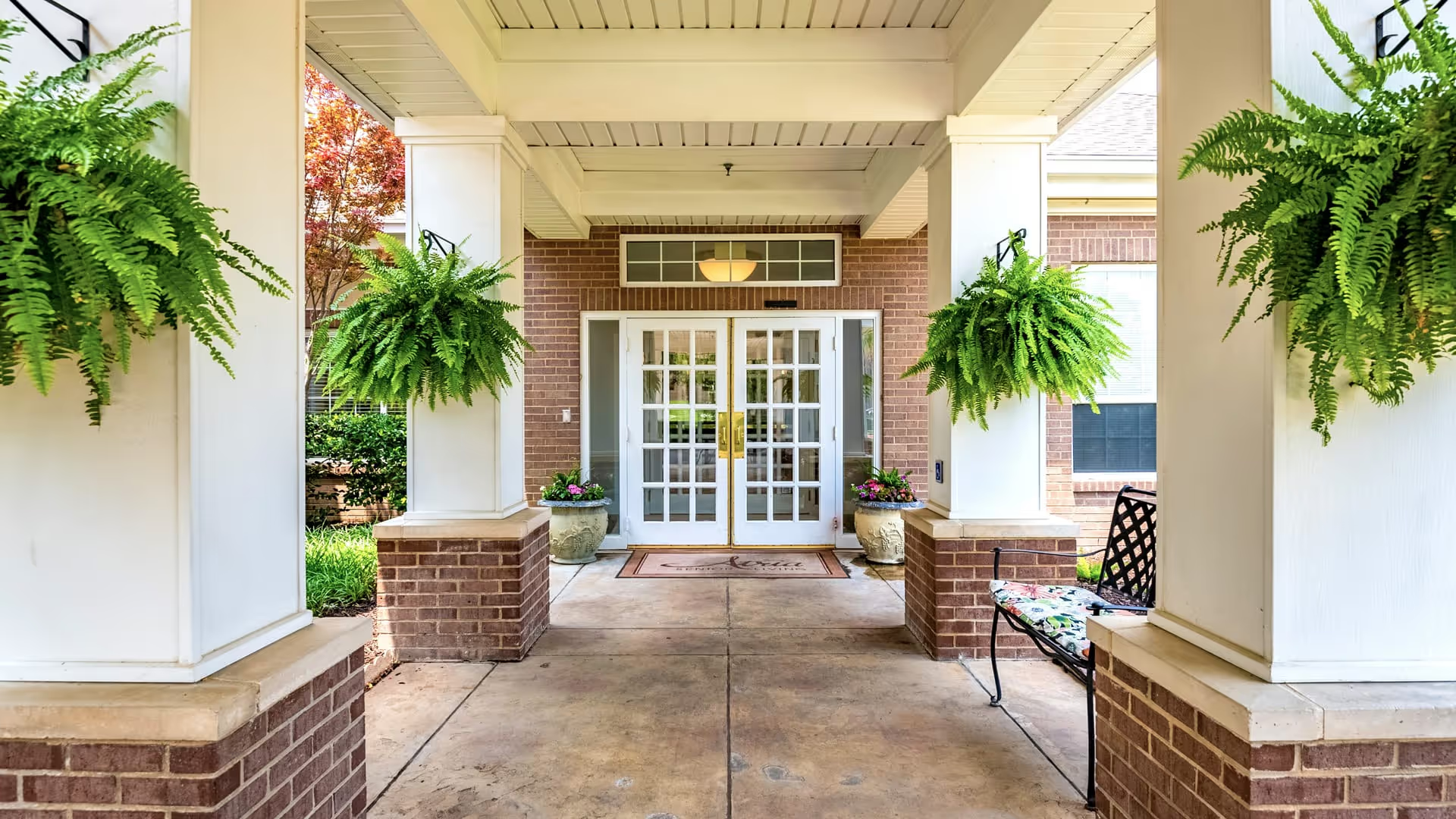
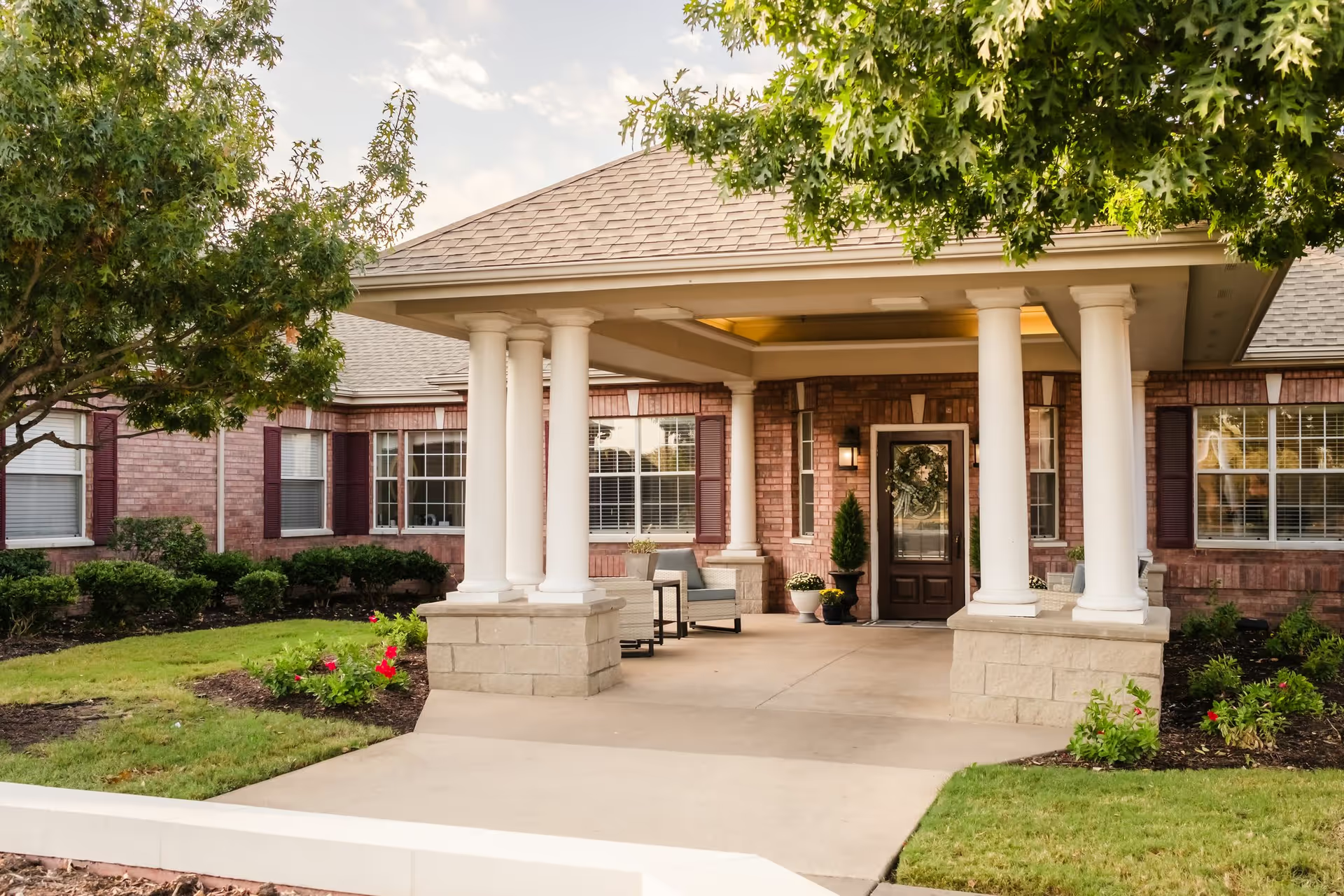
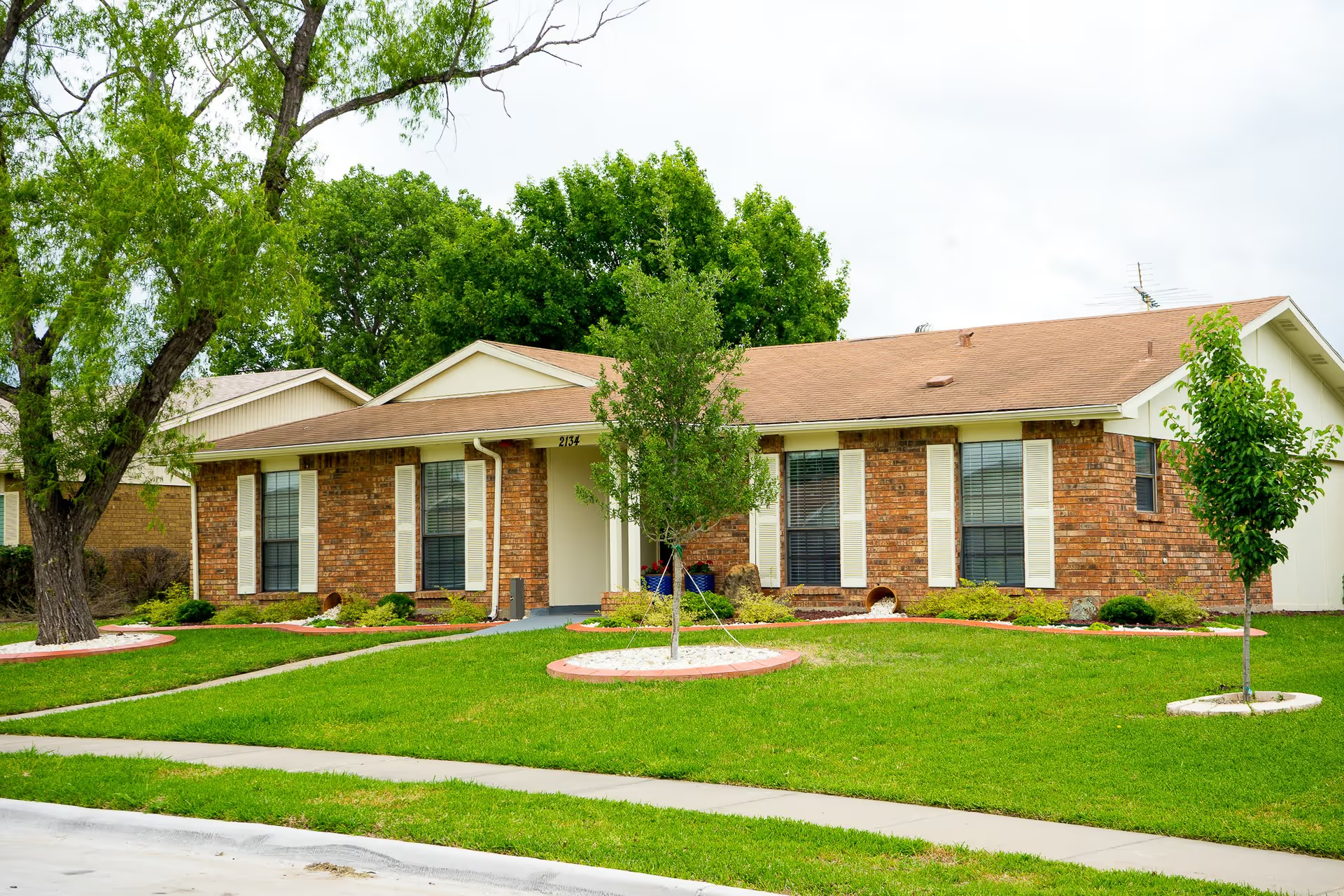
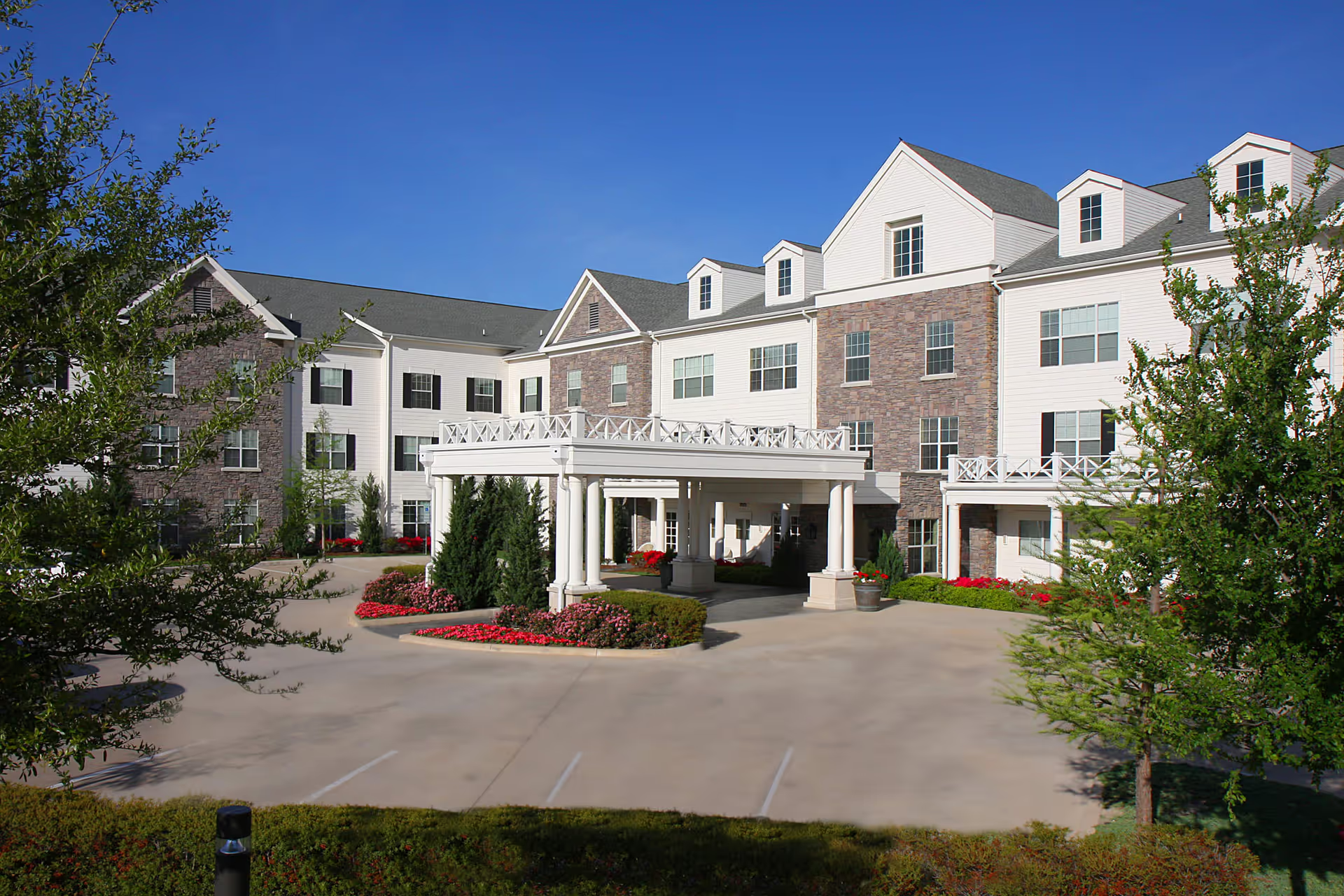
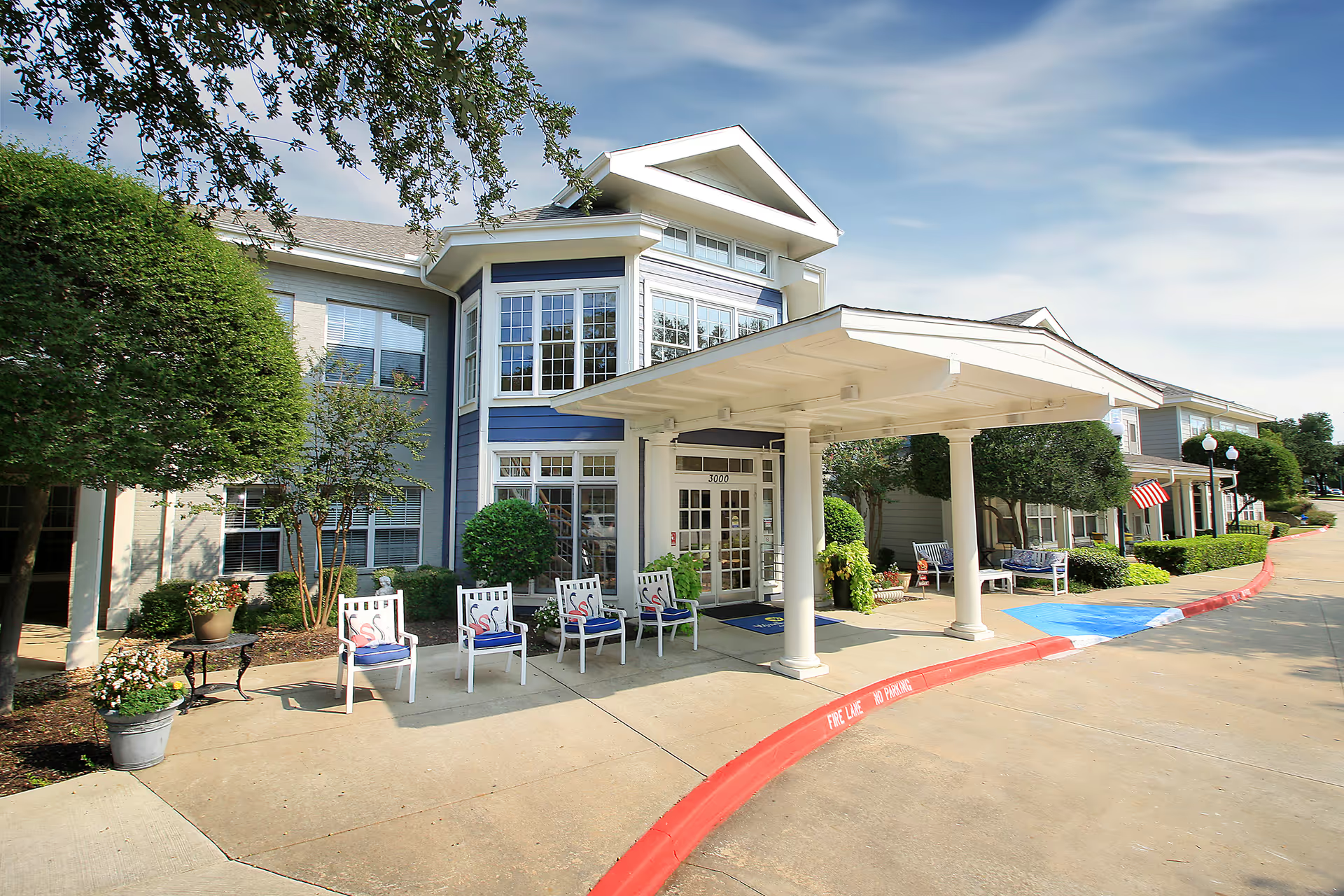
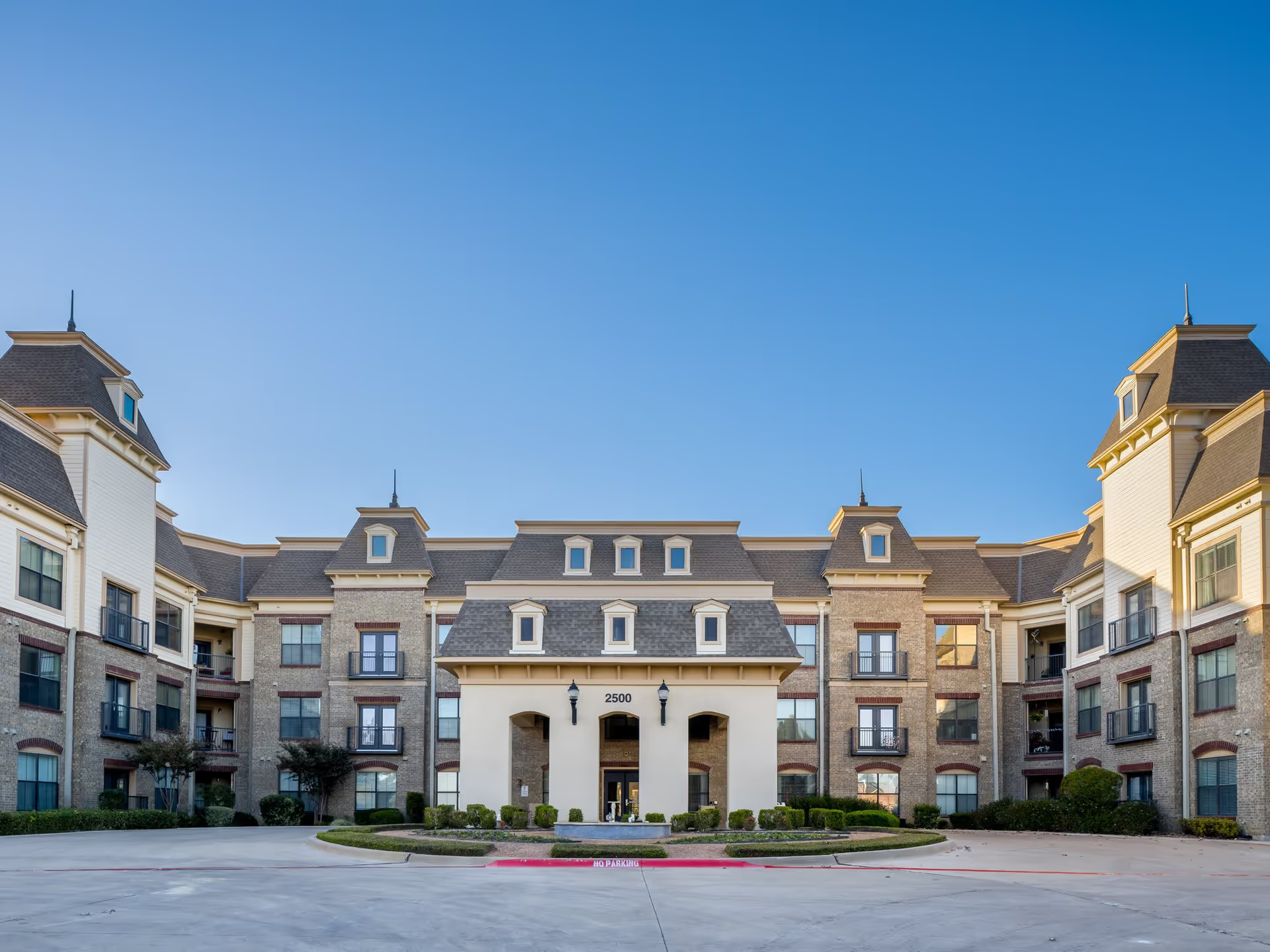
Facilities and maintenance: The community’s small-house design with private rooms and en-suite baths is a frequently cited positive. Some areas were described as modern and well-kept; however, other reviews describe inconsistent housekeeping, shabby common-space appearance in parts of the campus, and delays in routine maintenance (locks, outdoor upkeep). Reviewers emphasized variability across houses — one house may be very well maintained and staffed, while another may show deficits.
Notable patterns and advice: The overall impression is mixed and highly dependent on which house within the campus and which staffing cohort is in place at the time of placement. Strengths include compassionate caregiving, strong activity programming, and the small-house, home-like model. Weaknesses cluster around staffing stability, clinical oversight consistency, nutrition management, housekeeping, and administrative processes (billing and maintenance follow-up). Prospective residents and families should tour specific houses, ask about current staffing levels and nurse coverage, review recent care plans for nutrition and fall monitoring, and clarify billing practices before committing.
This summary aims to balance the positive experiences many families reported with operational concerns others described so families can make an informed, targeted evaluation during a visit.