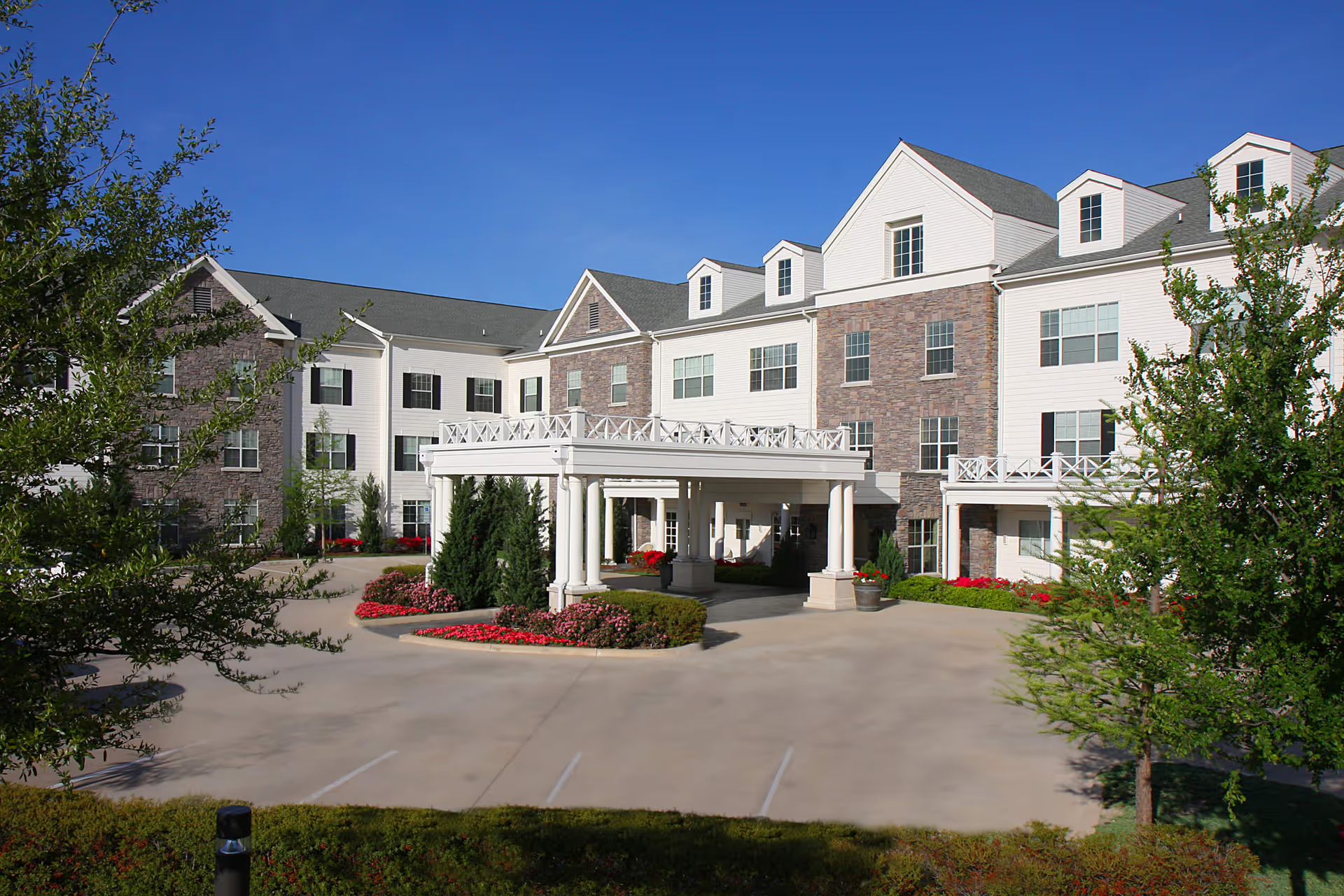
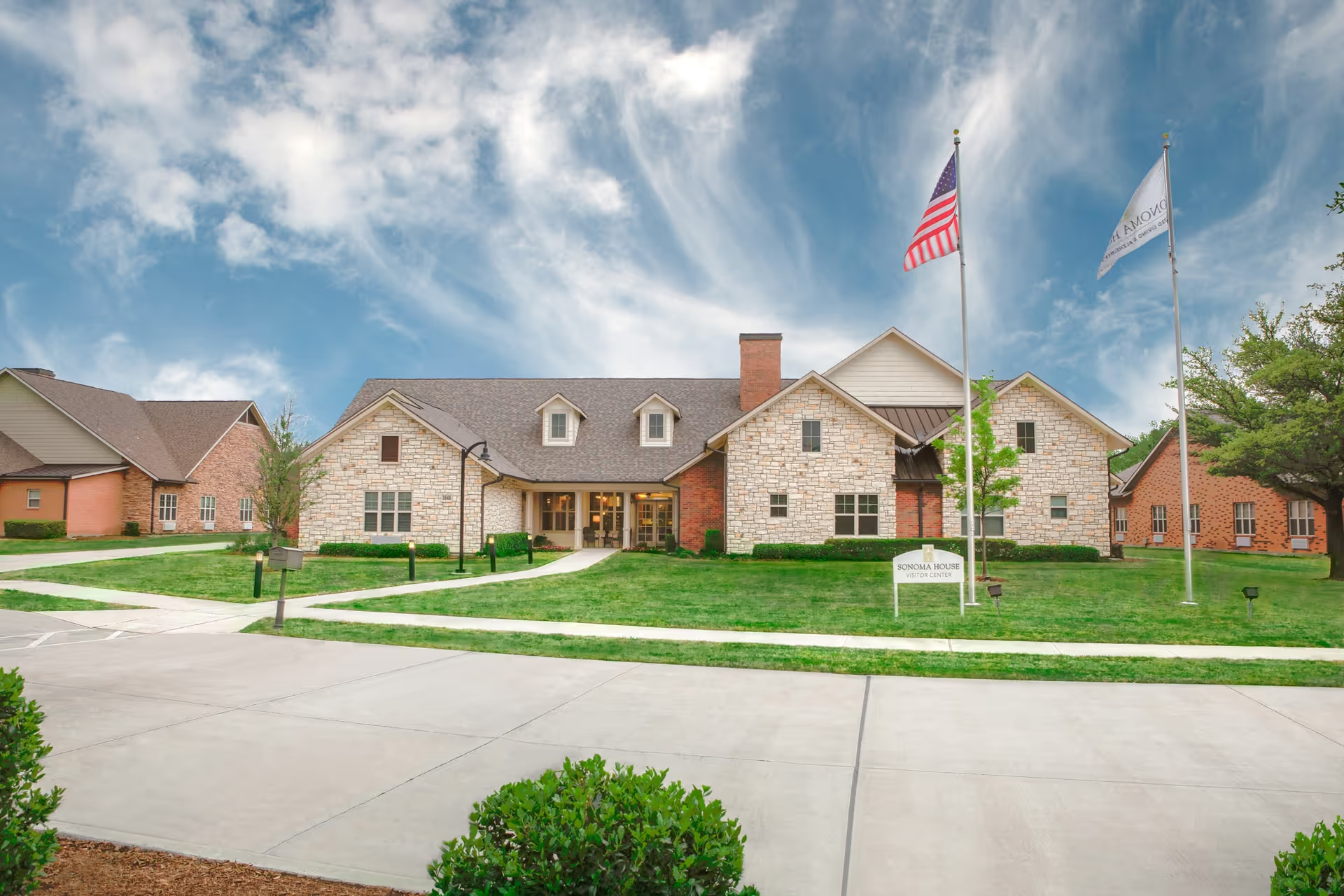
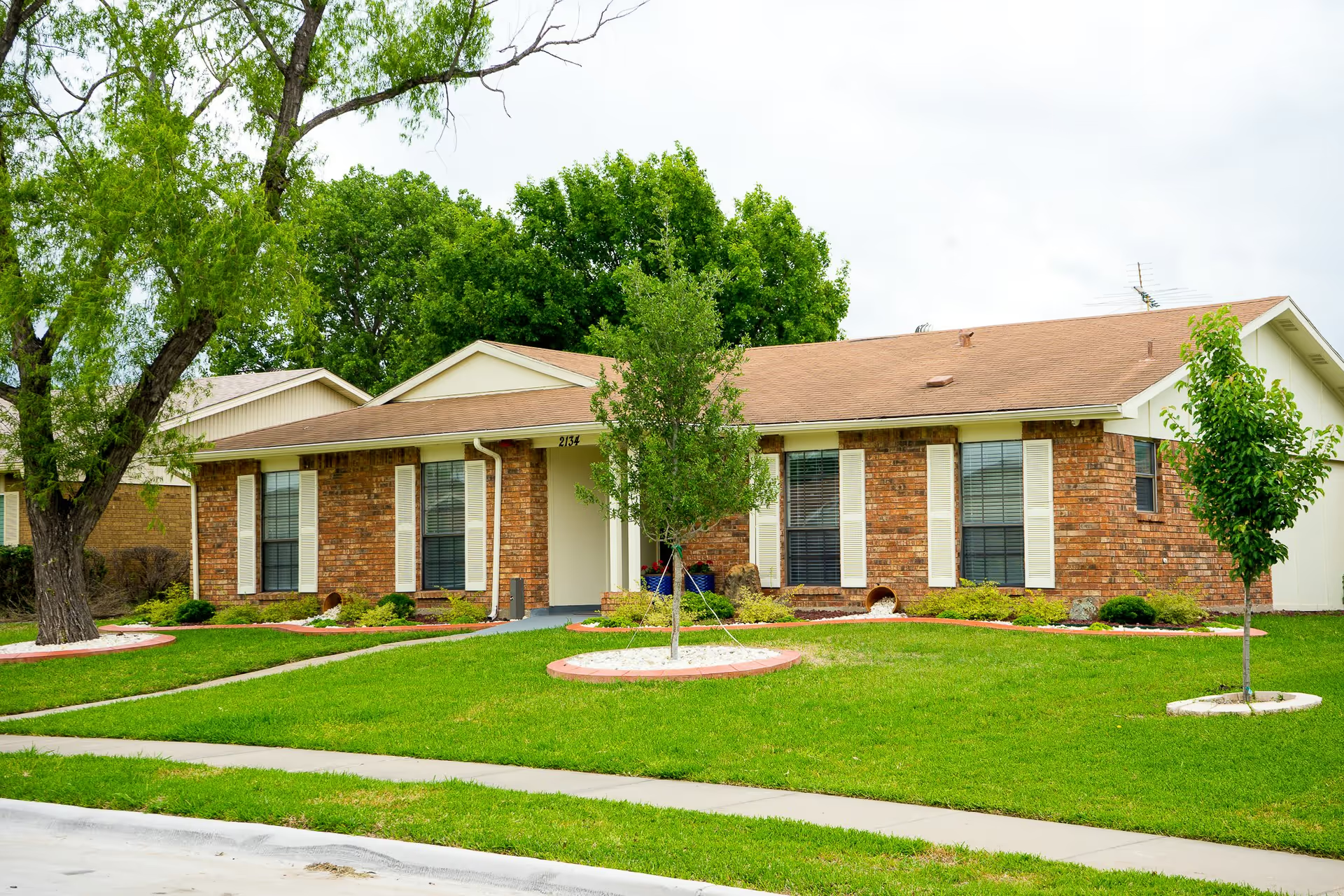
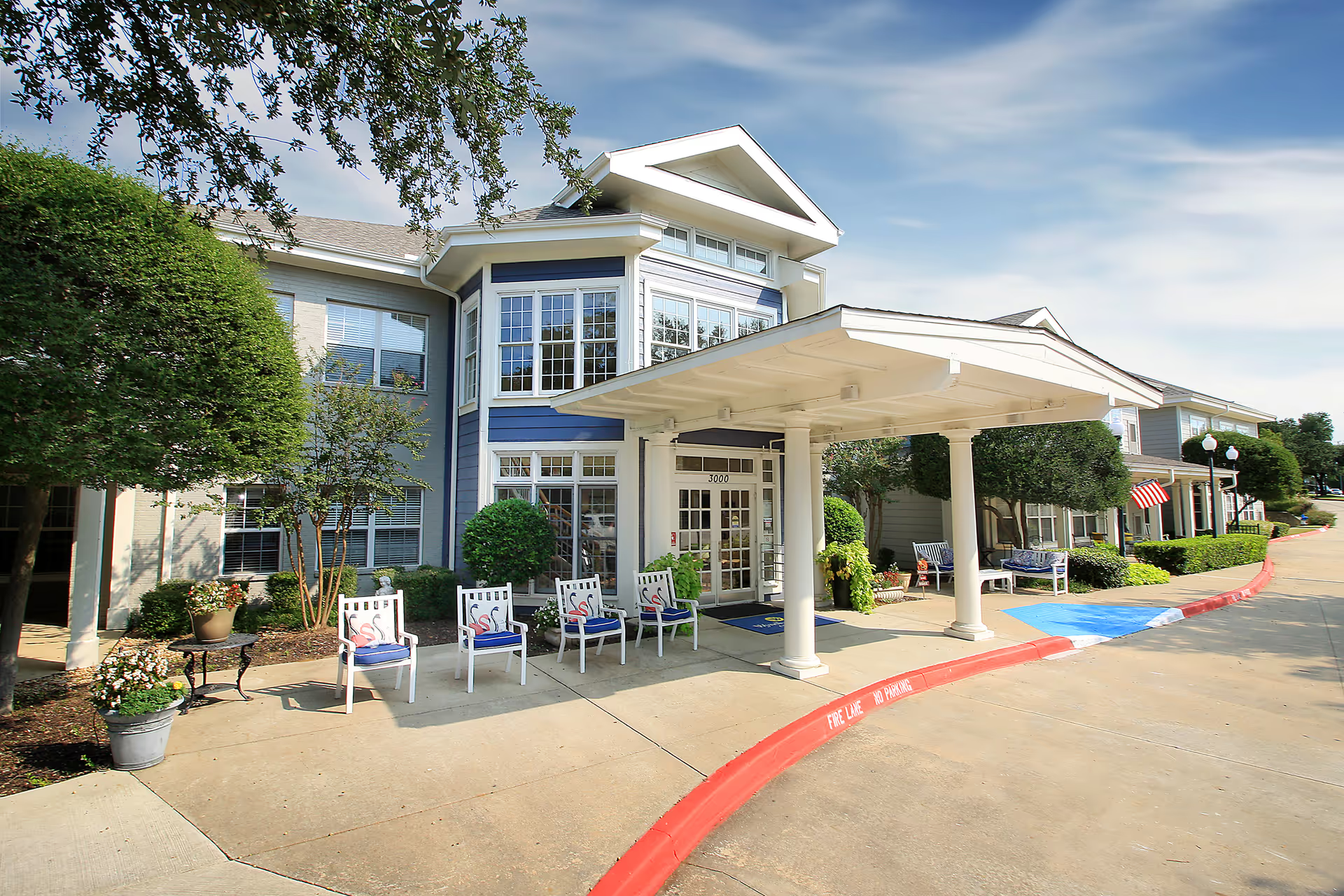
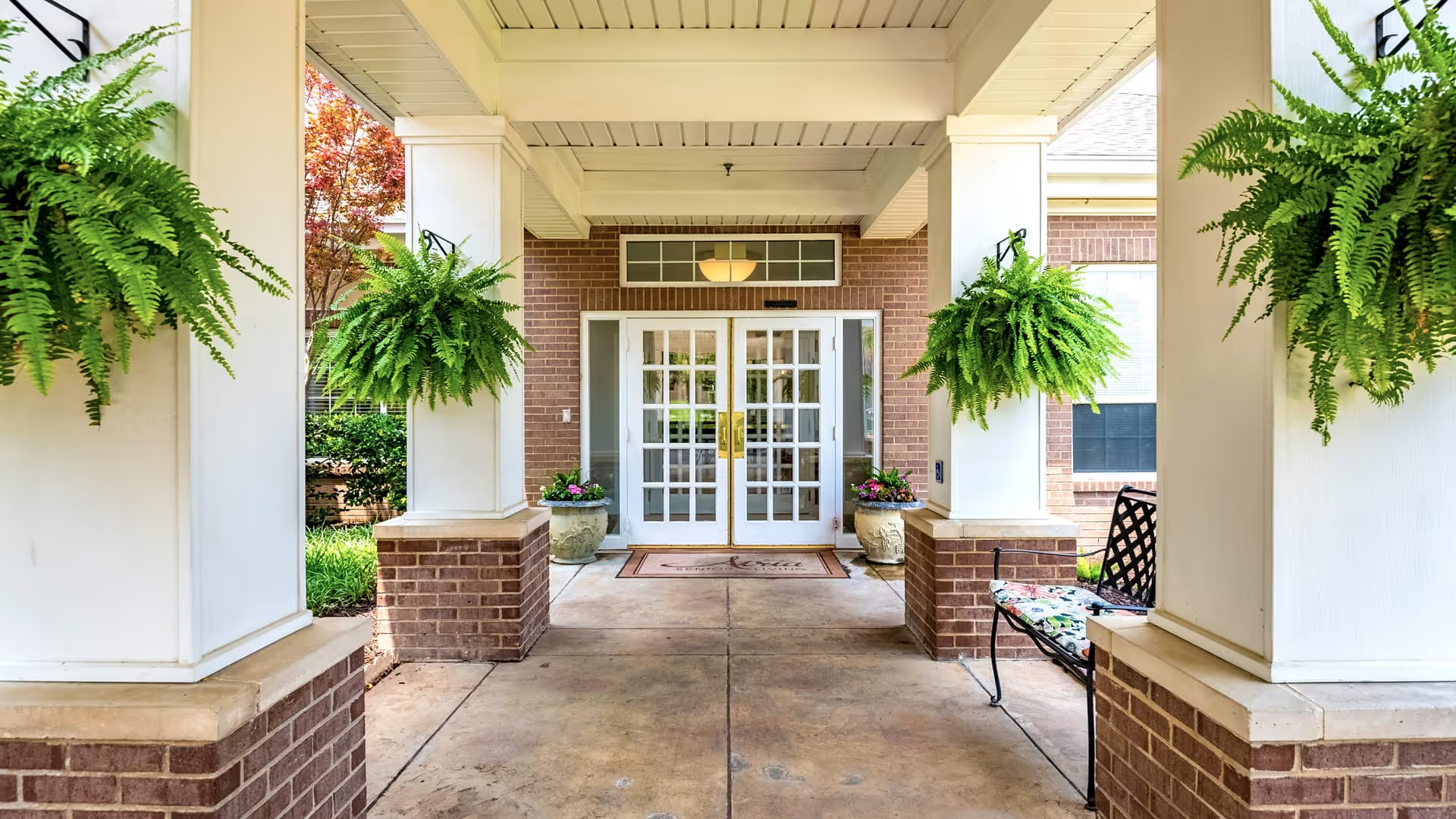
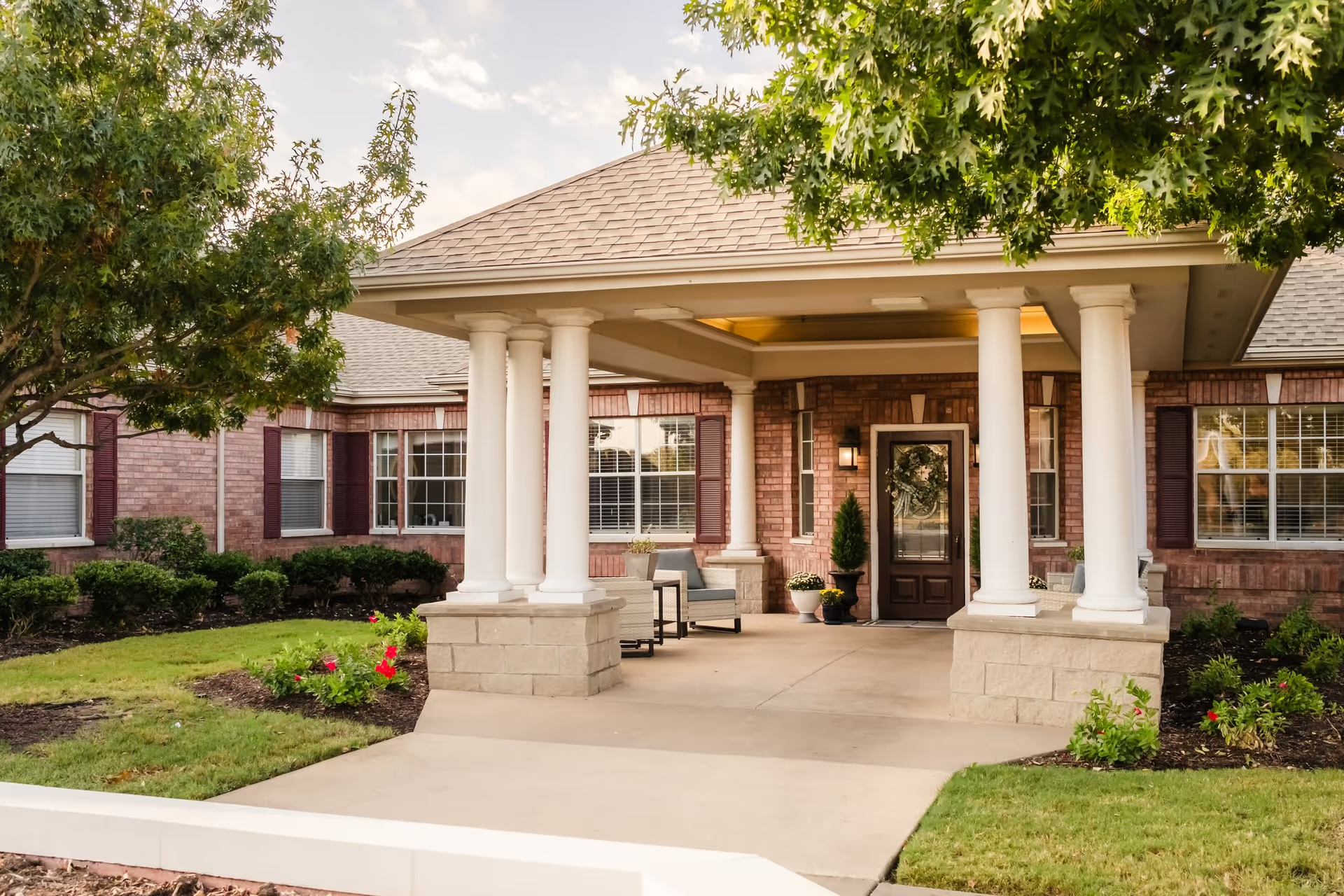
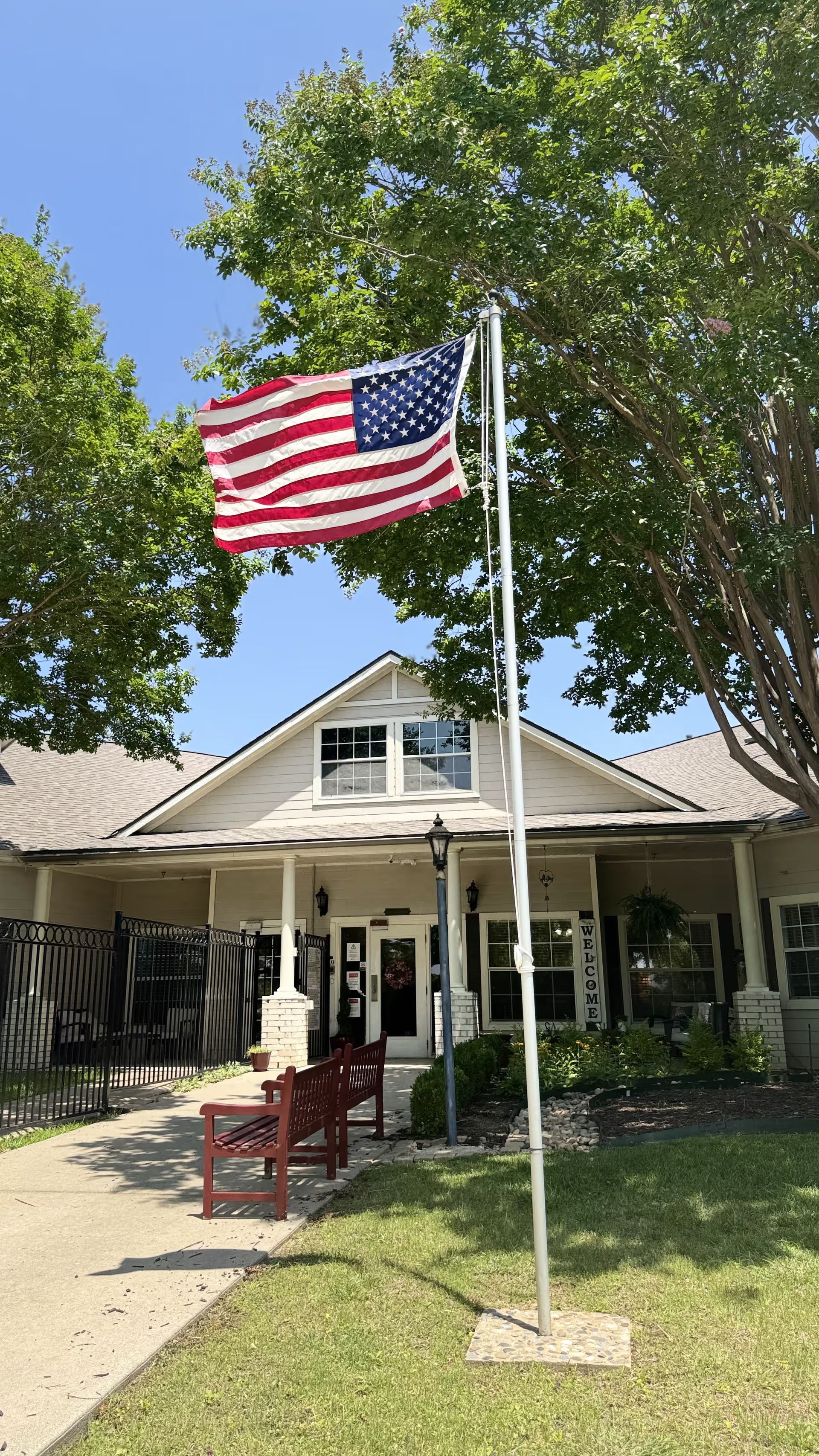
Avalon Memory Care elicits strongly polarized impressions. A substantial number of families describe a compassionate, family-like culture with staff who are attentive, personable, and dementia-aware. Positive comments emphasize individualized dementia-focused care plans, a small home-like setting, engaging activities, and frequent family communication. Many reviewers praised the nursing leadership and visible, responsive management; executive leadership was specifically cited as proactive and involved. Physical plant strengths include new or well-maintained spaces, spacious rooms with accessible bathrooms, in-room monitoring cameras, and generally clean common areas.
Clinical care is a mixed picture. Several families report consistent, attentive nursing and low nurse-to-resident ratios during some shifts, and coordination with hospice and outside clinicians is described as appropriate or proactive in many cases. At the same time, reviewers raised operational concerns that have clinical implications: high staff turnover and variable aide experience, gaps in medication-administration processes and delegation, and uneven end-of-life care capacity. There are also multiple accounts describing inconsistencies in incident response — including delays in notification to family, hospice, or emergency services — which point to weaknesses in incident-reporting and family-communication protocols.
Dining and activities are generally viewed positively. Many relatives described appetizing, accommodating meals and a visible kitchen/chef, along with a range of social and therapeutic activities that support engagement. A smaller number of comments note a decline in meal quality following staff changes and a desire for more or more varied activities in some units.
Facility maintenance and infection control show divergent impressions. Numerous reviewers describe the community as spotless and well-kept, but others identify sanitation concerns in specific areas and at particular times. Likewise, there are mentions of exposure events and inconsistent infection-control practices that prospective families should clarify. Security features such as in-room cameras are present and noted in several accounts; some families view these as a safety strength, while others may want to discuss privacy policies.
Management and admissions practices also draw mixed feedback. Many families praise management for responsiveness, individualized attention, and clear communication; these attributes are cited as key reasons for recommending Avalon. Conversely, there are reports of a high-pressure admissions approach during tours and at least one instance described as defensive management when clinical concerns arose. Pricing was described as above average, and private-room affordability may be limited without shared-room options.
Notable patterns for prospective families: consistent strengths include compassionate staff, dementia-specific programming, and a well-appointed physical environment. Recurrent operational weaknesses are concentrated around staffing stability, aide training, medication procedures, incident reporting, sanitation consistency, and end-of-life capability. When considering Avalon, families should ask specific questions about current staffing ratios and turnover, medication and delegation protocols, incident-reporting and family-notification procedures, infection-control practices, end-of-life supports, private-room availability and pricing, and the facility's admissions/sales approach. These targeted inquiries will help determine whether the facility's strong culture and environment align with a prospective resident’s clinical and safety needs.