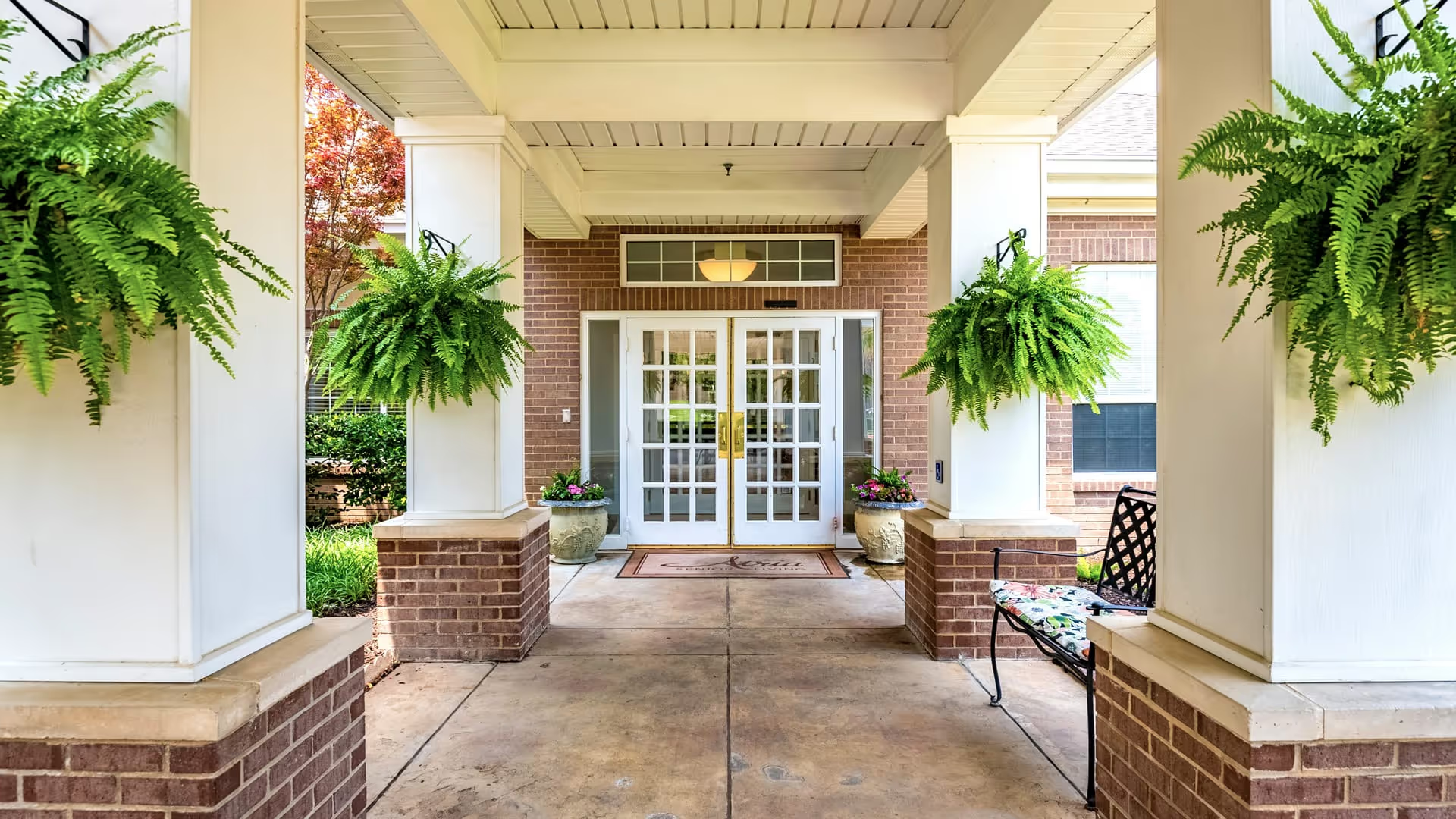
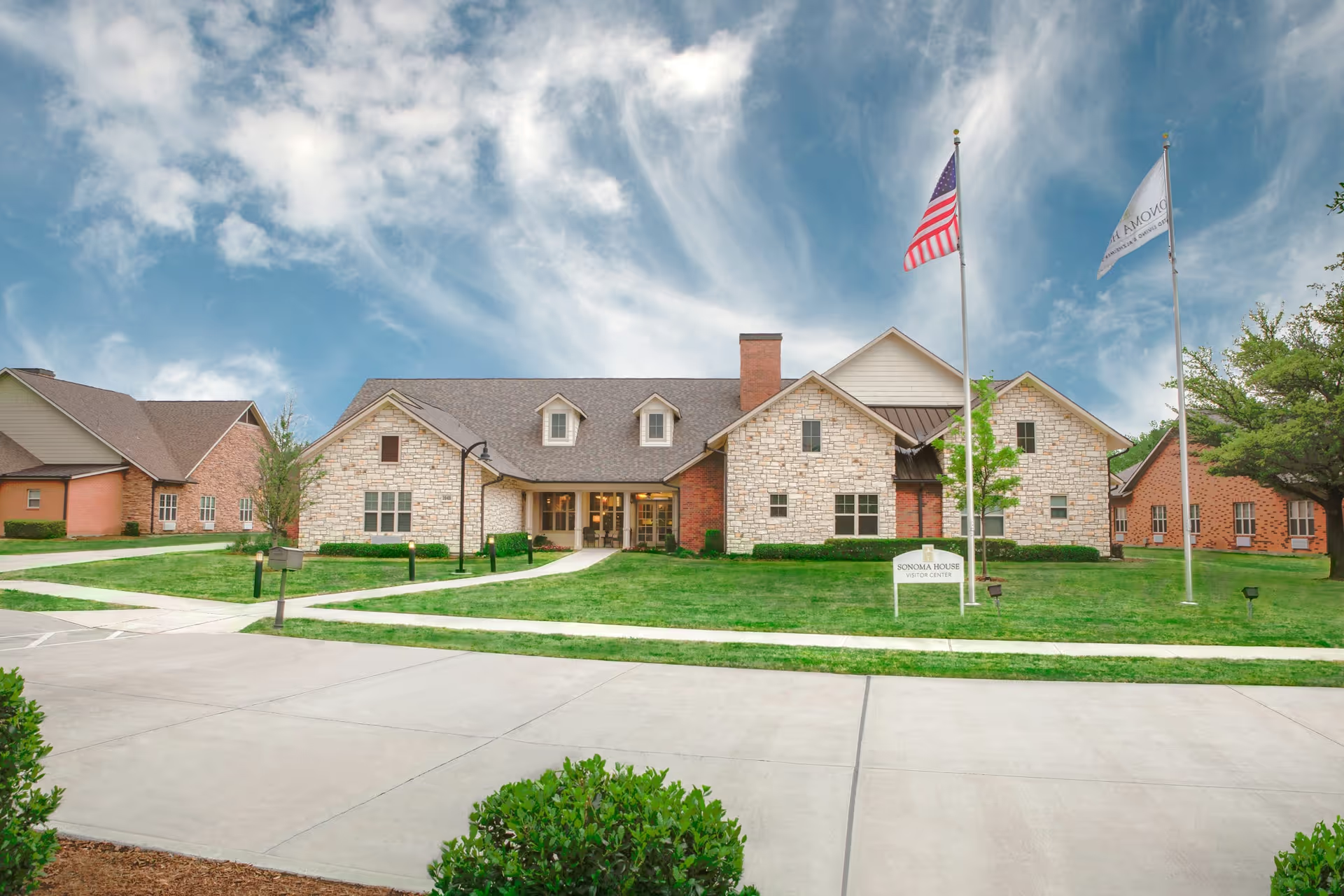
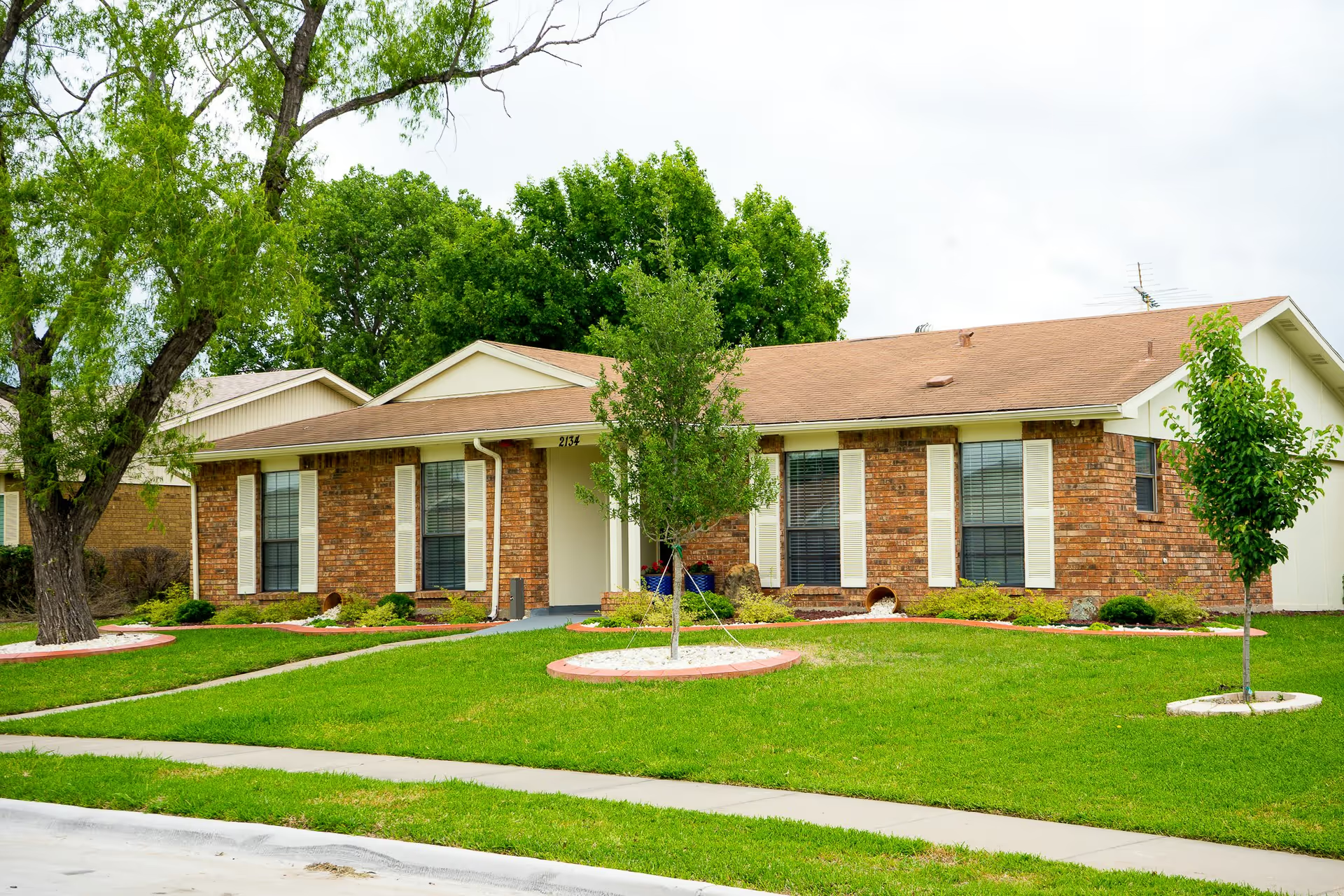
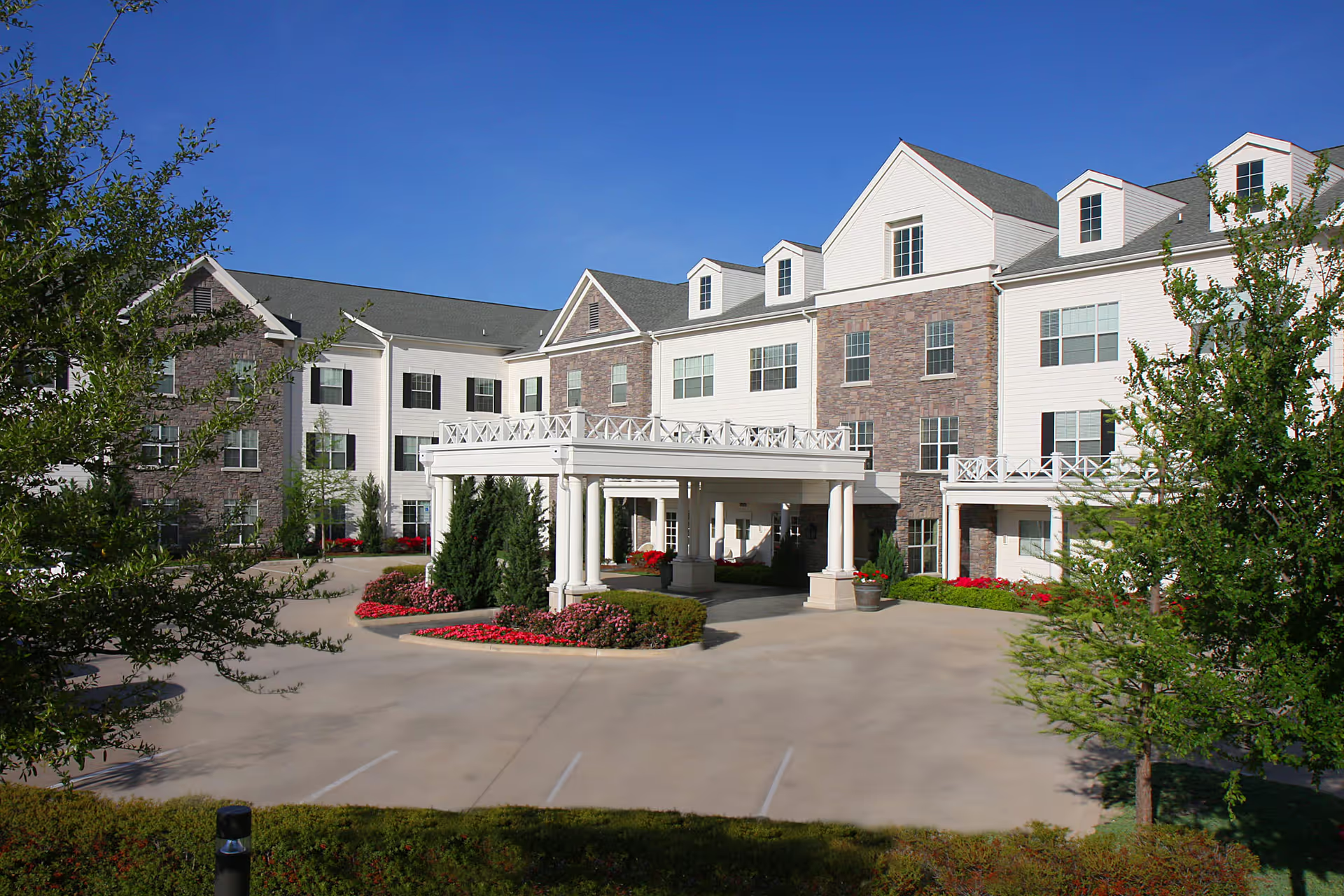
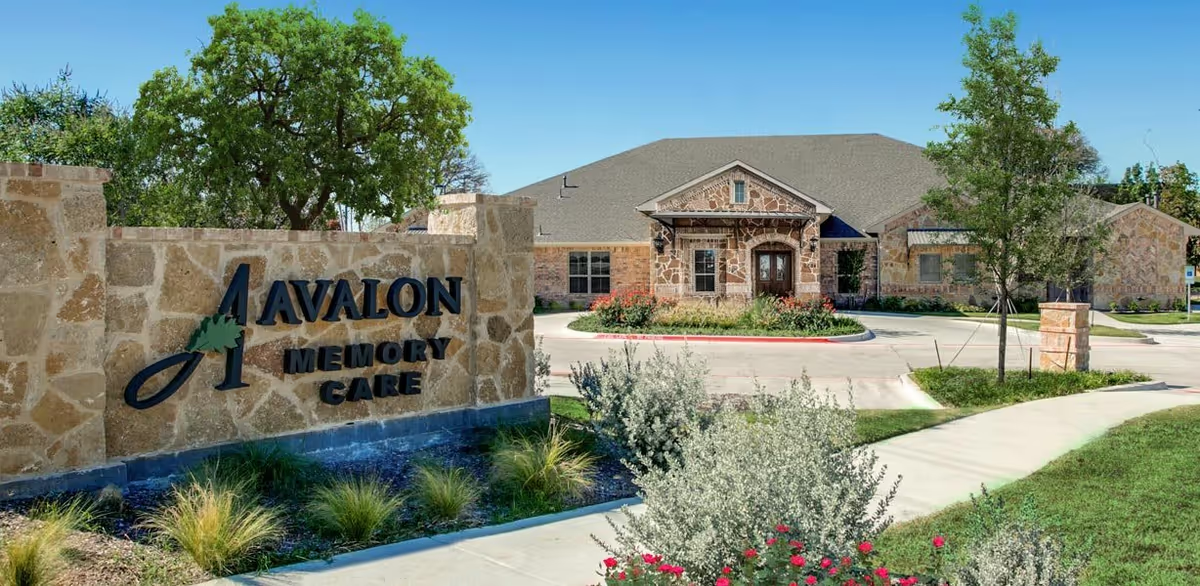
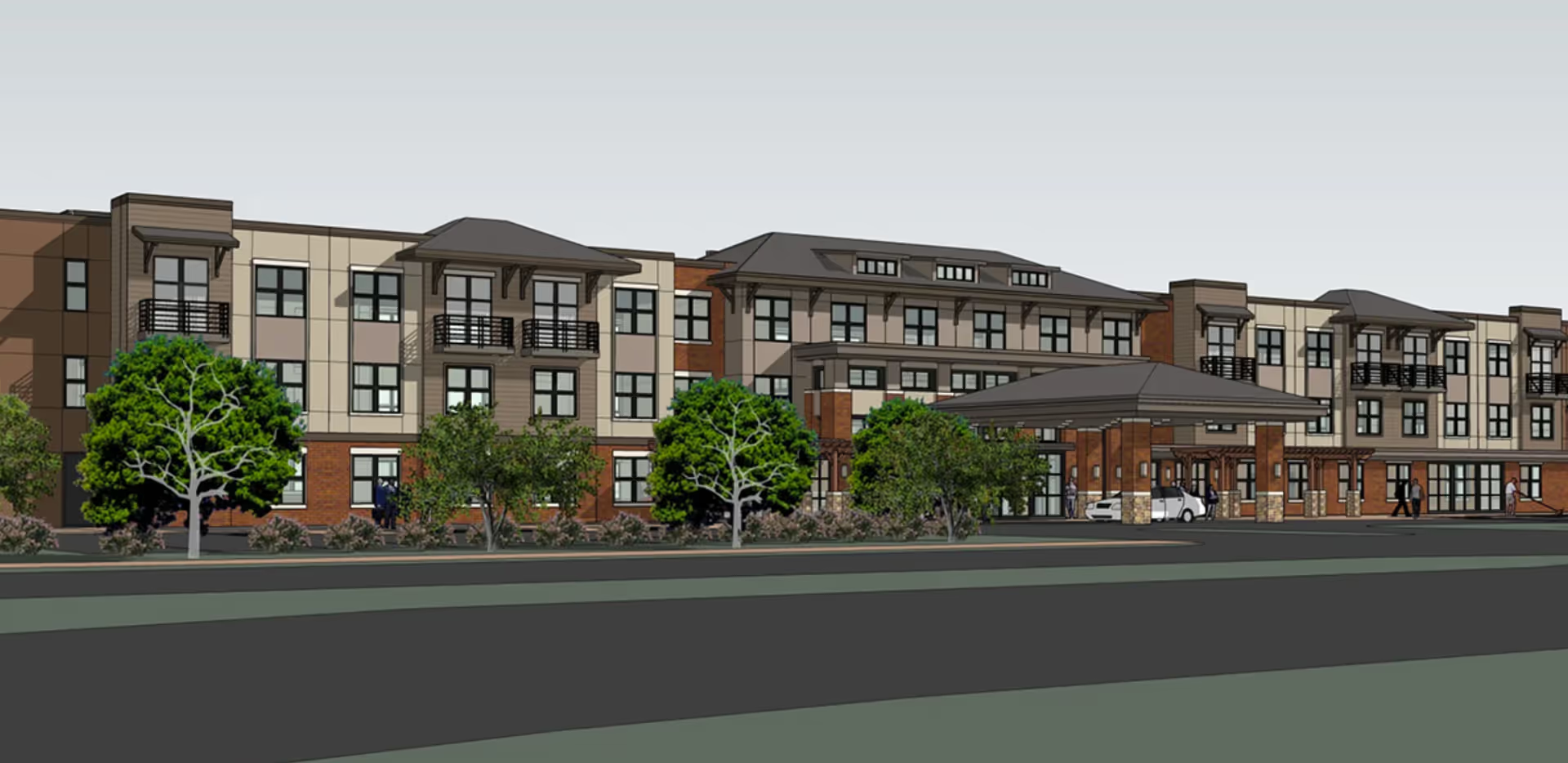
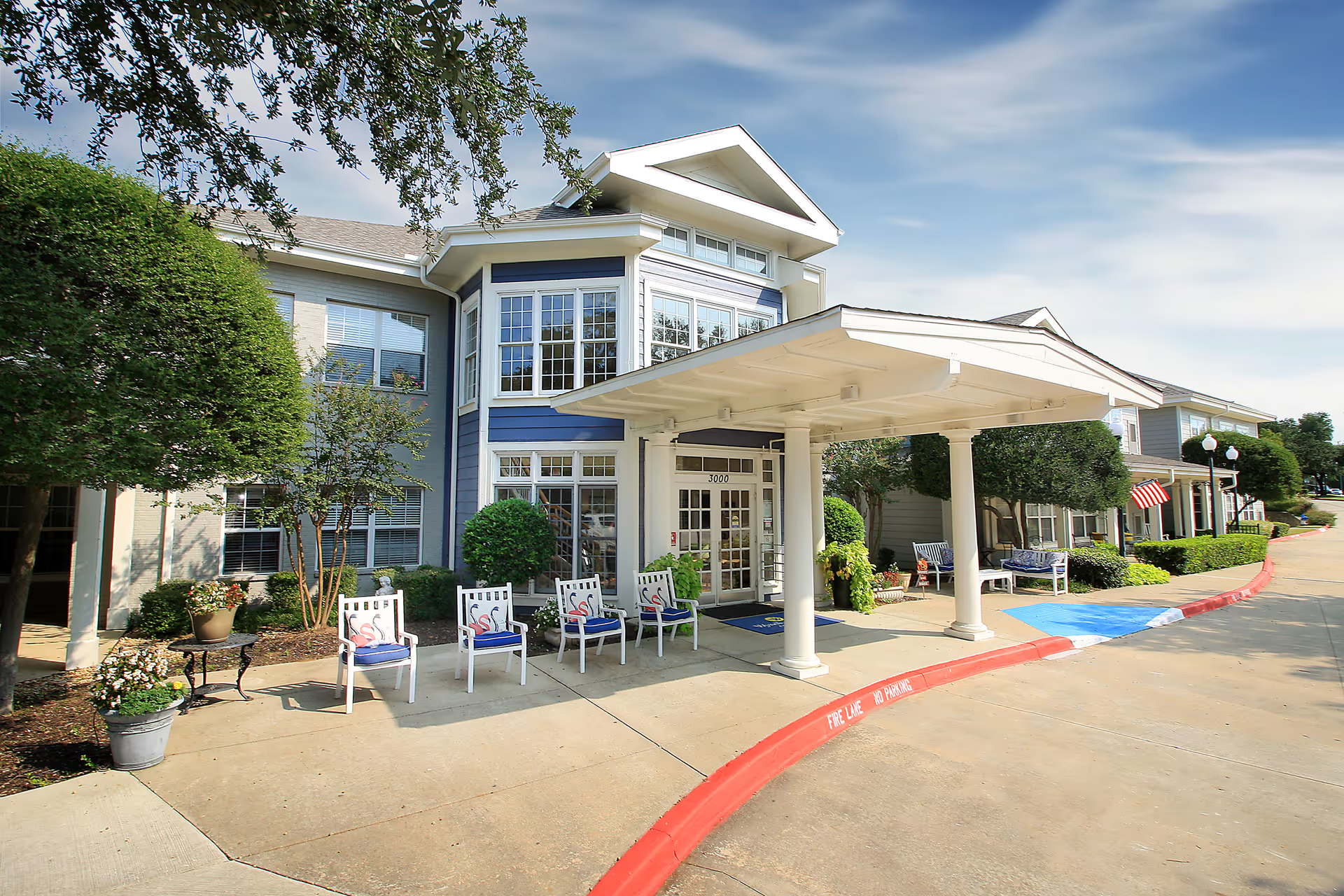
Overall impression: Grand Brook Memory Care of Carrollton is presented in reviews as a small, dementia-focused community with a strong emphasis on compassionate, relationship-driven caregiving. Many family members praise the staff's dementia training, one-on-one attention, and ability to engage residents in meaningful activities. The facility's design—single-level with multiple outdoor courtyards, abundant windows, and communal sitting areas—contributes to a homelike atmosphere that reviewers frequently associate with resident wellbeing and family peace of mind.
Care quality and staff: Across reviews the caregiving team, activity staff, and some nursing leaders receive consistent positive mention for compassion, individualized attention, and dementia-specific programming. Reviewers highlight instances of attentive medication handling, hospice support, and staff who know residents by name. At the same time, there are recurring operational concerns: inconsistent staffing levels (including night coverage), variable administrative responsiveness, and instances that families characterized as failures of incident follow-up. These patterns suggest a generally strong direct-care culture but with occasional gaps in clinical-incident response, escalation, and family communication that prospective families should evaluate further.
Dining and activities: Dining is a notable strength in many accounts—restaurant-style service, tailored meals, and an on-site chef preparing from-scratch options are frequently praised. Activity programming is described as robust and creative, with high resident participation, reminiscence-based offerings, outings, music, karaoke, and short-term/respite options. Families cite meaningful engagement and improved resident mood and function tied to the activity regimen.
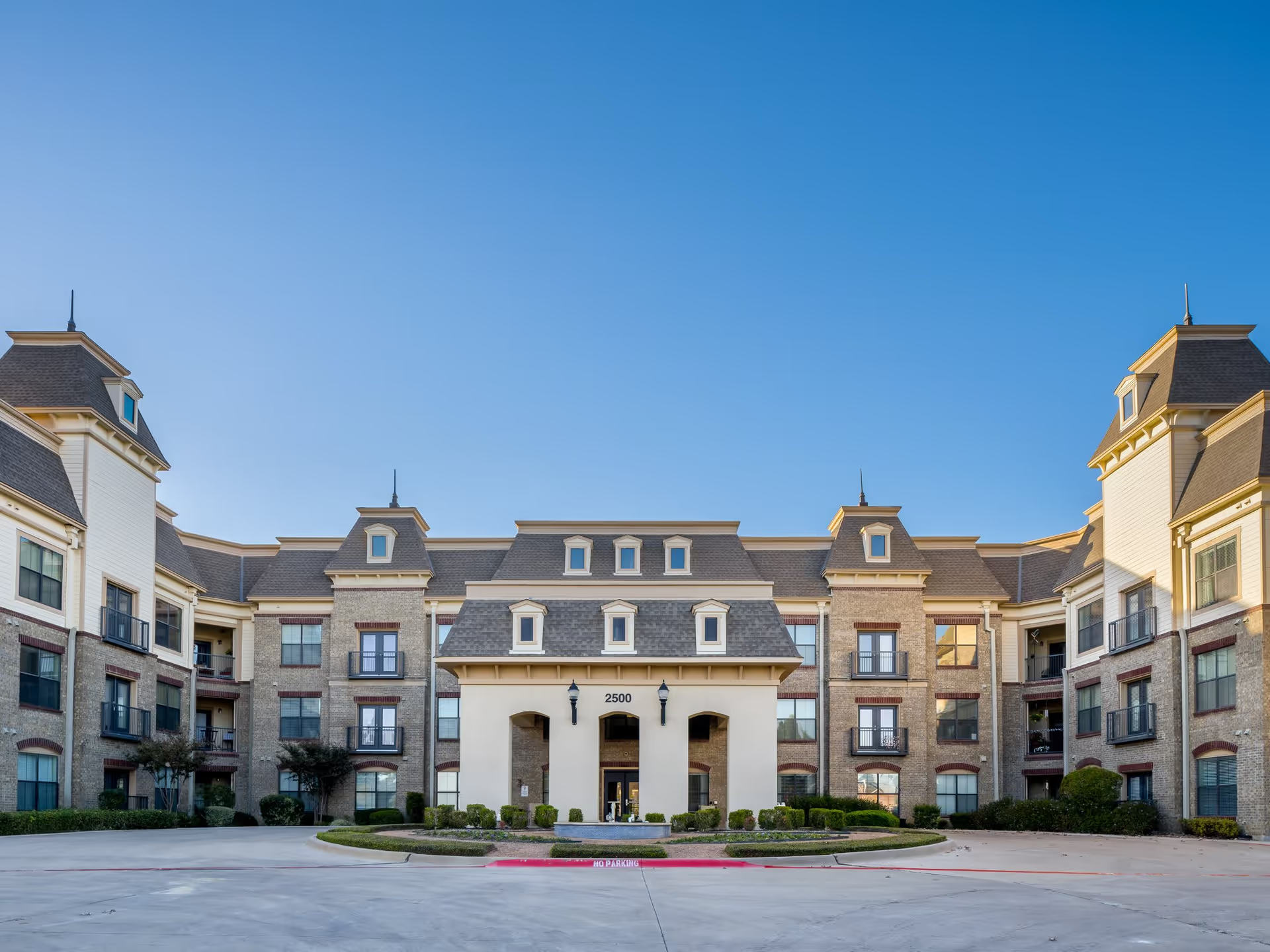
Facilities and accommodations: Reviewers describe the building as clean, bright, and well-maintained with attractive common areas, wide hallways, and secure outdoor spaces. Rooms are furnished and linens provided; pricing is often described as all-inclusive. However, the physical plant has limitations: an older layout, some smaller rooms, and limited in-room bathing (community shower areas or shared bathrooms down the hall) are repeatedly noted. These design factors affect privacy and may be important for families to confirm during a tour.
Management and operational patterns: Opinions on administration are mixed. Several families commend caring, accessible directors and long-tenured staff; others raise serious concerns about administrative professionalism, billing disputes, and ownership instability, including reports of management turnover and financial issues. There are also allegations of resident property loss and inconsistent follow-up on such incidents. These management and financial-administration issues represent material operational considerations because they can affect continuity of care and family trust.
Notable patterns and considerations for families: The dominant positive theme is a committed direct-care staff and a clear memory-care focus with engaging programming and strong dining. The dominant cautions relate to administrative stability, staffing consistency (particularly at night), bathroom/bathing arrangements, and incident follow-through. Prospective families should ask direct questions about current ownership and management stability, recent staffing turnover and night coverage ratios, policies for incident reporting and family communication, bathroom configuration for prospective rooms, laundering/property-handling procedures, and written billing/refund policies before making a placement decision.