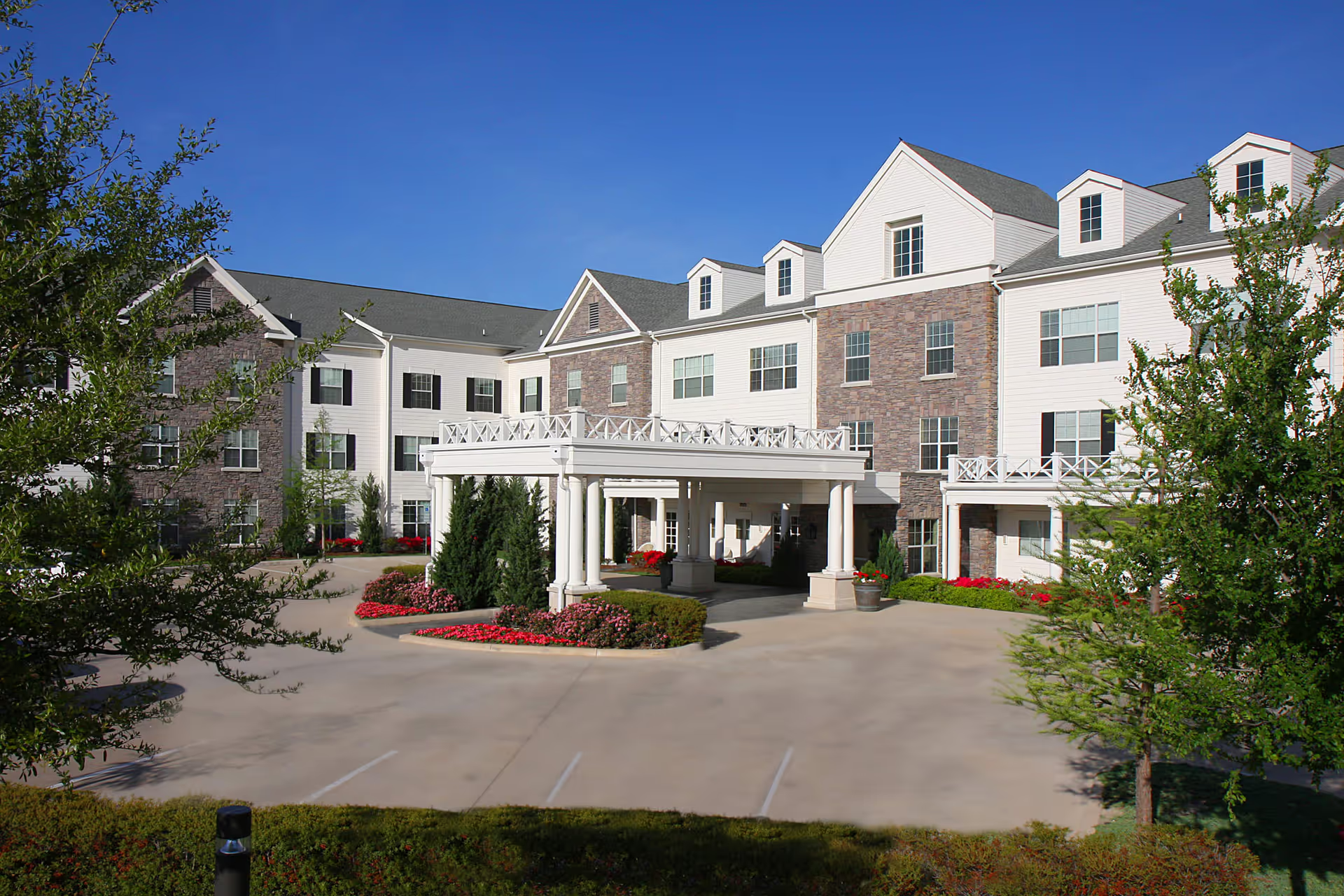
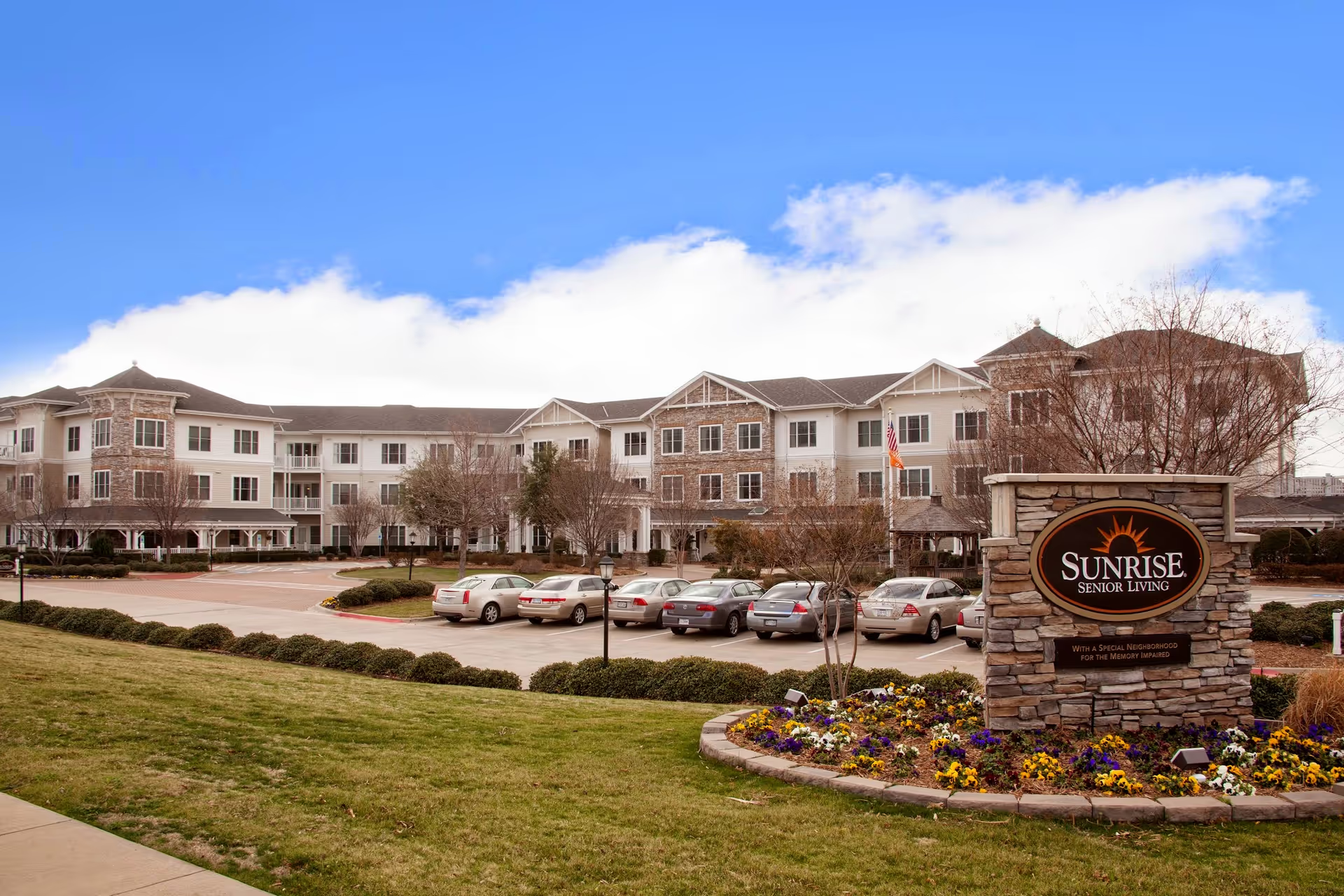
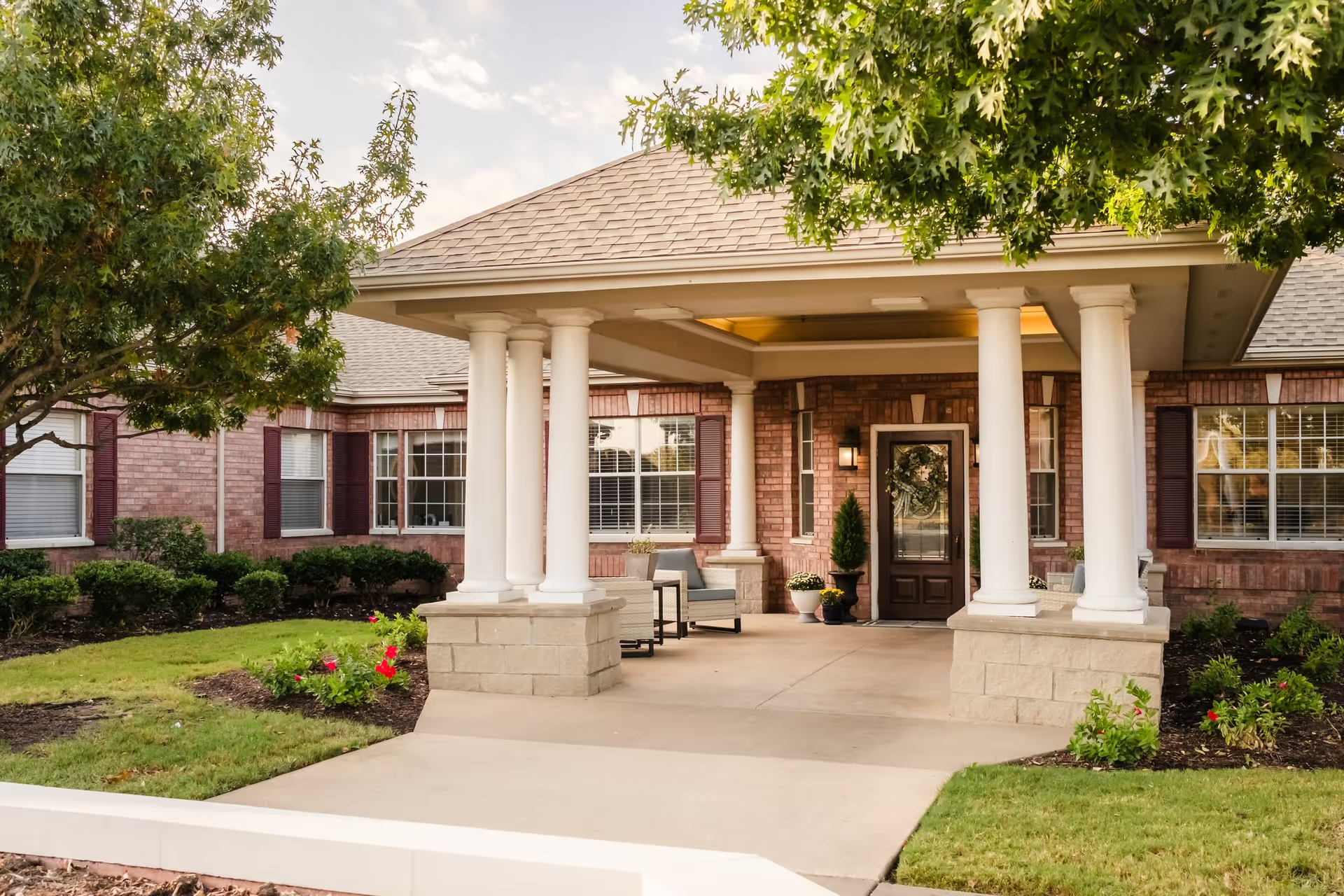
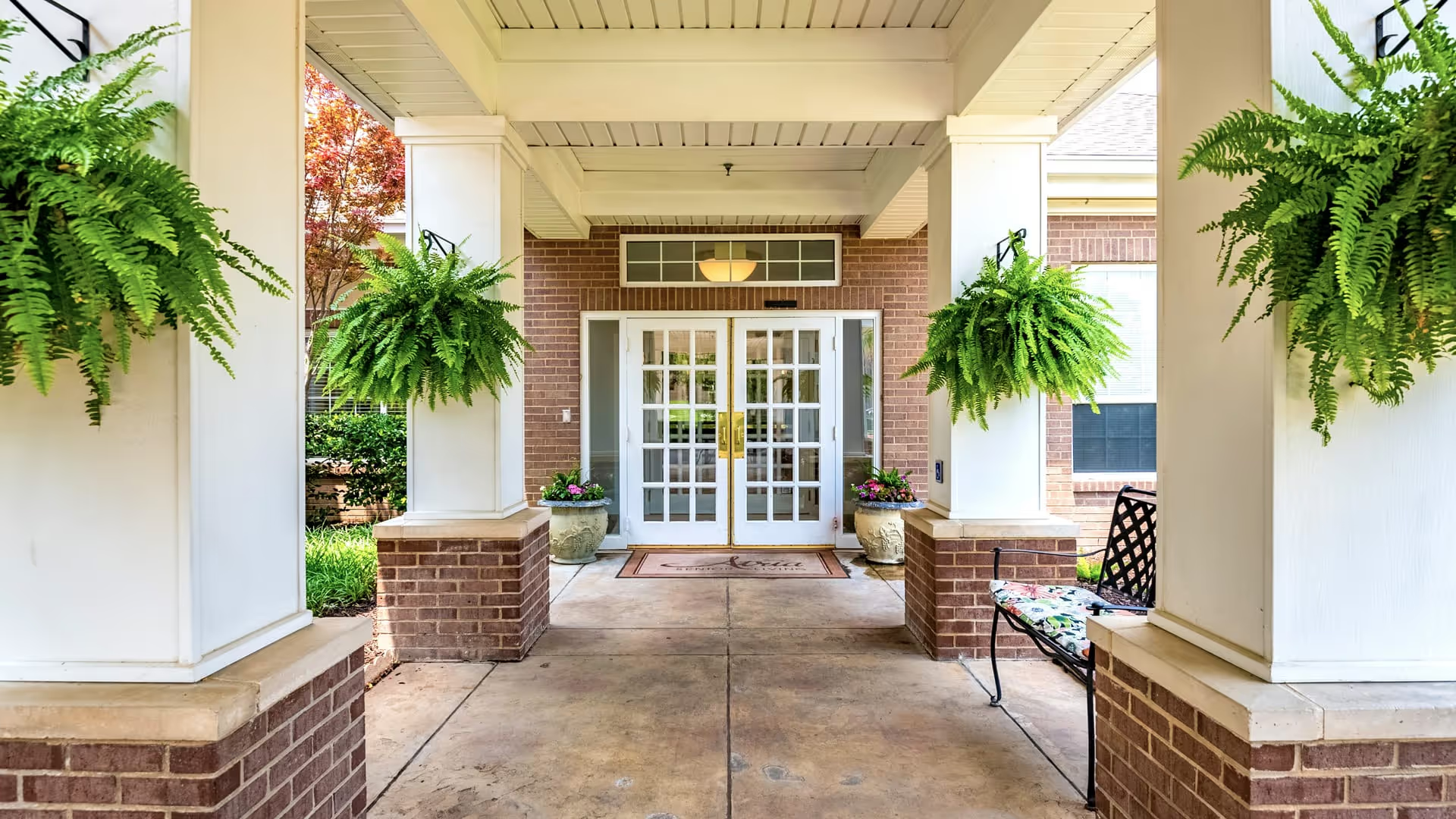
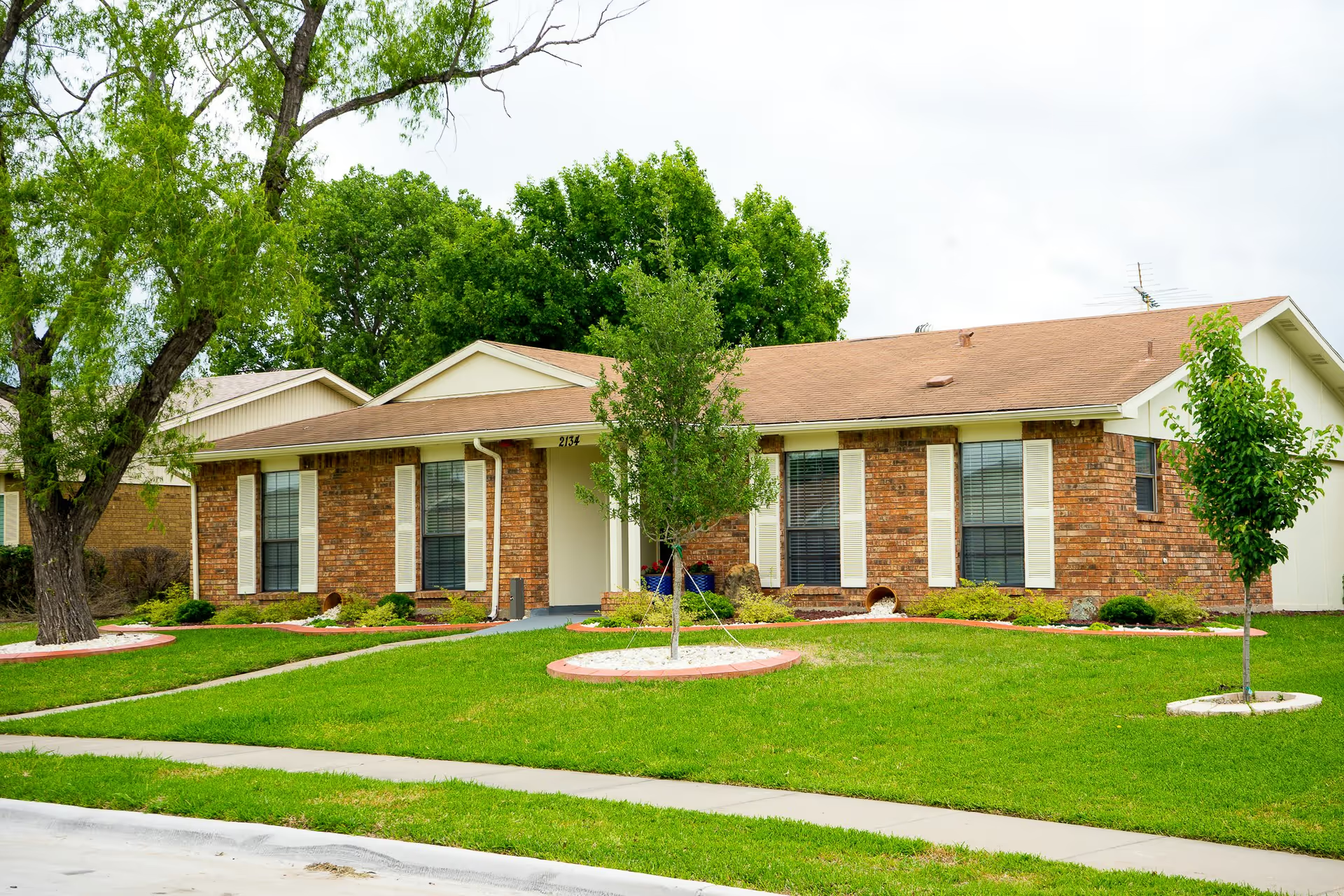
Wyndham Court of Plano presents as a small, well-kept community with a strong emphasis on personalized care and a home-like atmosphere. Many families praised the caregiving staff as compassionate and attentive, noting that staff frequently learn residents' names and backgrounds and engage in dignity-preserving daily care. The community offers on-site clinical resources — an LVN-managed medication distribution system, in-house therapy (PT/OT), and ancillary visits such as a mobile dentist — which reviewers identified as convenient supports for both assisted living and memory care residents. The facility is repeatedly described as clean, odor-free, and nicely appointed, with responsive maintenance and staff who prioritize events and family inclusion, contributing to a sense of safety and peace of mind for many relatives.
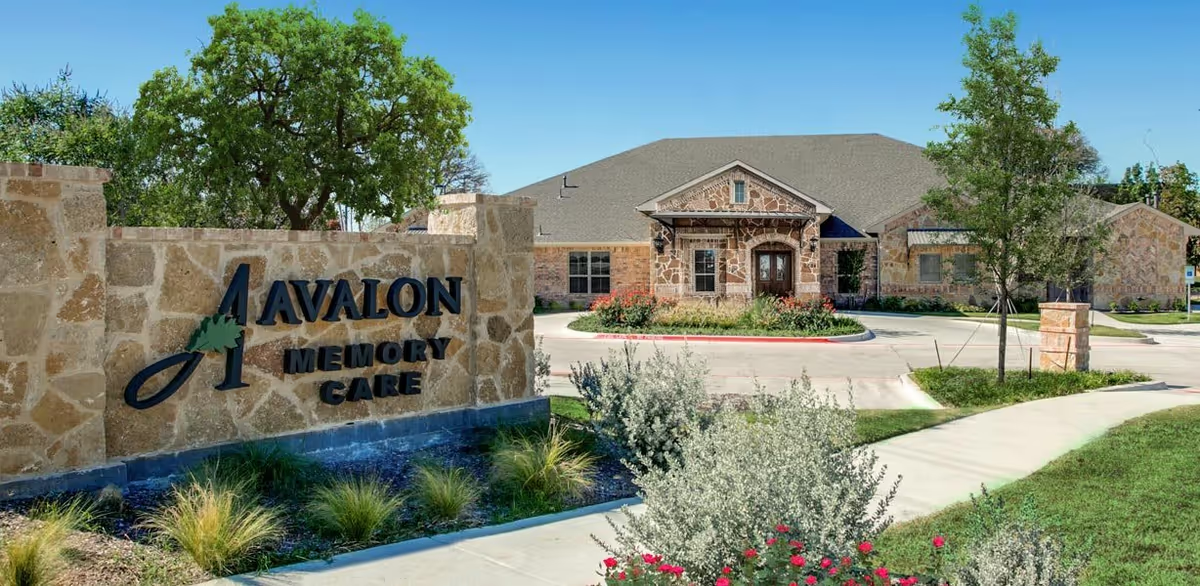
Dining and activities are frequently cited strengths. Reviewers highlighted nutritious, well-presented meals and an attentive dining staff; communal meals and special events (holiday brunches, themed happy hours) are noted as meaningful social opportunities. Programming includes daily exercise, games, arts, sing-alongs, outings and therapy-supported engagement; these offerings support independence and socialization for many residents. The memory-care unit is commonly described as clean and staffed by personnel experienced with dementia care. Apartment options include studios and one-bedrooms with kitchenettes and individual thermostats; grounds and shared spaces are described as attractive and comfortable.
Several operational concerns emerged across reviews and merit attention. Staffing stability and turnover were raised repeatedly; families expressed concern about continuity of caregivers and the effects of leadership changes. Medication-management and documentation controls were questioned in multiple accounts, and a small number of serious allegations about improper medication handling and charting integrity were reported, indicating a need to review clinical oversight and audit processes. Communication and follow-up from management were uneven in some accounts: while many families praised accessible directors and liaisons, others described lapses in responsiveness or billing and service coordination problems (including laundry and transportation interruptions).
Facility design and program fit were additional themes. Some apartment types were described as smaller than peers, and specific building features — open staircases and balcony access — were identified as potential safety risks for residents prone to wandering. Activity participation can be variable; a quieter resident mix and lower engagement were observed by a few families, particularly for individuals in earlier stages of cognitive decline. Cost and value were also noted: pricing is above average for the market and periodic increases tied to care levels were a source of concern for some families. Finally, the campus currently undergoing renovations may affect unit layouts, lighting, and window access in certain apartments.
For prospective residents and families, recommended topics to cover during a visit include: current staffing ratios and turnover history, night supervision procedures, medication-administration protocols and audit practices, specific memory-care safety features, activity participation levels for residents with similar abilities, transportation and clinical diet accommodations (particularly dialysis needs), maintenance response times, and details of fee structures and refund/cancellation policies. Overall, Wyndham Court of Plano offers several operational strengths — notably skilled, compassionate staff, good clinical supports, and a robust activity and dining program — while exhibiting operational areas that deserve verification during the tour and contract review, particularly around clinical controls, staffing stability, safety design, and cost transparency.