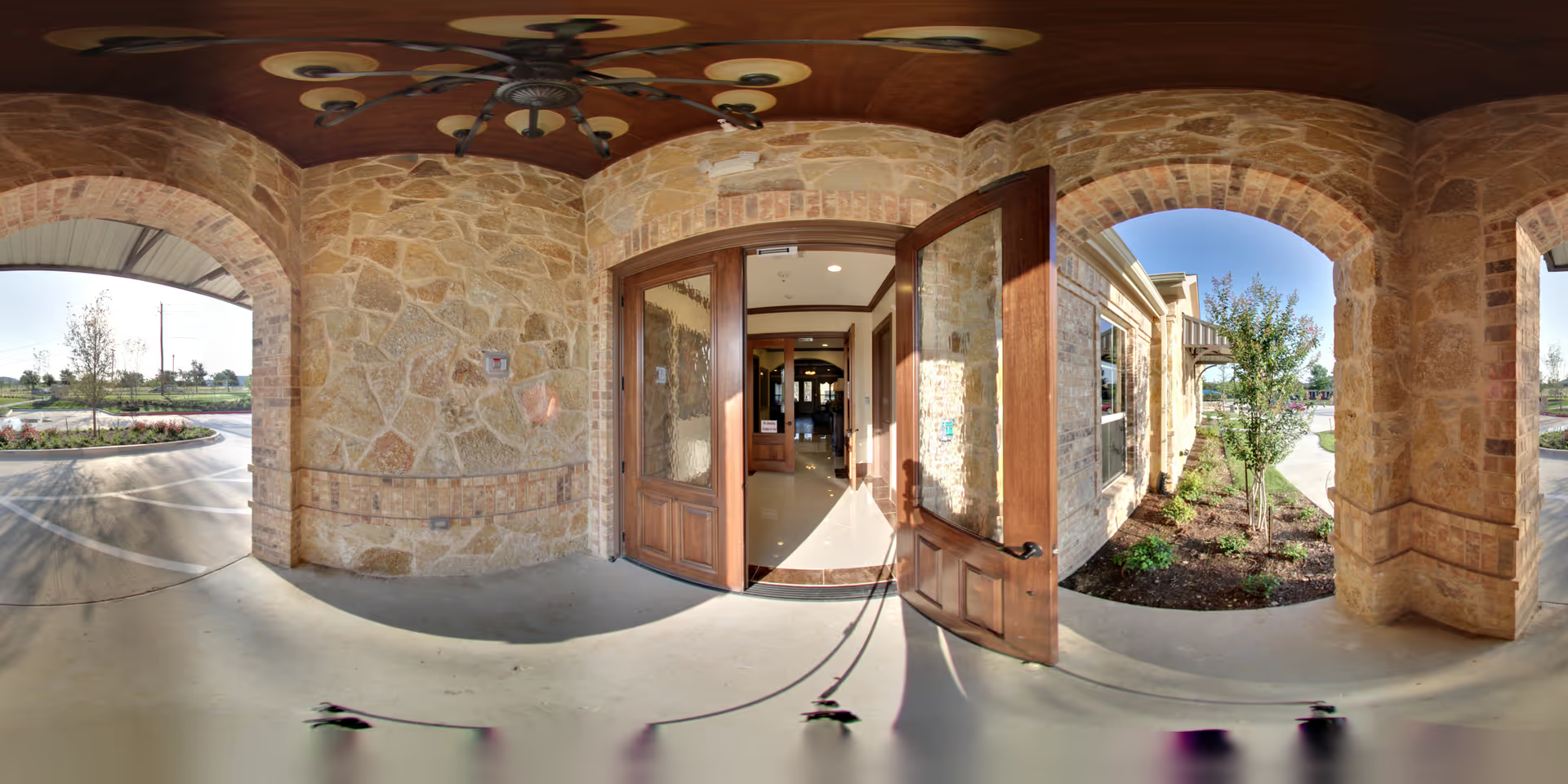
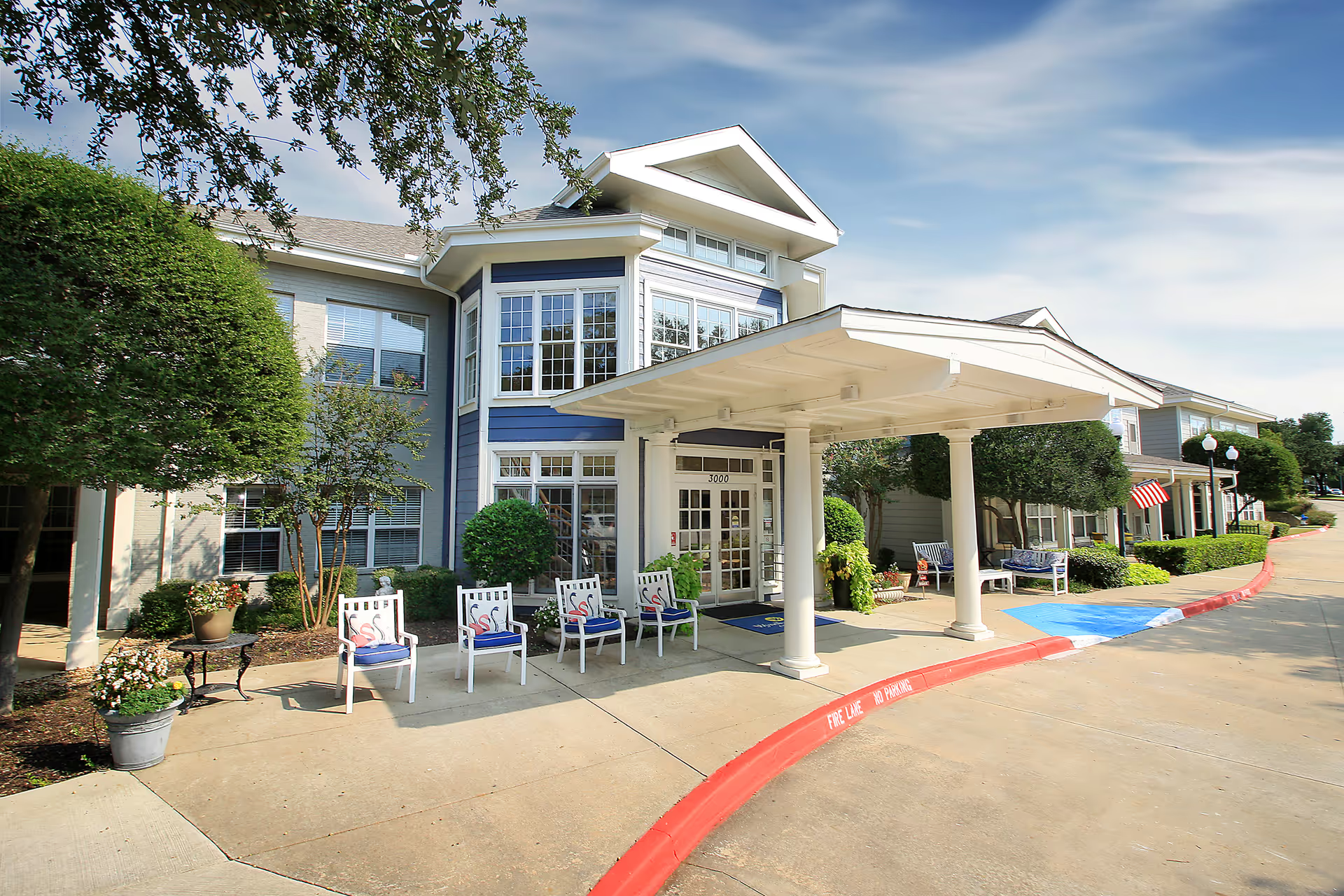
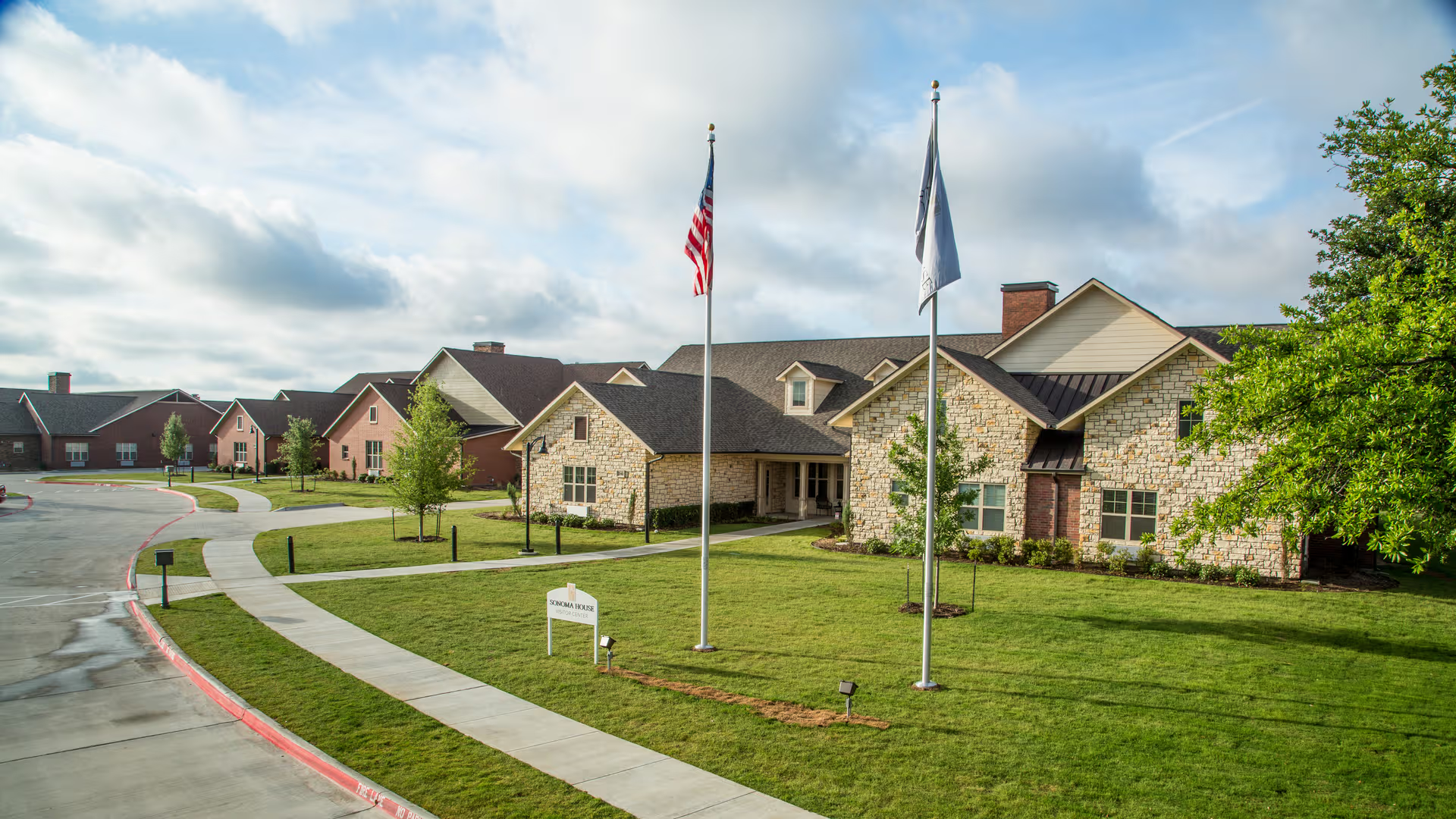
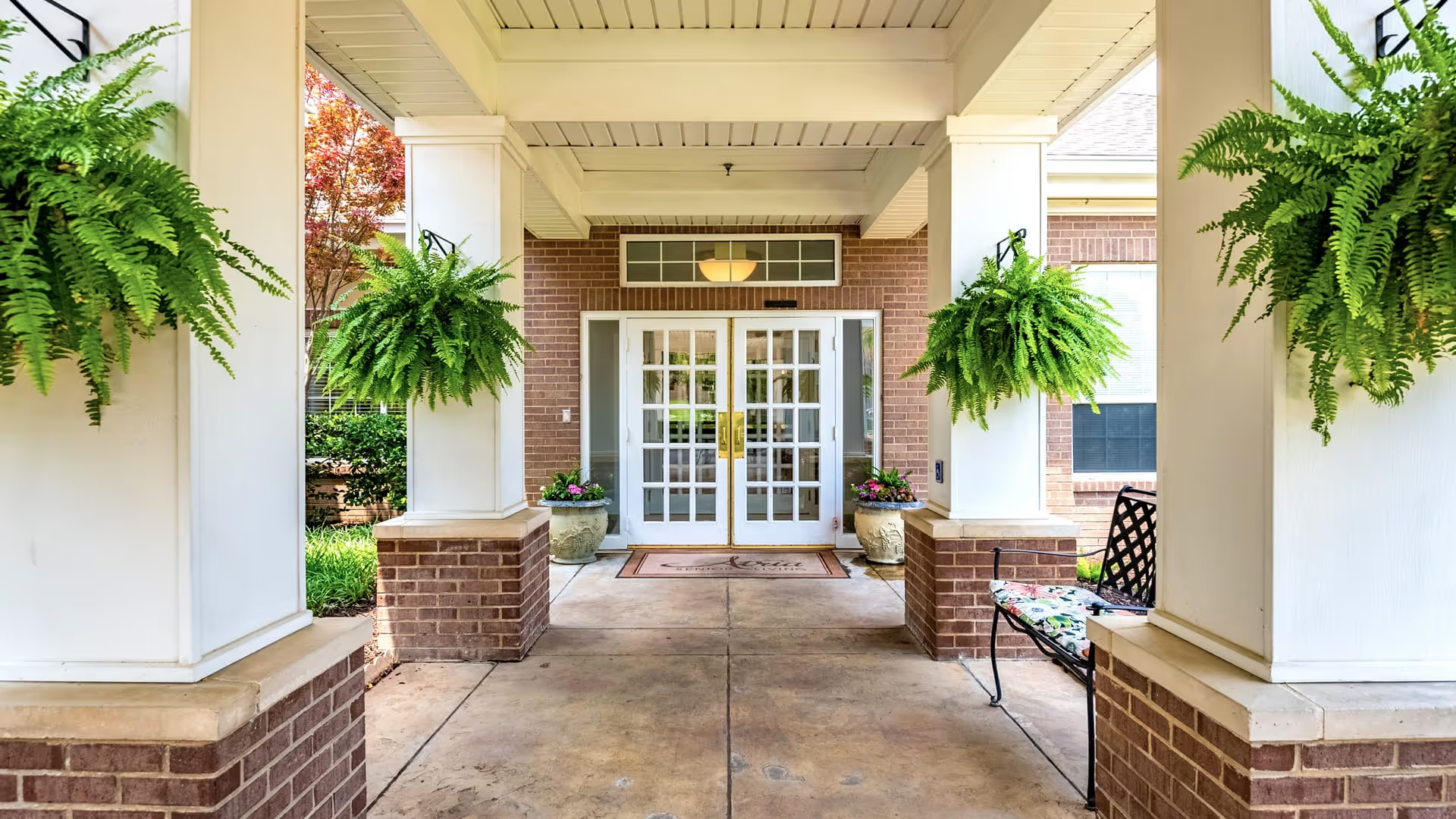
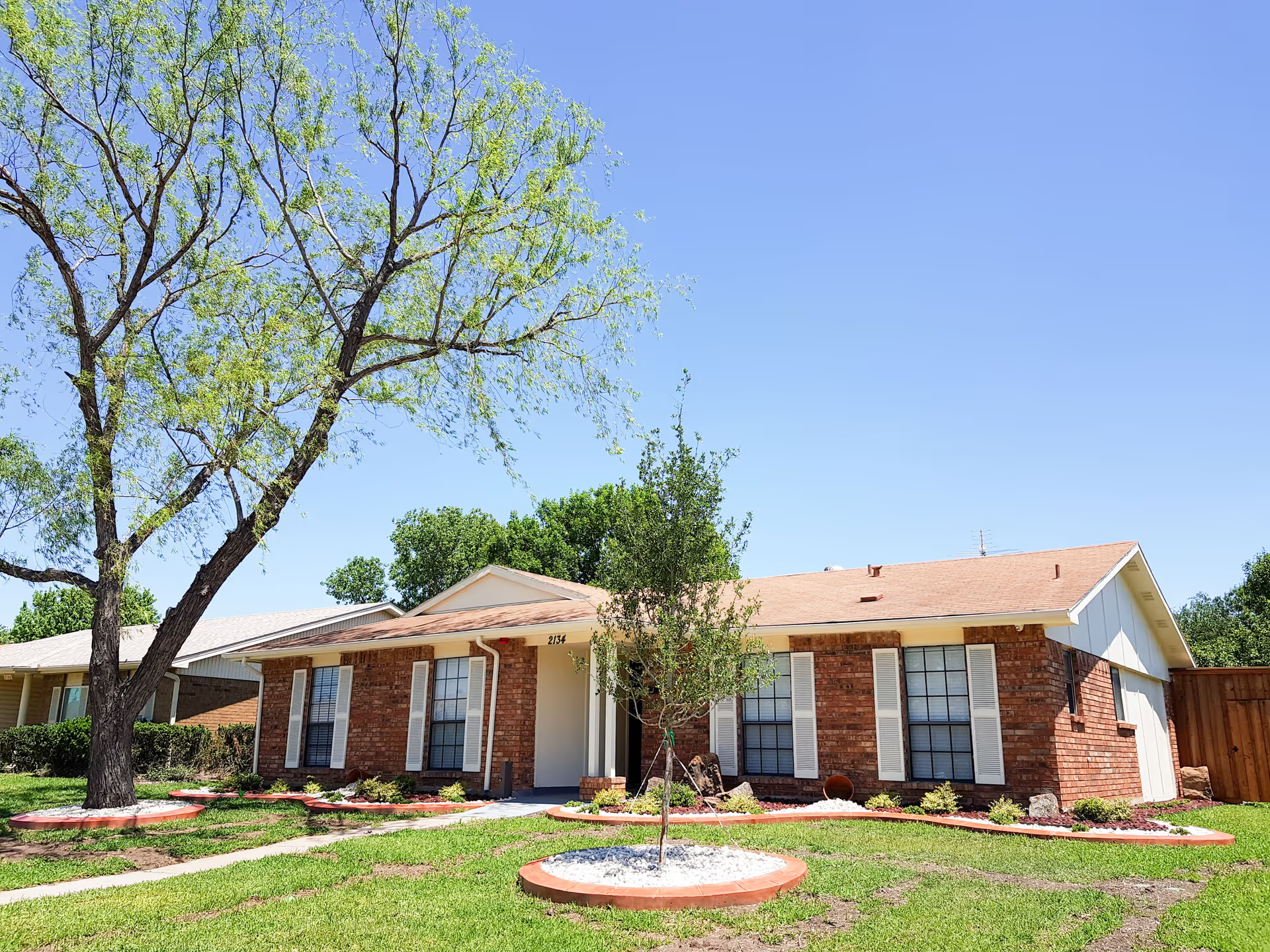
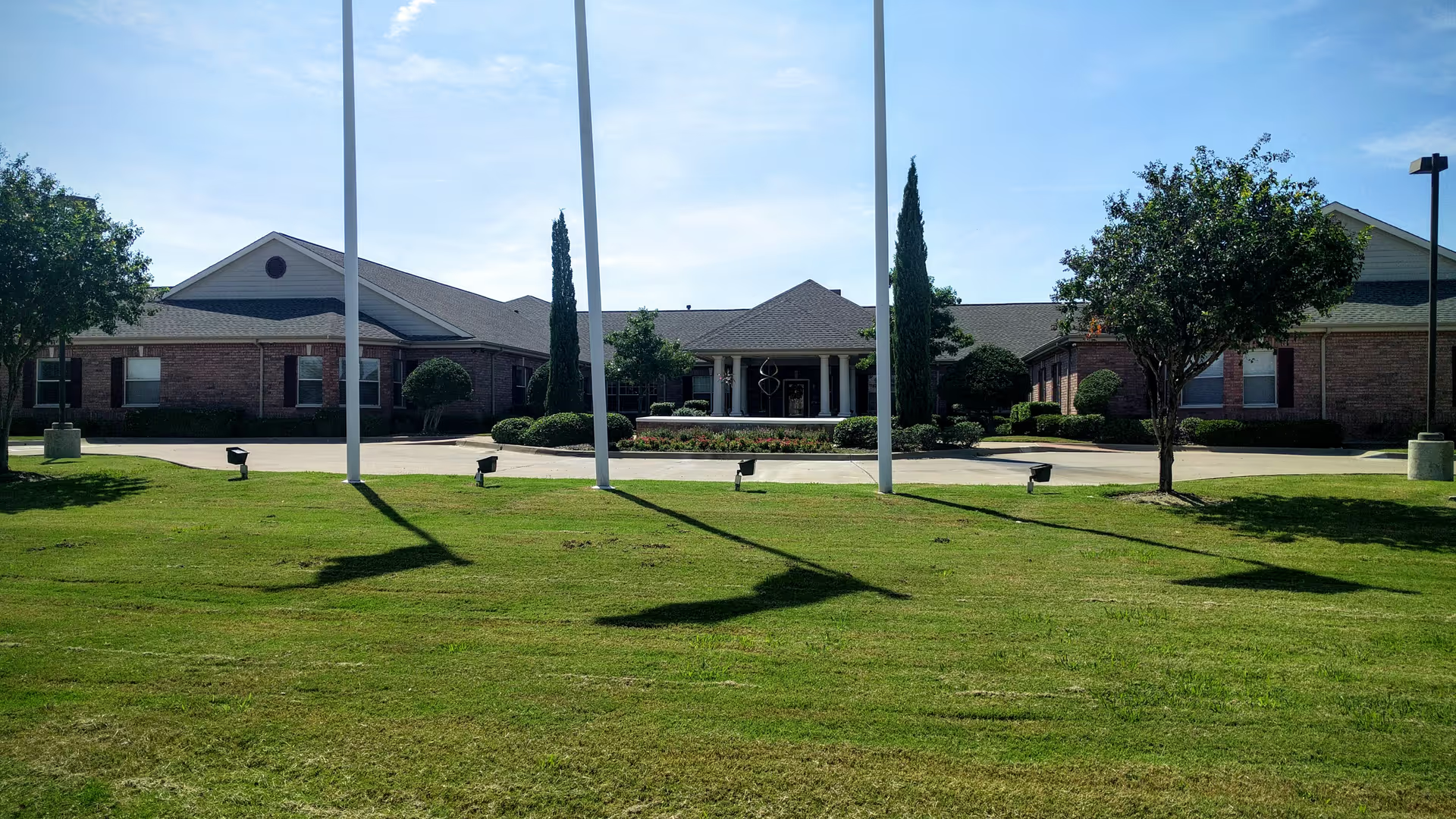
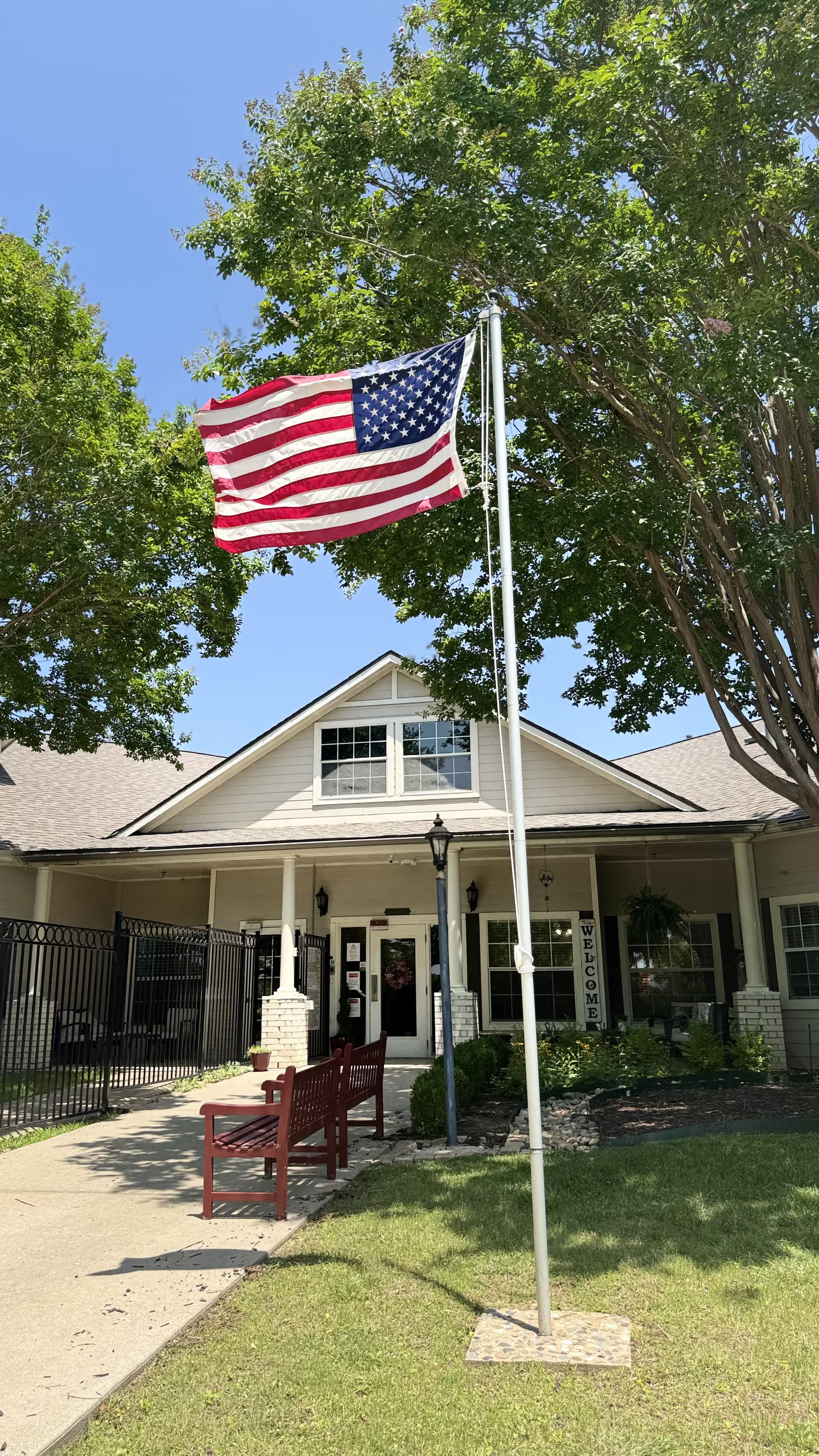
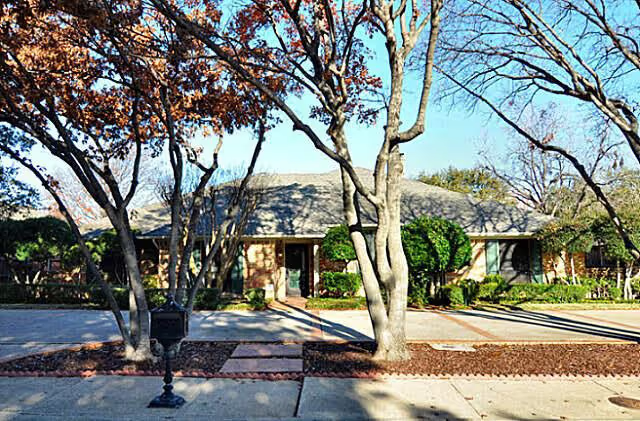
Prestonwood Court is commonly described as a well-appointed, amenity-rich senior living community with a strong emphasis on cleanliness, social programming, and physical fitness. The physical plant — including wide, well-lit corridors, airy common areas, private apartment-style suites with kitchenettes, an indoor pool and therapy tub, fitness areas, salon services, and a large interior courtyard — receives consistent positive mention. Many families characterize the community as home-like and social, with frequent live performances, outings, and a broad activities calendar that supports engagement and high resident participation.
Staff and direct-care quality are frequently highlighted as strengths. Reviewers note compassionate, attentive aides, med-techs, and nurses, along with memory-care teams that are often described as skilled and personable. Several families praised specific directors and staff members for being responsive and effective during move-in and transition periods. At the same time, the reviews disclose operational inconsistencies: medication administration, coordination of physician orders, and communication between clinical teams and families are areas where problems have surfaced. Related operational traits include staffing variability and periodic shortages that can affect timeliness of personal-care responses, as well as uneven follow-through on family emails and requests.
Dining and activities are generally strong points but show variability. Many reviewers praise the food, dining service, and dietary accommodations, while others cite inconsistent meal quality, small portion sizes, and chef turnover. The activities program is a major draw — reviewers frequently describe creative, numerous, and well-attended events — though some noted a relative lack of evening programming in the past with efforts underway to expand offerings.
Areas of particular caution for prospective residents and families include clinical operations and cost. Medication-management inconsistencies, occasional miscommunications of doctor orders, and delays in responding to personal-care calls represent the chief clinical concerns described. Memory-care experiences are positive for many residents, but a subset of families described a poorer fit, indicating that oversight and individualized assessment in memory-care placements merit careful inquiry. The community is positioned at a higher price point; multiple reviewers cited affordability concerns and recommended weighing value against cost.
Finally, reviewers referenced concerns about workplace culture and inclusivity, with at least one serious allegation regarding discriminatory behavior and staff treatment. There are also mentions of limited family visibility and communication challenges during pandemic-related restrictions. These issues contrast with numerous accounts of staff going above and beyond, so prospective families should ask targeted questions about staffing stability, diversity and inclusion policies, clinical communication protocols, incident escalation, and pandemic-era procedures during a tour.
Overall, Prestonwood Court presents as an attractive, well-equipped community with many strengths in amenities, social programming, and day-to-day caregiving. Prospective residents should balance those positives against the facility-level operational concerns described above by reviewing medication-administration safeguards, staffing ratios and turnover, evening activity offerings, dining consistency, and the specifics of memory-care fit before making a placement decision.