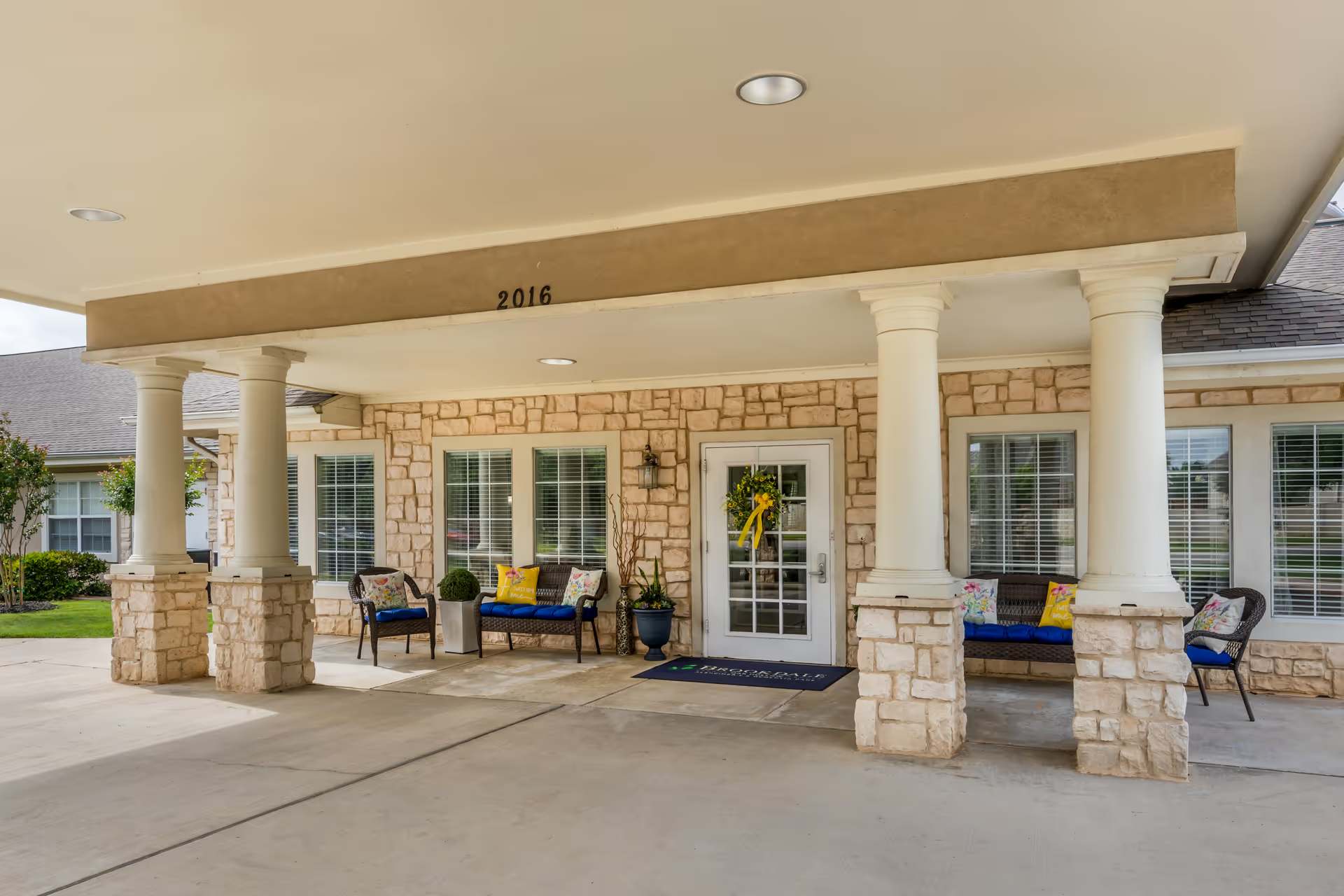
The collection of reviews reflects strong satisfaction with the placement service and its staff. Reviewers consistently describe the team as responsive, compassionate, and professional — providing individualized guidance, rapid property viewings, and assistance that extends beyond placement logistics. Several accounts highlight dementia-care knowledge, budget-sensitive searches, free consultations, and active participation in family meetings. The placement staff is frequently credited with ongoing follow-up and advocacy, which families report as improving resident adjustment and quality of life.
Care-quality signals in these summaries come mostly from post-placement family reports (for example, statements that a parent is adapting well or enjoying social opportunities). Those outcomes suggest effective matching between resident needs and the chosen facility. However, these reviews do not contain systematic evaluations of clinical staffing levels, medication management protocols, or specific care outcomes inside partner facilities. The placement team’s role appears to be facilitation and matching rather than direct provision of clinical care.
Comments about staff concentrate on the placement-service personnel: attentive, knowledgeable, and proactive. Several reviews note staff who went beyond expectations (for example, practical assistance during an emergency). There is little direct commentary about front-line facility caregivers or RN/clinical oversight at the facilities themselves, so prospective families should confirm clinical-staffing, training, and supervision when evaluating any specific placement.
Dining and activities are infrequently detailed. A few reviewers mention social opportunities and that residents are enjoying community life, but there is limited information on menu quality, meal-service consistency, or the breadth of activity programming across partner facilities. This suggests variability between facilities and a lack of detailed reporting on these operational elements by the placement service’s clients.
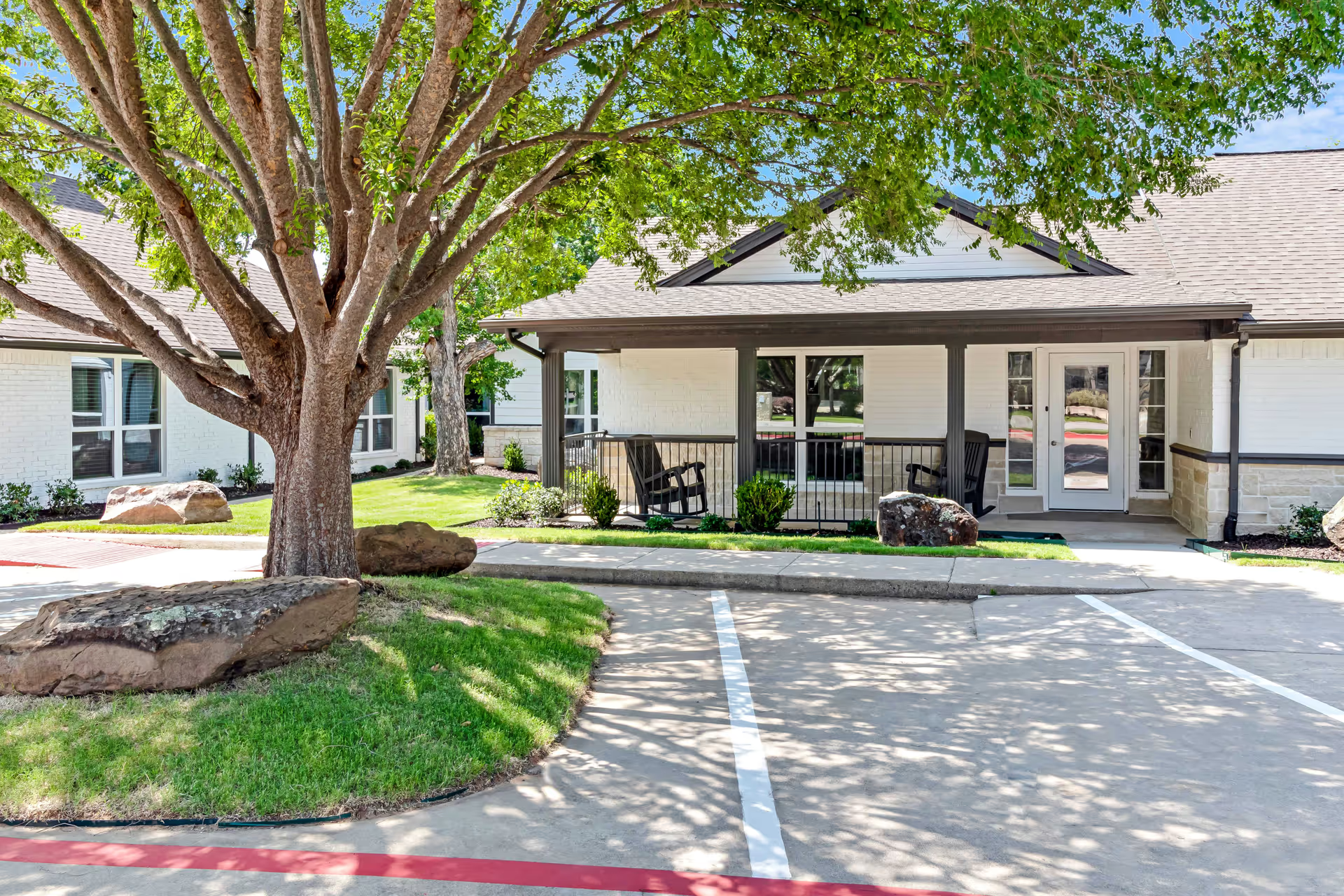
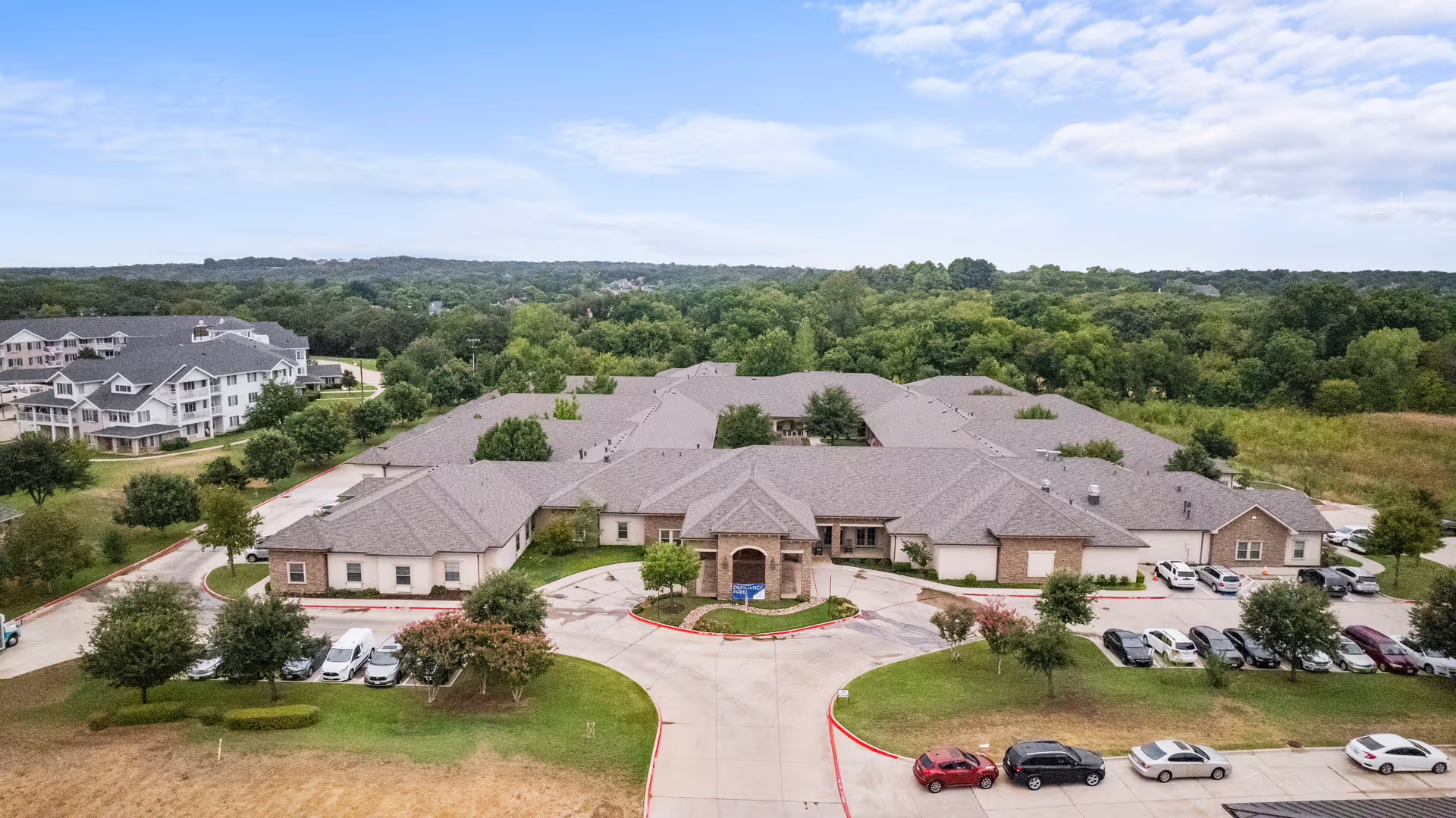
Facility characteristics appear to be heterogeneous: reviewers reference different philosophies, environments, and settings (including home-based options and locations across West Dallas, Mid-Cities, and Garland-area communities). That diversity is a strength for matching purposes but also implies that amenities, activity schedules, dining, and care models will differ by site. Management practices at the placement agency are described as diligent, trustworthy, and family-centered; their role in strengthening communication between families and facilities is a recurring theme.
Notable patterns for prospective families: the placement service is highly rated for responsiveness, personalized matching, dementia expertise, and post-placement follow-up. Gaps in the review set include limited direct assessment of meal quality, activity programming detail, and clinical staffing within partner facilities. To round out the positive experiences described here, families should use the placement team’s advocacy to request facility-level documentation (staffing ratios, activity calendars, menu samples, medication-management procedures, and safety protocols) and conduct site visits to verify the operational aspects that matter most for daily living.