Overall impression: Reviews present a mixed but principled profile. Many families describe genuinely compassionate, hands-on care delivered in a small-group, home-like setting with clean, odor-free spaces and bright, spacious rooms. At the same time, a set of operational and policy concerns emerges that prospective families should evaluate during a visit.
Care and staff: The facility receives consistent praise for caring, nurturing caregivers and detailed shift reporting. Reviewers emphasize proactive clinical observation, follow-through on nursing instructions, and effective collaboration with hospice partners, which supports continuity of care for residents with complex needs. Several reviewers specifically cited an individual manager/caregiver whose hands-on involvement, detailed updates, and willingness to assist beyond typical duties contributed strongly to positive experiences. However, care quality appears uneven across locations and shifts: some accounts indicate inexperienced staff, inconsistent dementia-care skills, and variability in responsiveness and tone. Those patterns suggest that caregiver training, supervision, and assignment consistency may differ by site or shift.
Dining and activities: Many families noted varied meal options and accommodation of dietary needs, and routine meal service was described as attentive. Activity programming is present, and some residents benefit from individualized, companion-style engagement. That said, a number of reviewers described limited or uneven activity offerings; activity availability and engagement appear to vary by location and staffing levels.
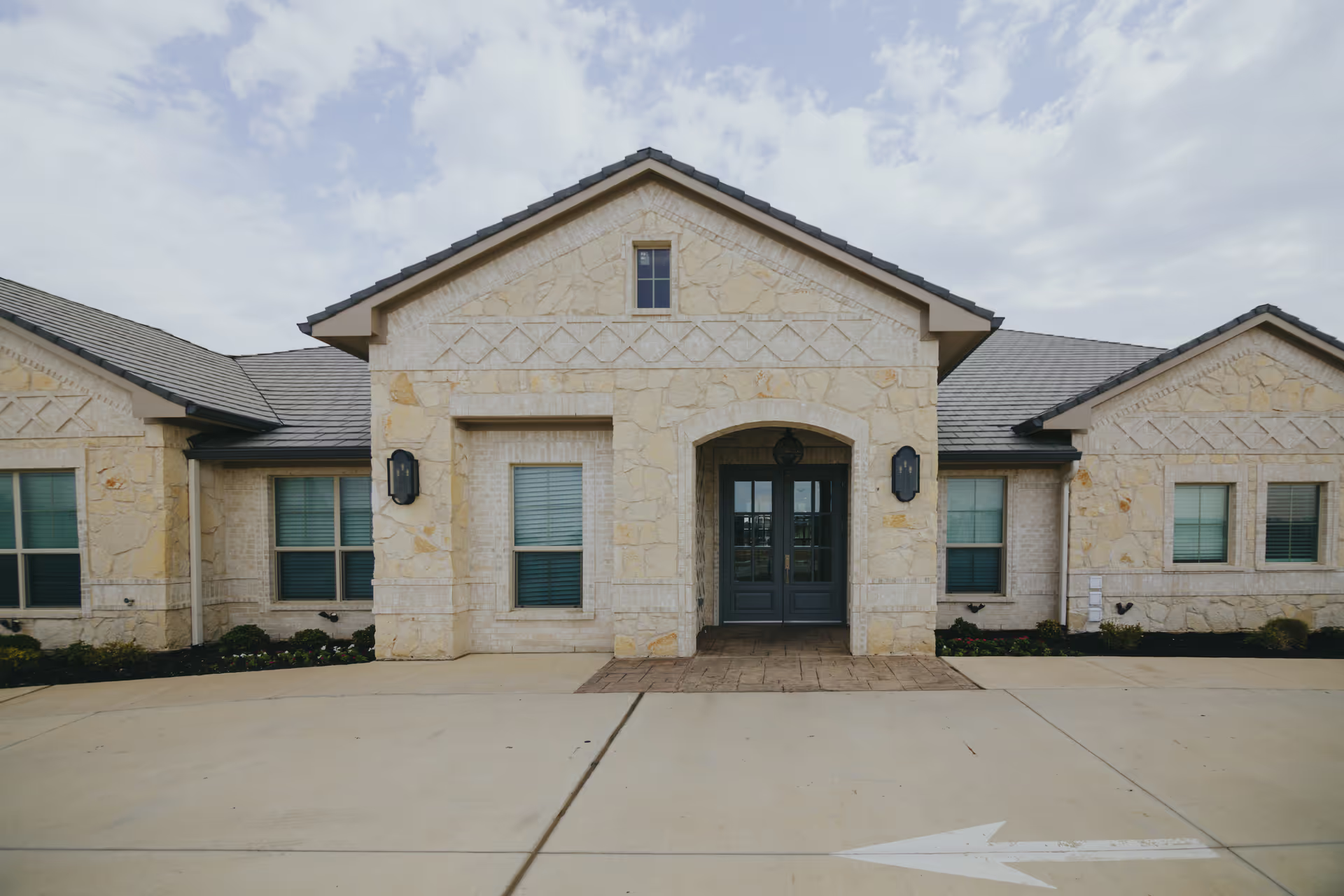
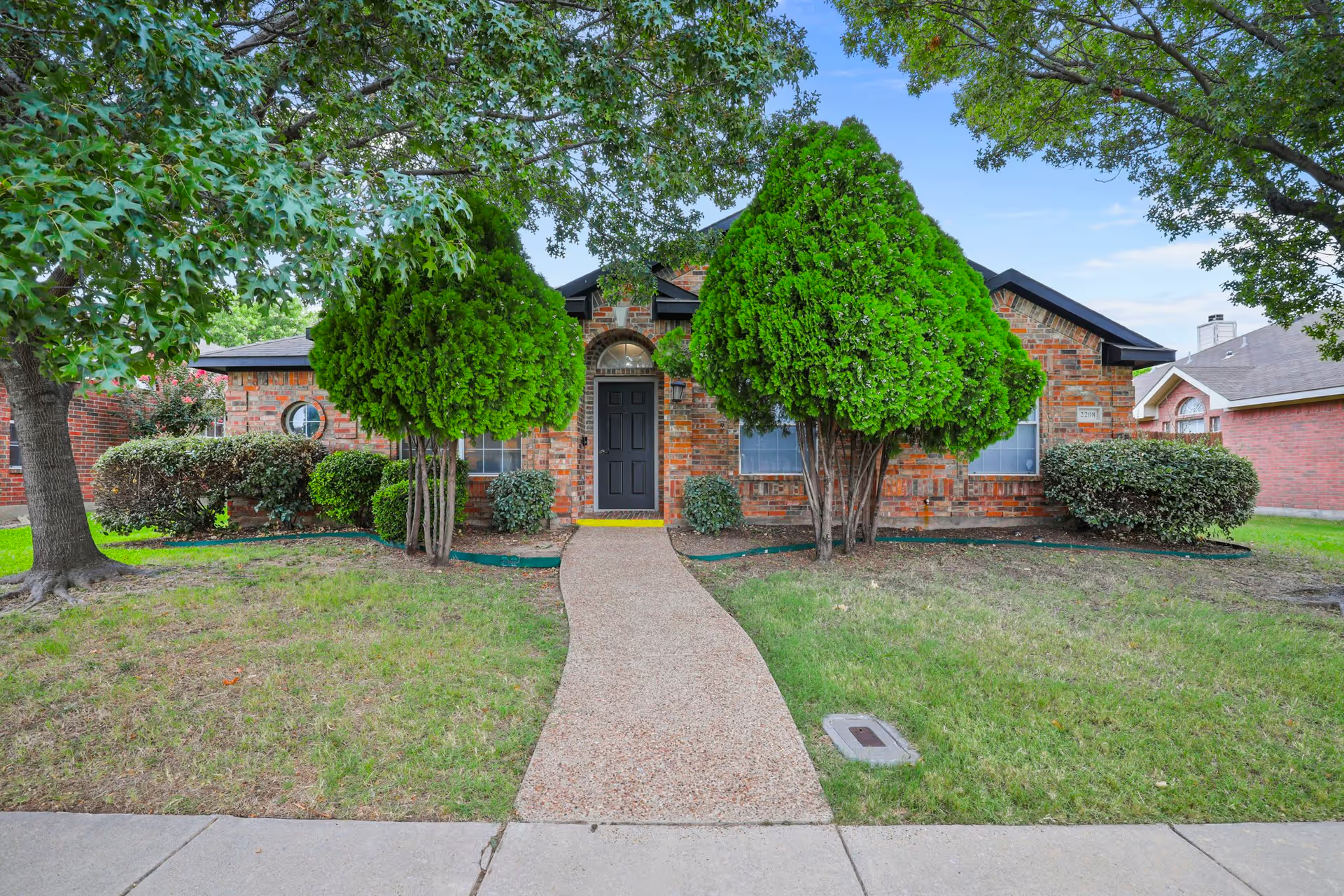
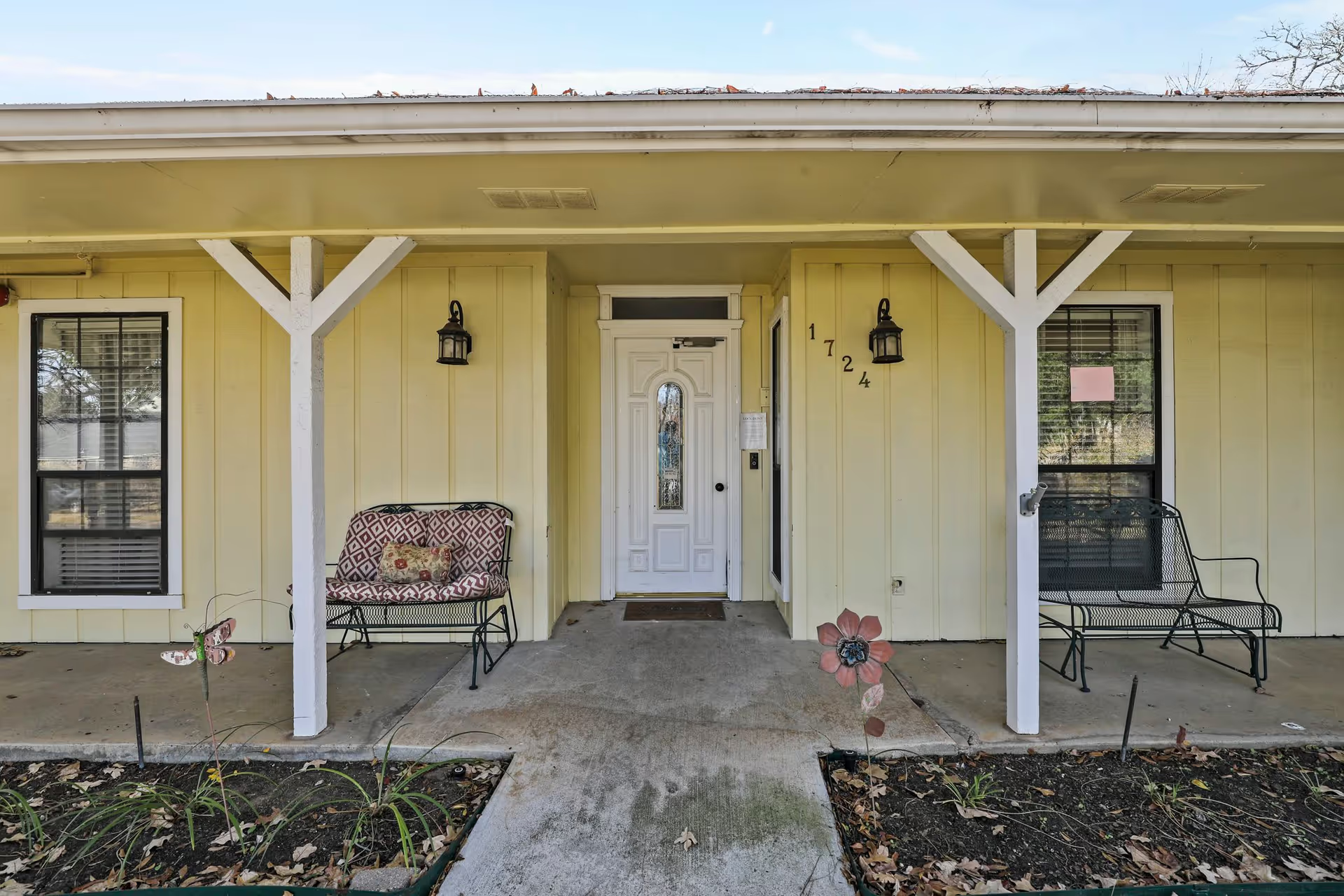
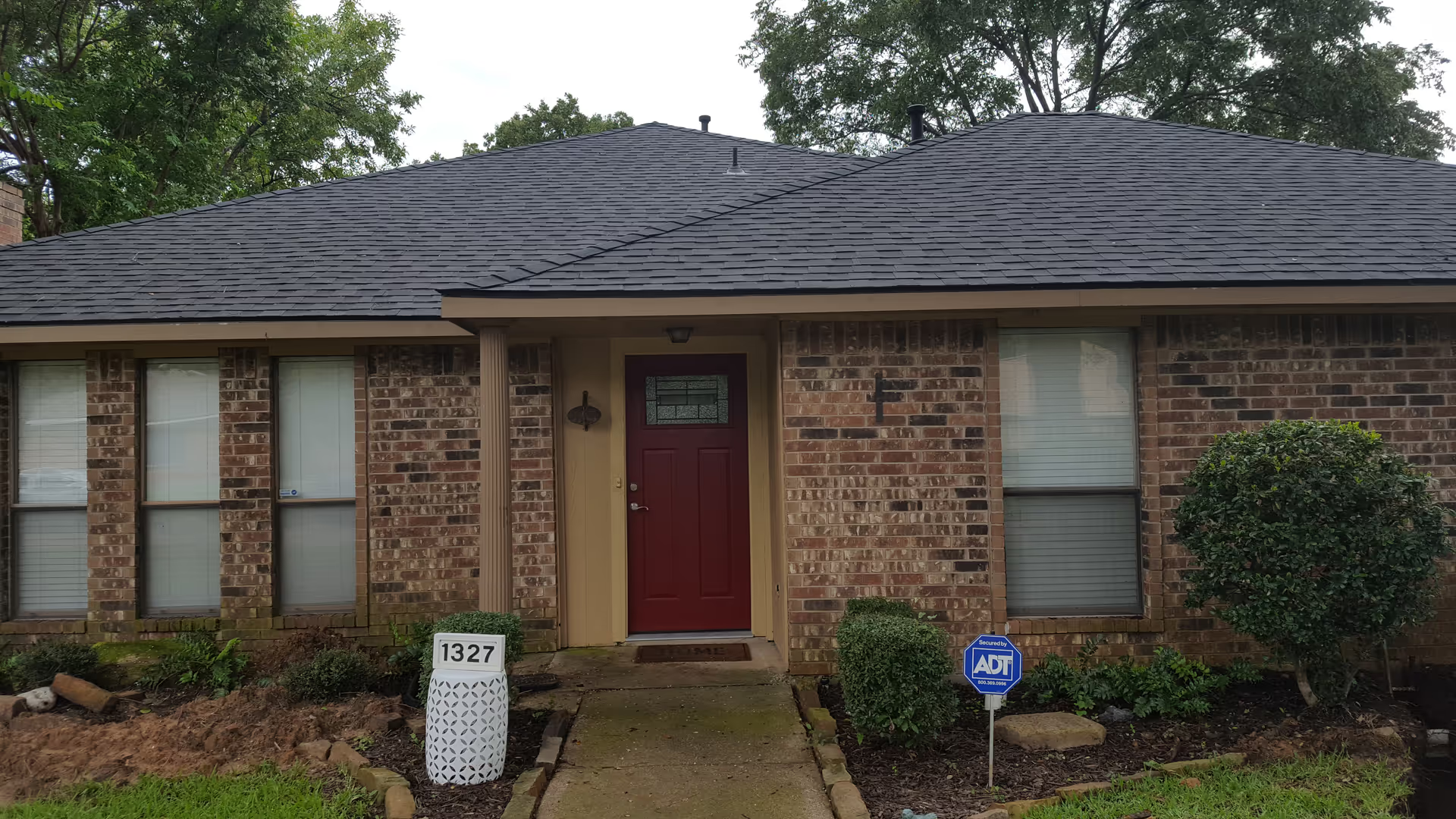
Facilities and environment: The homes are frequently described as clean, updated, and well-maintained, with a calm, quiet atmosphere. Rooms with large windows and private baths were mentioned positively. The small, group-home model is repeatedly framed as a benefit for families seeking a more personal, companion-like care environment. Conversely, neighborhood safety and the surrounding environment appear to depend on location; some locations were characterized as more favorable than others.
Management, contracts, and communication: Management style ranges from highly involved and transparent to less responsive, depending on the review. Positive examples highlight clear explanations, detailed answers to questions, and accessibility. Operationally important concerns include perceived pressure to place deposits, inflexible contract/deposit policies, unexpected fee increases, and gaps in billing or post-occupancy communication — including concerns that arose after a resident's death. These financial and contract-related issues, combined with variability in staff training, represent the most significant patterns of concern across reviews.
Notable patterns and recommendations: Strengths cluster around individualized, compassionate caregiving, detailed communication when present, and a clean, home-like setting that many families prefer to larger facilities. Weaknesses center on inconsistent staff competency (especially for dementia care), variability in activities, and the facility's contract and billing practices. Prospective residents and families should undertake an in-person visit, ask for current staffing and training protocols (particularly dementia training), request sample shift reports, review the written contract line-by-line (deposit/refund and billing after discharge), clarify activity schedules, and confirm whom to contact for urgent billing or care concerns. These steps will help determine whether a given location and team provide the consistent standards of care and transparent policies families seek.