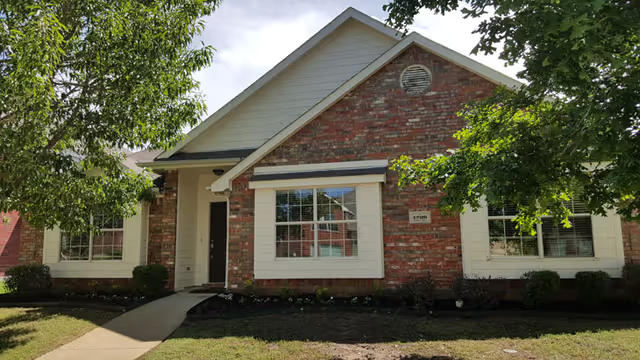
The reviews for The Pearl Senior Living at Lewisville present a polarized but informative picture. Many families describe strong, compassionate direct care from caregivers and nursing staff, a bright and home-like memory-care neighborhood, hotel-like common areas, and a robust activities and therapy program. At the same time, multiple reviewers describe operational inconsistencies that have affected clinical reliability, housekeeping, and ancillary services. Prospective families should weigh both patterns when evaluating fit.
Care quality: Clinical staff and front-line caregivers receive substantial praise for respectful, dignified, and attentive interactions. Several reviewers specifically note that nurses and memory-care directors provide professional, warm communication and that rehabilitative therapies (PT/OT/speech) are coordinated and effective. Conversely, there are recurring concerns about medication-management processes, missed or delayed medication administration, and occasional delays in responding to call buttons during periods of staff shortage. Memory-care programming is frequently described as engaging and appropriate, though a subset of experiences point to inconsistent bathing and incontinence-care practices and sanitation concerns in select units.
Dining and activities: Dining is widely cited as a strength when kitchen staffing is stable — fresh ingredients, varied menus, meal delivery options, and restaurant-style service are highlighted. However, reviewers also report variability in food quality tied to kitchen turnover, with instances of bland, overcooked, or unavailable menu items when staffing is strained. Activities and socialization receive positive comments overall: many residents benefit from varied programming, outings, and a sense of belonging, though a minority describe limited activity engagement and periods when residents spend more time in their rooms.
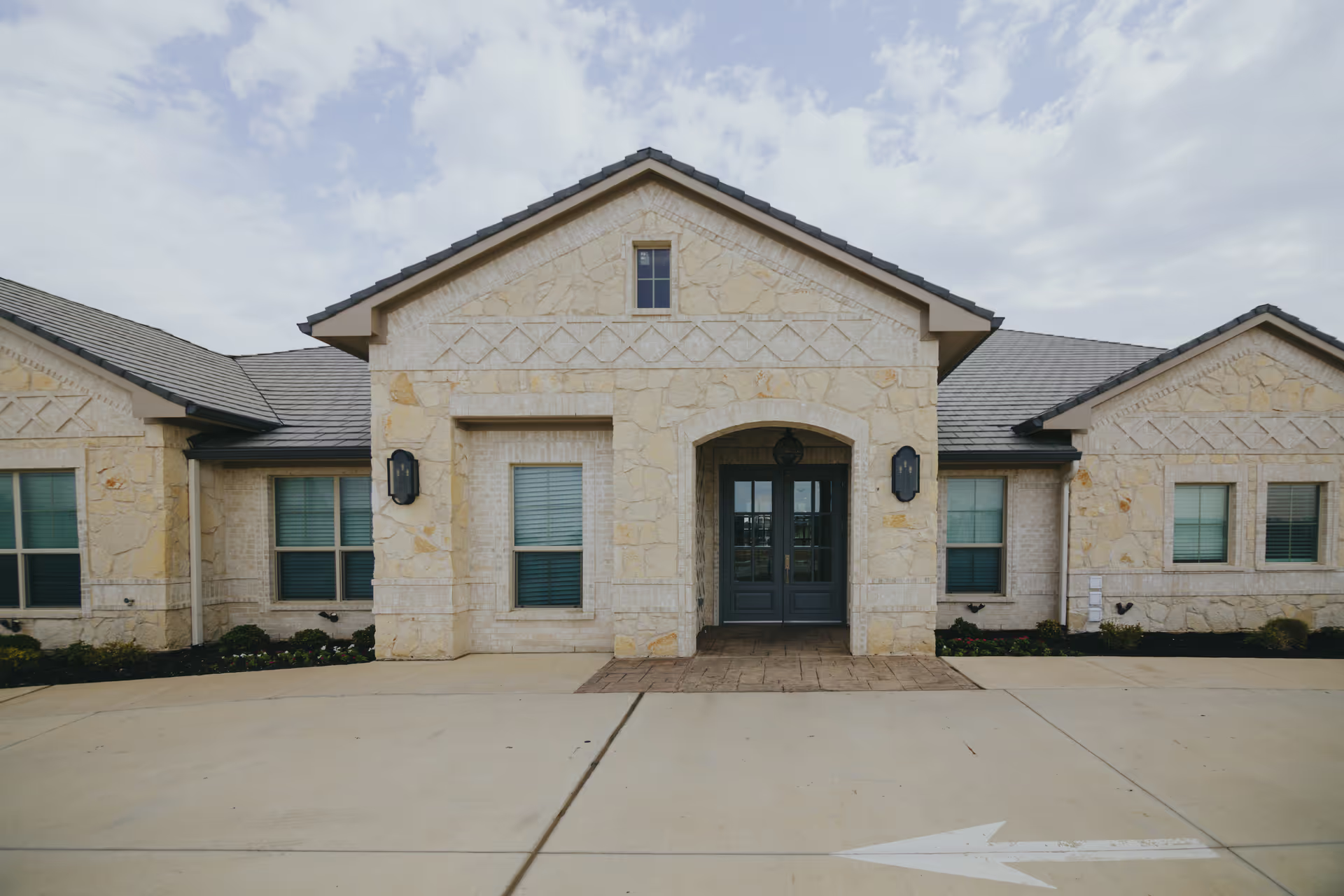
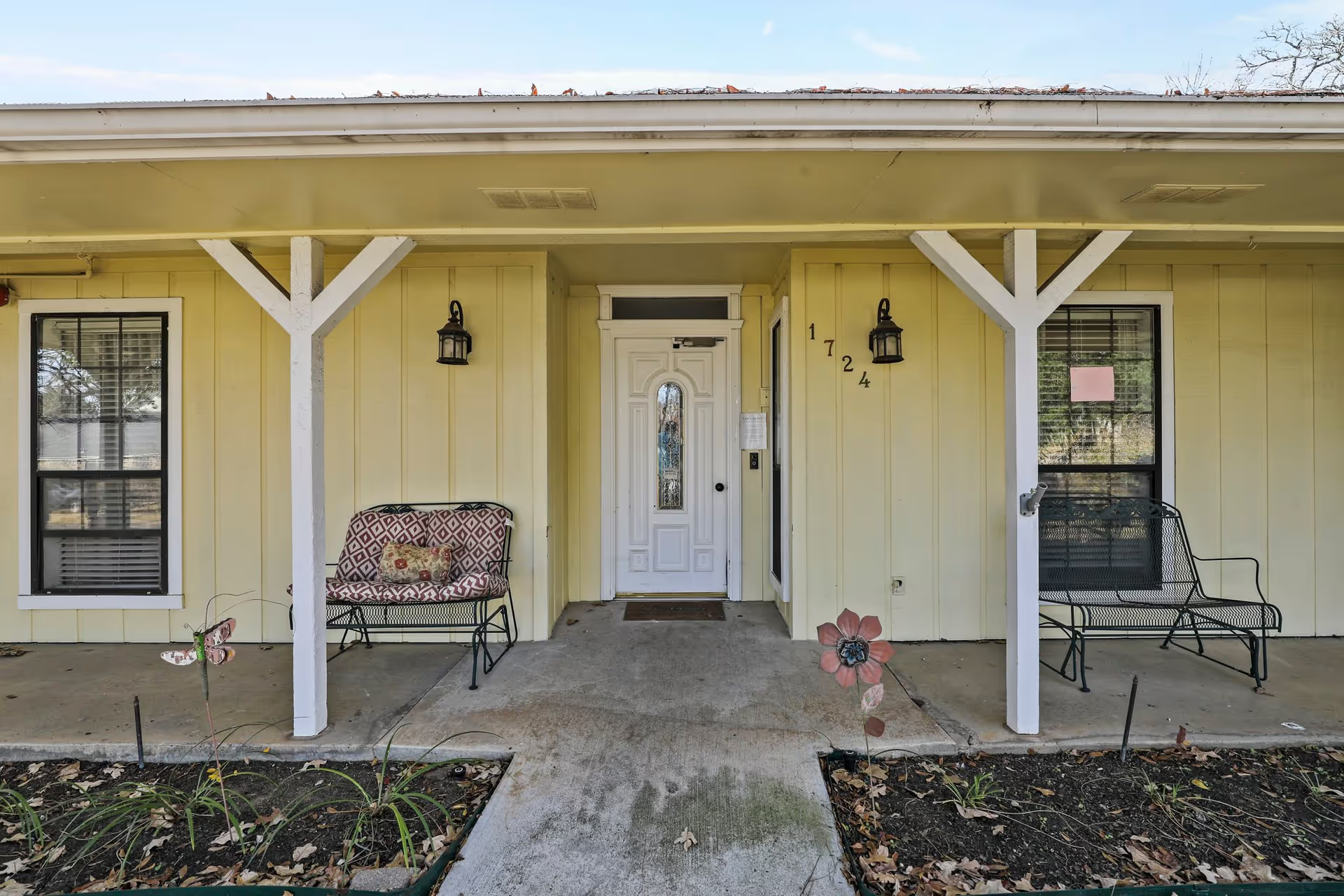
Facilities and services: The physical environment is frequently described as clean, modern, and attractively furnished, with amenities such as a pool, arts-and-crafts spaces, and bright common areas. Several move-ins, however, encountered unit-finish defects (paint, carpet, cabinetry) and move-in readiness issues. Reviewers also noted reliability problems with auxiliary services such as the shuttle and expectations around power backup. Housekeeping and laundry quality appear uneven across units, contributing to the sanitation concerns mentioned above.
Management and communication: Leadership is a clear inflection point in the reviews. Numerous families praise approachable directors and health-and-wellness leadership who communicate proactively, provide updates and photographs, and drive measurable improvements. At the same time, there are multiple accounts of miscommunication around move-in logistics, billing during hospital stays, visitation restrictions during infection-control events, and turnover among managers or specialized coordinators. These operational gaps—combined with staffing fluctuations—are the main drivers of family frustration.
Notable patterns and takeaways: The overall pattern is one of a facility capable of strong, compassionate care and an engaging environment when staffing and management are stable, interspersed with periods of operational strain that materially affect service consistency. Positive accounts often reference specific leaders or units where improvements were implemented; negative accounts often coincide with staff turnover, kitchen instability, or move-in transitions. Recommended due diligence for prospective families includes asking about current staffing ratios and turnover, medication-administration protocols, housekeeping and laundry schedules, move-in checklists for unit readiness, contingency plans for power/shuttle services, and recent management turnover or corrective actions. Visiting in person, meeting clinical leaders, and requesting recent references from current families can help assess whether recent improvements have been sustained.