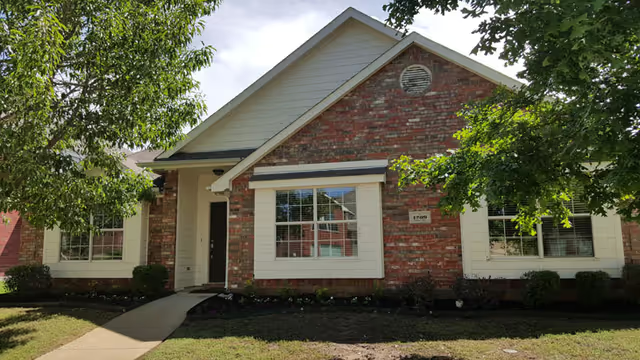
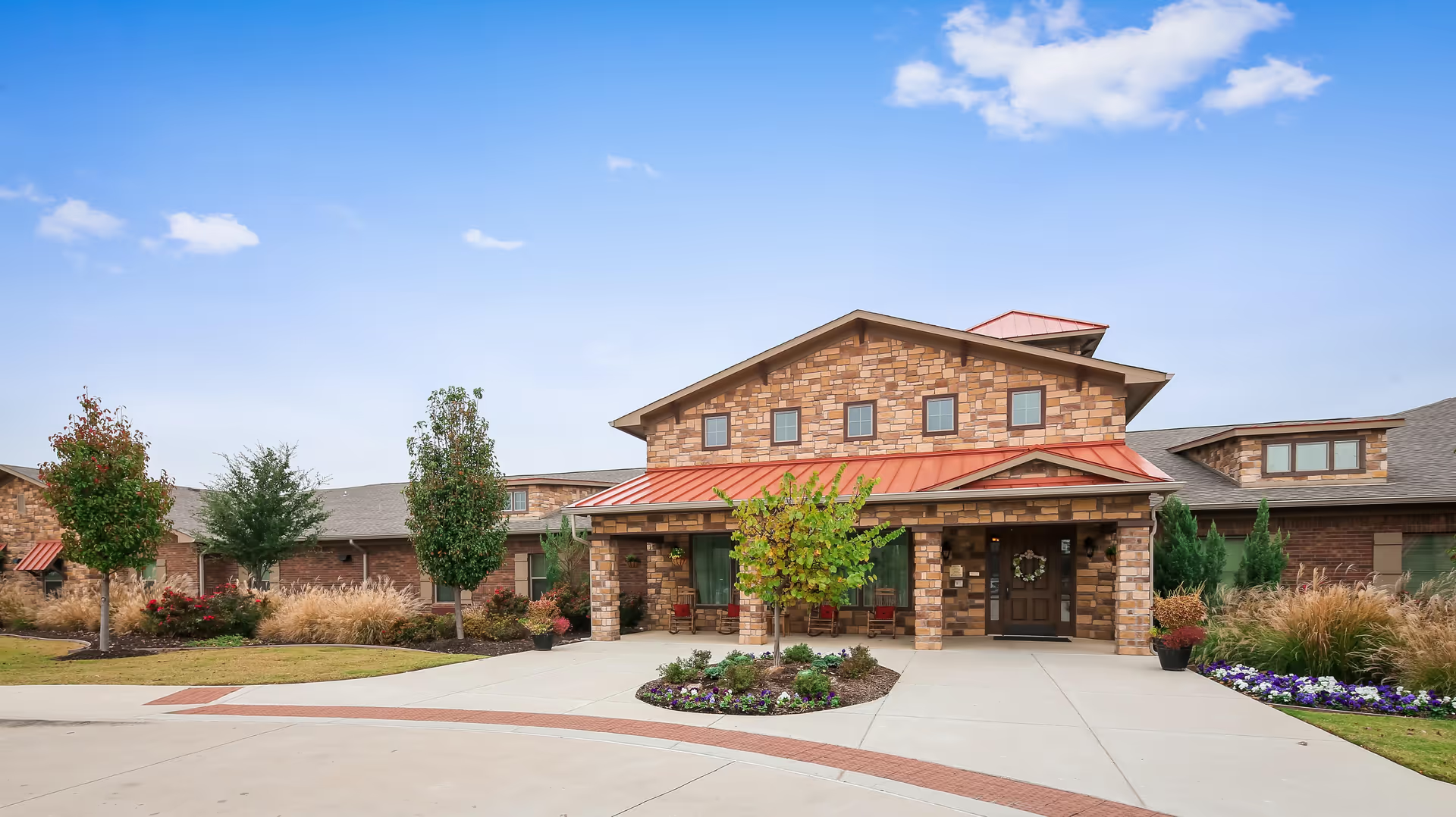
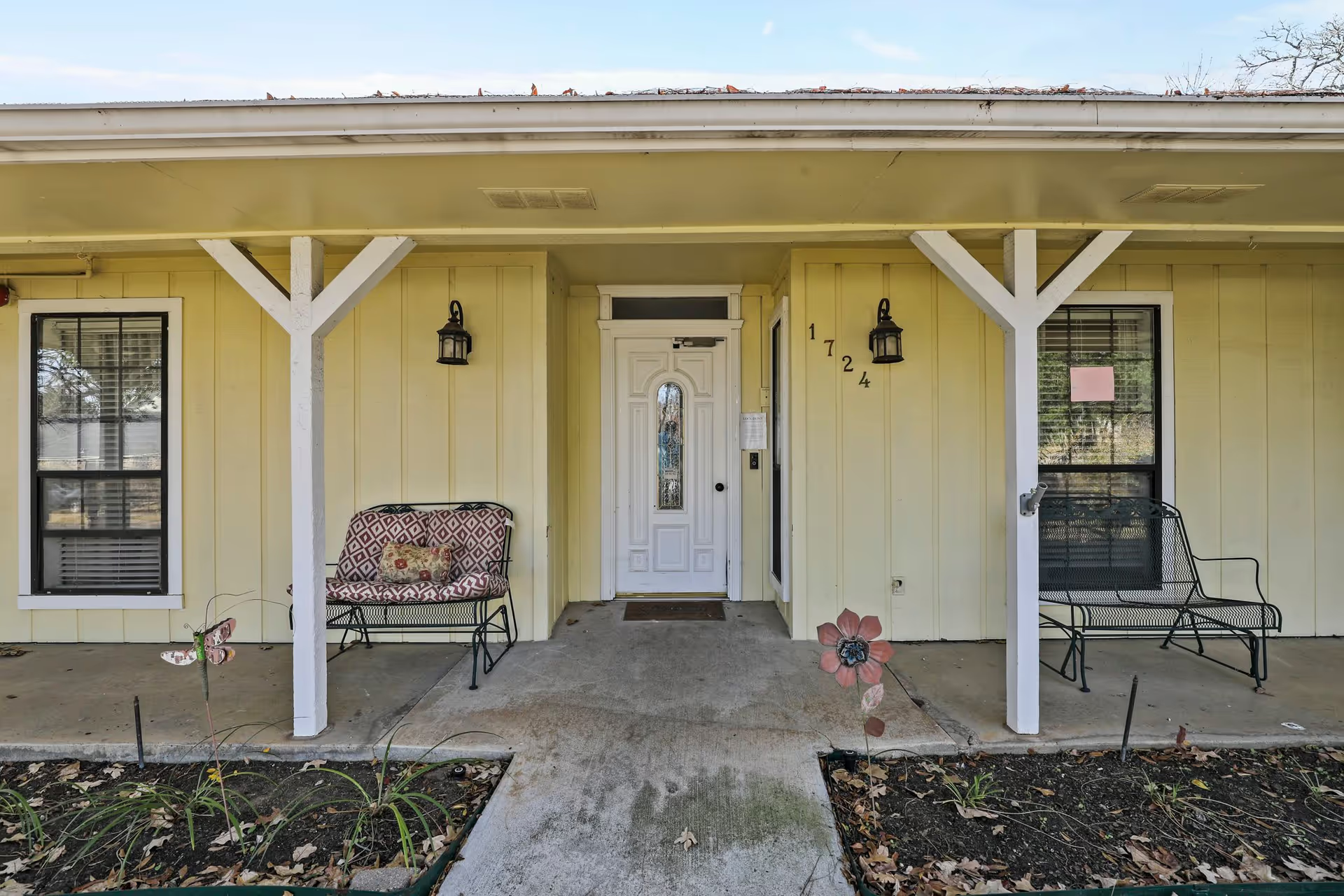
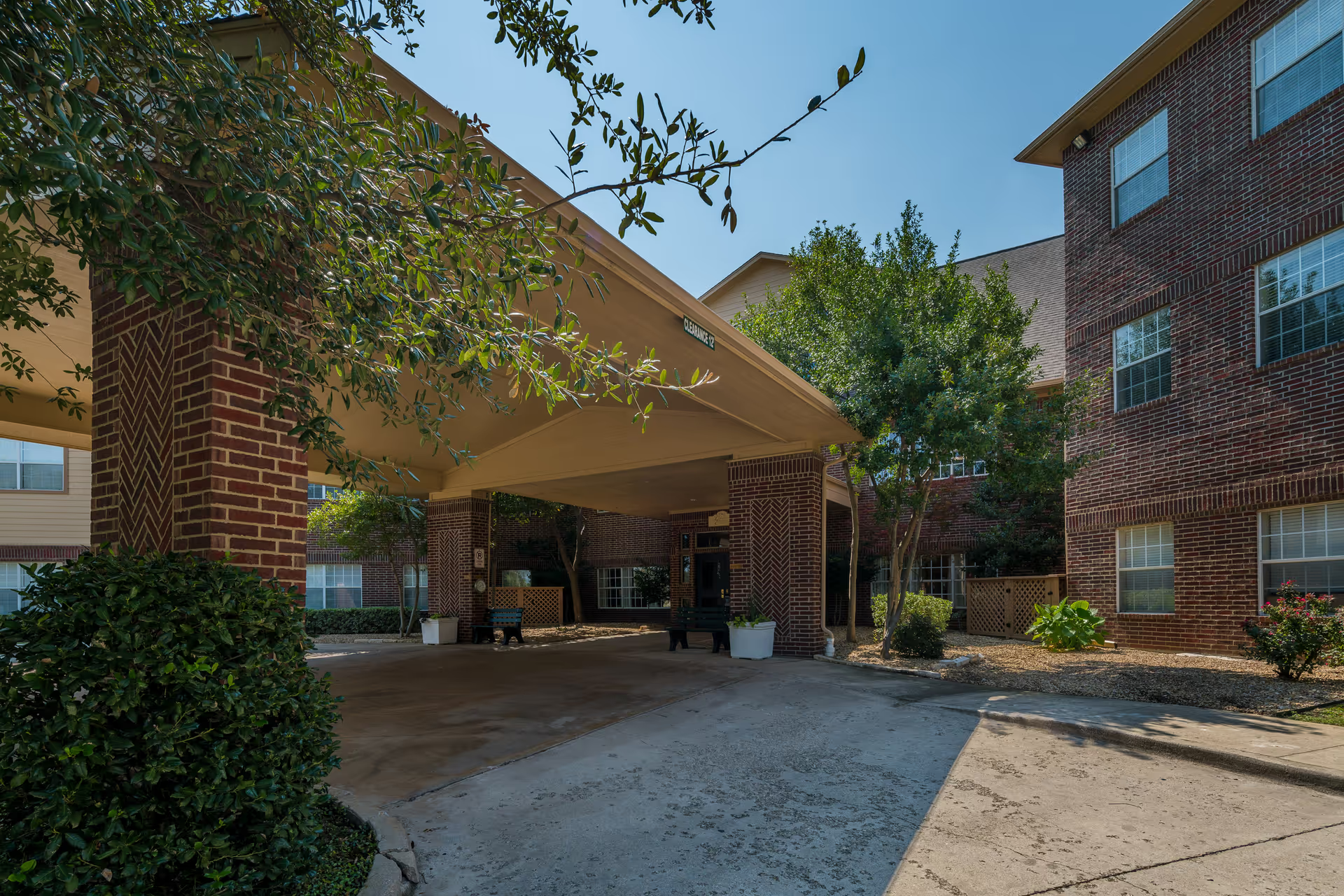
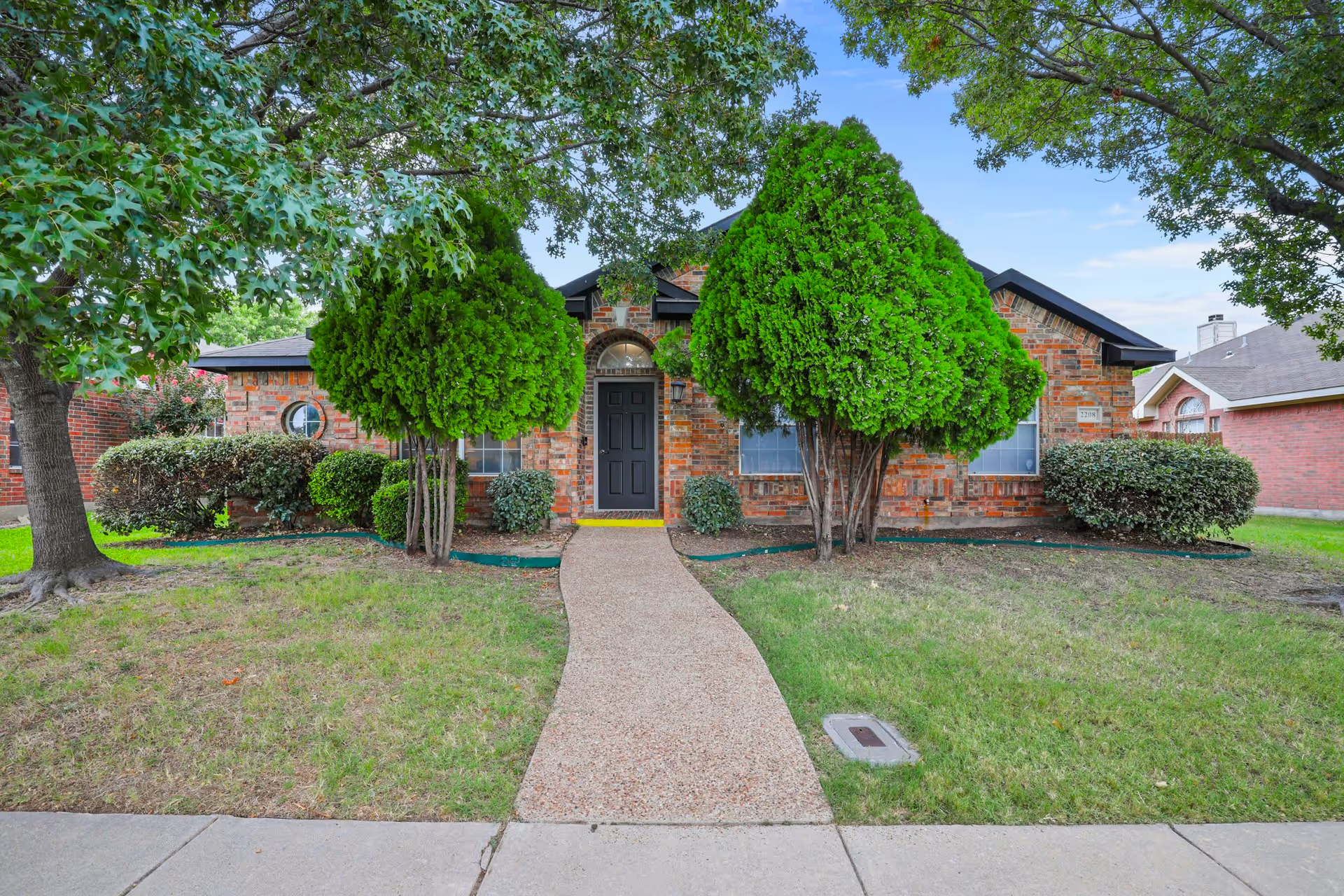
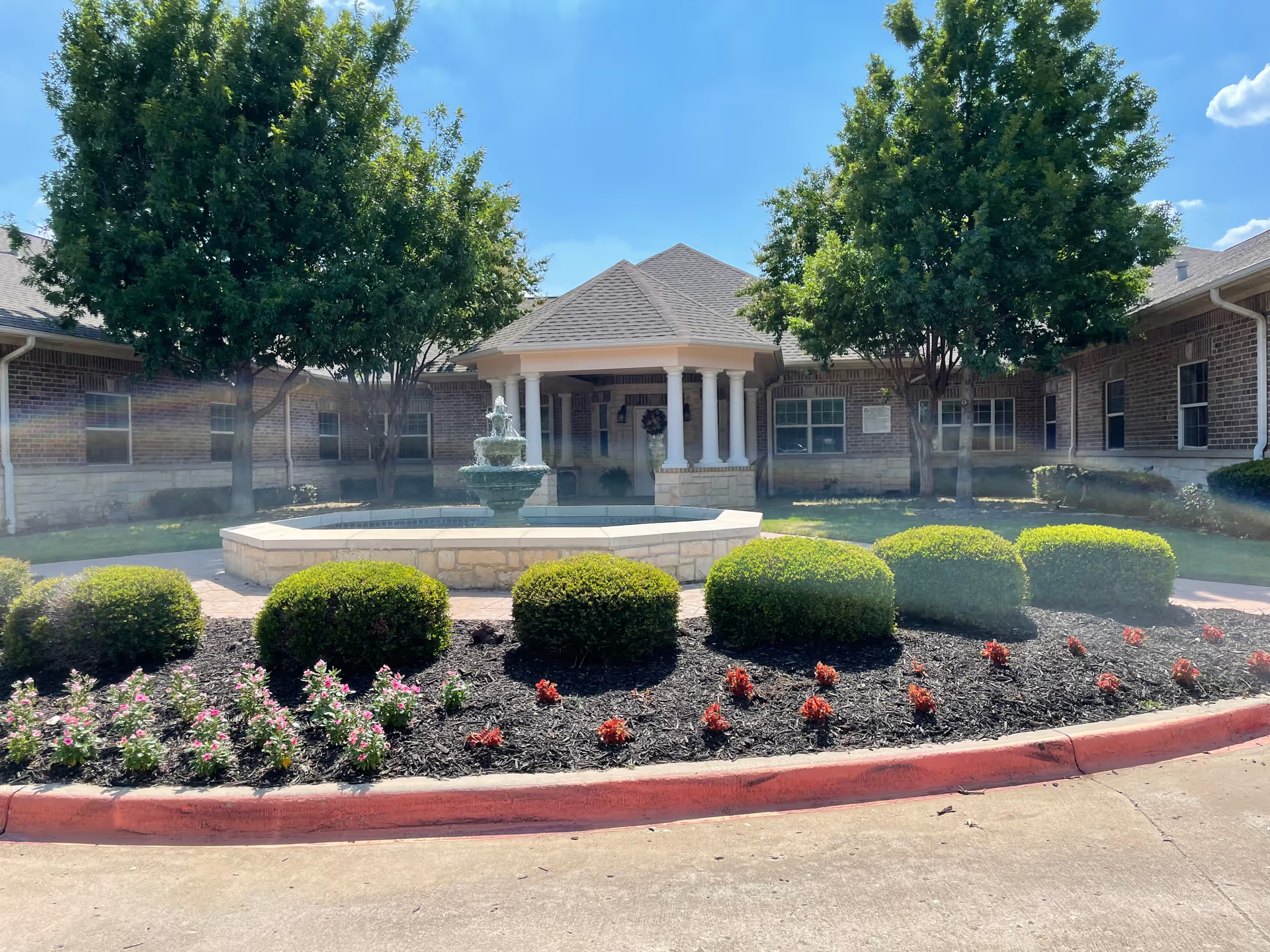
Overall impression: Reviews consistently describe Compassionate Residential Living in Flower Mound as a small, home-style assisted living environment where family-like relationships and personalized care are primary strengths. Families and residents emphasize compassionate, attentive staff who provide individualized attention, maintain consistent relationships, and foster friendships among residents and caregivers. The setting is repeatedly characterized as a comfortable, non-institutional home rather than a clinical facility.
Care quality and staff: Feedback highlights caregivers as knowledgeable, kind, and attentive, with effective communication to families about needs and transitions. Reviewers specifically note a smooth transition process and ongoing communication with a named primary provider (Dr. Davis), suggesting strong continuity of clinical oversight within the facility’s scope. The tone of comments indicates reliable day-to-day assistance, respect for residents’ dignity, and a perceived emphasis on safety.
Facilities and environment: Multiple comments describe the physical environment as clean, neat, and well maintained, with private rooms available and a domestic atmosphere. The property is portrayed as safe and comforting, contributing to residents’ satisfaction and families’ relief when placing a loved one there.
Dining and activities: Reviews provide minimal detail about dining quality, menu variety, or formal activity programming. While social connections and a home-like daily life are emphasized, prospective residents should request specific information about meal plans, special-diet accommodations, and the scope and schedule of recreational or therapeutic activities to ensure they meet individual needs.
Clinical scope and outside services: Reviewers note that outside services are easily arranged, which is a practical strength but also indicates that some specialty or higher-acuity services may not be provided on-site. Families seeking advanced medical, rehabilitative, or specialty care should clarify the facility’s on-site capabilities and how external providers are integrated into care plans.
Management and notable patterns: A recurrent theme is relief and gratitude at finding a stable, low-turnover environment—some families contrasted this facility with previous settings that had staffing and care consistency problems. Communication from management and primary clinical staff is repeatedly praised. The consistent patterns across reviews are strong interpersonal care, cleanliness, effective communication, and a small-house model; the primary gaps in publicly shared information concern formal dining, activity programming, and the limits of on-site medical services. Prospective families would benefit from direct conversations with management about meal services, activity calendars, and how the facility manages higher-acuity needs or coordinates external clinical providers.