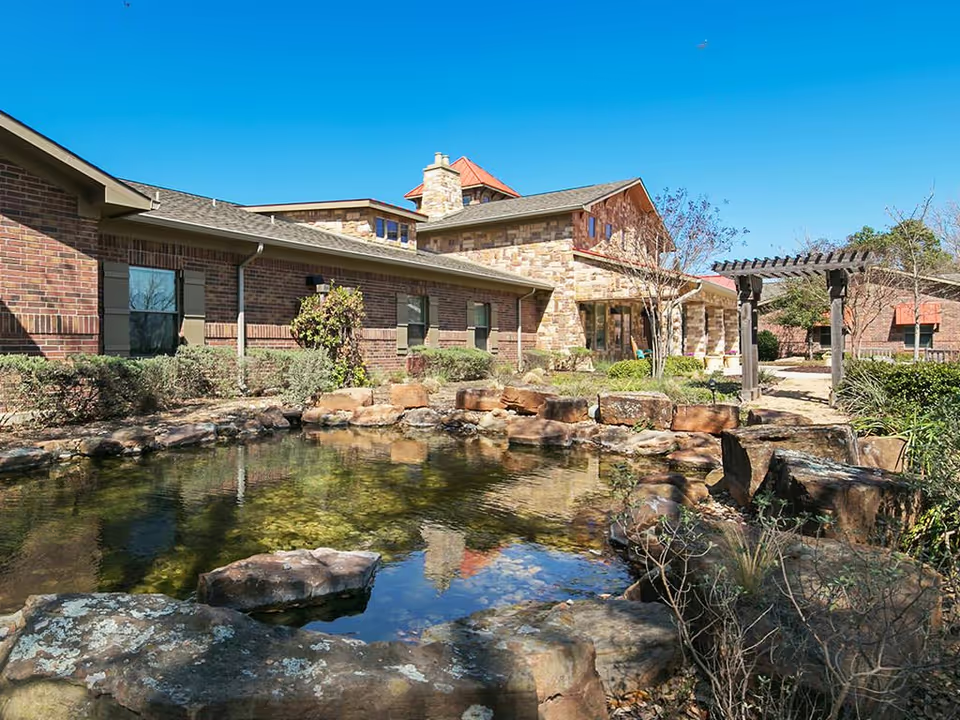
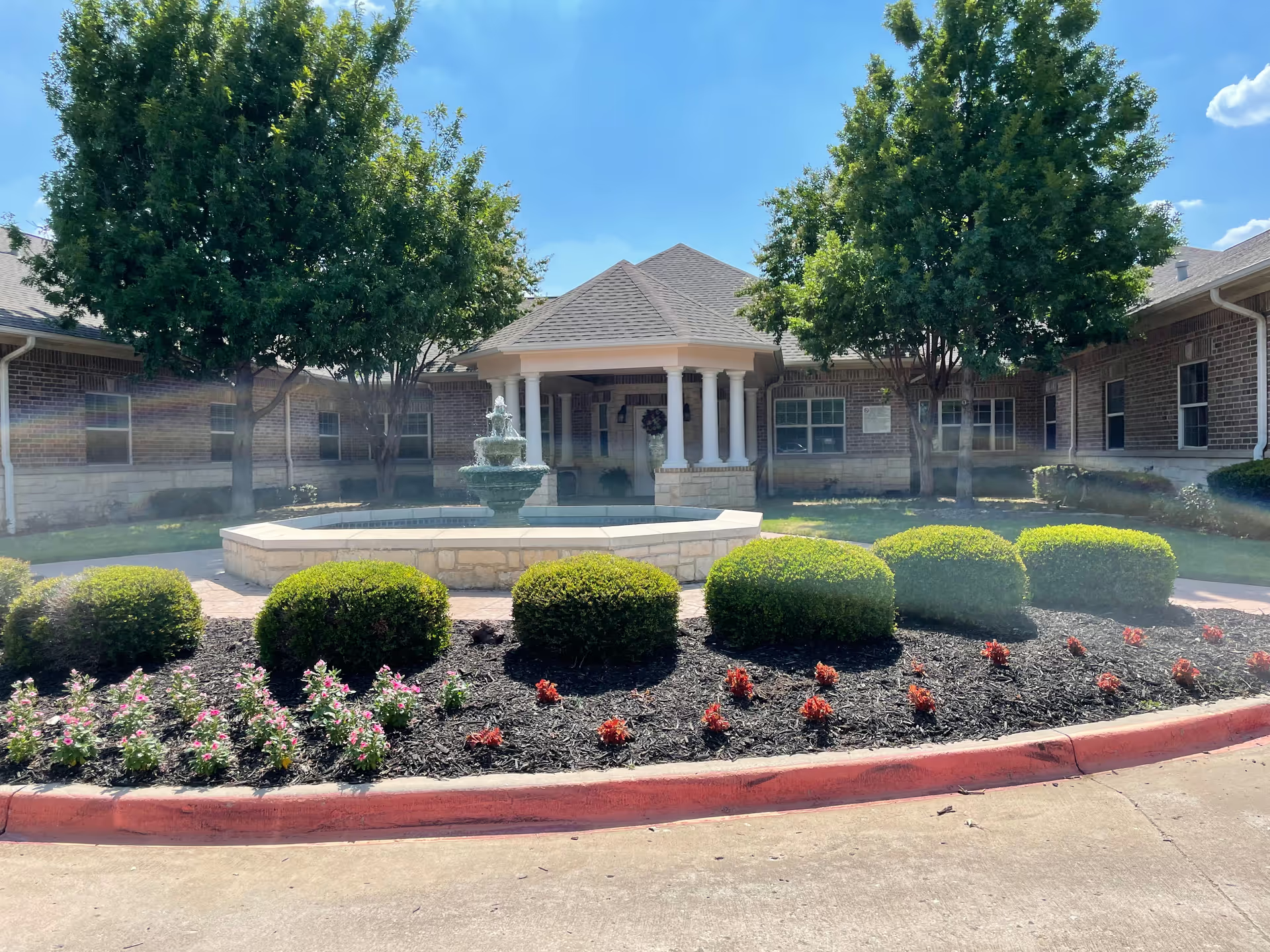
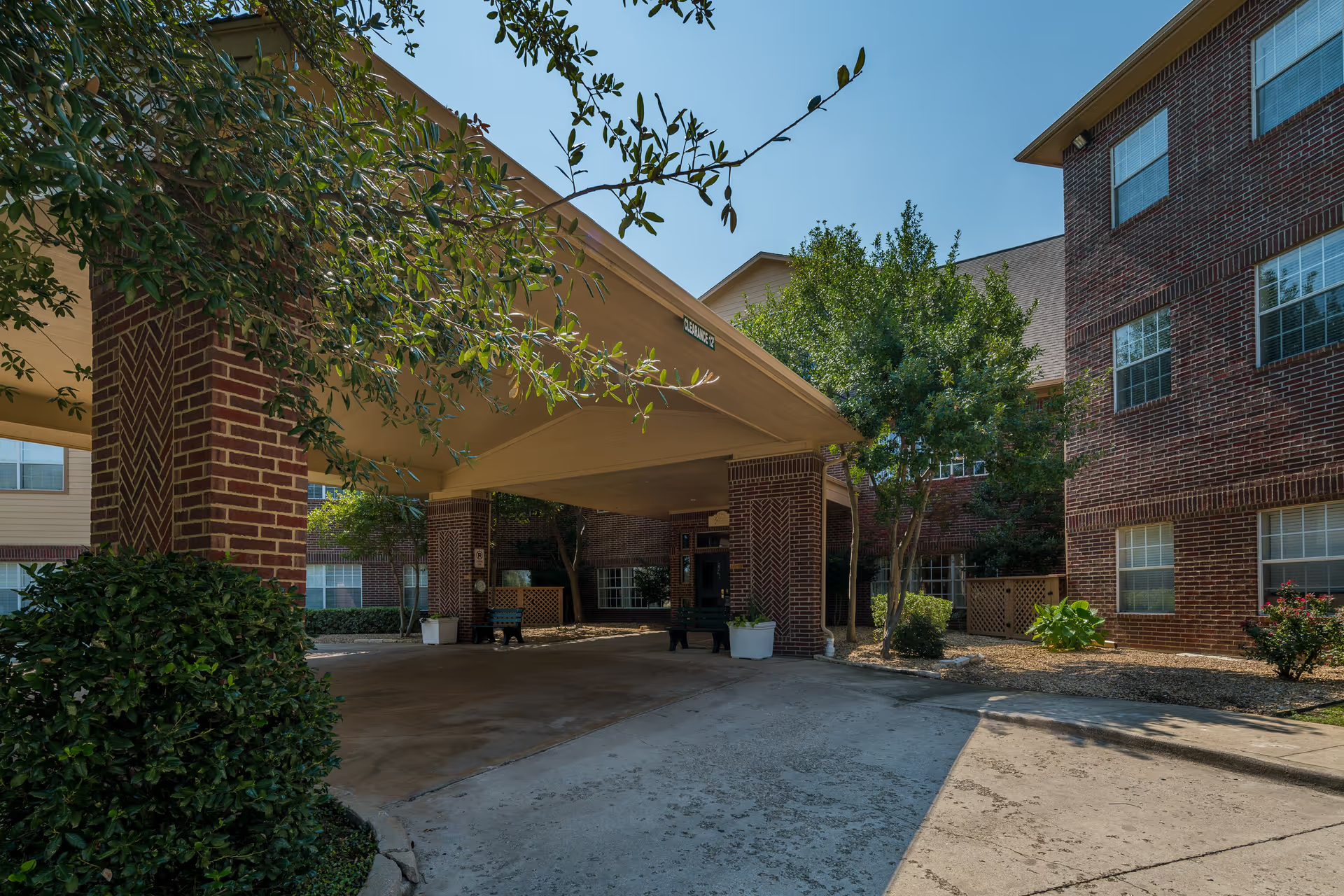
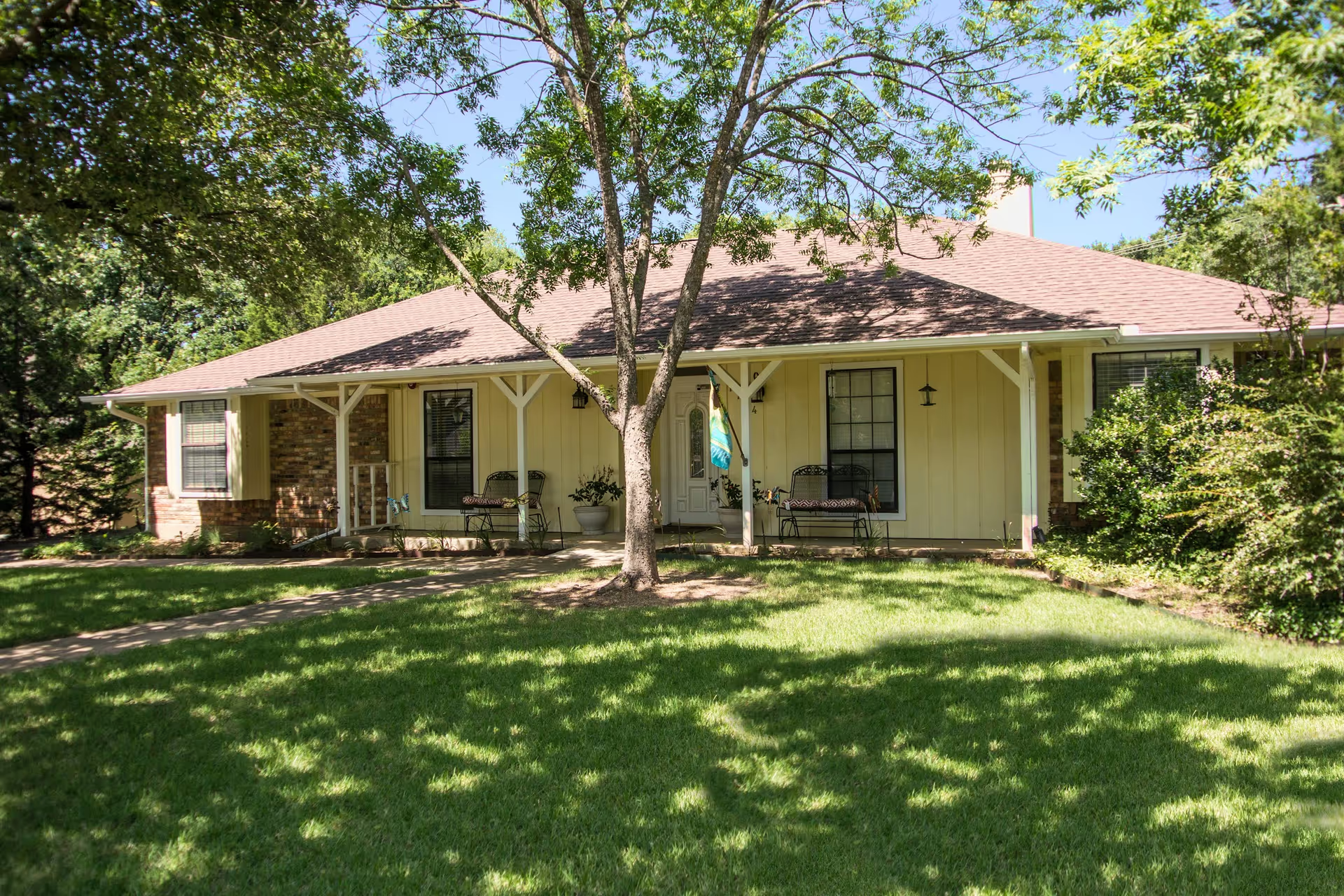
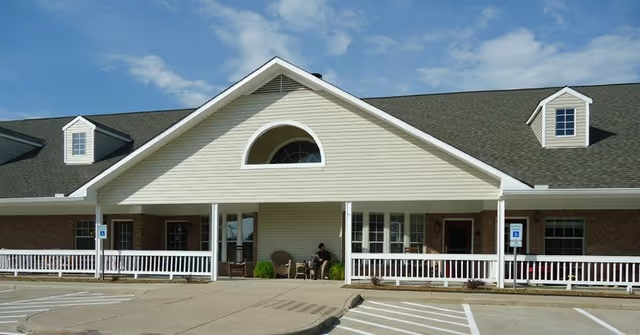
Pinewood Hills — Sky Active Living presents a mixed but largely service-oriented independent-living environment. Strengths repeatedly mentioned include a caring, attentive staff and a highly active social program led by engaged activities staff. The community offers many resident conveniences: on-site therapy (PT/OT), weekly housekeeping, transportation to appointments and shopping, salon and library amenities, exercise and movie rooms, and attractive landscaping with walking trails and courtyards. Apartment variety, patios or balconies in many units, ongoing interior renovations, and helpful front-desk/billing support are additional positive features that contribute to a welcoming atmosphere for many residents.
Care and staffing show a dual pattern. Several reviewers praised individual staff members, therapy services, and strong front-line responsiveness; others raised concerns about understaffing and schedule gaps, particularly on evenings and weekends, which have been associated with slower maintenance and housekeeping follow-through. Clinically, the community is described as independent living rather than assisted living; while day-time nursing presence, medication-aid availability, and therapy services exist, families should not expect a full assisted- or memory-care program on-site. Reviewers also highlighted a resident-acuity mix that at times places higher-care needs within an independent-living setting, which can affect communal expectations and service delivery.
Dining receives polarized feedback. Numerous residents appreciate talented cooks and generous portions, and some describe improved food at times. However, a recurring theme is inconsistent food quality and limited menu variety — including high-salt preparations and lower-cost protein selections cited by some — along with corporate-driven menu constraints. Operational dining concerns include compact meal schedules, crowded seating, brief meal periods, and limited continuous-dining options; accessibility during meals (for example, pressure on walkers to move quickly to tables) was also raised. Families prioritizing consistent, flexible meal service should assess current menus and dining rhythms during a visit.
Facilities and campus-level operations reflect both investment and variability. The grounds, landscaping, and many renovated interiors are commonly praised, and residents report an active, social community. Conversely, maintenance continuity has been inconsistent in places: laundry and appliance reliability, muddy or poorly drained exterior spots, and periodic housekeeping lapses were mentioned. A few reviews describe security and environmental-safety inconsistencies (for example, unlocked doors or limited exterior lighting), suggesting the need for prospective residents to confirm current safety protocols and incident-response practices.
Management and administration impressions are mixed. Some reviewers commend helpful leadership, a responsive billing team, and a proactive new executive director; others note declines after an ownership change, difficulty obtaining floor plans or rates during tours, or instances of unresponsive front-office behavior. Pricing perceptions vary — some find the community good value, others find it costly for the unit sizes offered. Prospective residents should directly verify contract terms, lease flexibility, and exactly which services are included.
Notable patterns: the strongest, most consistent positives are staff engagement, a robust activities program, and attractive outdoor/common spaces. The most frequent operational concerns relate to dining inconsistency, staffing and scheduling gaps, and variable maintenance/upkeep. Given the range of experiences, an in-person tour that includes a meal, observation of a programming period, and conversations with current residents — plus direct questions about staffing levels, security measures, dining policies, and clinical-service scope — will provide the clearest sense of fit for individual needs.