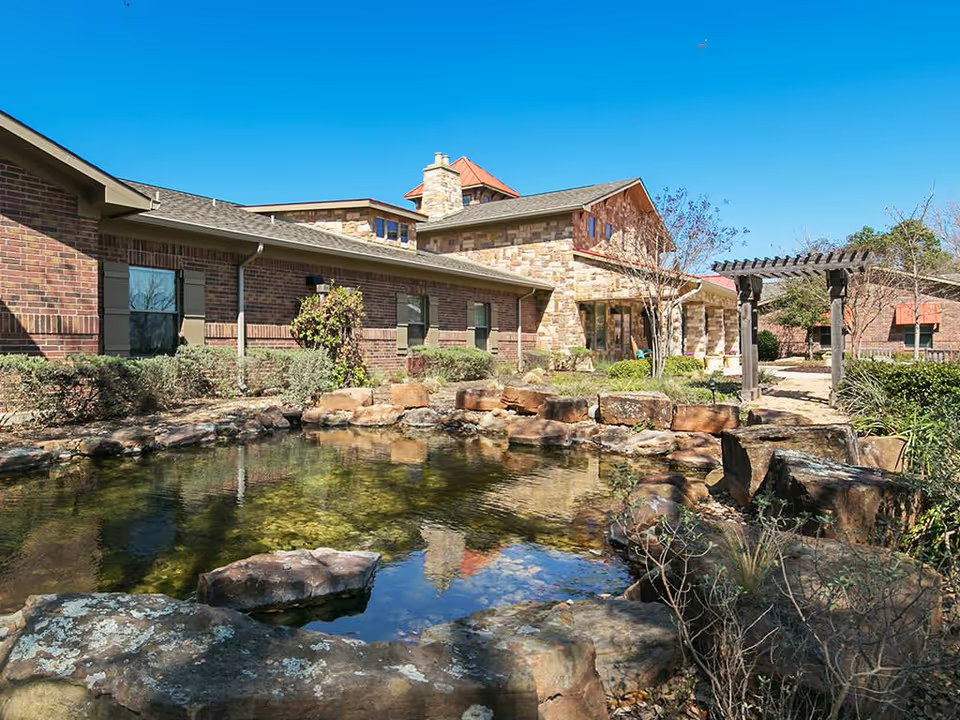
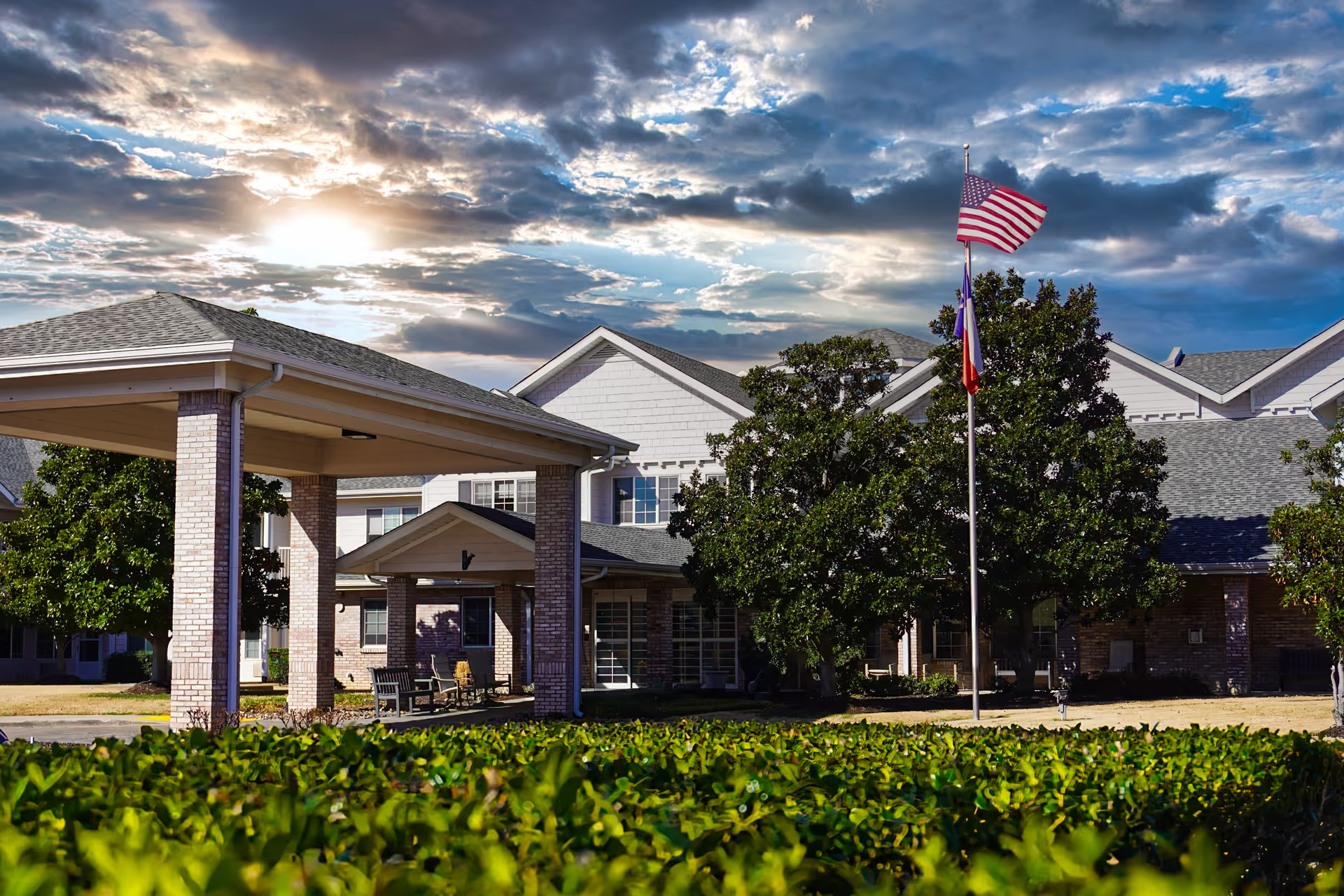
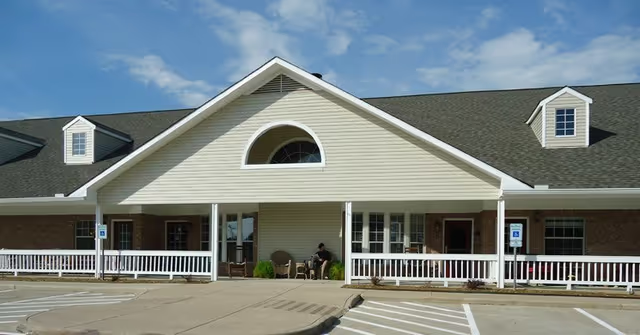
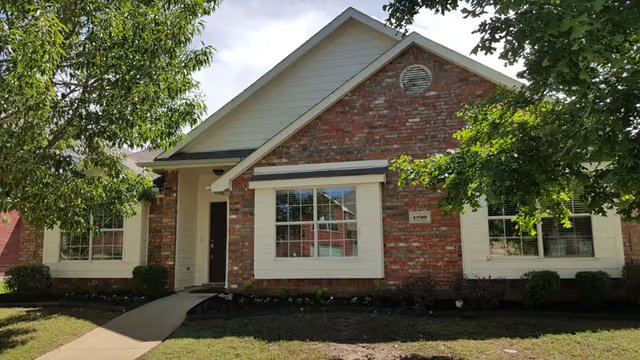
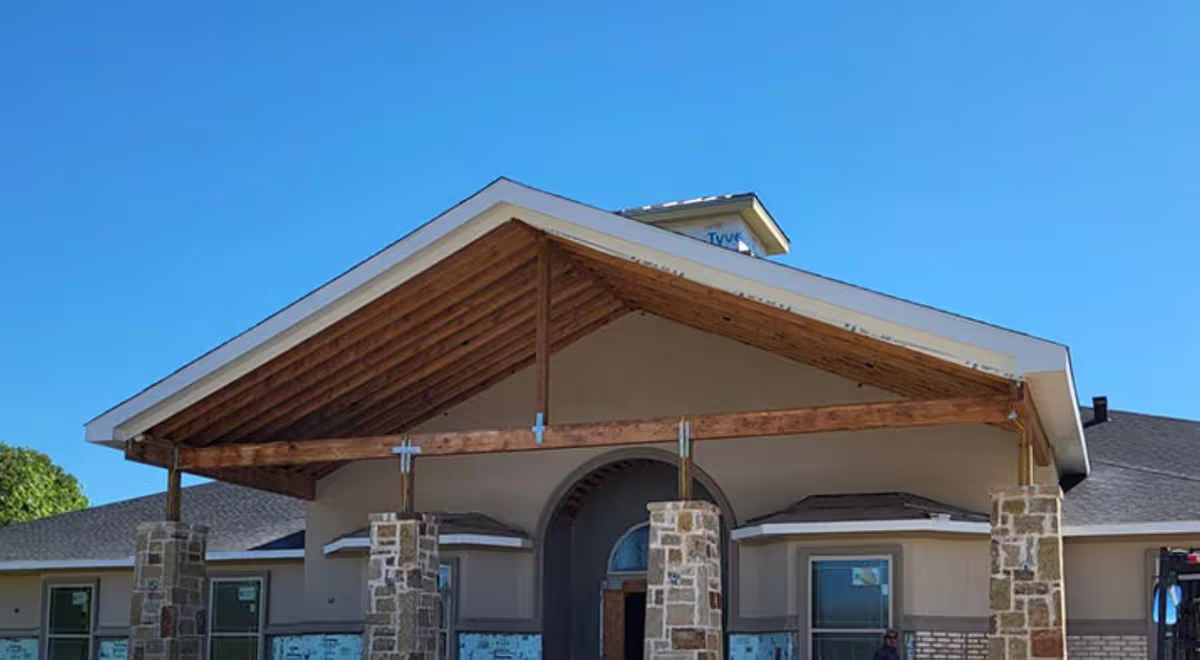
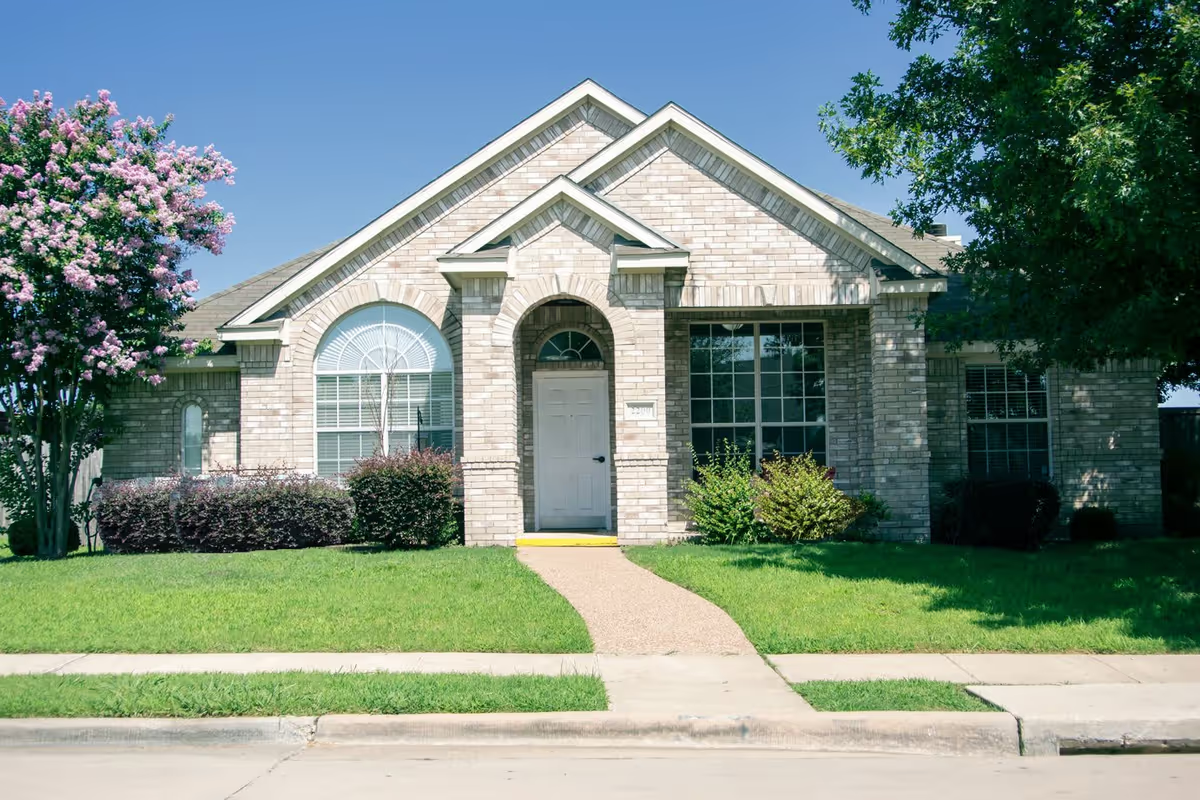
Magnolia Assisted Living and Memory Care presents as a well-appointed, small-to-medium sized community with several clear strengths and some operational weaknesses families should weigh. Physically, the property receives consistent praise: reviewers describe updated, attractive interiors and exteriors, a pleasant courtyard and garden, comfortable private rooms, and multiple common-space amenities such as a library, lounges, activity centers, and a formal dining area. Cleanliness and maintenance are commonly noted as positives, and the facility’s scale appears to support a home-like environment for many residents.
Clinical and day-to-day care aspects are mixed but tilt positive in aggregate. The community is repeatedly identified for its memory-care expertise, with many families crediting staff and clinical presence — including a nurse on duty — for measurable improvements in residents’ eating, alertness, communication, and overall quality of life. Numerous accounts highlight compassionate, patient caregivers and leadership that forms genuine relationships with residents; several staff members are singled out as highly effective and advocacy-driven. At the same time, reviewers raise facility-level concerns about inconsistent staffing levels, especially across certain shifts, which reviewers link to delays in assistance, supervision gaps, and uneven responsiveness.
Dining and programming are frequently cited as strengths. The facility offers regular, home-style meal service and several reviewers praised the quality of the food and timely service; a named cook received positive mention. Activity programming is another recurrent positive: residents reportedly benefit from entertaining, mind-stimulating, and spiritual activities (including aromatherapy), and the calendar appears robust with staff-led options that foster social engagement. However, a subset of families reported variability in food quality and that not all residents are equally encouraged to participate in activities, suggesting uneven implementation in operational practice.
Management, communication, and administrative processes are the primary areas of concern. While some families commend leadership for listening and responding to suggestions, others describe impersonal management, high turnover, unreliable telephone communications, and limited 24/7 on-call coverage. These operational gaps have been associated in reviews with billing and price-quote discrepancies, inconsistent follow-up after incidents, and loss or mismanagement of personal items (laundry/property). A small number of reviewers also raised concerns about staff professional boundaries; these comments point to the importance of clarifying expectations and oversight during admissions and care planning.
Overall, Magnolia appears to offer strong memory-care programming, a clean and attractive environment, and many dedicated caregivers who positively impact resident well-being. Prospective residents and families should verify current staffing patterns and on-call arrangements, request written, itemized pricing and billing policies, review supervision and incident-response protocols, and ask for specific examples of activity engagement for residents with similar needs. These targeted questions can help families balance the facility’s clear strengths against the operational inconsistencies described in several reviews.