AvilaCare Memory Care of Lewisville is consistently described as a small, home-style memory care household with an emphasis on personalized, dementia-focused attention. Families emphasize the facility’s intimate scale (around 16 residents), which supports a high staff-to-resident ratio, frequent one-on-one interaction, and a family-like atmosphere. Staff are characterized as compassionate, experienced in dementia care, and steady over time; this continuity is cited as a core strength that helps residents form relationships and maintain routines.
Care quality is portrayed positively overall. Reviewers note a person-centered approach: staff assist with daily activities, encourage exercise and rehabilitation (for example, walker use), and support grooming and social routines such as hair styling and nail care. Monthly visits from a nurse practitioner provide periodic clinical oversight, and ownership is described as accessible and helpful with administrative matters such as benefits coordination. Several accounts emphasize end-of-life support and a degree of clinical attentiveness appropriate for advanced memory-care needs.
Dining and household operations lean toward a residential model. The facility has a central kitchen that prepares home-style breakfasts and a large dining area used for meals and group activities like sing-alongs. Multiple reviewers praised the cleanliness and well-kept communal spaces. The household routine includes crafts, baking, folding-laundry activities, holiday and birthday celebrations, and structured exercise groups—programming that promotes engagement and social interaction within the facility.
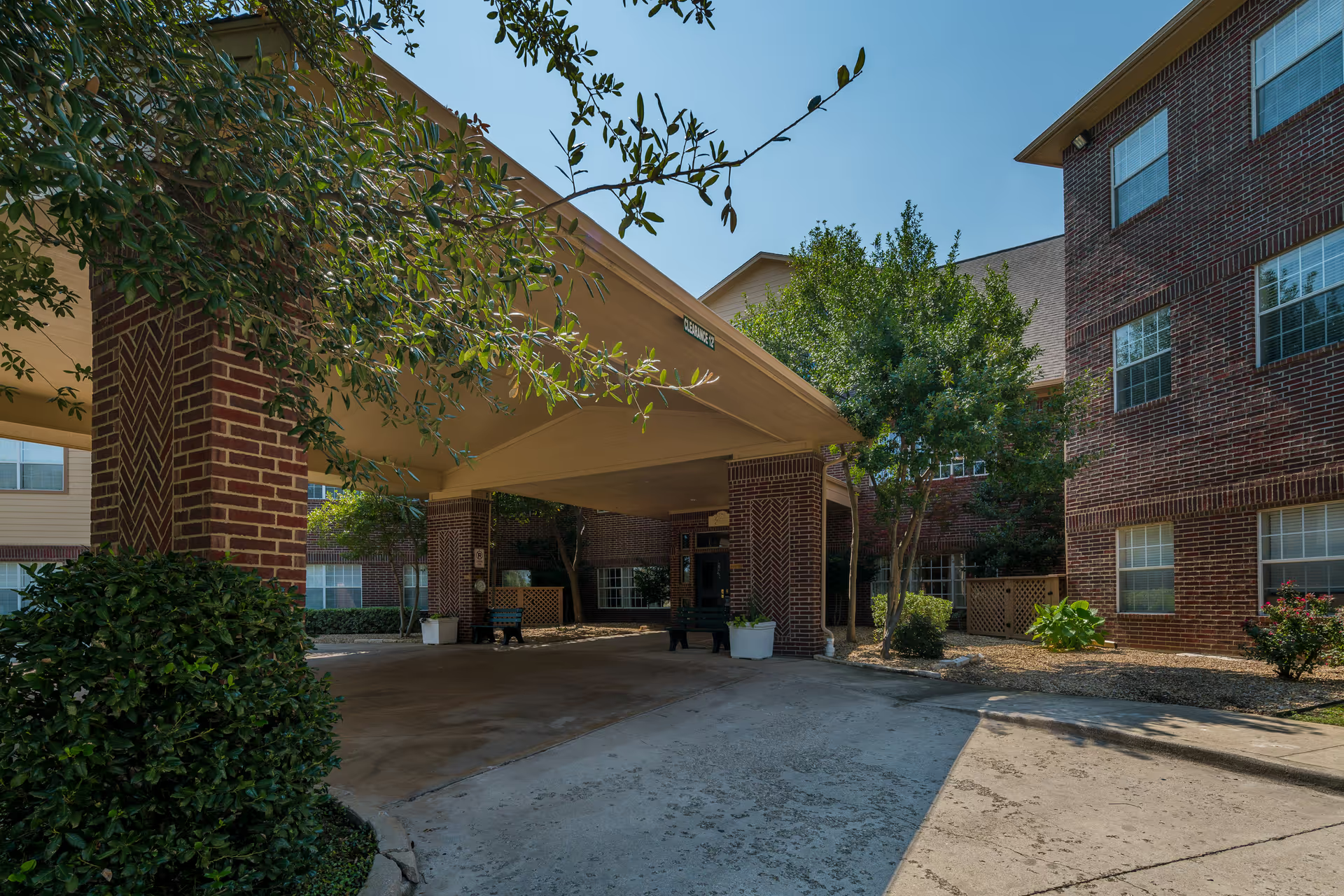
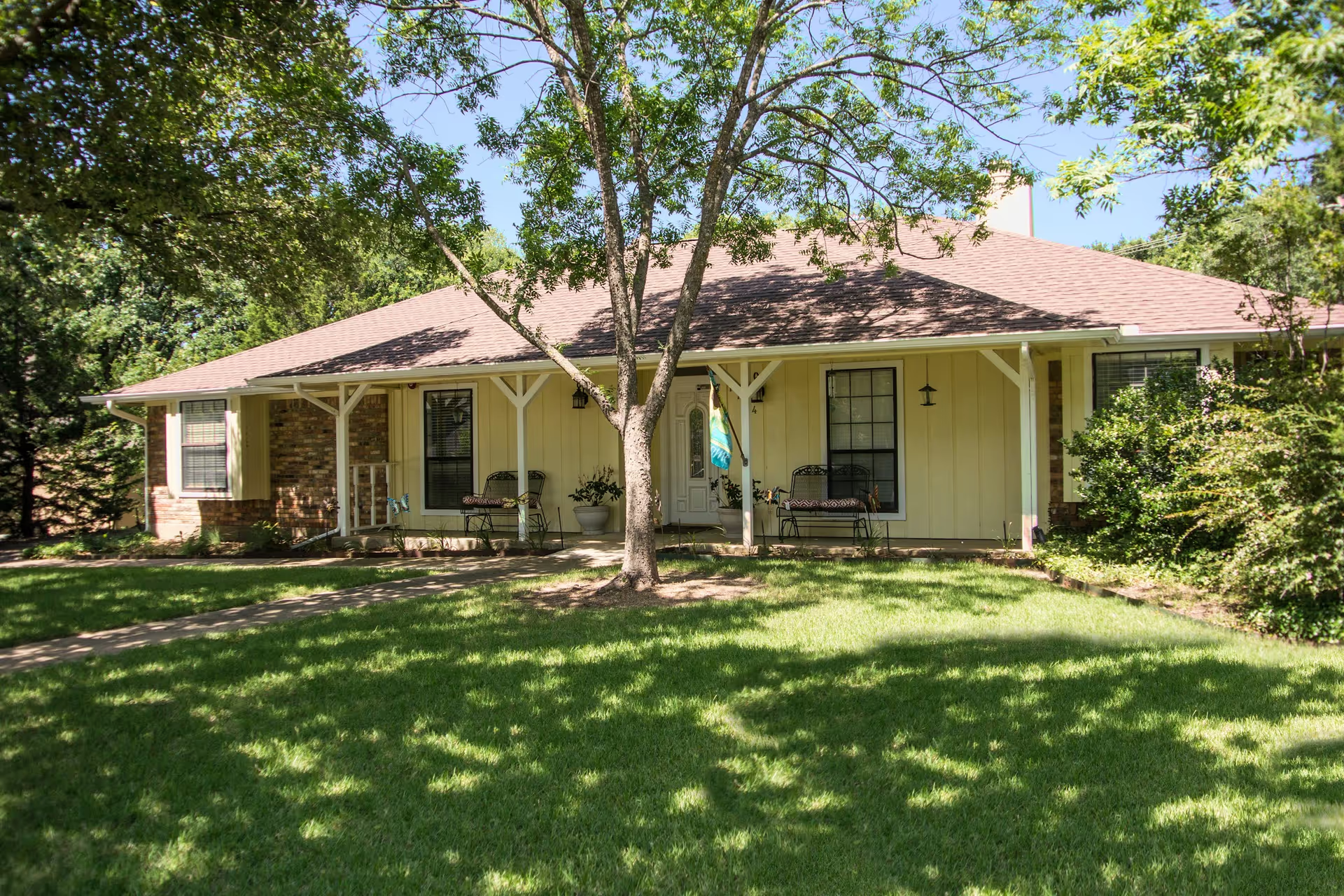
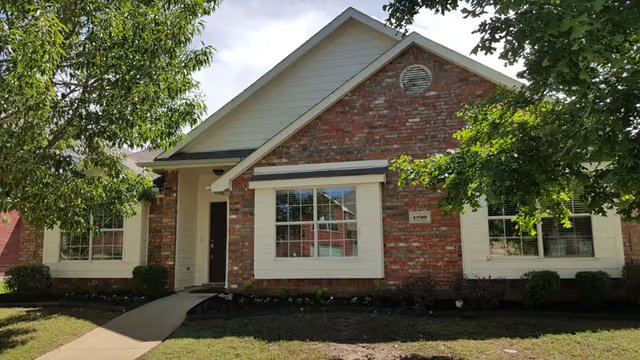
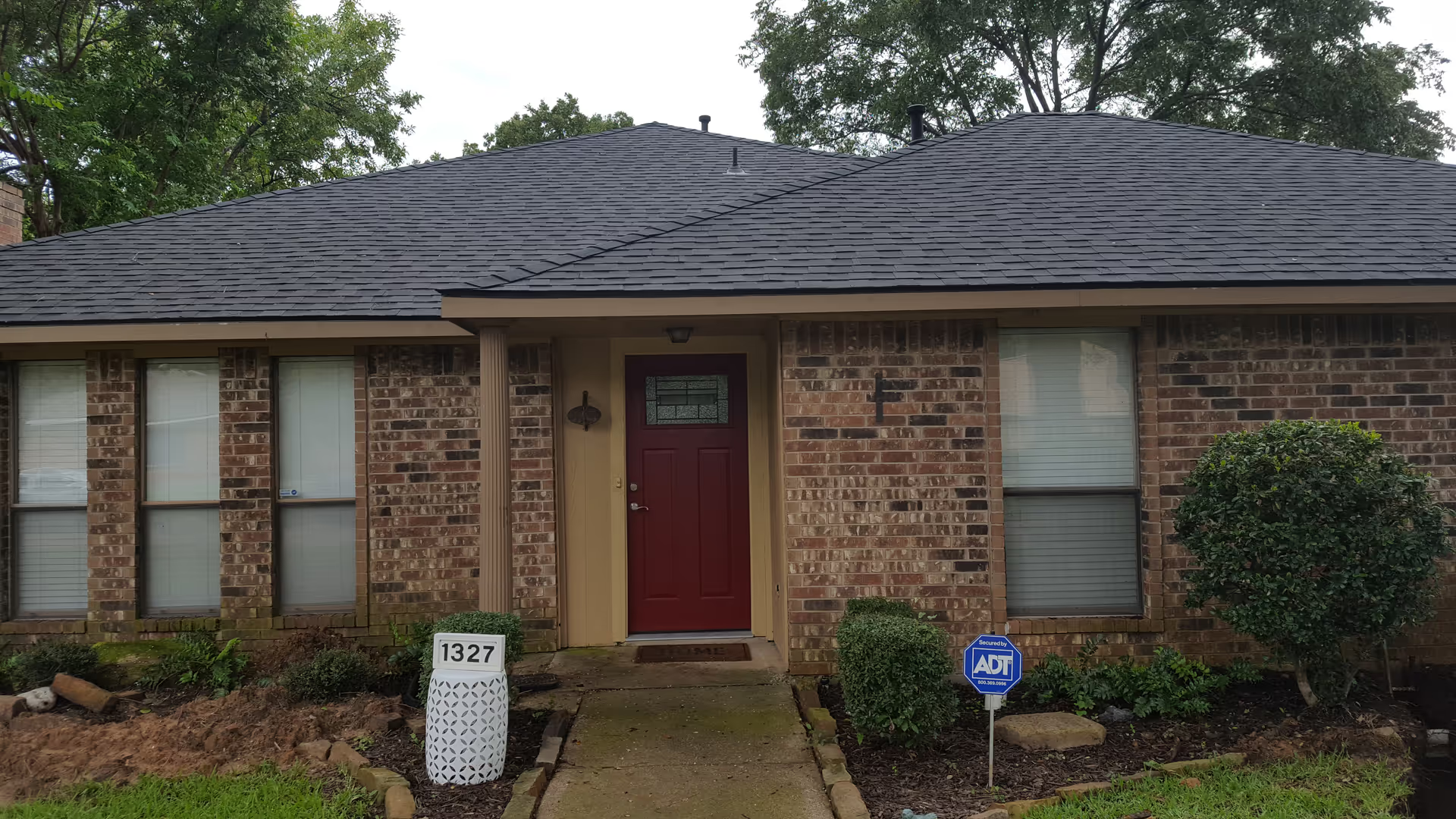
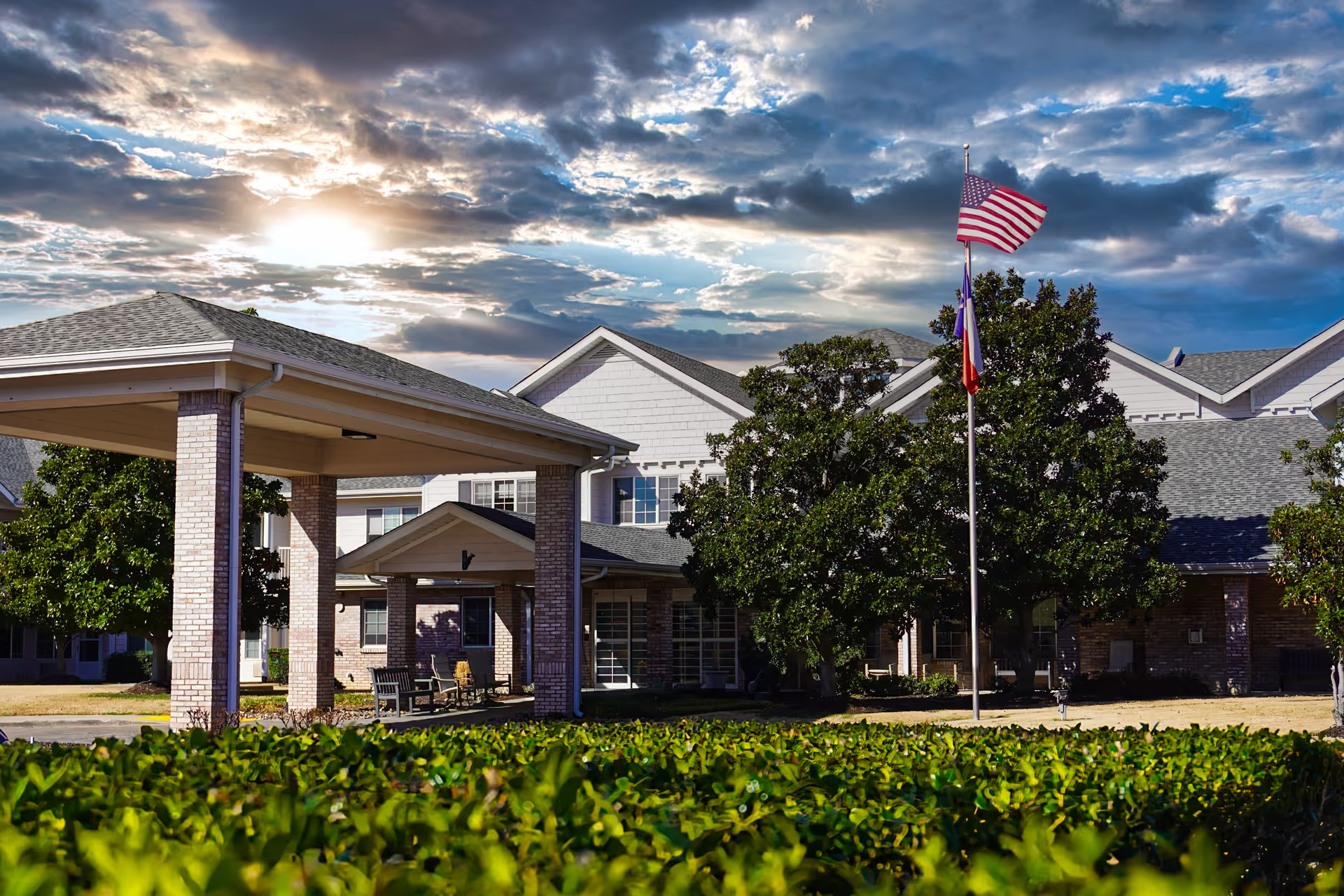
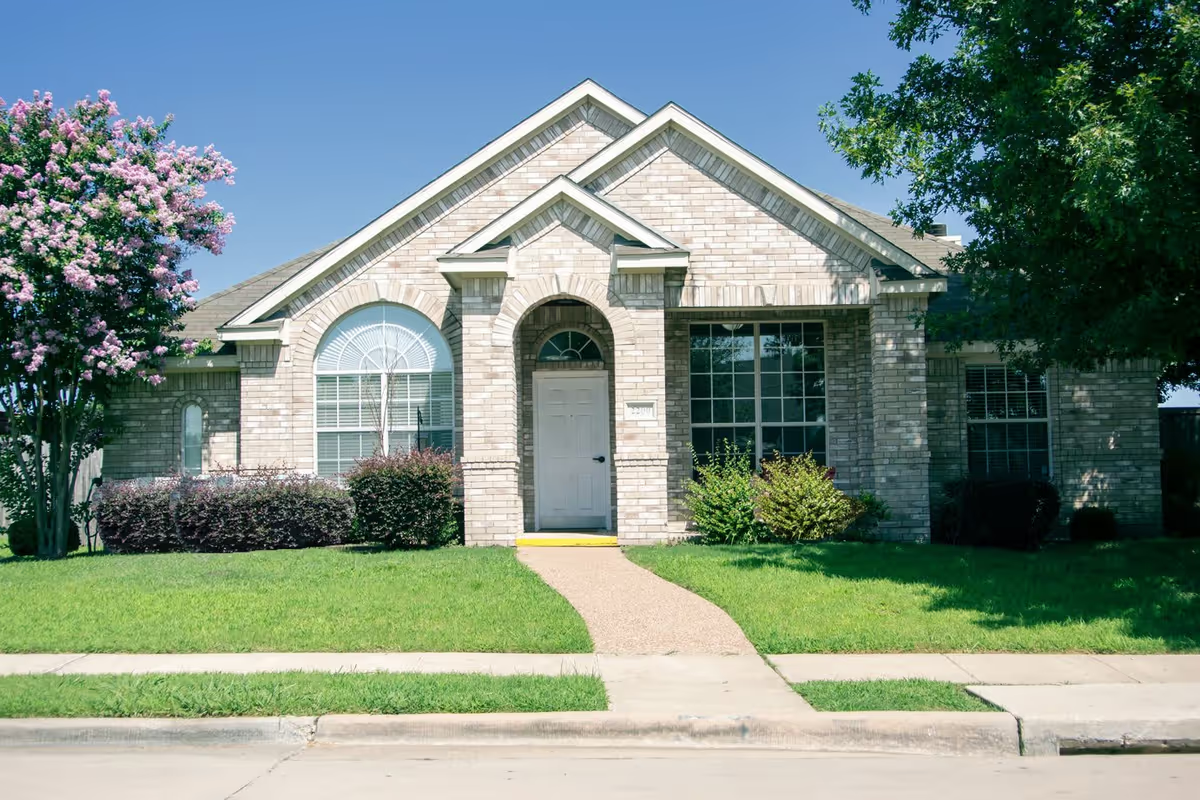
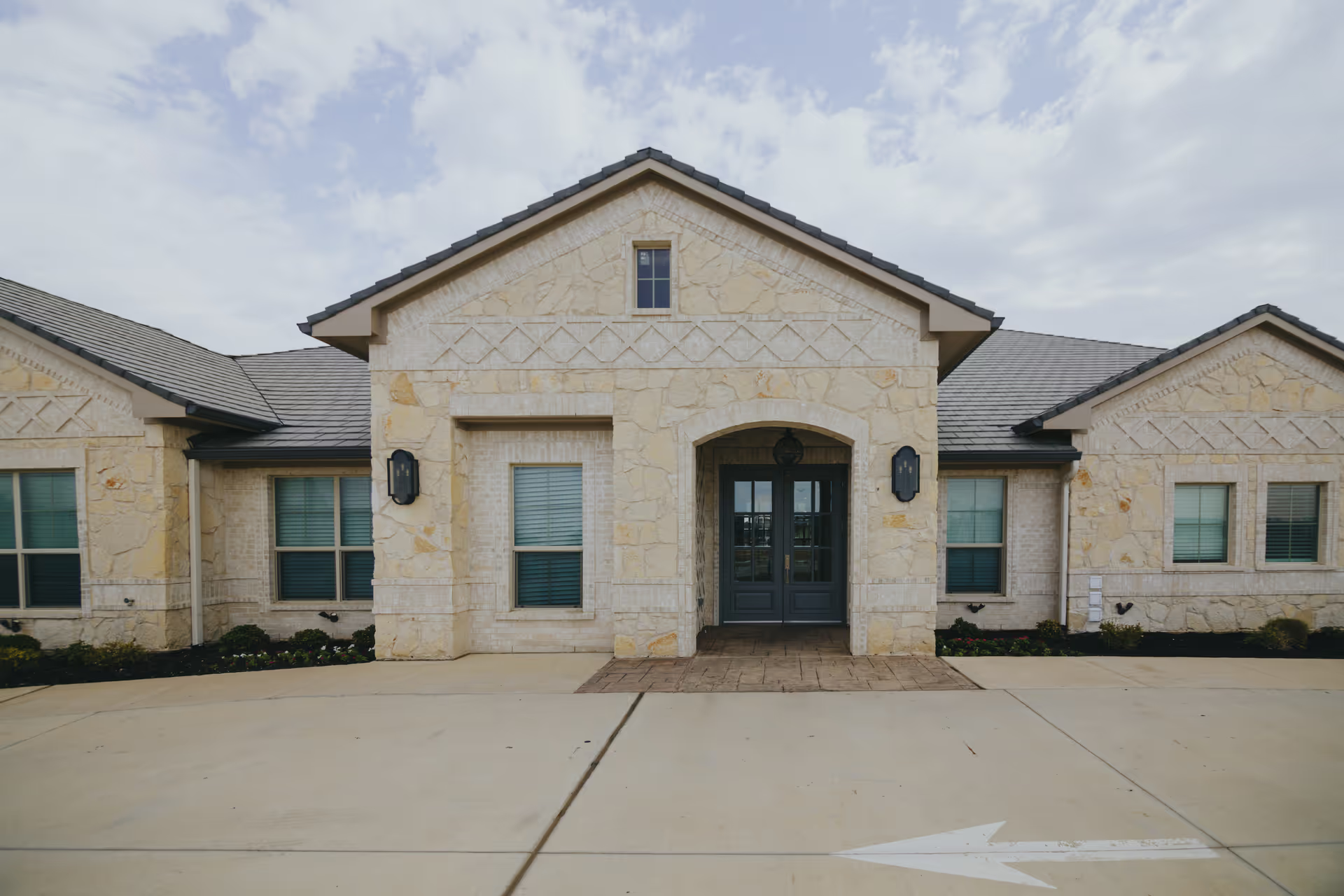
Facilities and amenities reflect the home-like scale: rooms are described as adequate and the interior quaint, but the building is older and more residential than institutional. Outdoor space is limited and there is no on-site gym. A notable operational limitation is the absence of resident transport and routine off-site outings; families who value frequent external excursions should account for this. The small capacity contributes to a waiting list and can limit immediate availability.
Management and admissions present a mixed picture. Ownership is generally described as responsive once engaged, and there has been an ownership transition with cosmetic updates in progress. However, a few families experienced inconsistencies during intake—misdirection to other facilities or uneven care-plan assessment at admission—indicating room to standardize admissions communication and initial care planning. Clinical services appear to be periodically available through visiting providers rather than an extensive on-site medical team.
Overall patterns: the facility’s strengths are its intimate, consistent, and compassionate caregiving model and its dementia-focused, activity-rich household routines. The primary trade-offs are scale- and amenity-related: limited capacity, older home-style facilities, constrained outdoor space, and no resident transport. Prospective residents and families seeking close, family-oriented memory care with strong day-to-day engagement are likely to find this setting appropriate; those needing frequent off-site programming or more extensive on-site clinical resources should evaluate whether the facility’s limited transport and clinical footprint meet their needs.