Overall impression: Feedback about Country Meadows Nursing & Rehabilitation Center is strongly polarized. A substantial body of comments highlights compassionate, stable staff and positive clinical outcomes—especially in rehabilitation—while another set of comments raises operational and safety concerns that families should evaluate closely. The facility elicits both high praise for individualized, family-like care and serious questions about consistency in basic processes.
Care and clinical quality: Many families praised direct-care staff as attentive, nurturing, and consistent, noting long-tenured personnel and positive therapy outcomes for procedures such as joint replacements. At the same time, reports indicate variability in clinical processes: extended nurse response times, inconsistent speech-therapy effectiveness, and gaps in medication handling and hygiene controls. These contrasts suggest that while clinical strengths exist, execution and reliability of basic clinical tasks vary across shifts or units.
Staffing and staff conduct: Reviewers repeatedly mention dedicated, experienced caregivers and specific staff members who provide strong personal attention. However, there are recurring concerns about understaffing and coverage that appear to affect response times and supervision. Separate, serious claims include privacy-protocol lapses and an allegation involving involuntary restriction; those items represent high-severity issues that warrant direct inquiry with management and regulators when being considered.
Dining and dietary services: Evaluations of food are mixed. Several families described good meals and responsive dietary staff, whereas others described inconsistent food quality, meals served at unfavorable temperatures, and insufficient accommodation of special diets. Prospective families should confirm current menu practices, meal-service timing, and the facility’s process for implementing dietary restrictions.
Activities and engagement: Positive comments portray a welcoming, home-like social environment with staff who foster resident interaction. Conversely, some reviewers characterized programming as limited in variety (for example, a reliance on simple group activities). The pattern suggests activity offerings may be adequate for some residents but lack breadth for others; ask for a current activity calendar and how programming is individualized.
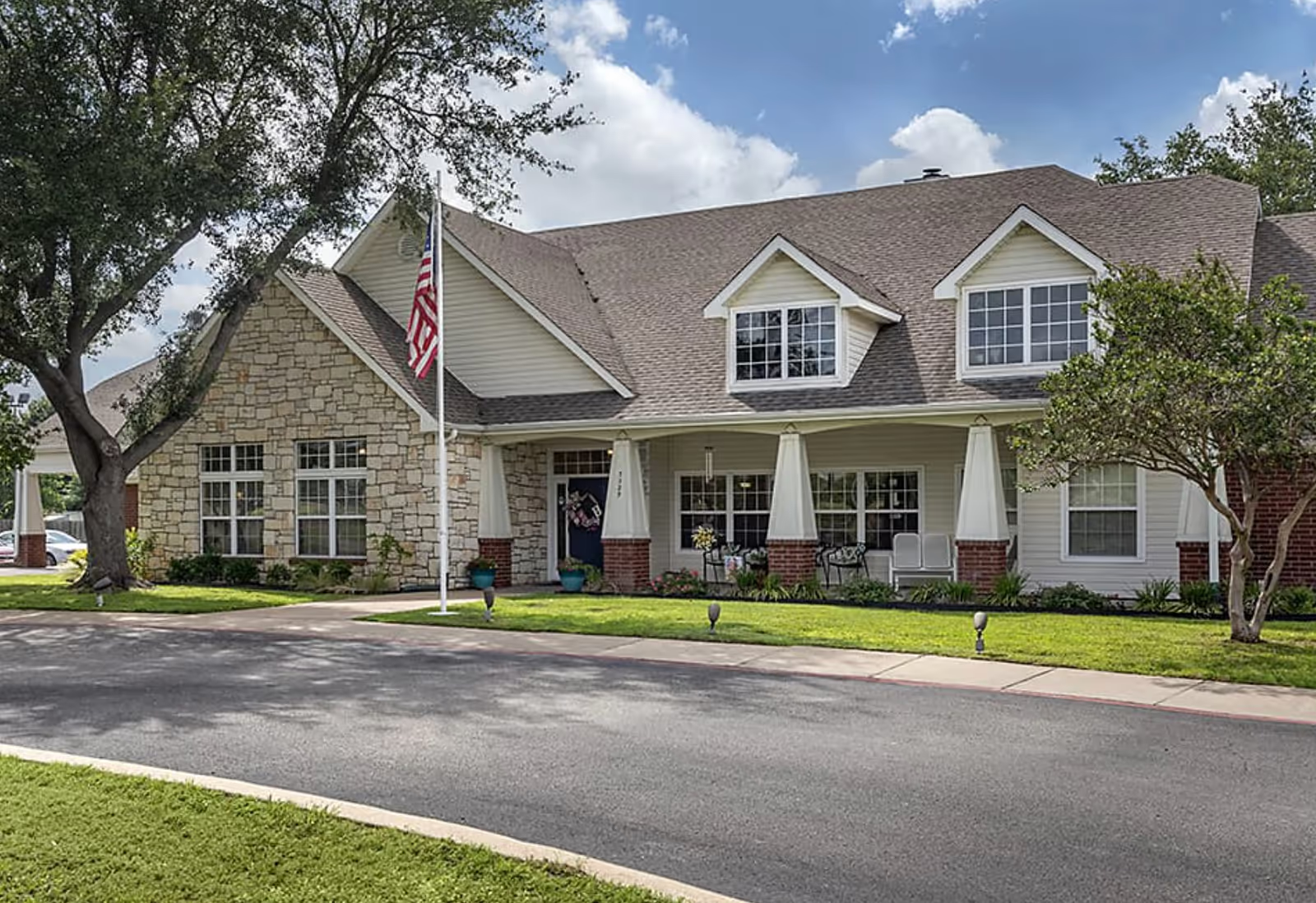
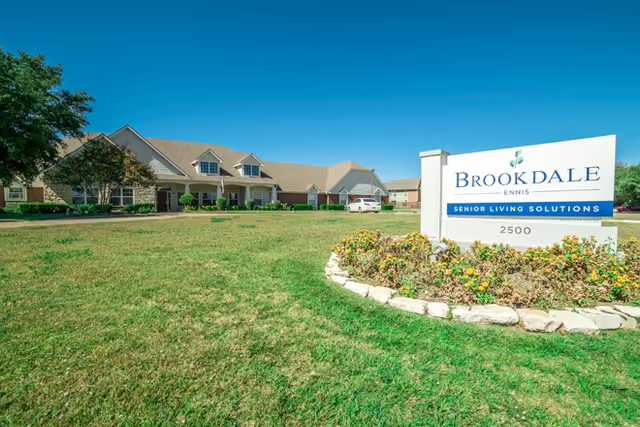
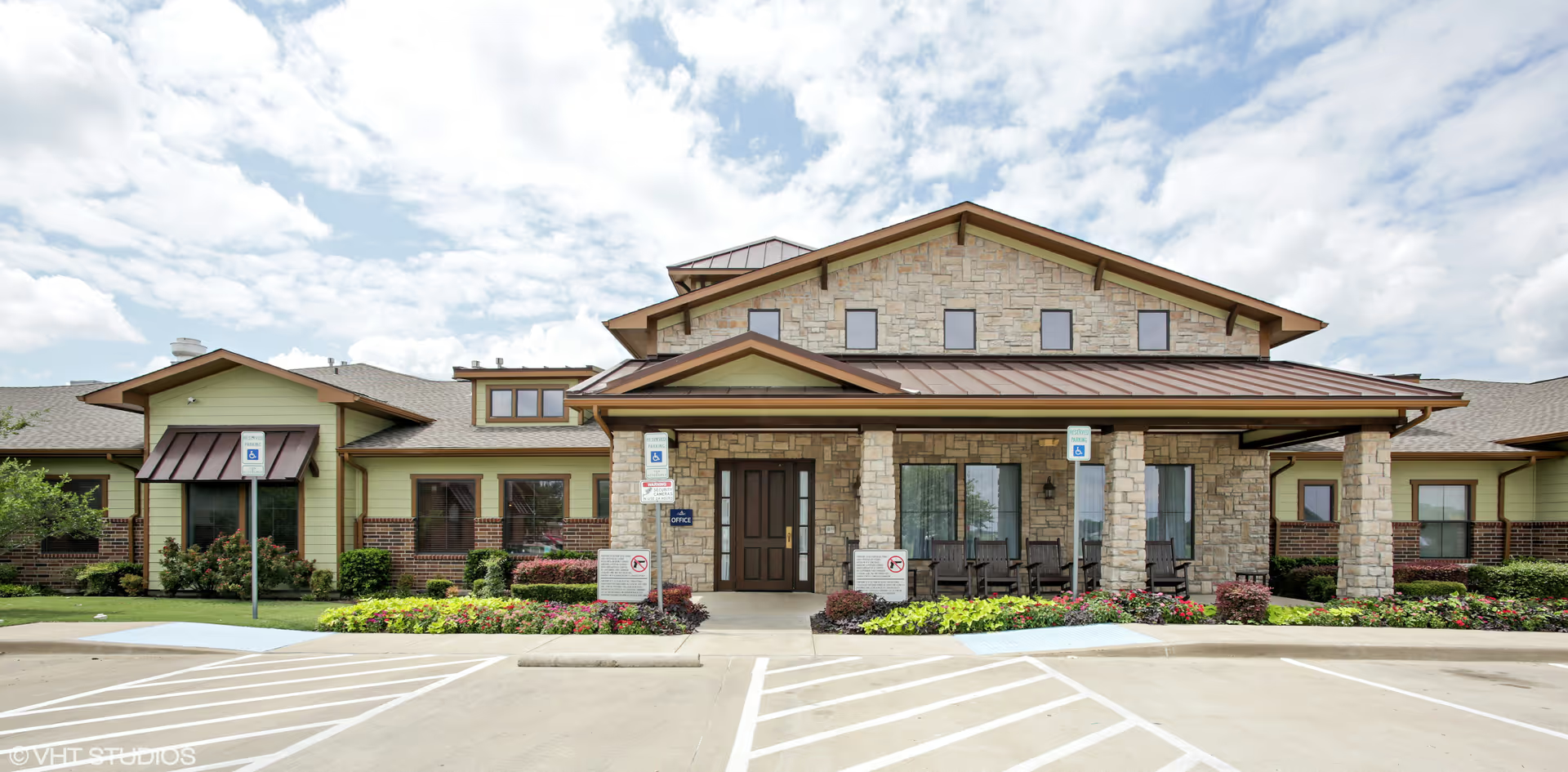
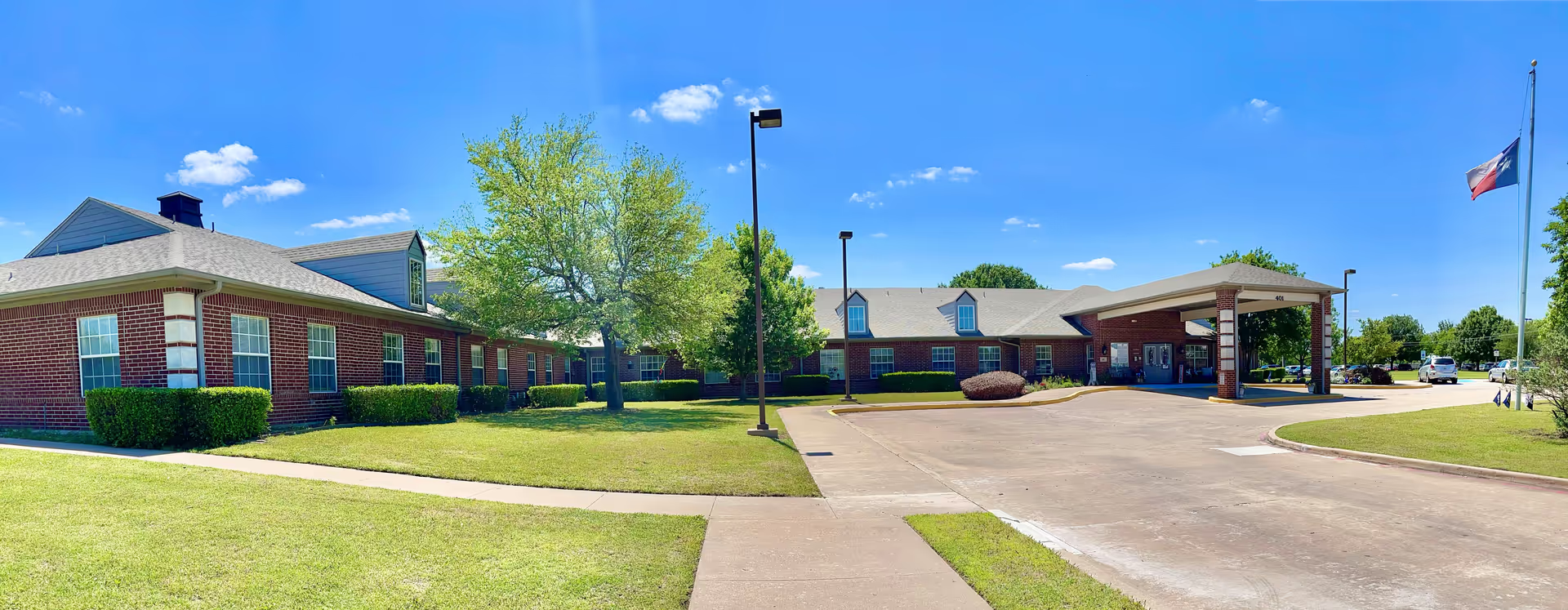
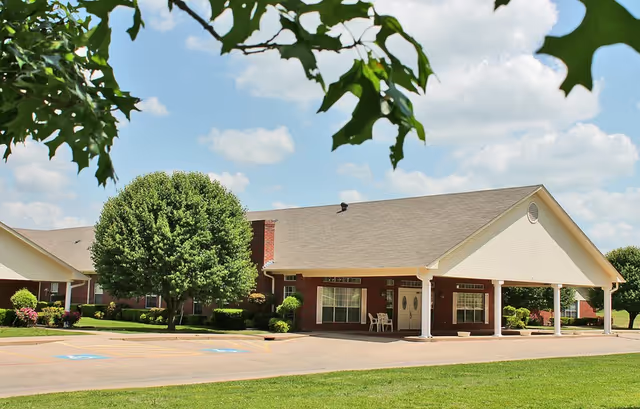
Facilities and maintenance: Many reviewers describe a clean, bright facility with active housekeeping on the units. Yet, there are isolated but significant maintenance and environmental concerns—odor issues in some common areas, difficulties with call-light reachability, and equipment problems affecting assistive devices. These items indicate uneven facility maintenance and environmental controls.
Management and communication: Leadership received praise from several families for effective, personable management and strong departmental leaders. At the same time, other comments point to inconsistent communication, privacy-protocol lapses, and unresolved ethical or safety concerns. This mix indicates variability in administrative follow-through and complaint resolution processes.
Notable patterns and considerations: The most consistent strengths are long-tenured caregivers, strong interpersonal rapport with residents, and positive rehabilitation outcomes for many. The most important areas for further inquiry are staffing consistency, medication- and hygiene-control procedures, response times, dietary implementation, activity variety, and any formal documentation related to serious ethical or rights-related allegations. Prospective residents and families should tour the facility, request current staffing ratios, review incident/complaint resolution procedures, and observe mealtimes and activity sessions to assess whether the facility’s strengths align with their expectations and care needs.