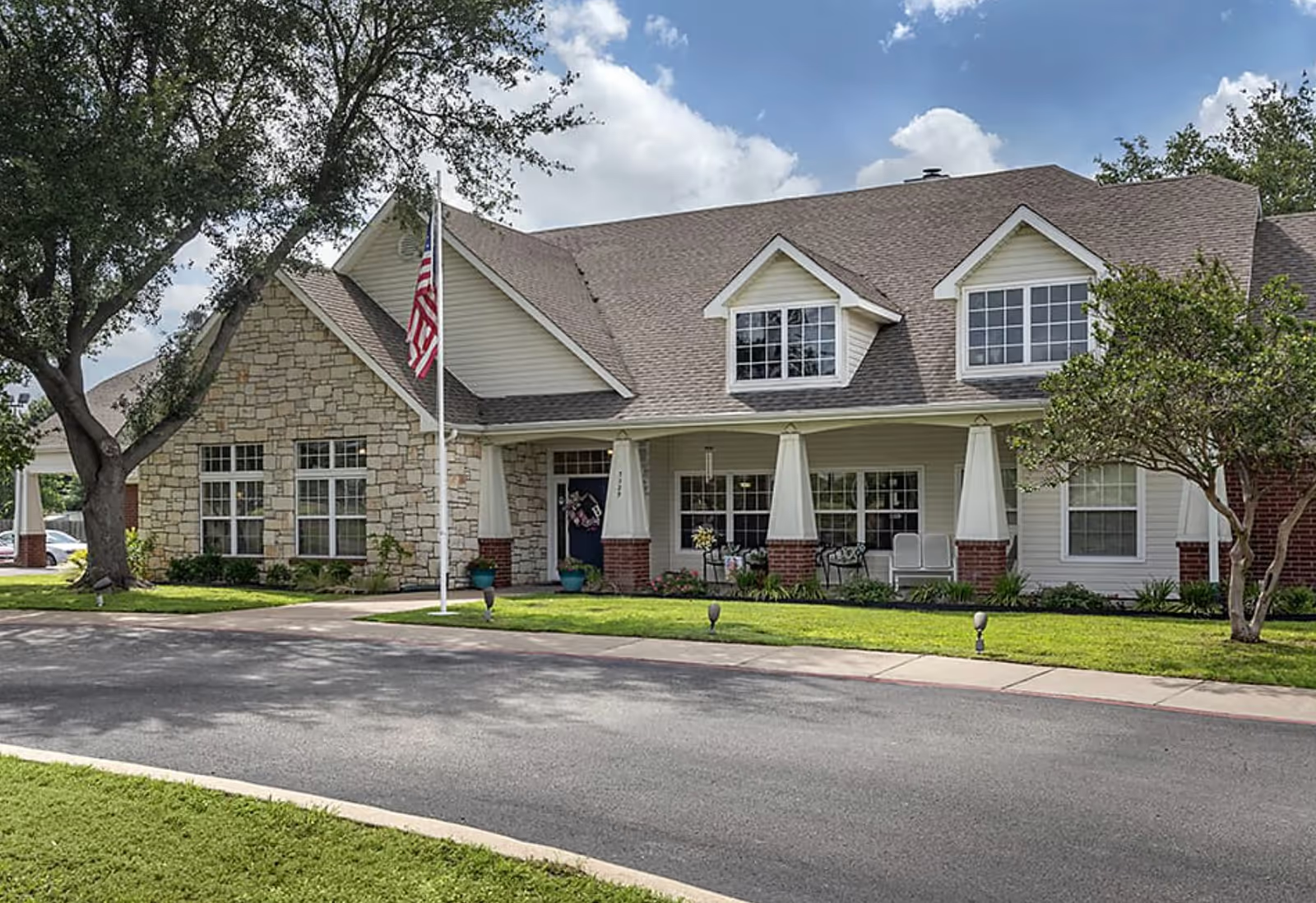
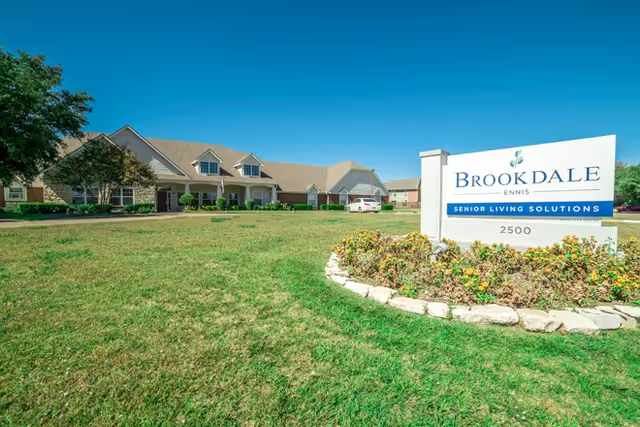
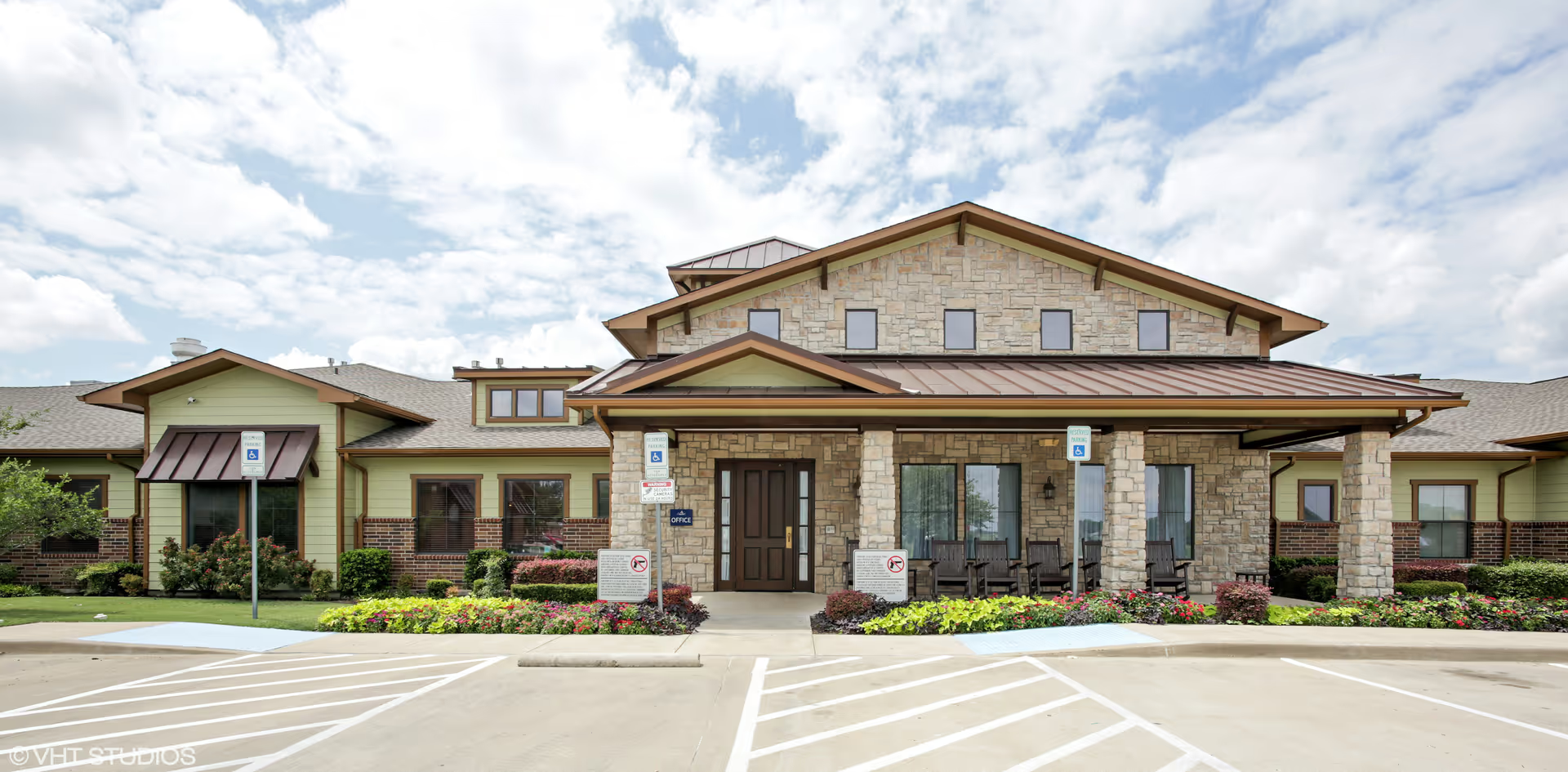
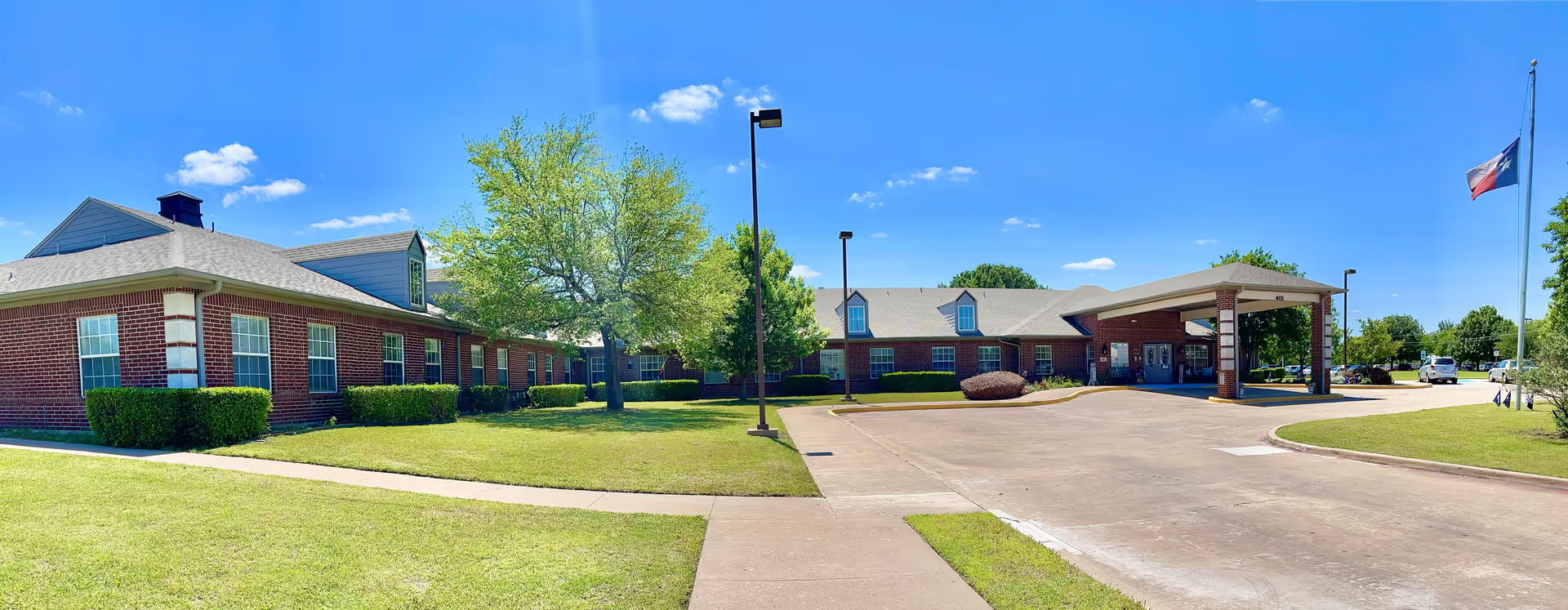
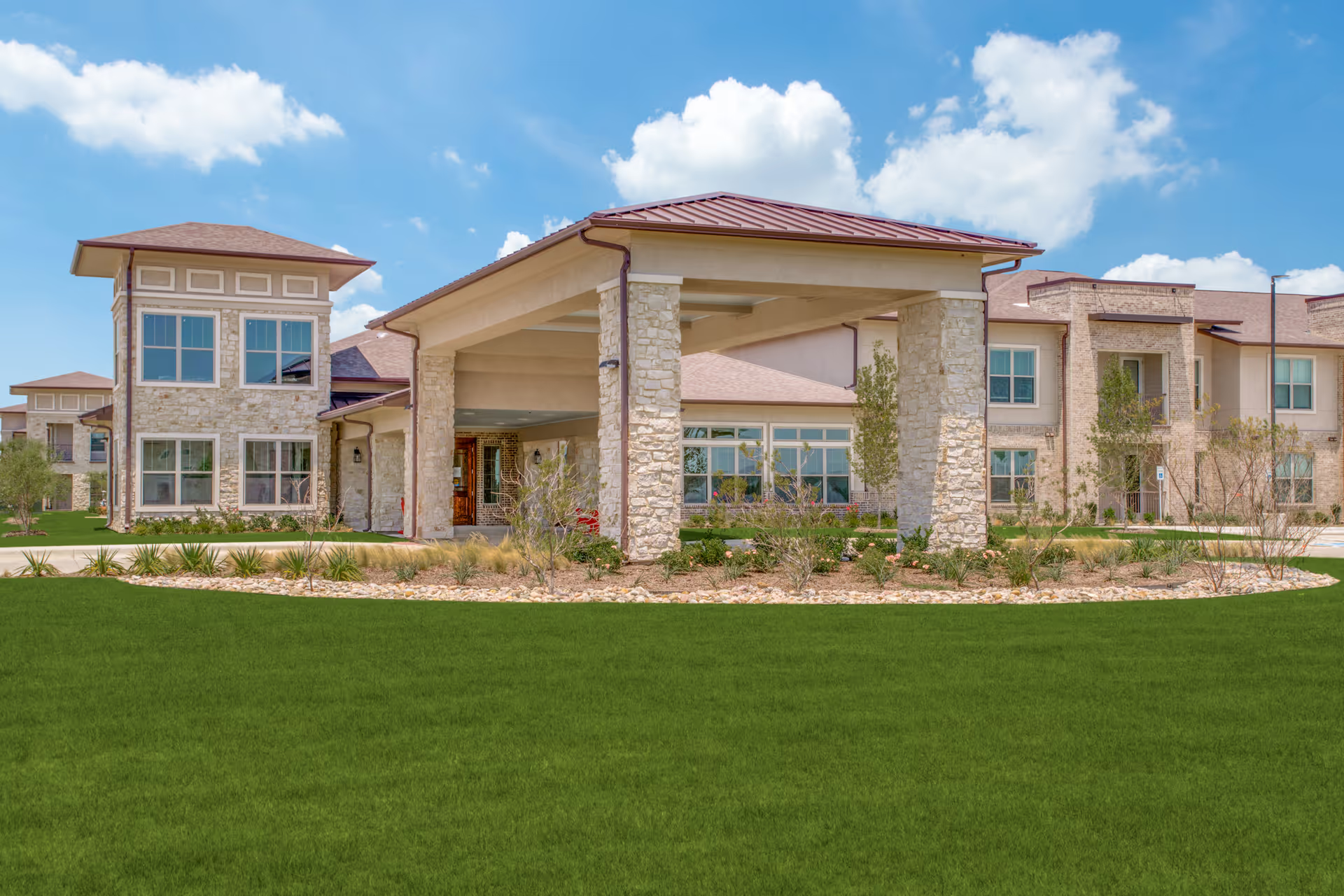
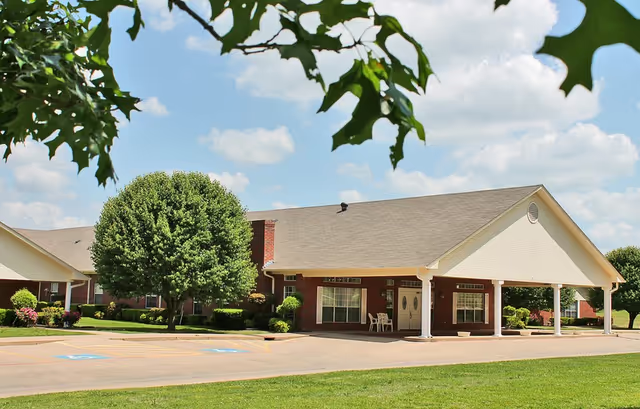
The Village at Heritage Oaks presents as a recently renovated, visually appealing campus offering a full continuum of care — independent living cottages, assisted-living apartments, skilled nursing, short-term rehabilitation, and long-term care. Many reviewers praise the physical environment: large, well-appointed apartments and townhomes, private bathrooms with in-room showers, clean common areas, and a layout that supports social engagement. The facility’s therapy program and short-term rehab services are consistently highlighted as strengths, and the campus benefits from proximity to a hospital and an organizational emphasis on allowing residents to age in place.
Care quality and staff performance show a mixed but largely positive pattern. Numerous comments emphasize compassionate, knowledgeable, and helpful caregivers and therapists, with staff who go out of their way to explain care plans and engage residents in activities. Reviewers commonly describe a family-like atmosphere, proactive care coordination during admission and discharge, and a strong therapy team that delivers measurable rehabilitation outcomes. At the same time, there are recurring concerns about inconsistent staff behavior and responsiveness: some families describe unprofessional conduct, variable bedside manner among nursing staff, and instances of poor communication when clinical incidents occur.
Dining and kitchen operations are an area of variability. Several reviewers note that meals were once very good but declined after management changes; others report occasional kitchen turnover and a problematic food-service employee. This pattern suggests inconsistent meal quality tied to staffing and management stability rather than a uniform program failure. Activity programming is a consistent strength — craft activities, games, movies, church, and an active social calendar are frequently mentioned as contributing positively to resident life.
Administrative practices and transparency are notable concerns. Reviewers describe billing and documentation weaknesses, including administrative errors and billing irregularities; there are even allegations of unauthorized billing and questions about end-of-life procedures in isolated accounts. Communication with families after incidents has been identified as an operational gap, with some families experiencing unresolved issues. Financial-administration limitations are also present: transitioning to Medicaid when resources are exhausted appears to be difficult for some residents.
Facility operations show both strengths and areas needing attention. Maintenance and safety are generally acceptable within the renovated environment, but isolated equipment or safety-system lapses (for example, an emergency pull cord not functioning) were cited. Transparency about on-site units and activities (for example, disclosure of isolation or specialized units) and monitoring/visibility practices were also raised as areas for improvement. Management performance is described variably: some reviews commend a strong, resident-focused administrative team, while others indicate declines in service quality and responsiveness following leadership changes.
Overall, the Village at Heritage Oaks offers an attractive campus with robust therapy services, a full continuum of care, and many caring staff members who foster resident engagement. Prospective residents and families should weigh these strengths against recurring operational concerns: inconsistent meal service and kitchen staffing, administrative and billing process vulnerabilities, variable staff conduct and communication, occasional maintenance lapses, and challenges with payer transitions. Visiting the campus, observing meal service and activities, asking for documentation of administrative safeguards, and discussing incident-response and Medicaid-transition procedures with management will help families evaluate whether the facility’s strengths align with their expectations and risk tolerance.