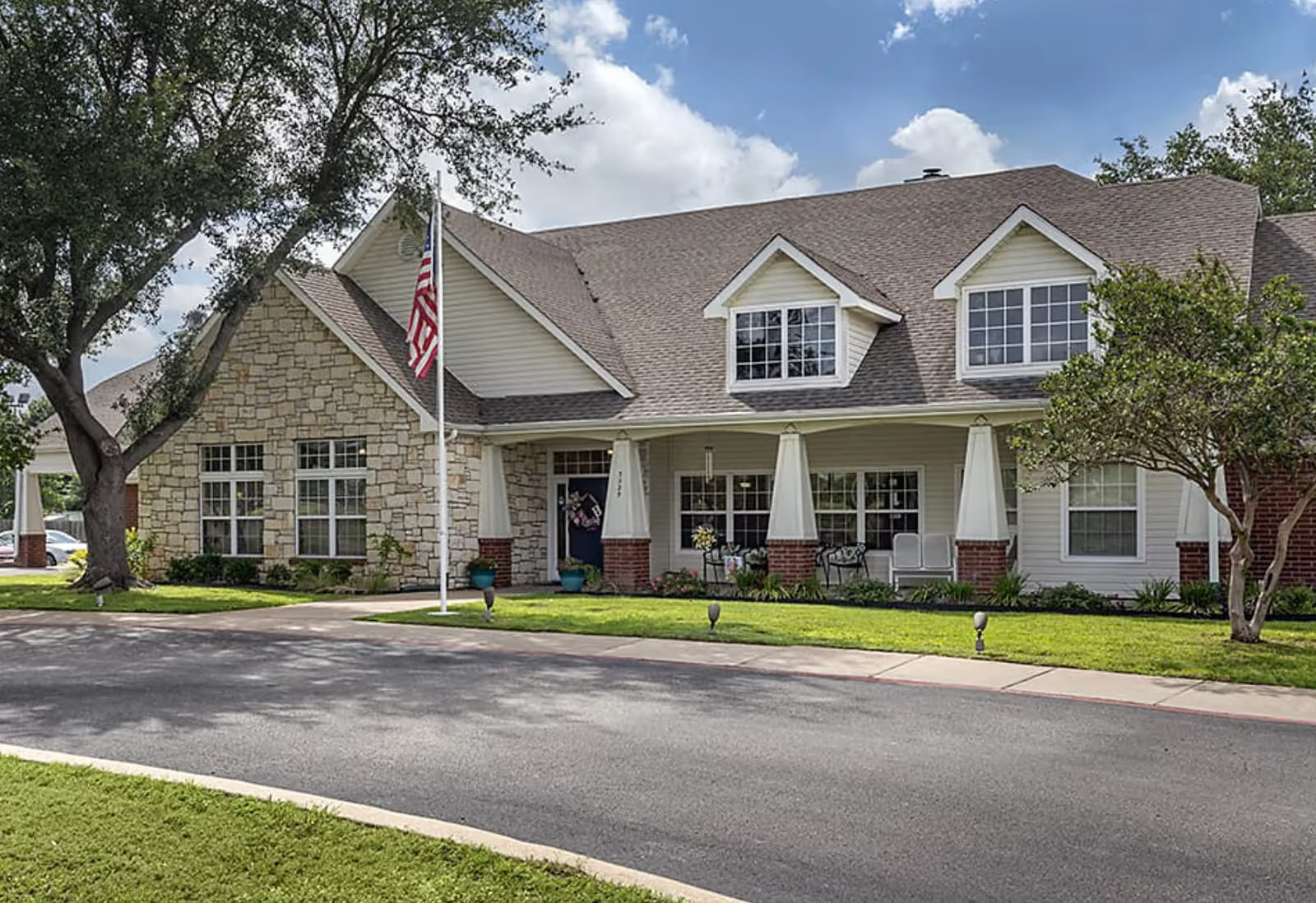
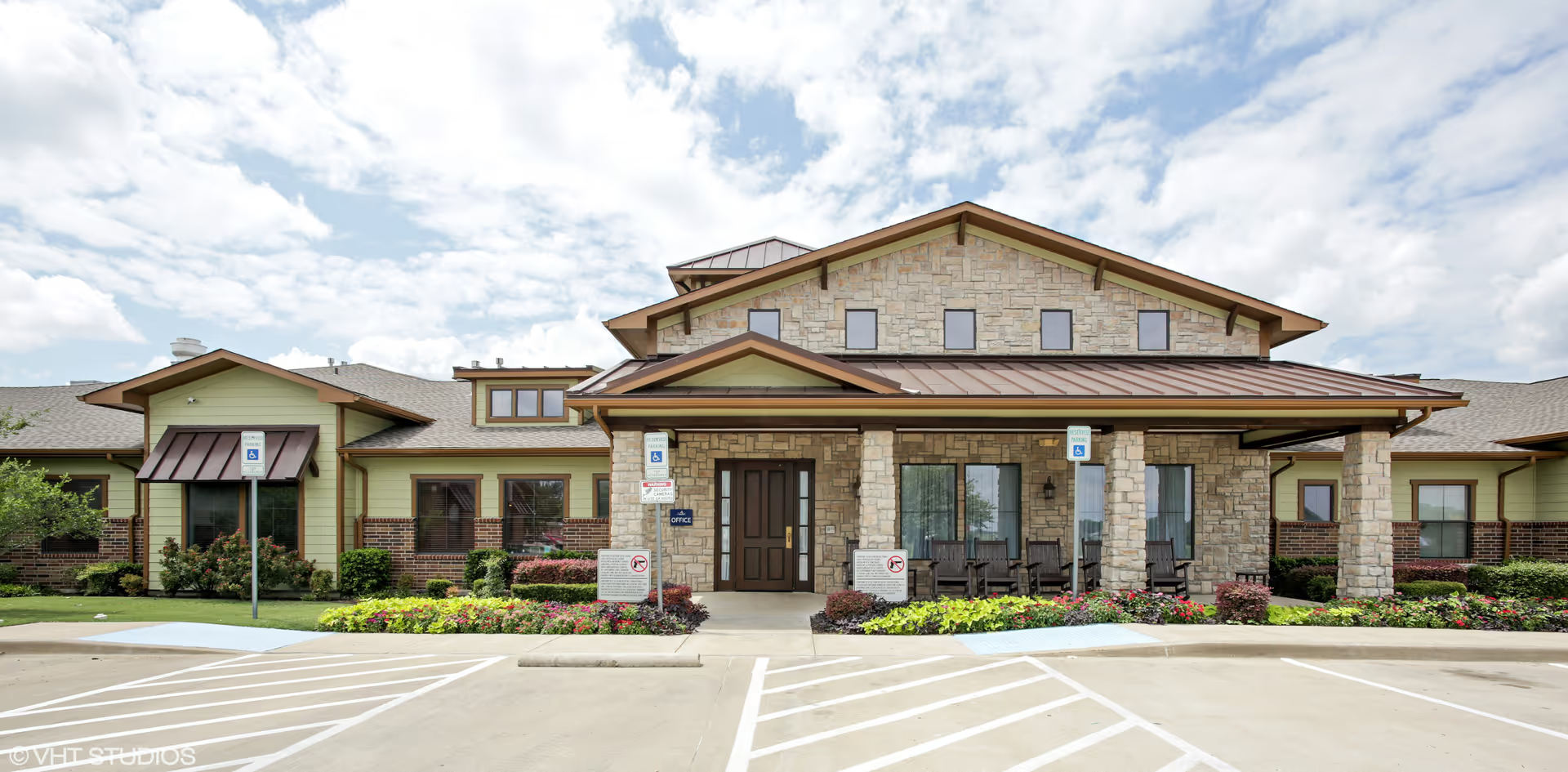
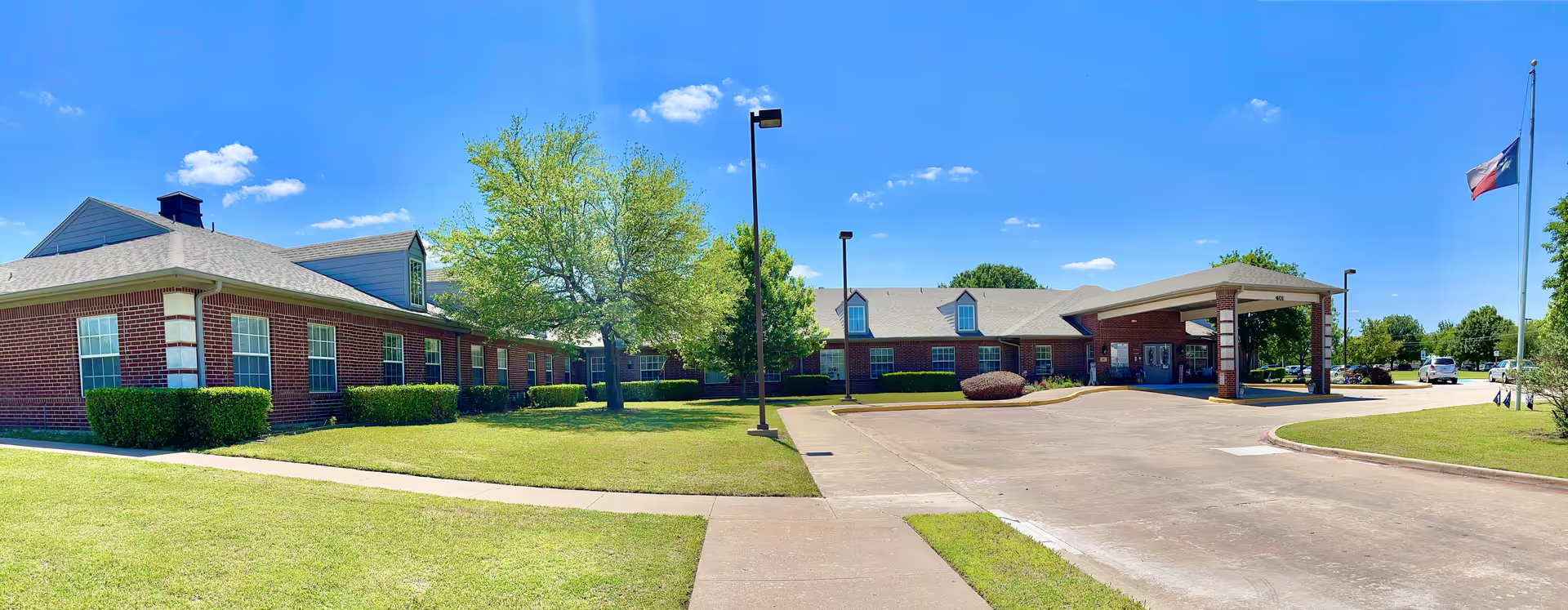
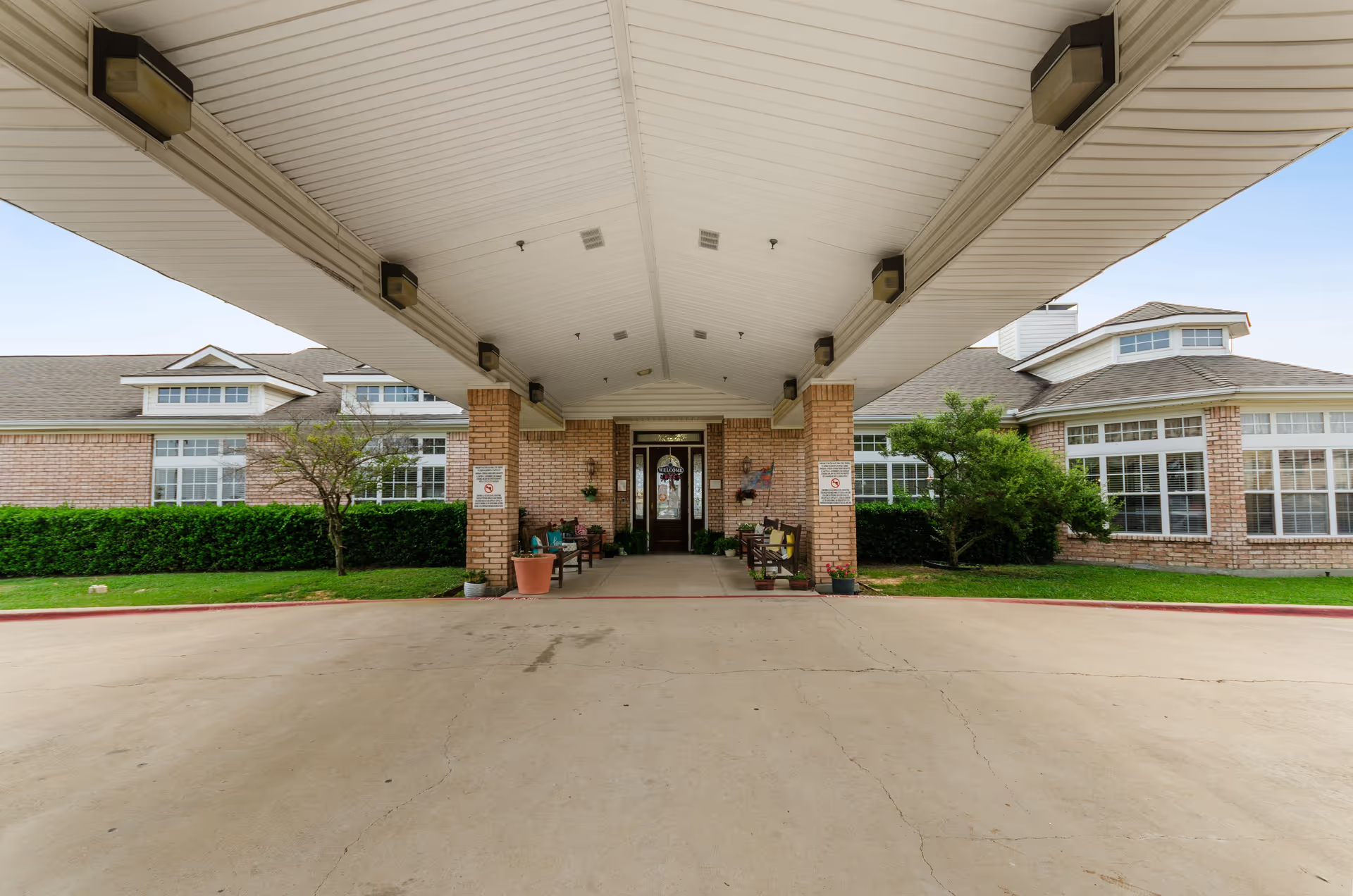
Twilight Home Nursing & Rehab Center elicits a strongly mixed set of impressions. Many families and former residents praise the facility for its welcoming, small-home atmosphere, noting compassionate and engaged nursing and direct-care staff, a strong therapy program for short-term rehabilitation, and a generally clean interior. The facility carries local recognition and community reputation, and several accounts describe successful discharges home, positive therapy outcomes, and a sense of family-oriented care.
Staff performance is the most consistently polarized theme. Positive comments emphasize warm, attentive caregivers, coordinated shift teams (including a praised staffing coordinator) and staff who go above and beyond for residents. These strengths appear to support good rehabilitation outcomes and a reassuring environment for many families. Conversely, a number of accounts describe staffing inconsistencies: delays in responsiveness, variable tone in staff–family communication, and more serious concerns about staff conduct. These contradictions suggest that experiences can depend heavily on shift, unit, or individual caregiver assignment.
Clinical-care patterns are similarly mixed. The facility’s therapy and rehabilitation services receive frequent positive mention for effectiveness and personalized attention. At the same time, there are operational concerns related to medication administration and medical oversight: medication-management gaps, breakdowns in coordination with attending physicians, and delays in recognizing or treating infections that, in some cases, led to hospital transfer. Prospective families should evaluate the facility’s infection-response protocols, medication-administration safeguards, and physician-communication pathways as part of their decision-making.
Dining and activities show variable consistency. Some reviewers describe pleasant, supportive dietary staff and enjoyable programming such as music and group activities; others describe processed or lukewarm meals and limited or inconsistent activity engagement. This variability indicates that meal quality and the regularity of activity programming may depend on staffing and scheduling on any given day.
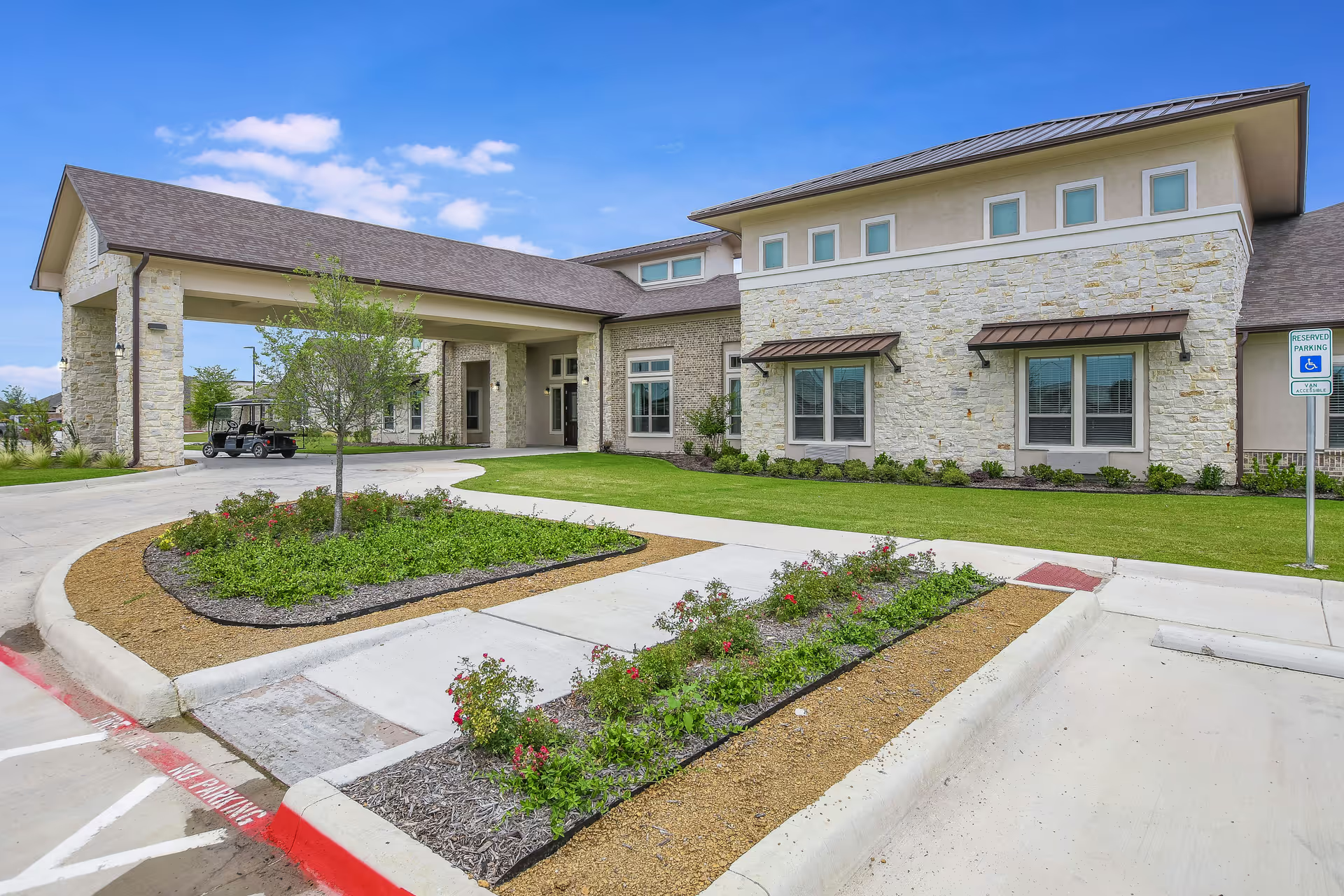
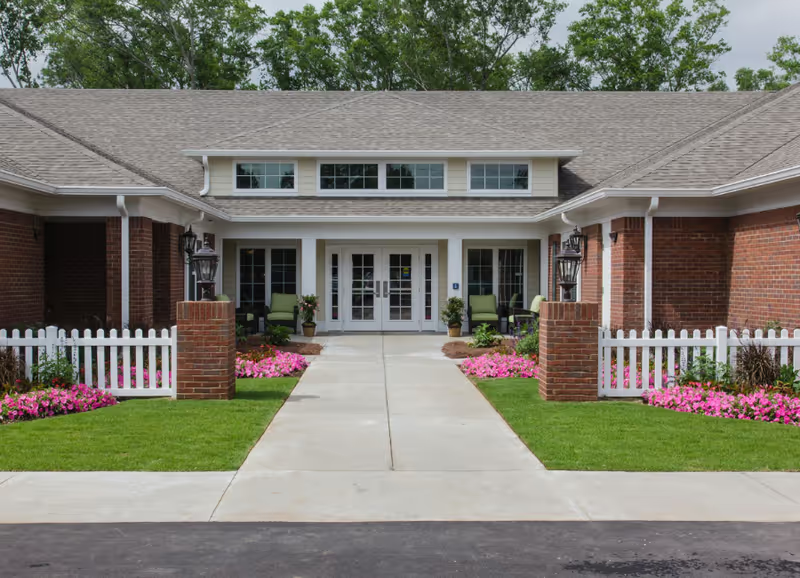
Facility condition and management impressions are also mixed. Many descriptions note a clean, well-kept interior and a comforting small-facility scale. At the same time, observers cite aging furnishings and a need to update beds and some furniture. Administrative themes range from praise for an involved “Team Twilight” to criticisms of overall management and communication practices, especially around clinical incidents and family notifications. There are also singular serious claims characterized as allegations of improper staff conduct; these require follow-up with regulatory records and facility leadership for clarification.
In summary, Twilight may be a good fit for families who prioritize a warm, small-community setting with attentive rehabilitation services and compassionate caregivers—provided they confirm specific operational safeguards. Because reviews indicate variability in responsiveness, medication handling, dining consistency, and activity delivery, visitors should request a tour during mealtimes, ask about staffing ratios and consistent-care assignments, review medication and infection-control protocols, and inquire about recent state inspection results. Those steps will help determine whether the facility’s strengths align with a prospective resident’s clinical and quality-of-life needs.