Overall impression: Reviews portray a facility with pronounced contrasts — several families and clinicians praise clinical rehabilitation, hospice support, and a caring direct-care culture, while others describe repeated operational failures that affect basic daily care. The pattern suggests pockets of strong staff performance and facility upkeep coexisting with systemic process and staffing weaknesses that produce uneven resident experiences.
Clinical care and nursing: Physical-therapy and rehabilitation services receive consistent positive feedback for clinician skill and engagement. However, nursing and direct-care consistency is a central concern. Reported issues include delays in assistance, call-button inaccessibility, inconsistent pain-control responsiveness, and lapses in routine hygiene and repositioning that raise pressure-injury and weight-loss risk. There are also mentions of medication-administration and documentation weaknesses that warrant verification of pharmacy and nursing protocols during any assessment.
Staff and training: Many reviewers emphasize individual staff members who are compassionate, attentive, and willing to go above and beyond. At the same time, there are repeated comments about staffing shortages, variable staff conduct and tone, and uneven dementia training. The combination of committed individuals and apparent staffing constraints suggests employee dedication but limited capacity; families should assess staffing ratios and staff training related to cognition and safe transfers.
Dining, nutrition, and hydration: Multiple accounts identify unreliable meal service and inconsistent food quality, including missed meals, temperature issues, and instances of poor meal continuity tied to water or kitchen disruptions. These failures correlate with reports of rapid weight loss and transfers to higher-acuity care. Prospective families should clarify meal-service contingency plans, dietary monitoring, and mechanisms for tracking intake and weight.
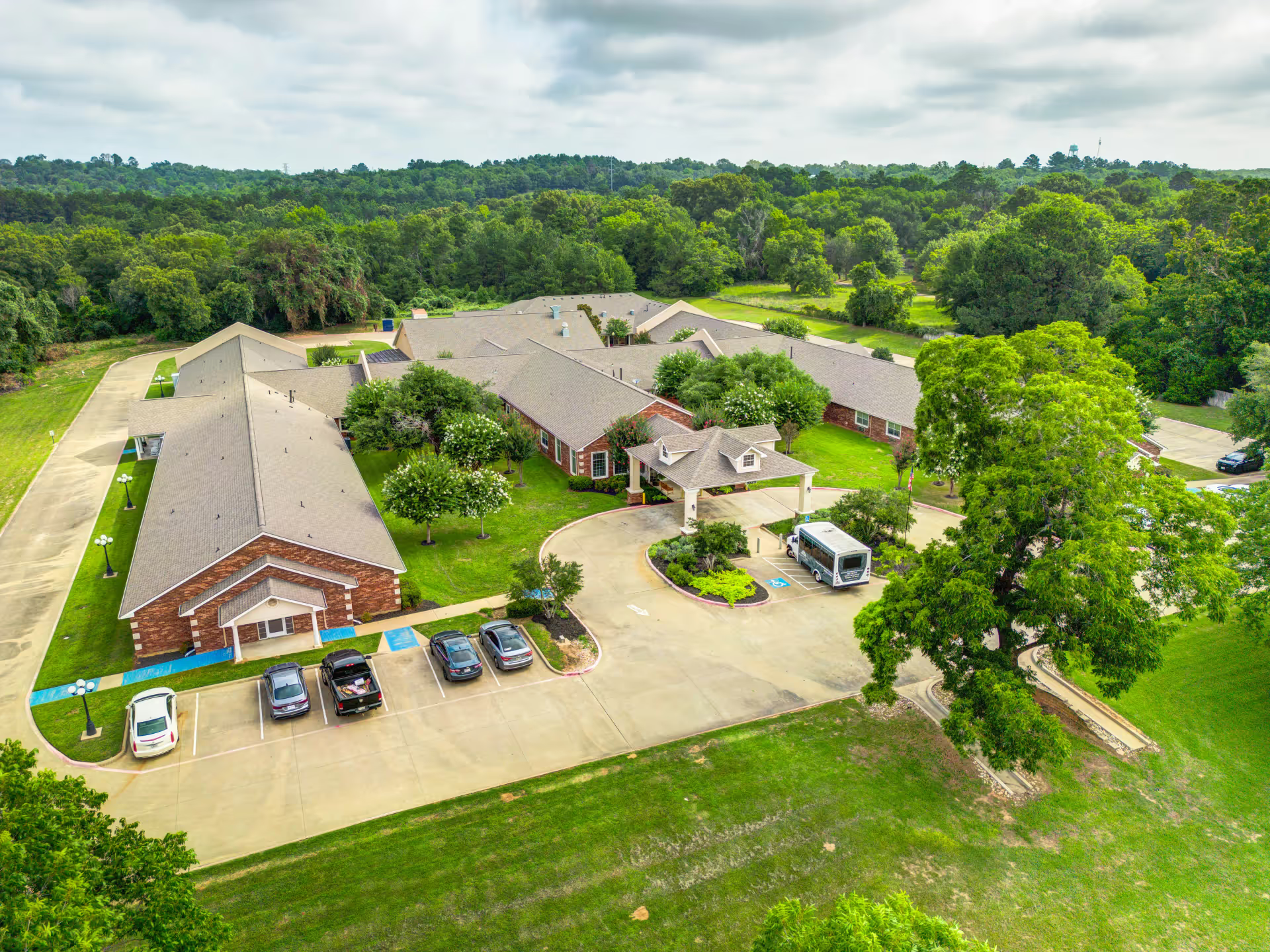
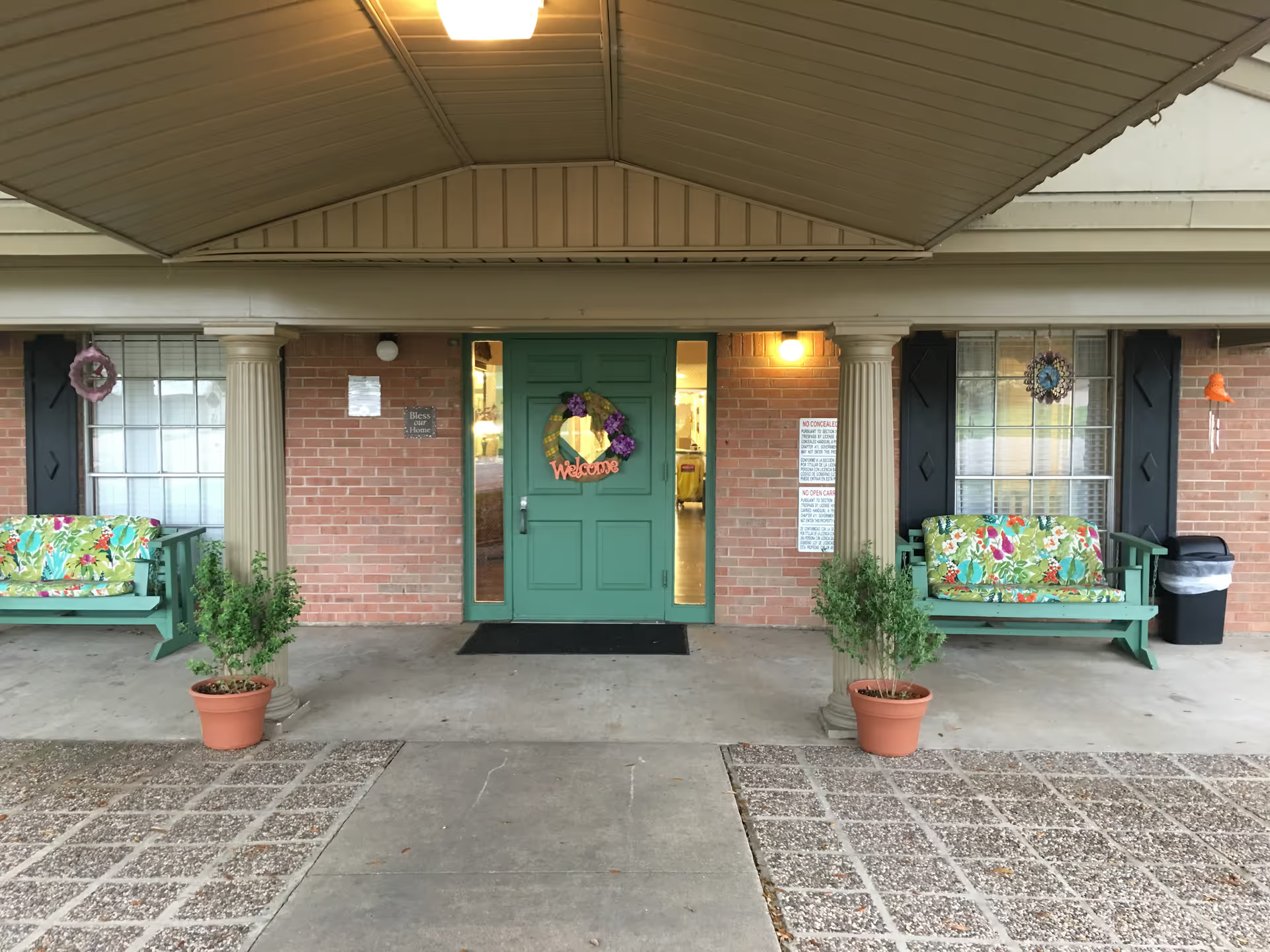
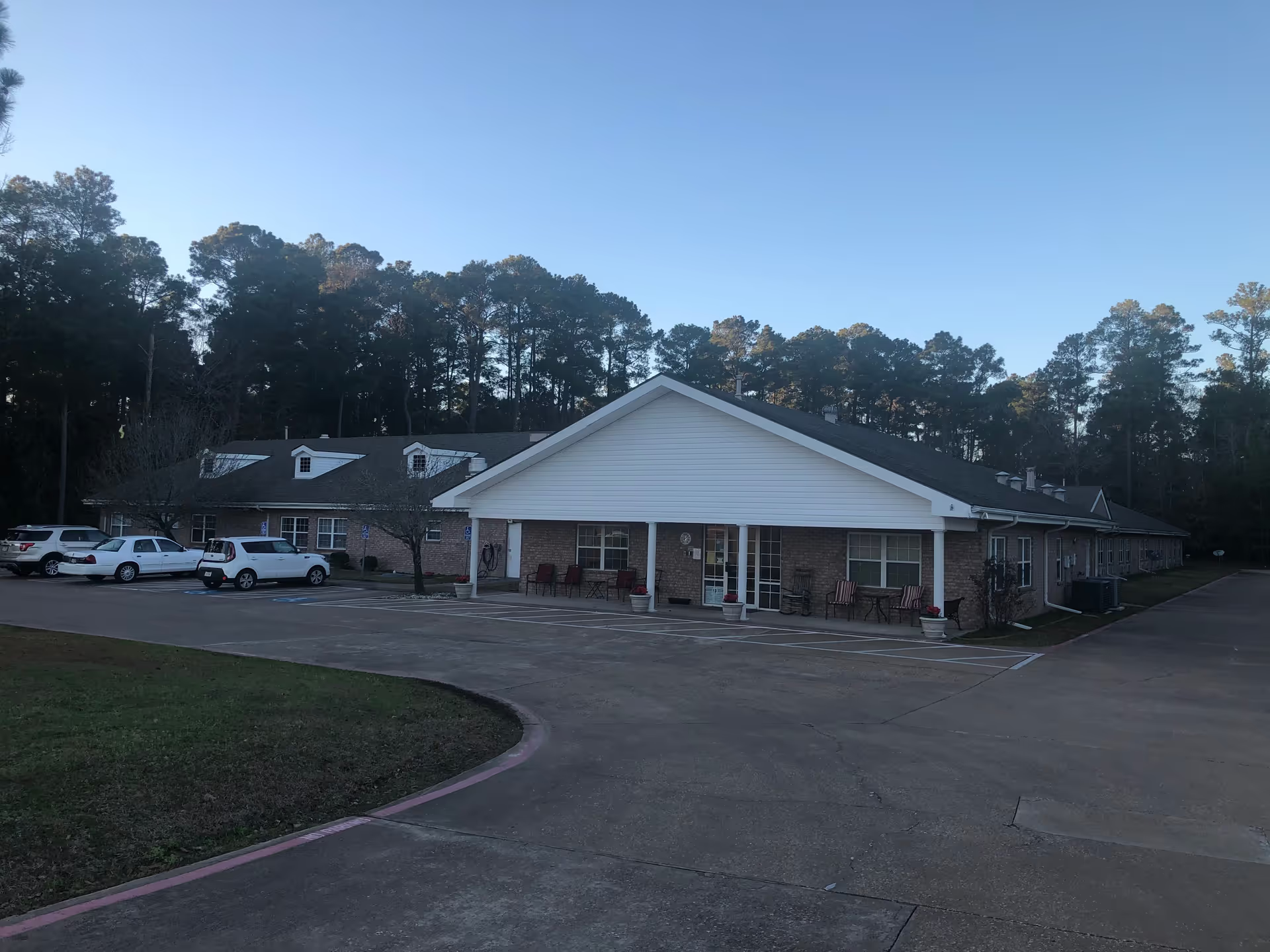
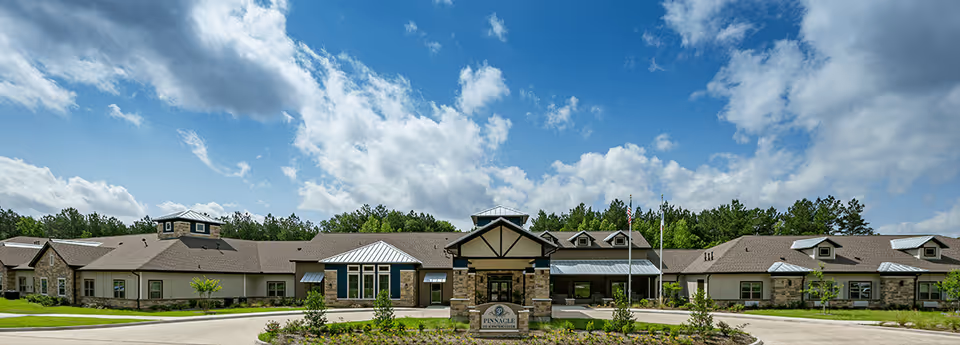
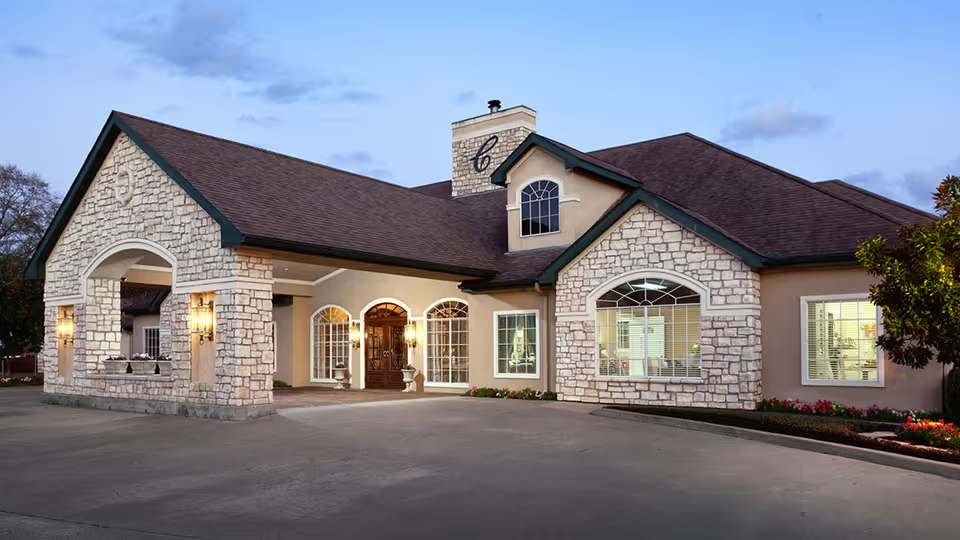
Facilities, safety, and emergency preparedness: The physical environment is often described as clean and secure, with a layout supportive of access control. Conversely, reviewers describe episodic maintenance delays and limited preparedness for utility outages (notably water interruptions) that impacted basic services. Safety practices such as bed-safety devices, transfer protocols, and call-light placement are areas of concern that suggest a need to review fall-prevention and safe-handling procedures.
Management and communication: Family communication receives mixed ratings: some note proactive outreach and accessibility from administrative staff, while others report dismissive responses and inconsistent information during critical events. Visitation policies (including infection-control restrictions) and responsiveness during incidents are cited as pain points. Given the variability, prospective families should request care-plan meetings, escalation pathways, and documentation practices for clinical changes.
Patterns and recommendations: The dominant pattern is variability — strong rehabilitation and dedicated staff in parts of the facility, alongside operational shortfalls tied to staffing, training, and emergency procedures. For families considering this facility, recommended due-diligence steps include: touring during multiple shifts; speaking with therapy, nursing, and administrative leaders about staffing ratios, training curricula, and medication-safety protocols; reviewing recent incident and weight-change documentation for prospective residents; asking about contingency plans for utilities and meal continuity; and confirming dementia-care competencies where relevant. These inquiries will help determine whether the facility's strengths align with a prospective resident's clinical and caregiving needs.