Overall impression: Reviews of Golden Acres Living and Rehabilitation are highly mixed, with a clear pattern of strong clinical rehabilitation services and significant concerns about consistency in custodial and nursing operations. Many accounts describe an effective therapy program, private rooms, active social programming, and a pleasant campus environment. However, an overlapping set of operational issues—staffing variability, responsiveness, sanitation, and management communication—appears frequently and shapes families' experiences.
Care and clinical services: The facility is repeatedly noted for its robust rehabilitation offerings (PT/OT/ST), a large therapy team, individualized care plans, and successful short-term rehab outcomes. Several reviewers highlighted rapid functional gains and attentive therapy staff who coordinate discharge goals. Nursing and CNA caregivers receive both strong praise for compassionate, skilled bedside care and criticism for inconsistent responsiveness; common operational weaknesses include slow call-light response times, delays in attending to required interventions, and concerns about medication-management practices, including the use and oversight of psychoactive medications.
Staff and management: Staffing appears inconsistent by shift and unit, with multiple accounts indicating reduced coverage on weekends and variability between floors. Families cite positive experiences with individual caregivers, activity directors, and admission/social-work staff, while also describing episodes of poor communication, dismissive tones, and delays in managerial follow-up. There are mentions of regulatory scrutiny and substantive allegations that prompted follow-up; these underscore the need for clear, timely family communication and consistent leadership oversight.
Dining and activities: The facility offers restaurant-style dining with multiple menu choices and organized meal service, and many reviewers praised the food and dietary accommodations. Others noted variability in meal quality and missed or delayed meal service on occasion. Activities are a consistent strength: multiple activity staff, diverse programming (physical, spiritual, cognitive), community outings (symphony, opera), volunteer involvement, and specialty programs contribute positively to resident socialization and quality of life.
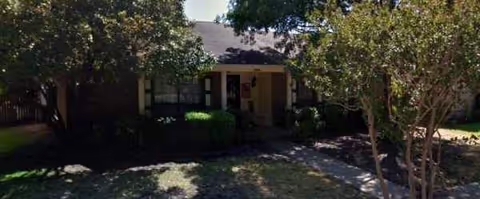
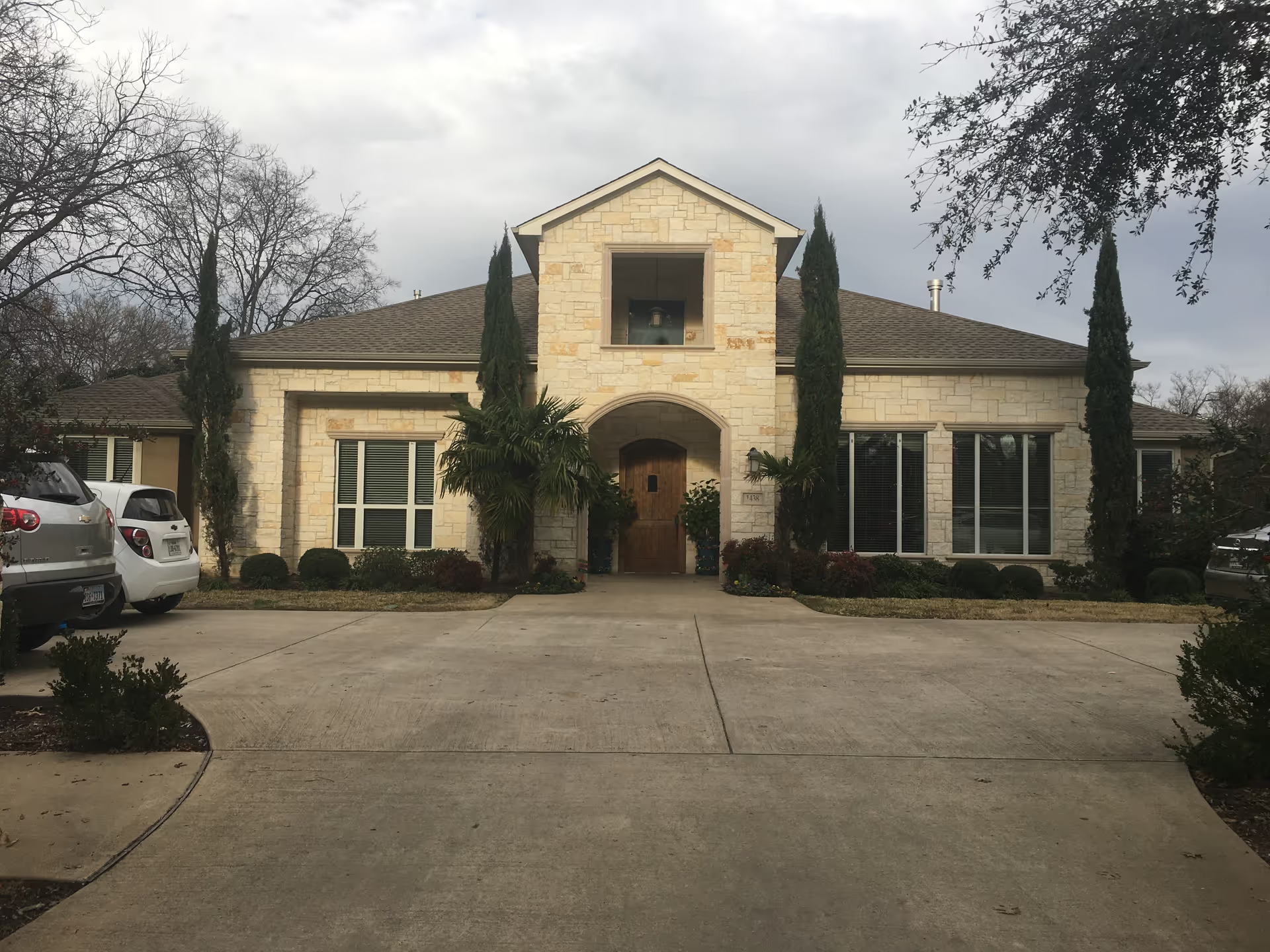
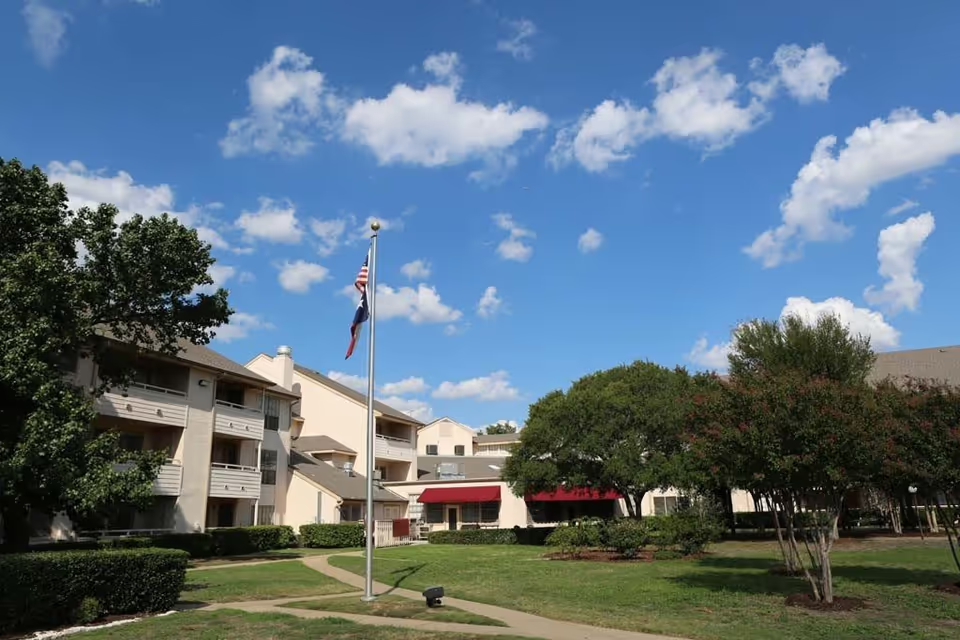
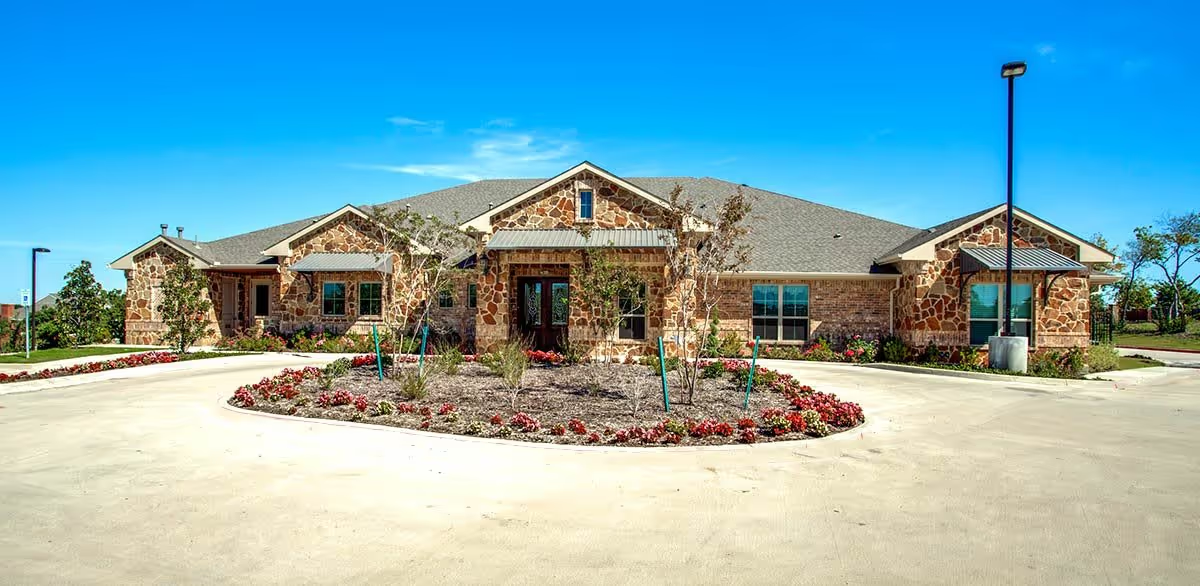
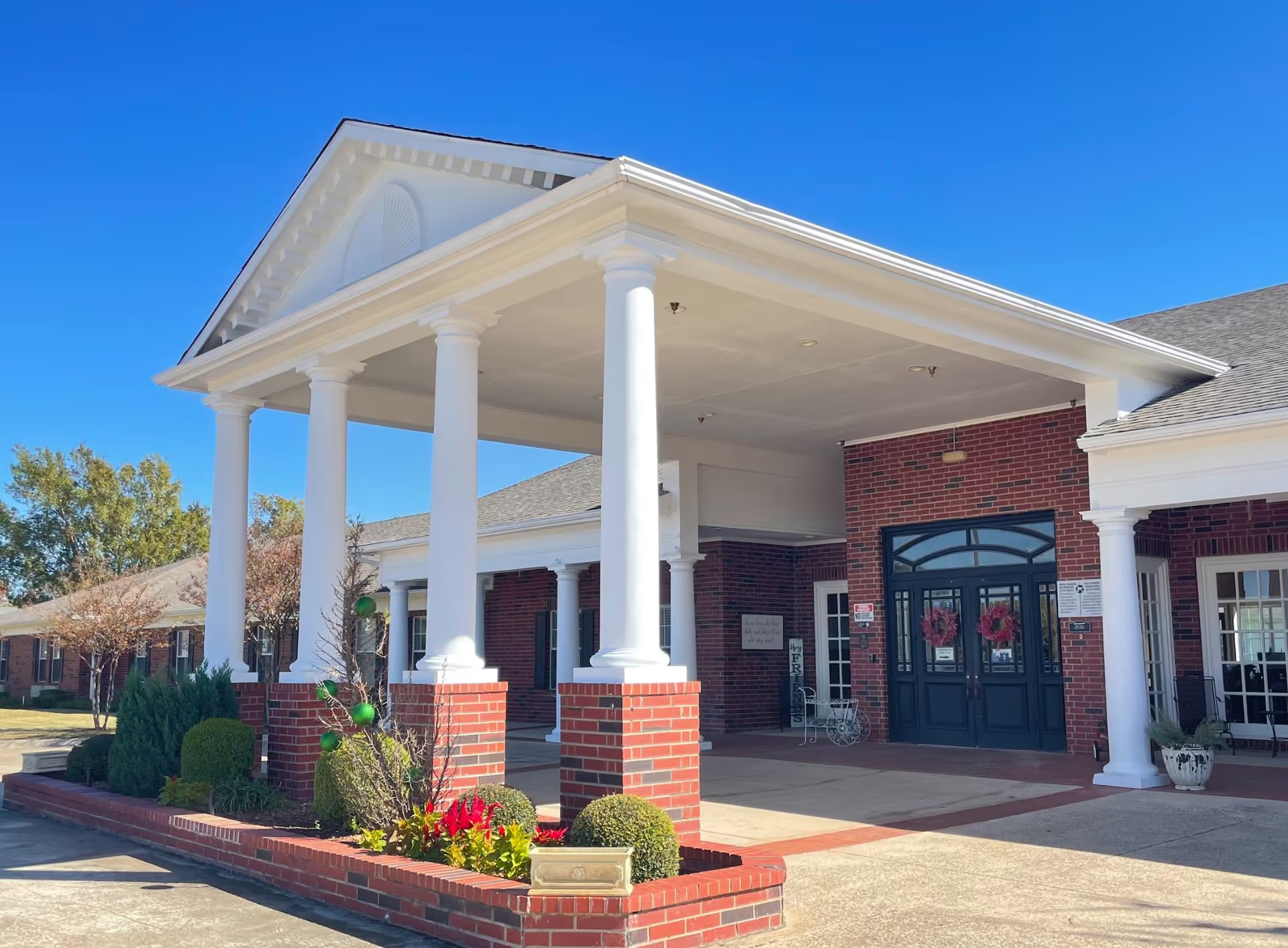
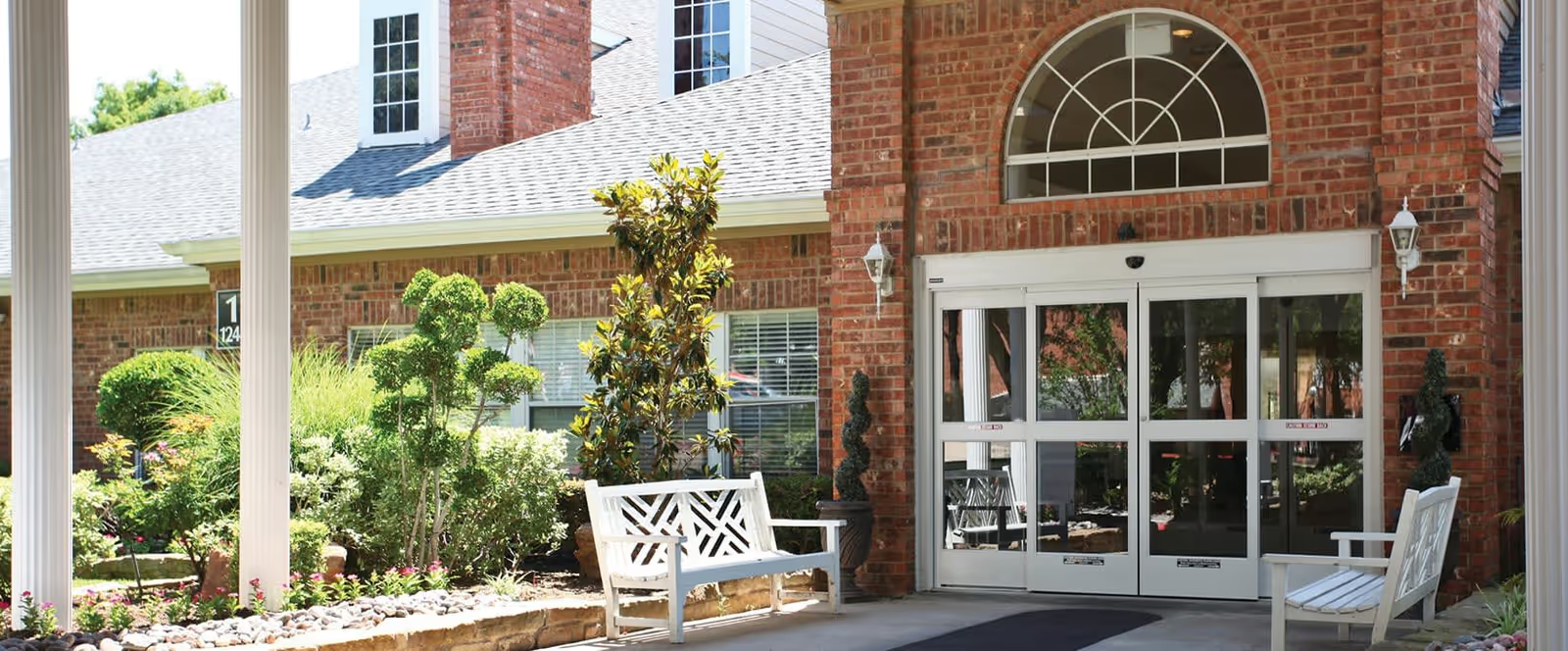
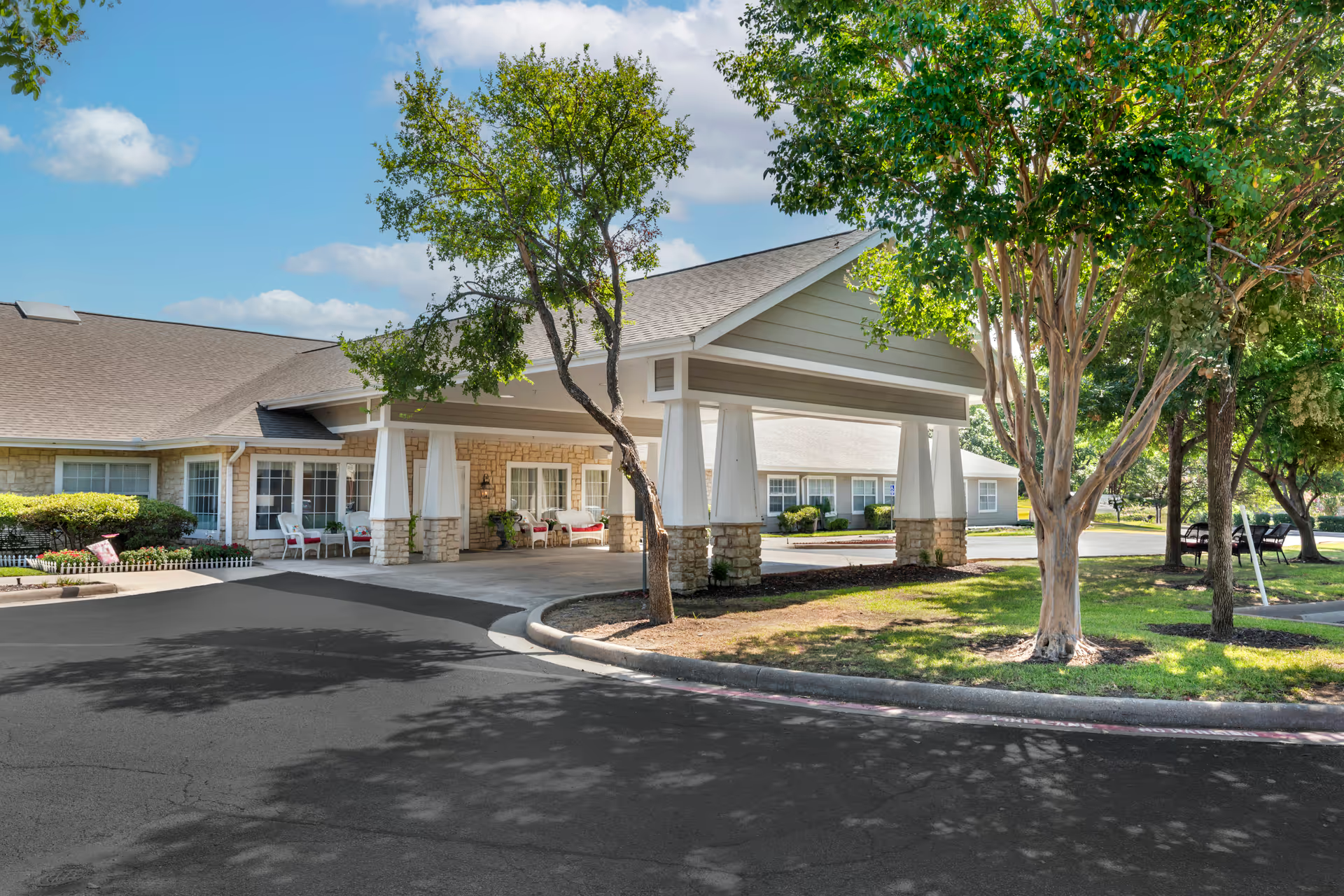
Facilities and operations: The campus and grounds are frequently described as attractive, with private rooms, en-suite amenities, Wi‑Fi/cable access, and accessible parking. At the same time, reviewers reported maintenance issues associated with an older building: delayed repairs, exposed building elements in common areas, temperature-control problems on certain dementia units, and loss of communal spaces due to repurposing. Operational concerns also include inconsistent management of personal belongings and laundry, and localized pest-control and sanitation issues that affect family perceptions of cleanliness.
Notable patterns and recommendations for prospective families: Strengths are most evident in short-term rehabilitation, therapy expertise, and active programming; these may make the facility a strong choice for patients primarily needing restorative therapy. However, variability in custodial care, staffing coverage, responsiveness, and management communication suggests prospective families should evaluate specific units and shifts during tours, ask about weekend staffing ratios, review medication oversight protocols, and confirm processes for belongings management and maintenance response. If considering long-term placement, families may wish to request recent inspection summaries and speak with current resident families about unit-level culture and consistency.