Le Rêve Rehabilitation and Memory Center elicits strongly polarized impressions: many reviewers praise the facility for attentive caregiving, effective therapy services, and a clean, modern environment, while others raise operational and clinical concerns. The facility is frequently described as warm, intimate, and well-suited for memory care and short-term rehabilitation. At the same time, some families cite serious concerns about care consistency and institutional processes that prospective residents should evaluate during a tour.
Care and staff: Positive accounts emphasize compassionate nurses, aides, and a respectful approach to resident dignity; several reviews describe staff who are warm, attentive, and personally engaged. Therapy and rehab services are often singled out as effective and motivating, with measurable improvement noted in short-term stays. However, there is a notable pattern of variability in care quality across shifts. Reviewers identify staffing shortfalls—especially on weekends and nights—that correlate with delays in attending to residents, missed tasks, and uneven responsiveness. There are also concerns about medication-management practices and the facility’s clinical oversight; these concerns are among the more serious operational weaknesses described.
Dining and activities: Dining receives generally positive comments — meals are reported to be appealing and residents appear to enjoy them. Memory-care programming, small-community activities, and personalized attention are described as strengths that contribute to resident comfort and engagement. Families who value a smaller resident count and individualized attention tend to report higher satisfaction.
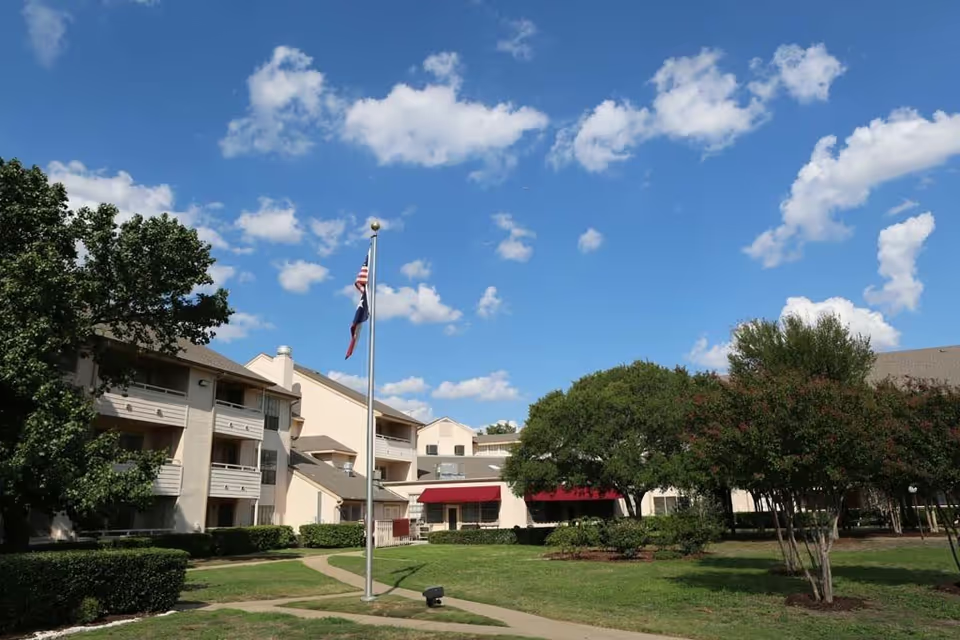
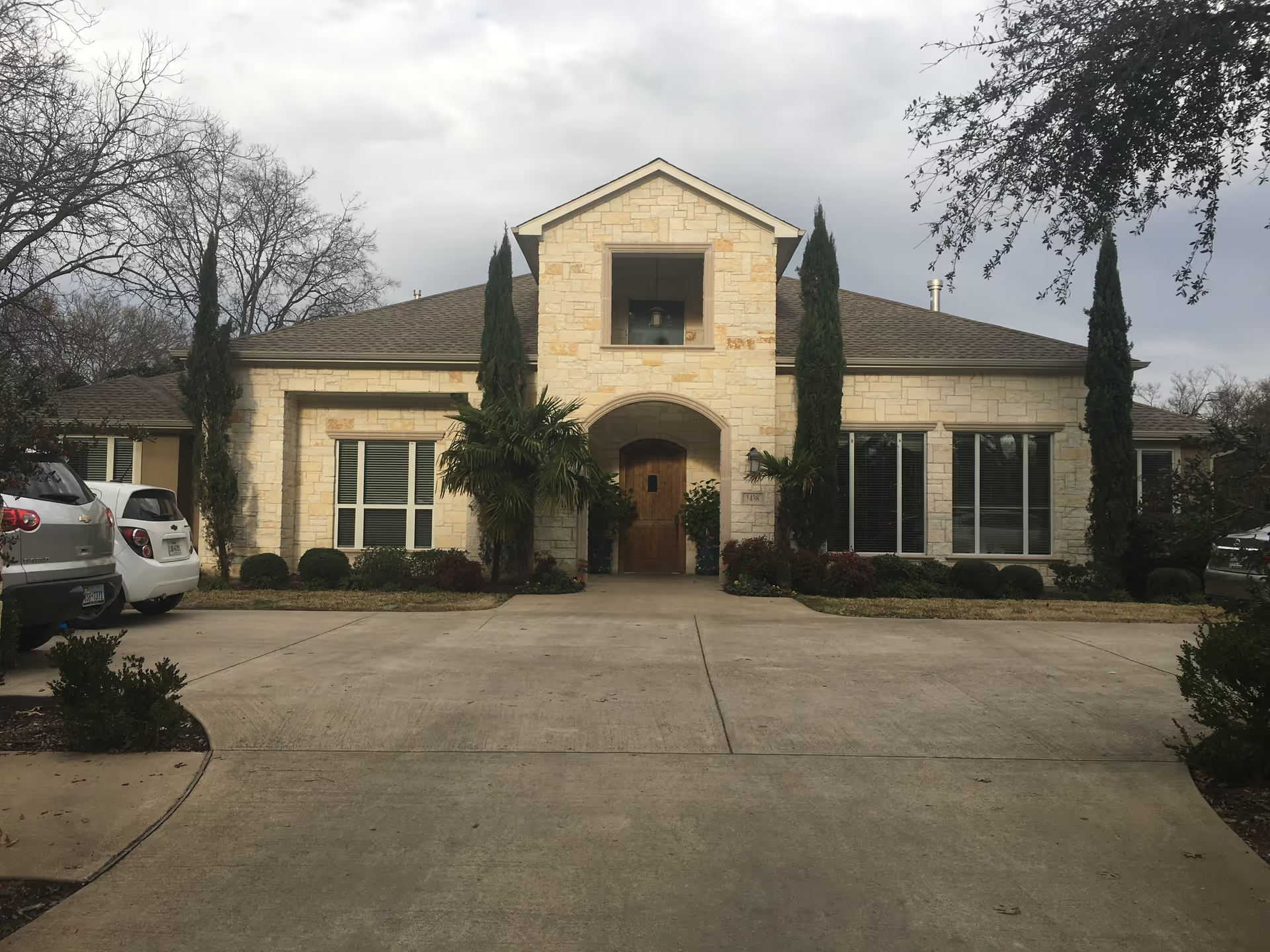
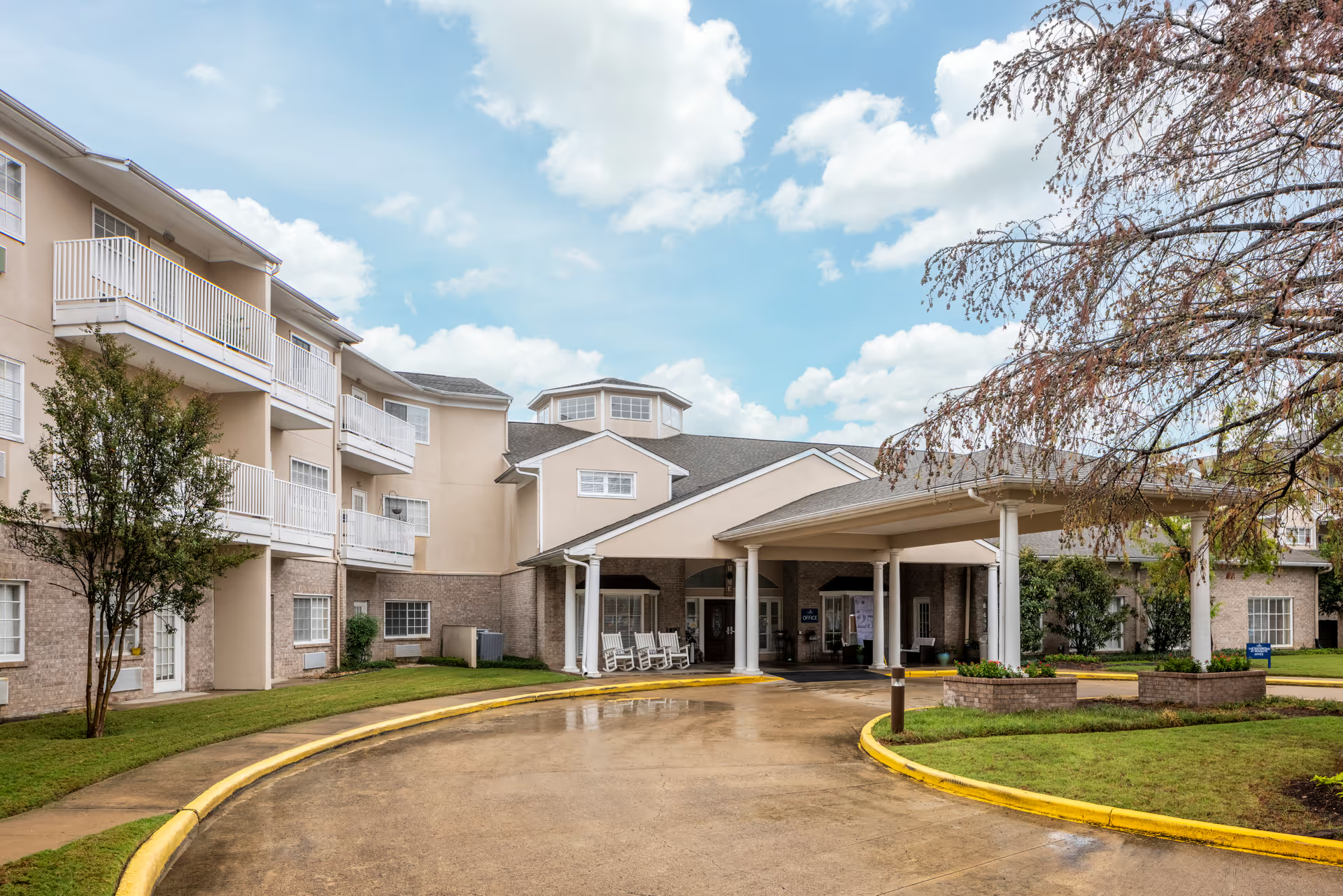
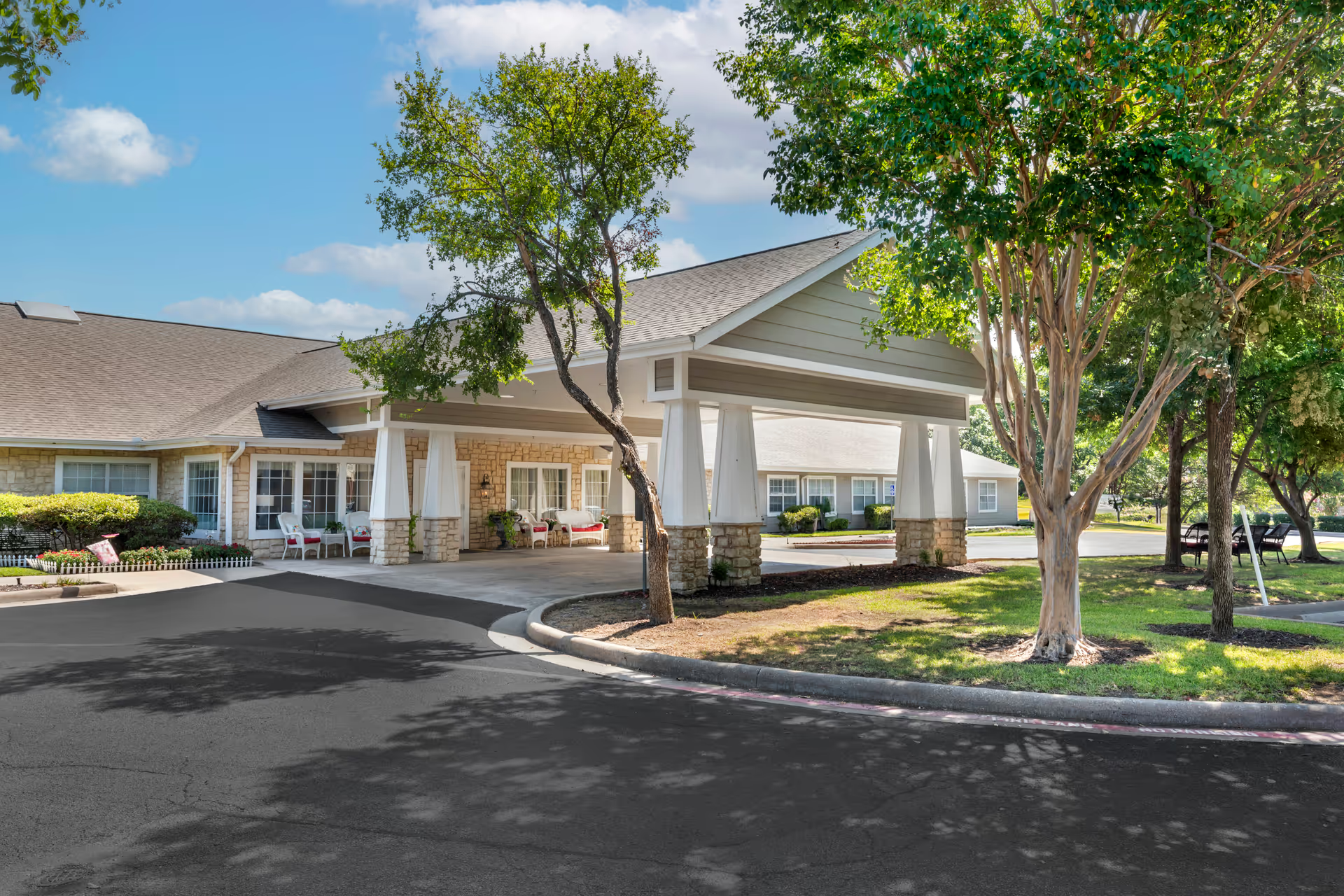
Facilities and cleanliness: The building and grounds are consistently described as modern, attractive, and well maintained. Many reviews specifically note a pleasant interior atmosphere and good housekeeping. Counterbalancing this, a subset of comments point to inconsistent sanitation and housekeeping practices during off shifts and occasional linen shortages, indicating variability rather than a constant problem.
Management and processes: Management impressions are mixed. Positive mentions highlight helpful admissions staff and engaged clinical leaders who resolve issues effectively. Negative comments cite high staff turnover, perceptions of management prioritizing financial considerations, and inconsistent responses to family concerns. Operational weaknesses include communication breakdowns about clinical incidents, property-management gaps that affect residents’ belongings, and irregularities in billing or discharge procedures. There are also allegations of staff misconduct and concerns that supervisory follow-up was insufficient in some instances—these are serious claims that warrant direct inquiry when considering placement.
Notable patterns and guidance: The dominant pattern is one of contrast between strong, person-centered care delivered by many staff members and intermittent operational lapses that affect safety, communication, and consistency. Prospective families should balance the facility’s documented strengths in rehabilitation, memory care, and the built environment against reported variability in staffing, clinical oversight, housekeeping on weekends, and administrative follow-through. When touring, ask specific questions about staffing ratios (including weekends and nights), weekend housekeeping and linen protocols, medication oversight and incident reporting procedures, personal-belonging safeguards, and financial/billing processes. Obtaining recent staffing schedules, examples of incident-response policies, and references from current families can help clarify whether the facility’s strong points will be reliably delivered for a given resident.