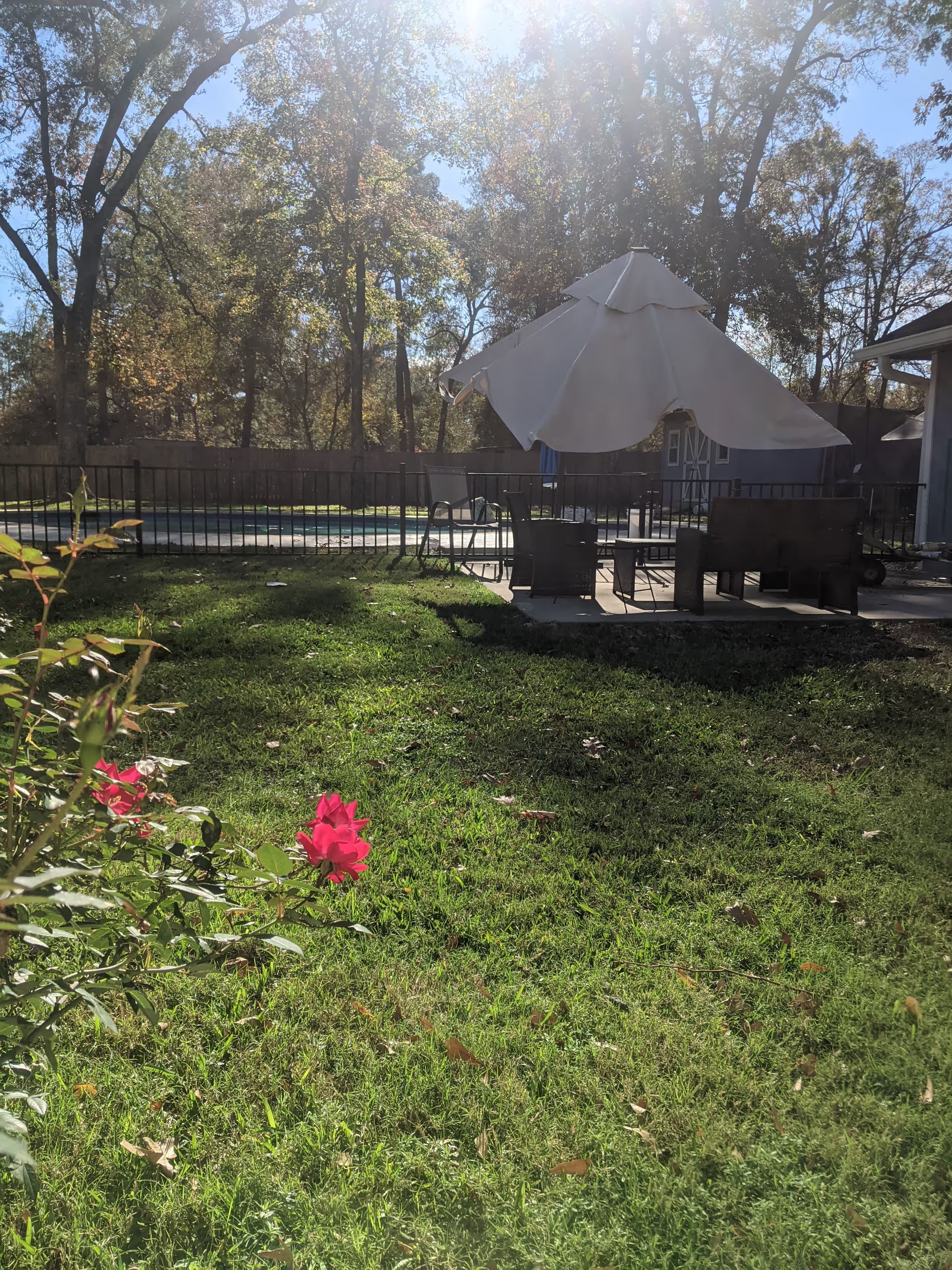
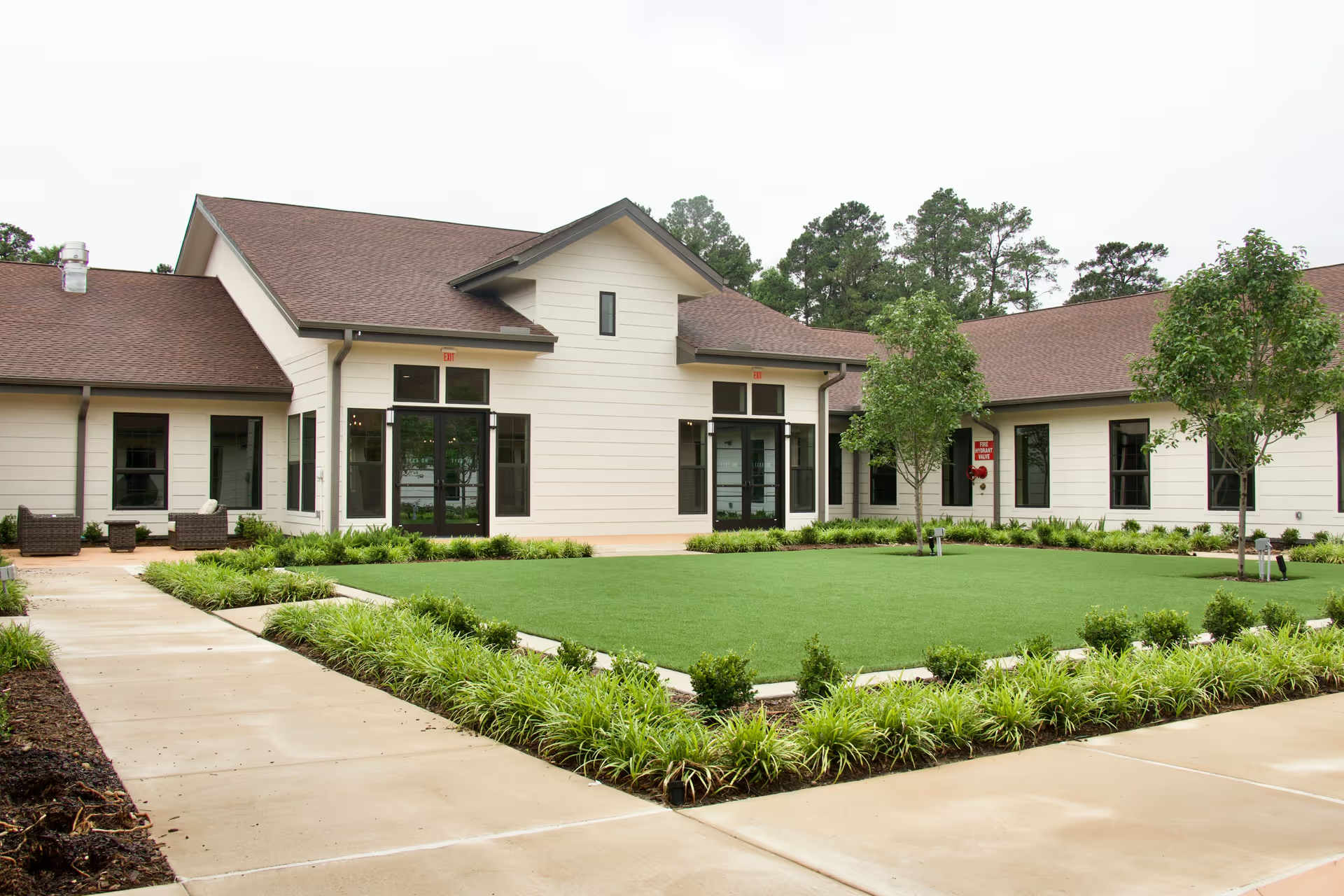
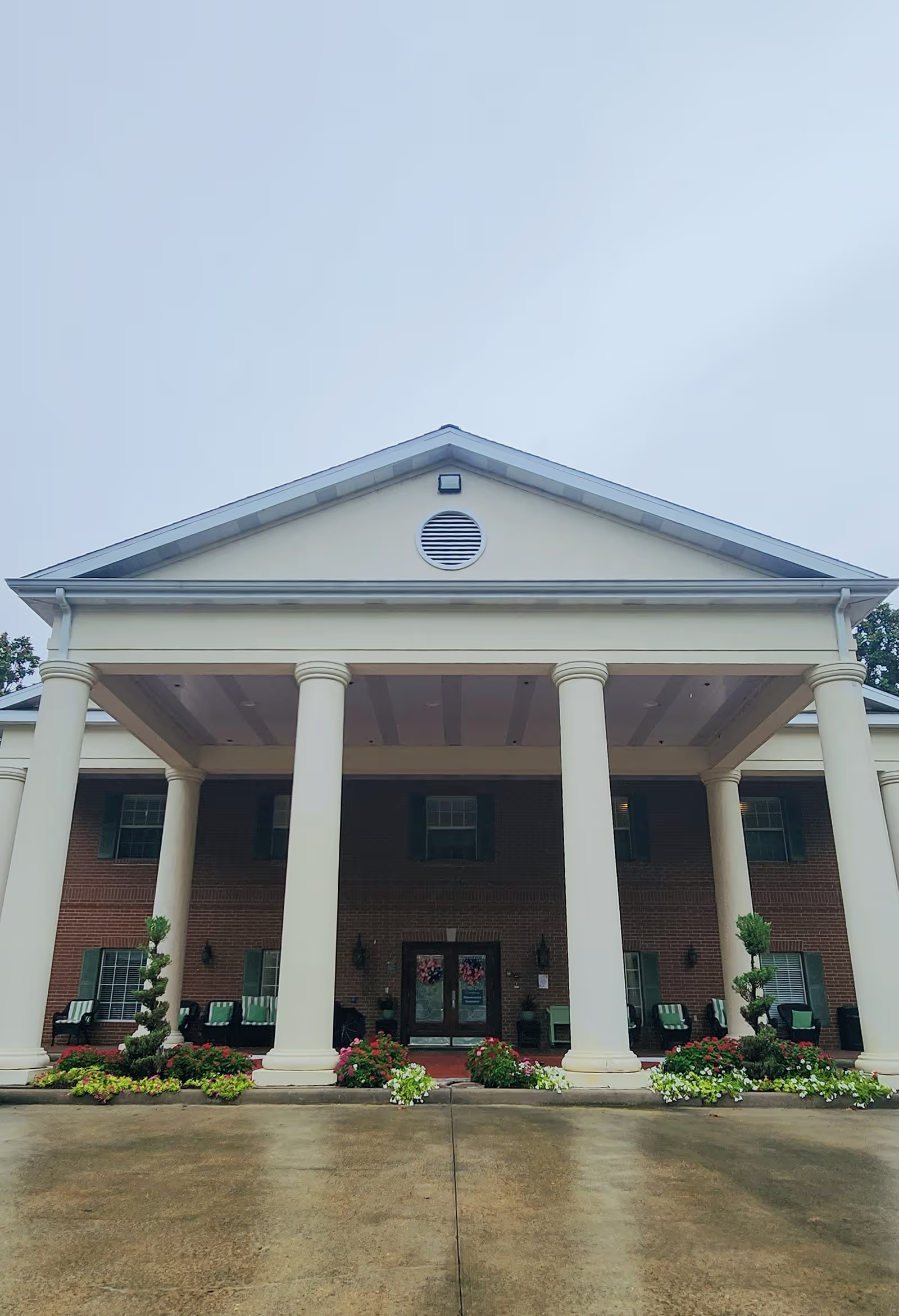
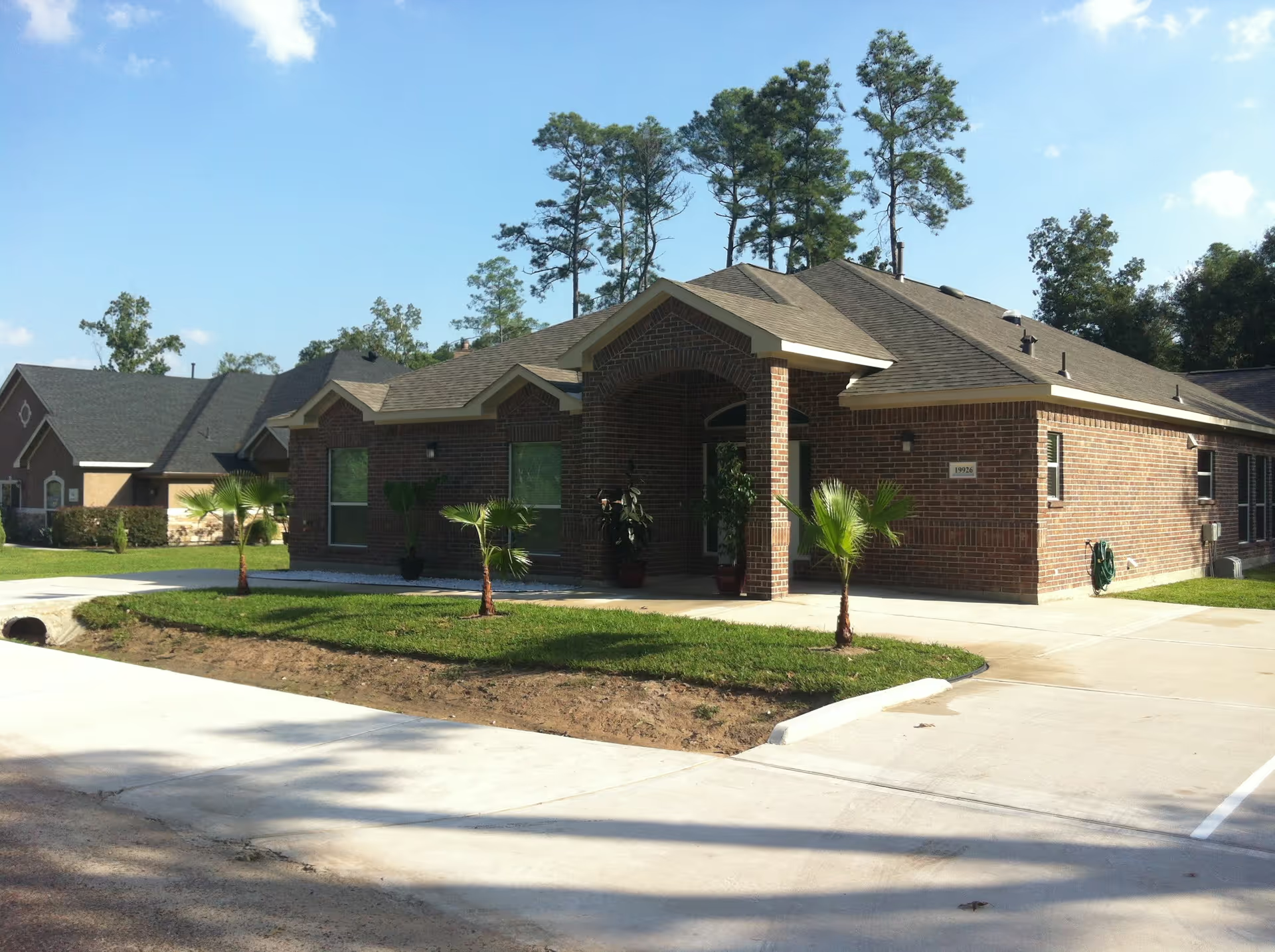
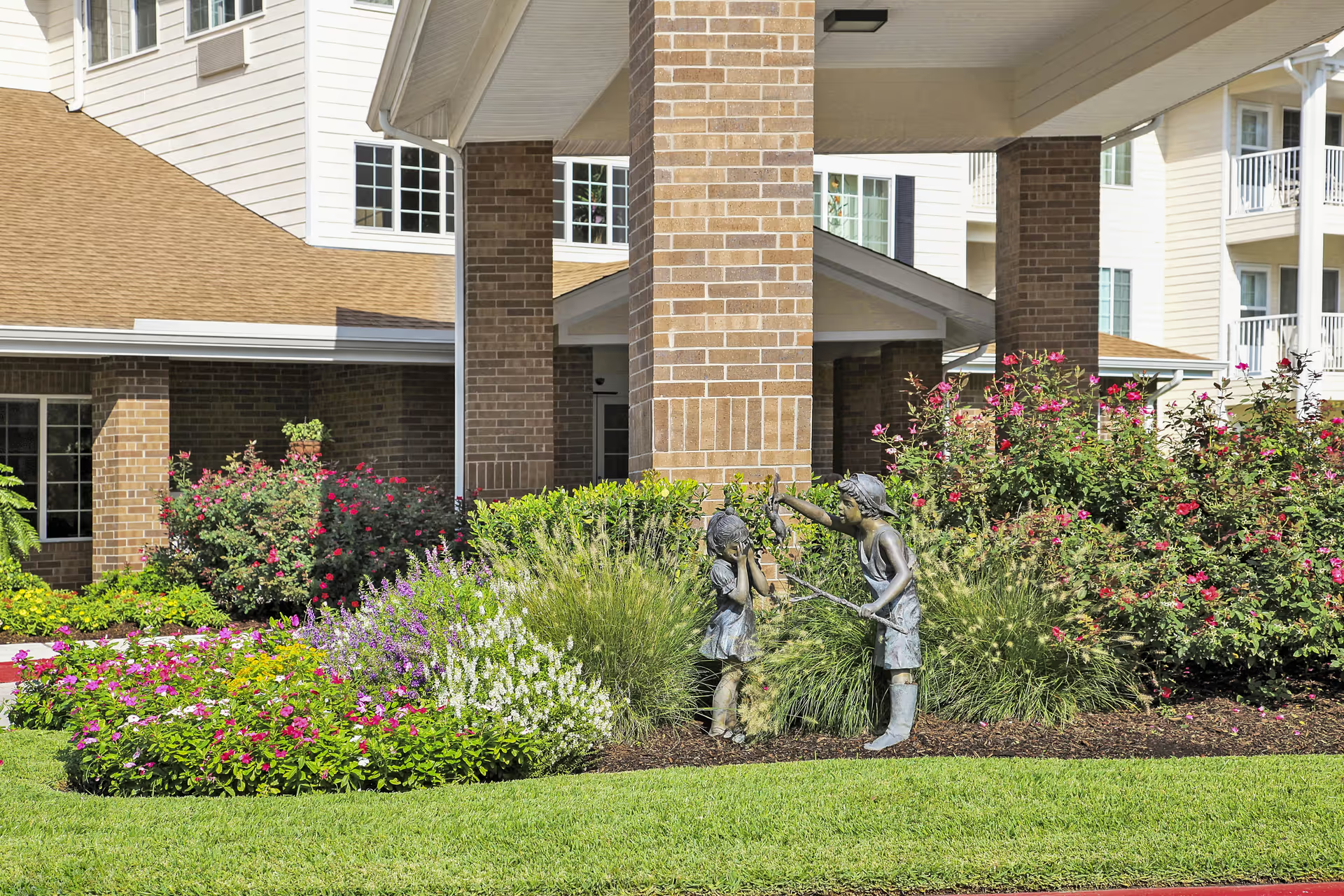
Reviews of Dayton-Tarkington Care Center present a mixed picture with distinct positive features alongside several recurring operational concerns. Positively, reviewers describe a clean, well-maintained facility that has a small, family-style atmosphere. Some families report staff members who are attentive and ensure residents receive routine needs and support, suggesting that aspects of daily care and facility upkeep meet expectations for some residents.
Care quality appears inconsistent across accounts. Several comments indicate delays in responding to resident requests for assistance and specific gaps in mobility support and transfer practices. There are also references to incontinence-care concerns and delays in attending to personal-care needs; these point to potential variability in how staff manage time-sensitive caregiving tasks and prioritize resident hygiene and comfort.
Staff performance is described in divergent terms. While some reviews praise supportive, helpful caregivers, others raise concerns about the tone of staff communication and how dignity is preserved during care. These contrasting impressions suggest variability in staff training, supervision, or staffing levels on different shifts. There are also serious procedural concerns regarding how management addresses complaints about staff conduct; some reviewers allege retaliatory actions, which raises questions about complaint resolution and accountability processes.
There is limited specific information about dining and activities in the available summaries. One positive remark indicates that residents "get what they need," which may imply baseline adequacy of meals and programming, but the absence of consistent commentary makes it difficult to assess the quality, variety, or consistency of dining services and recreational offerings. Prospective families should request current menus, activity schedules, and opportunities to observe programming during a visit.
Facility maintenance and cleanliness are strengths cited by reviewers, with the interior described as well kept. However, the operational patterns noted above — inconsistent care delivery, response delays, mobility-assistance gaps, and family-relations issues — are significant and should be explored directly with management. When evaluating this center, families should ask about staffing ratios, shift coverage, caregiver training (including dignity- and communication-focused training), incident-reporting procedures, and how complaints are investigated and resolved. Reviewing recent state inspection reports and asking for references from current families can also help clarify whether the concerns reflect isolated incidents or broader patterns.
In summary, Dayton-Tarkington Care Center has observable strengths in facility upkeep and a smaller, community-oriented atmosphere, but reviewers indicate variability in day-to-day care and important issues around responsiveness, mobility assistance, staff conduct, and leadership accountability. Those considering the facility should conduct an in-person assessment focused on the operational areas noted above and seek specific, documented assurances about staffing, supervision, and complaint-resolution practices.