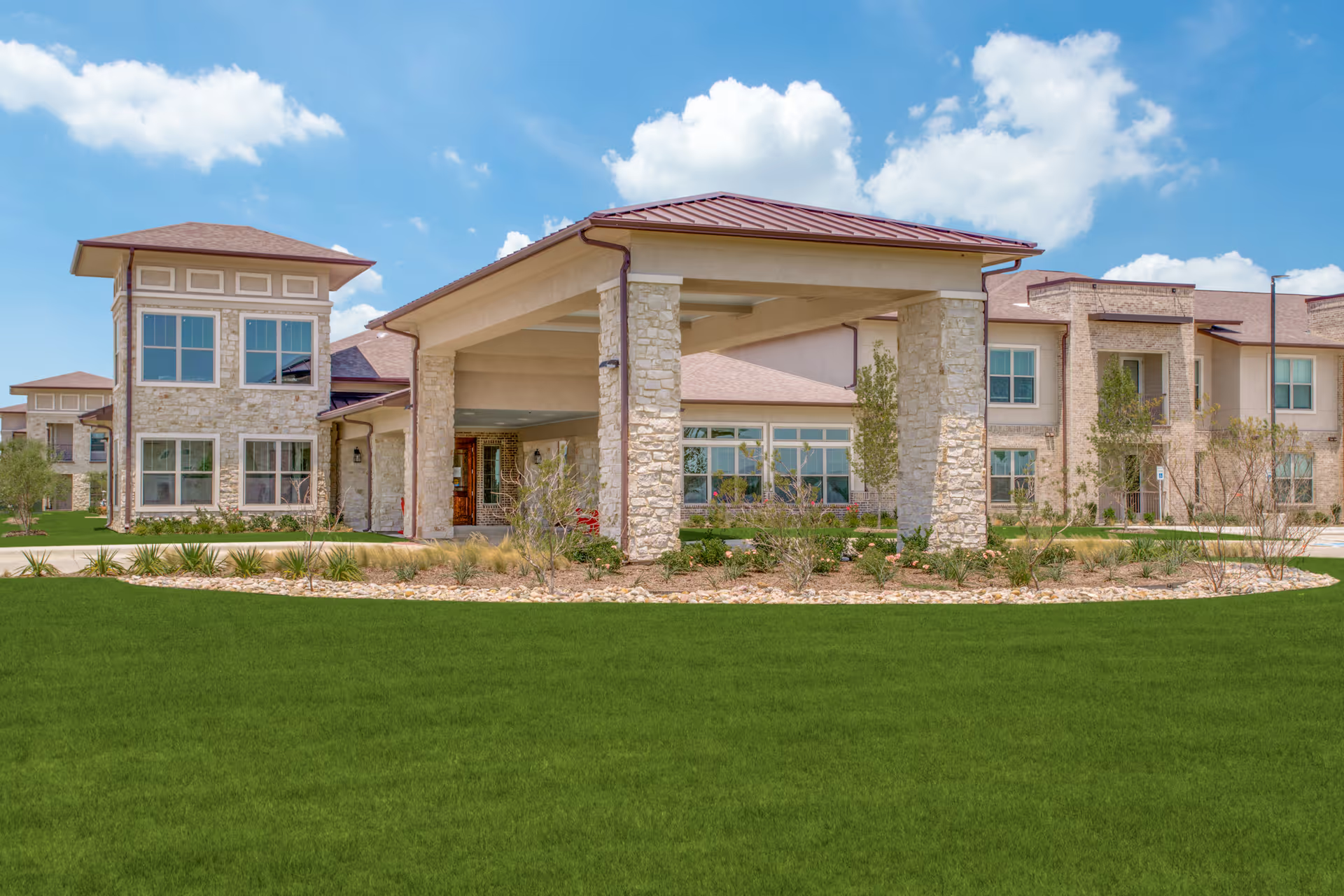
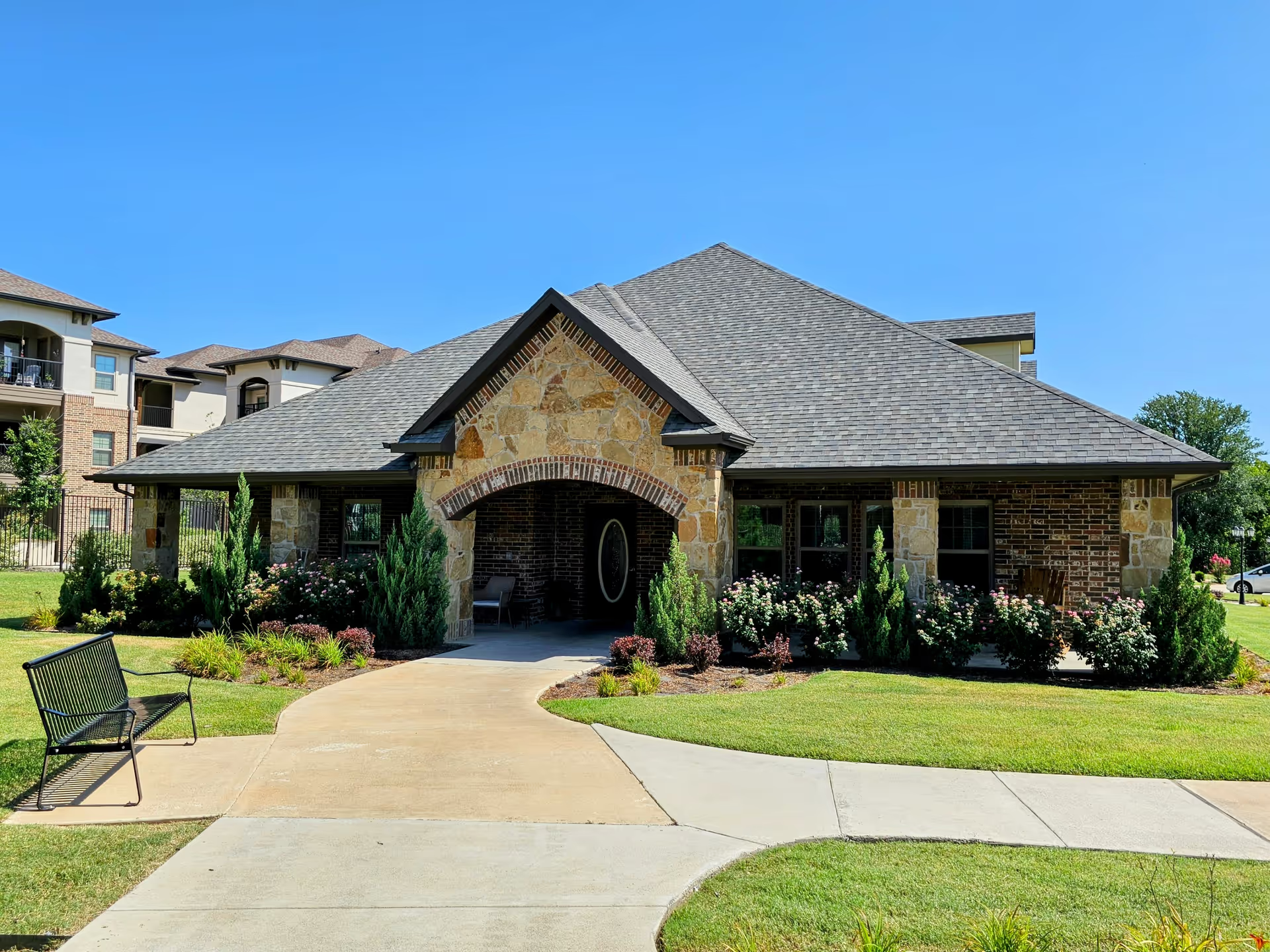
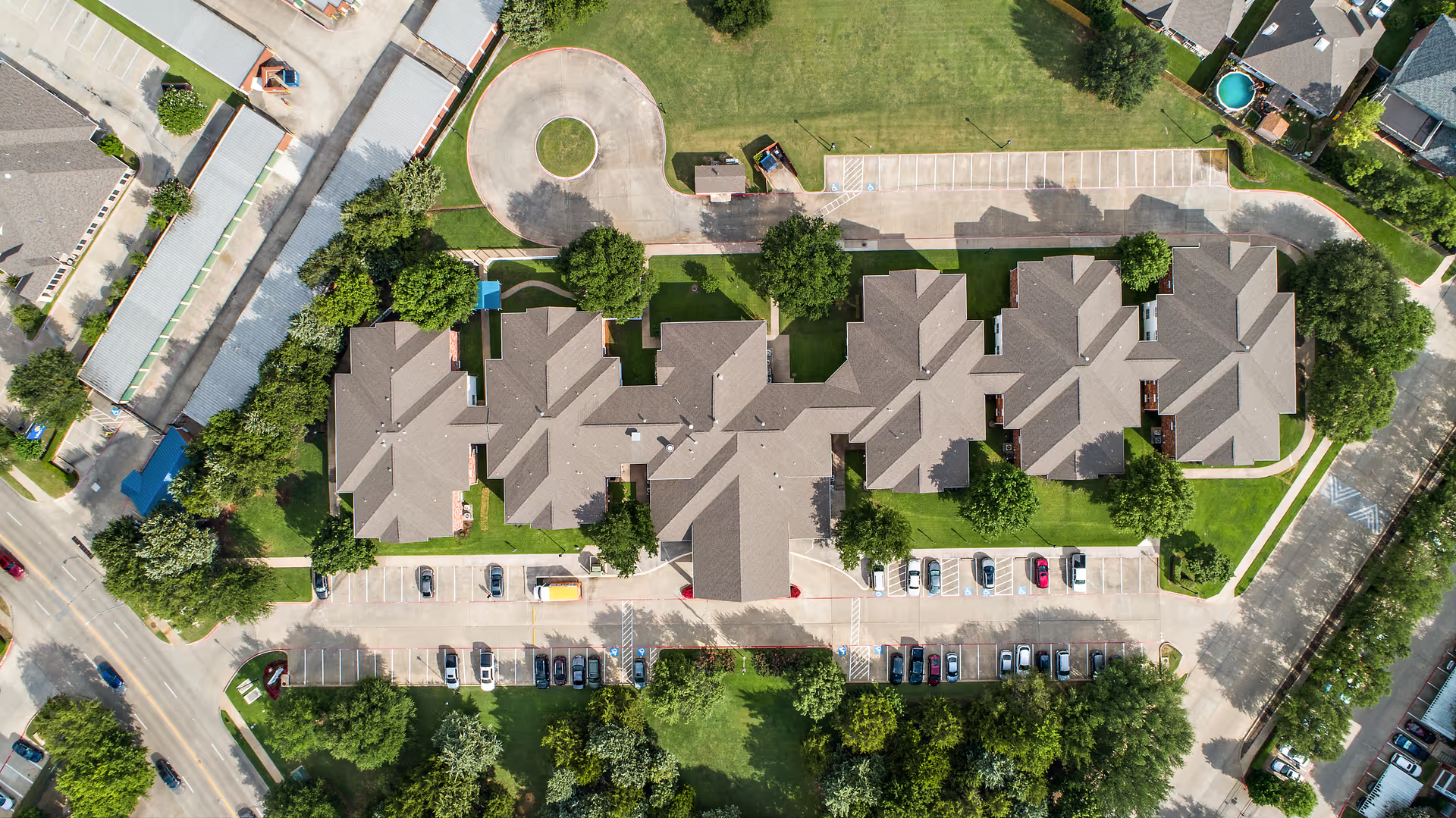
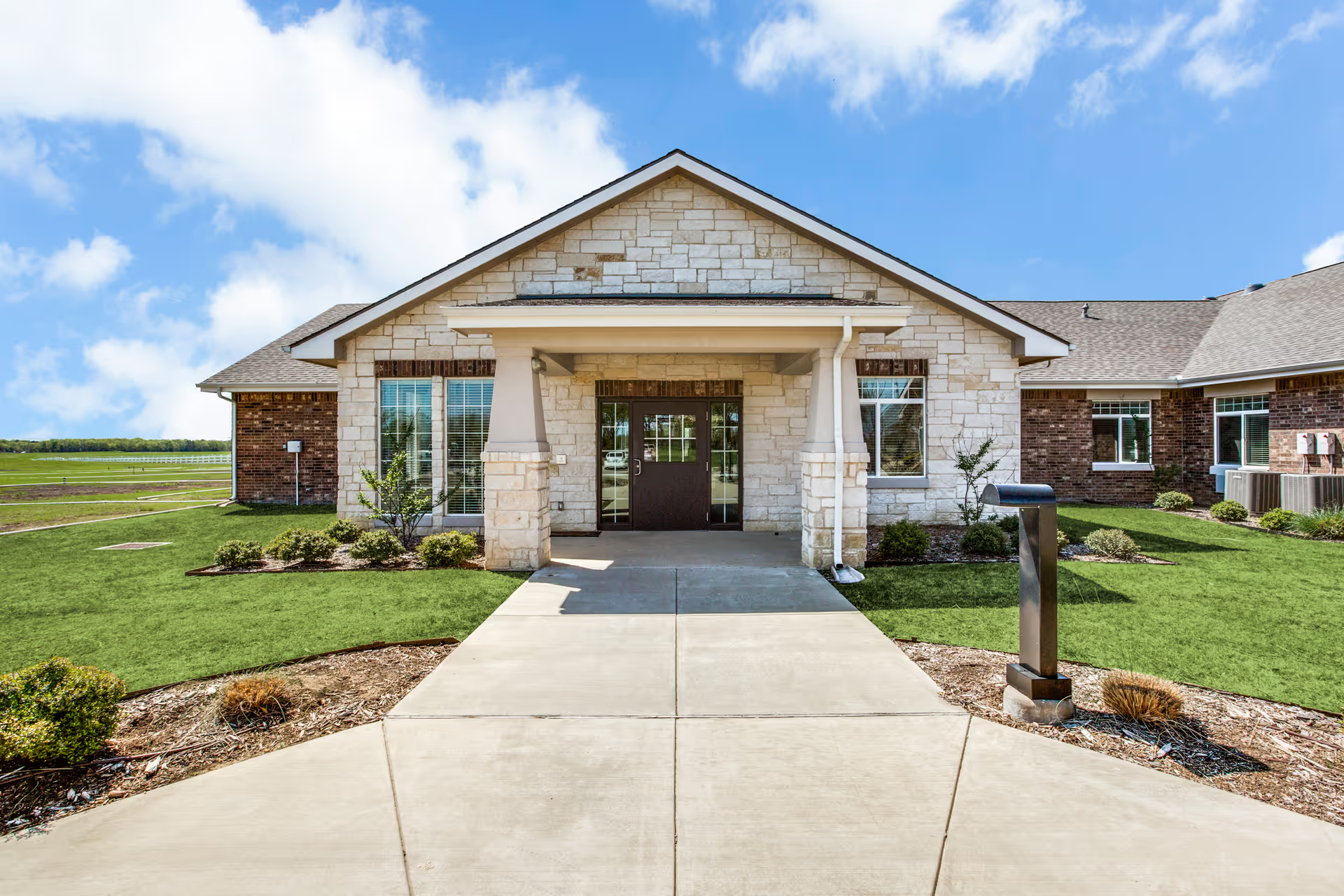
The reviews describe a mixed picture of Pinnacle Assisted Living. Positive observations center on a welcoming social environment: residents are portrayed as friendly, caregivers as helpful and responsible, and there is evidence of long-term resident stability. The facility offers recreational resources such as an on-site pool for exercise and swimming and walkable grounds that support daily activity. Many reviewers also noted clean resident rooms, well-prepared meals, and a comparatively affordable price point.
Care and staffing appear uneven. While reviewers praised compassionate and consistent caregivers at times, there are recurrent comments indicating gaps in staffing coverage and delays in staff availability. These staffing inconsistencies are associated with variable care-quality experiences and concerns about timely attention to residents' needs. Prospective residents who require reliably intensive or clinical-level care should assess whether the facility's staffing model meets those needs.
Dining and activities have clear strengths and limitations. The kitchen is described as producing well-prepared food, and communal spaces support social interaction. However, the dining room and living room were described as crowded, which may reduce comfort and accessibility for some residents and limit the utility of communal meal service or social programming for those who need quieter or more private arrangements.
Facility condition and housekeeping are mixed. While individual rooms were frequently described as clean, there are operational maintenance issues—examples include lifting floor tiles and visible clutter or boxed storage in entry areas—that suggest gaps in routine maintenance and housekeeping processes. Reviewers also mentioned odor concerns in some common areas, which points to sanitation or ventilation issues that management should address.
Management and operational patterns suggest strengths in community-building and cost, paired with areas for improvement in operations oversight. The combination of friendly staff, recreational amenities, and affordability may suit lower-acuity residents seeking a social setting. At the same time, recurring themes around staffing reliability, maintenance follow-through, space crowding, and intermittent cleanliness/odor concerns indicate that families should confirm current staffing ratios, maintenance schedules, housekeeping protocols, and how the community handles higher-acuity care before making placement decisions.