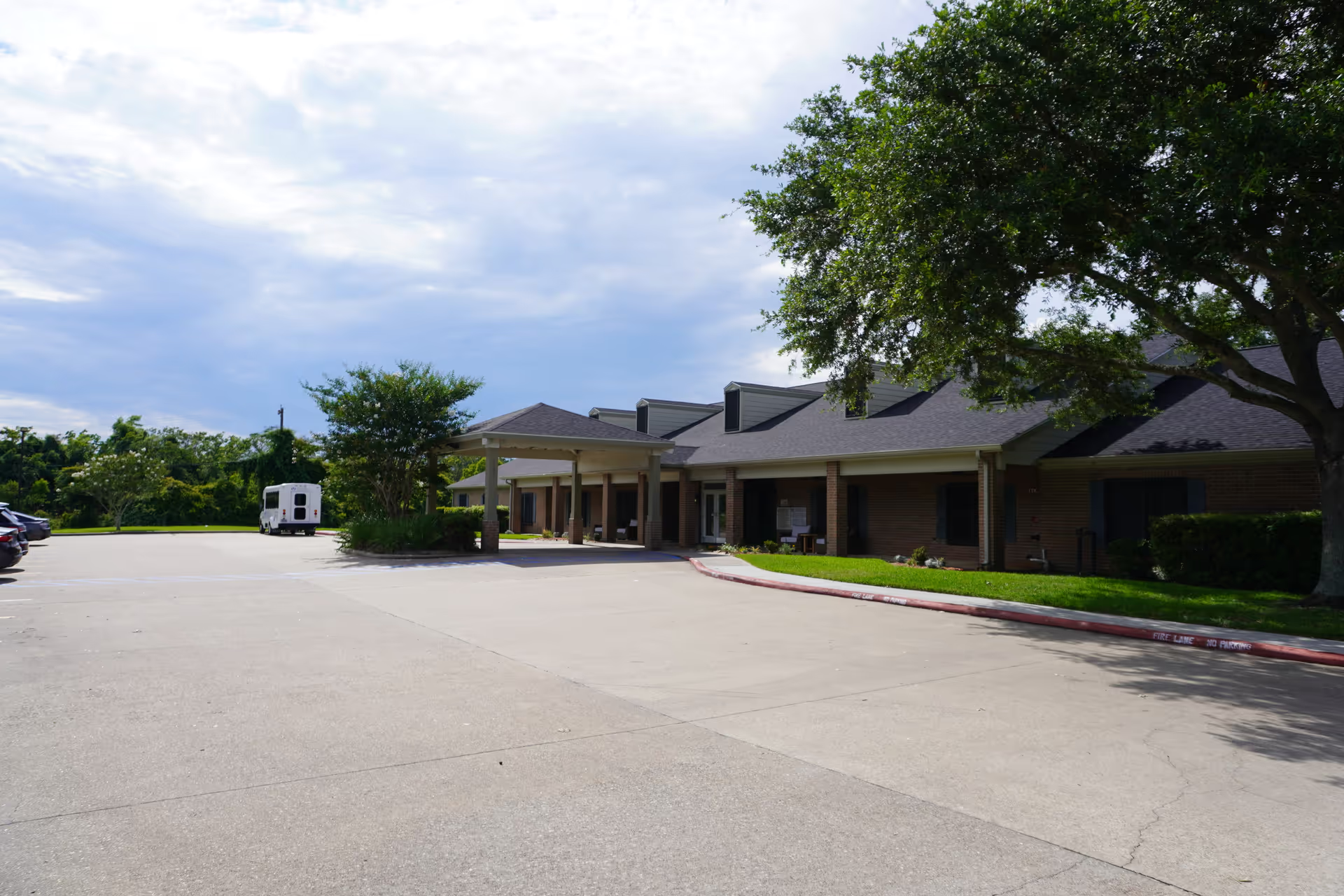
La Vita Bella presents as a small, nurse-owned residential care home that many families describe as providing close, personal attention. Reviewers commonly praise the staff for being compassionate, attentive, and familiar; several notes emphasize a high attendant-to-resident ratio, long-tenured employees, and a nurse-led approach that supports individualized care. The physical environment is described as homelike, with private rooms, attractive decor, and a generally clean, well-maintained interior. Dining and social life are recurring strengths: homemade meals, group dining, and regular activities appear to contribute to a family-like atmosphere and opportunities for social engagement.
At the same time, a set of serious concerns emerges around the facility's performance during extreme weather events. Multiple accounts raise operational questions about emergency preparedness, evacuation planning, and availability of wheelchair-accessible transport or surge resources. These accounts include sharply divergent perspectives: several families and advocates allege significant failures in crisis decision-making and have called for regulatory review or legal investigation, while other families and some statements attributed to the operator defend shelter-in-place choices and highlight successful resident relocations and pet rescues. The presence of polarizing, high-profile social-media coverage has amplified reputational impact and created a contested narrative about what transpired during the storm.
Operationally, the pattern in reviews suggests strengths in day-to-day caregiving paired with potential weaknesses in emergency logistics and post-incident transparency. Reported strengths—consistent caregivers, individualized attention, domestic-style meals, and engaging activities—support quality of life for residents in routine conditions. Reported weaknesses center on crisis readiness: accessible transport options, written evacuation protocols, staff training for large-scale weather events, timely family notification, and clear post-incident documentation. Reviewers’ divergent descriptions of management decisions during the event indicate perceived inconsistency in how leadership communicates and acts under duress.
For prospective residents and families, these patterns recommend specific due diligence. Ask to review the facility's written emergency and evacuation plans, evidence of staff training for severe-weather scenarios, arrangements for wheelchair-accessible transport, and examples of recent regulatory inspections or incident reports. During a tour, observe staffing levels at different times of day, inquire about continuity plans for meals and activities during emergencies, and request clarification about notification procedures for families. La Vita Bella’s strengths in personalized daily care and a homelike environment may be attractive for many, but families who prioritize robust emergency logistics should confirm how those systems are maintained and documented.