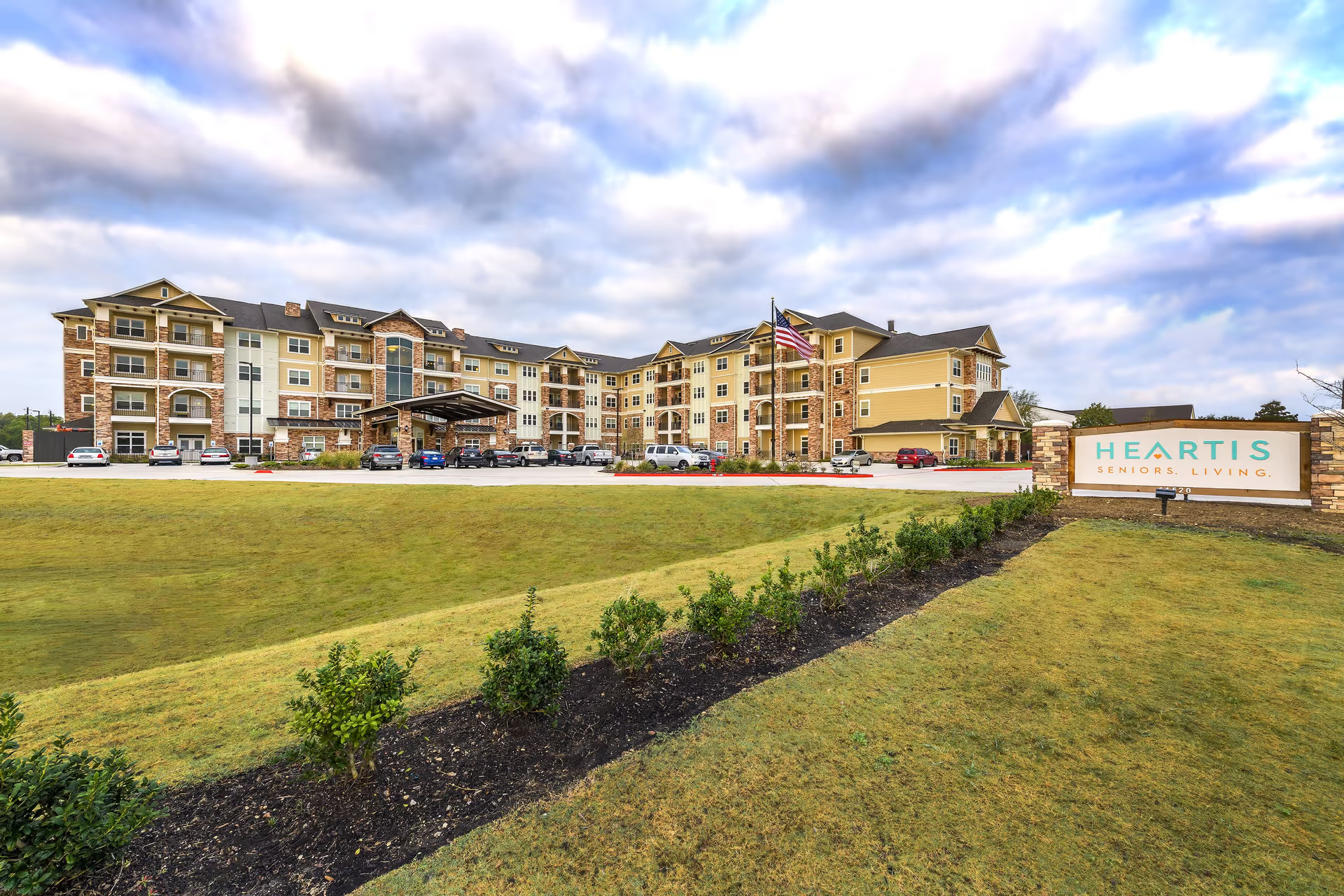
The Delaney at South Shore presents as a modern, resort-style senior community with consistent praise for its physical environment, dining program, and resident-focused service. The campus is frequently described as new, clean, and well appointed, with comfortable apartments, accessible bathrooms, and numerous amenity spaces (bistro, formal dining room, craft and fitness rooms, movie theater and gardens). Dining is a recurring strength: meals are often characterized as gourmet, varied, and accommodating of special diets, and staff frequently deliver individualized meal service when needed.
Care and staffing are central positives for the community. Families and residents commonly describe compassionate, attentive caregivers and responsive nursing staff; several accounts cite strong communication between staff and families and proactive coordination with therapy and outpatient providers. That said, staffing stability and the adequacy of personnel for higher-acuity memory-care needs are recurring operational concerns. Memory care impressions are mixed: some families describe exemplary, nurturing care, while others note limited therapy offerings and periods of understaffing; prospective residents should clarify staffing ratios and program content for memory-support residents.
Activities and social life are robust in typical operation, with a broad calendar of exercise classes, arts and crafts, social meals, outings, and in-house entertainment. The community emphasizes social engagement and reports many opportunities for residents to form friendships. Activity availability has been constrained at times by infection-control measures; prospective residents should ask how social programming is modified during public-health events and what alternate engagement options are provided.
Management, administration and customer-service practices show a range of experiences. Many reviewers praise welcoming leadership, helpful residency counselors, and proactive assistance with move-in logistics. However, there are recurring operational critiques around billing and lease-administration inflexibility (notice periods and prorating), occasional front-desk responsiveness gaps, and inconsistent communication during shift changes. A small number of reviews reference isolated safety or incident-response situations that families felt were not handled to their expectations; these items point to the value of confirming security procedures, incident escalation protocols, and relationships with local authorities.
Practical considerations for decision-making: The Delaney's amenities, dining, and hospitality-style service make it attractive for independent and assisted residents seeking an active, resort-like environment. Those considering memory care or higher-acuity assisted living should evaluate staffing ratios, staff training specific to dementia care, and therapeutic programming. Because pricing is frequently characterized as premium, families should review contract terms carefully (cancellation/notice clauses, prorating, and hospice policies) and confirm which services are included in the base rate. Also ask about on-site clinical coverage, typical staff-to-resident ratios by neighborhood, security and incident-response procedures, and how activities are sustained during infection-prevention periods.
Overall, The Delaney at South Shore earns strong commendations for food, environment, and the compassionate tenor of its caregiving teams, while operational attention points include staffing consistency, memory-care program depth, administrative flexibility, and customer-service consistency at entry and during incidents. A focused tour that addresses the specific items above will help families determine fit for an individual’s clinical and lifestyle needs.